
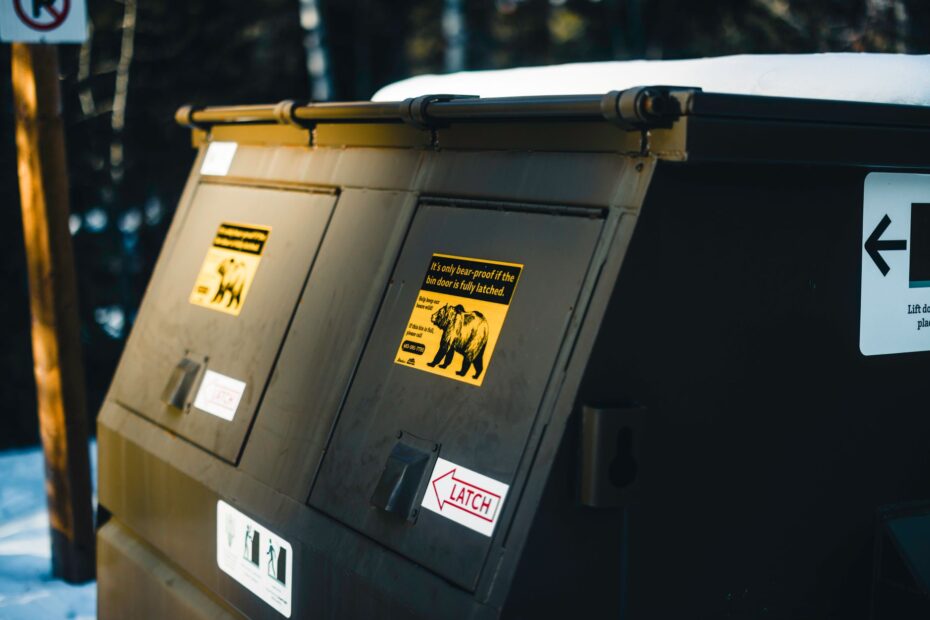
Before nightfall, remove every food reward by locking meals, trash, cookware, pet food, and scented toiletries in the required storage, then clearing crumbs and spills. A raccoon can revisit a greasy skillet, while a bear can follow the same scent toward your sleeping area.
The sections below cover site choice, storage, cleanup, pets, and wildlife encounters for campers using public campgrounds, dispersed sites, and backcountry camps.
Wildlife Follows Food, Odors, and Easy Opportunities
A warm pan beside a picnic table can broadcast more than dinner. Wildlife attractants include food scraps, spilled soda, greasy cookware, trash, pet kibble, toothpaste, sunscreen, lip balm, and scented toiletries. Your camp does not need a visible meal to smell rewarding.
Smell Creates the Invitation
Bears, raccoons, squirrels, mice, foxes, and skunks investigate the same odor for different reasons. A mouse can slip into a soft cooler for crumbs, while a bear can damage a vehicle or campsite locker while seeking the larger food source suggested by your gear.
- Meal residue: Grease on a spatula, grill grate, or plate can draw animals long after dinner ends.
- Open trash: Food packaging and cans retain scent after you empty them.
- Sweet spills: Juice, beer, soda, and syrup leave sticky scent trails on tables and ground cloths.
- Pet supplies: Kibble, treats, bowls, and pet waste can pull wildlife toward your sleeping space.
- Scented toiletries: Toothpaste, deodorant, sunscreen, and lotion belong with food storage, not inside a tent.
Firelight and noise offer poor protection. Campfires, lanterns, music, and loud voices do not reliably keep animals away, especially near busy campgrounds where wildlife has learned that human activity can lead to food.
For bear-proof camping tips that work beyond a single night, treat every odor as a possible reward. That work starts before you unpack because a poor tent location can place your camp beside an animal’s normal route.
A Low-Attraction Campsite Starts With Location
Fresh scat beside a flat tent pad is a warning sign, not a minor inconvenience. Established campsites reduce guesswork because their cooking zones, campground food lockers, and tent pads reflect local rules and wildlife movement.
Keep Clear of Natural Feeding Routes
Water, berries, carcasses, and game trails pull animals through an area for reasons unrelated to your camp. Keep your tent away from those features, even at a dispersed site with an attractive view.
- Use established pads: Campgrounds place tents and storage areas with local hazards and traffic patterns in mind.
- Scan the ground: Fresh tracks, scat, overturned rocks, or torn logs signal active feeding nearby.
- Avoid water edges: Streams and lakes act as travel corridors and animal drinking sites.
- Skip berry patches: Fruit-bearing shrubs can attract bears, birds, rodents, and deer.
- Leave carcass areas: Move camp after finding a dead animal or fresh remains near your site.
Place your tent where animals have no reason to pass through. A flat site beside a creek can feel peaceful, yet it can also sit on a nightly travel route.
Separate your tent, camp kitchen, and food storage area where campground design and local rules allow. Site-specific instructions can set storage distances or assign a storage location. That approach aligns with National Park Service guidance that posted site rules outrank generic distance advice.
Location reduces surprise, but storage removes the reward. A clean tent pad still becomes an attractant after a cooler, trash bag, or toiletry kit sits open overnight.
Once a suitable site is chosen, securing every scented item prevents supplies from undoing that advantage.
Food Storage Systems That Match Campground Rules
A metal locker works only after every scented item reaches it. Start with the storage method required by the park, forest, or campground, then pack your gear around that rule instead of relying on habit.
Storage Choices Have Different Limits
| Storage method | Fits this situation | Limit to respect |
|---|---|---|
| Campground food locker | Established sites with shared or assigned lockers | Keep the door fully latched and do not leave food outside during meals. |
| Bear-resistant food canister | Backcountry areas requiring a hard-sided container | Choose a model accepted by the land manager and close it correctly. |
| Bear bag | Areas where hanging systems are allowed and suitable trees exist | Poor hanging technique leaves food reachable by bears, raccoons, or squirrels. |
| Secured vehicle | Campgrounds permitting overnight vehicle storage | Some bear-country rules prohibit food in vehicles or require hard-sided storage. |
| Cooler | Daytime food access at a staffed campsite | Cooler security alone rarely meets bear-country storage rules. |
A bear-resistant food canister suits backcountry areas that require a hard-sided container. The lid must close fully, and the canister must sit where local rules direct. The Interagency Grizzly Bear Committee lists container standards used across much of bear country.
YETI and similar hard coolers can resist casual raccoon damage, yet a sturdy cooler is not automatically animal-proof storage. Your campground rule decides whether a cooler belongs in a locker, vehicle, bear box, or nowhere outside overnight.
Pack One Attractant Bag
Group food, trash, dishes, cookware, pet food, and scented items in one storage system. That habit prevents a familiar oversight: dinner is secured, but toothpaste and a greasy sponge remain on the table.
For your setup, a labeled odor bag can hold sunscreen, soap, lip balm, hand wipes, and trash between meals. Leave No Trace principles stress planning and proper waste disposal because an animal rewarded once can return to the same site.
Safe food storage for camping depends on the required container and your follow-through after each meal. A closed lid, latched locker, or correctly hung bear bag matters more than the container’s appearance.
Clean Camp Habits Close the Food Window
One unattended paper plate can undo an otherwise careful storage plan. Keep the meal cycle short: food comes out, food gets eaten, the cooking area gets cleaned, and every attractant goes back into storage.
A Meal Routine Closes the Reward Window
- Set out food: Bring out only the ingredients and tools needed for your meal.
- Cook and serve: Keep wrappers, scraps, and utensils on the table rather than scattered around camp.
- Pack leftovers: Seal remaining food before conversation or cleanup distracts your group.
- Wash promptly: Scrub dishes, utensils, and cooking surfaces before odors dry onto them.
- Store everything: Return food, trash, cookware, and scented items to the required storage method.
Dishwater needs the same care as leftovers. Follow local trash disposal and wastewater rules; some campgrounds direct you to a sink or drain, while backcountry rules can require strained dishwater dispersed far from camp and water sources.
Never leave a cooler, trash bag, or cooking surface accessible while you hike, sleep, or visit another campsite. Rodents can chew soft packaging in minutes, and a raccoon can turn a loose cooler latch into a nightly food source.
Pets Change the Scent and Behavior Around Camp
Your dog can notice wildlife before you do, then bark, chase, or pull an animal closer. Keep pets leashed and supervised, store bowls and food after use, and avoid leaving a tied-out pet alone near the tent.
Campfire cleanup matters here too. Let ashes cool, remove food debris from grills and fire rings, and follow campground directions for ash disposal. Charred marshmallow pieces still count as food scraps.
These routines show how to keep animals away while camping without relying on noise, lights, or a loose cooler lid. Your observable sign of success is simple: no food, residue, or scented item remains outside after cleanup.
Even careful cleanup cannot prevent every encounter, especially where animals already travel through camp.
Safe Responses Keep Wildlife Moving Away From Camp
An animal near camp is a signal to slow down, not rush forward. Stay calm, keep children and pets close, give the animal room to leave, and avoid blocking its path with people, tents, chairs, or vehicles.
Distance and Local Direction Come Before Noise
Species behavior differs sharply. Park staff and local wildlife authorities give the right instructions for bears, moose, snakes, mountain lions, and bison in that location. Running toward an animal or cornering it can turn a passing visit into a dangerous encounter.
- Secure pets: Bring leashed pets beside you and stop barking or lunging.
- Give space: Back away slowly where your route stays clear and the animal has room to leave.
- Protect children: Keep children close and quiet rather than sending them toward the tent alone.
- Report concerns: Tell a ranger or campground host about repeated food-seeking behavior.
- Inspect the site: Search for spills, exposed trash, dirty dishes, or forgotten toiletries after the animal leaves.
Do not run toward wildlife, chase it for a photograph, or throw objects without local direction. Distance gives you time to follow species-specific guidance that fits the encounter.
A bear visit calls for bear-country instructions, not a raccoon response. Your next action is removing the reward that brought the animal close, then reporting a damaged locker, broken latch, or persistent approach to campground staff.
Scent-based deterrents and loud noises do not replace distance, secure storage, or local direction. Camping wildlife safety depends on leaving the animal an open path and removing what drew it near.
Small Shortcuts Turn a Campsite Into a Food Source
A tent is fabric, not food storage. Never keep meals, snacks, trash, toiletries, or scented items inside your sleeping area because an animal following odor can tear through a tent while you are inside.
Repeat Visits Start With Small Oversights
- Food in tents: Keep every snack wrapper, toiletry, and scented wipe out of your sleeping space.
- Feeding animals: Do not offer scraps, nuts, or leftovers because food rewards teach wildlife to seek people.
- Loose trash: Put wrappers and cans into secured storage instead of hanging a bag from a picnic table.
- Dirty cookware: Wash pots, grills, and utensils before bedtime rather than leaving cleanup for morning.
- Unattended pet food: Pick up bowls and treats as soon as your pet finishes eating.
- Assumed cooler safety: Follow posted rules rather than trusting a closed cooler or vehicle door.
Food-conditioned wildlife pays a price too. Rangers can close sites, remove an animal, or restrict access after repeated encounters. Your cleanup choices reach beyond your own tent pad.
Make two checks part of your routine: one before bed and one before departure. To prevent wildlife from entering your campsite, confirm that no food, trash, cookware, spilled drink, pet item, or scented toiletry remains within reach.
Putting the Camp Setup Together
Wildlife stays farther from camp where your site offers nothing to eat, smell, or investigate. Choose a low-traffic location, follow storage rules, clean the camp kitchen after every meal, and give animals space rather than confrontation.
Your tent, kitchen, and storage area work as one system. To prevent wildlife from entering your campsite, keep the system consistent from arrival through departure, including the last dish, pet bowl, and trash wrapper.
FAQ
How do I keep wildlife away from my campsite?
Keep all wildlife attractants secured, including meals, trash, cookware, pet food, toothpaste, sunscreen, and scented wipes. Your strongest defense is a clean camp with no crumbs, spills, open coolers, or accessible trash, paired with the storage method required at your campground.
Should I keep food in my tent while camping?
No. Food and scented items can draw animals toward your sleeping area, including rodents, raccoons, and bears. Store snacks, trash, toiletries, and cooking gear in a campground locker, required bear-resistant container, or another method allowed by local rules.
How far should food be stored from a campsite?
Your park or campground rules should set that distance because terrain, bear activity, locker placement, and site layout vary. Use the designated food-storage area where one exists, and keep your tent separate from cooking and storage zones where the site allows it.
Do bear canisters keep raccoons and other animals out?
A properly closed bear-resistant food canister can block raccoons and rodents as well as bears, though no container helps after it is left open. Store the canister according to local rules and keep its outside free of food residue.
What smells attract animals to a campsite?
Animals can investigate food, grease, fruit peels, trash, spilled drinks, pet food, toothpaste, deodorant, sunscreen, lotion, and scented wipes. Your camp kitchen can also hold odor on dishwater, grill grates, utensils, and paper towels.
How do I dispose of food scraps when camping?
Pack food scraps into secured trash unless local rules direct you to a designated disposal point. Do not scatter scraps, bury them, burn them in a fire ring, or toss them into water because each action can attract wildlife or damage the site.