
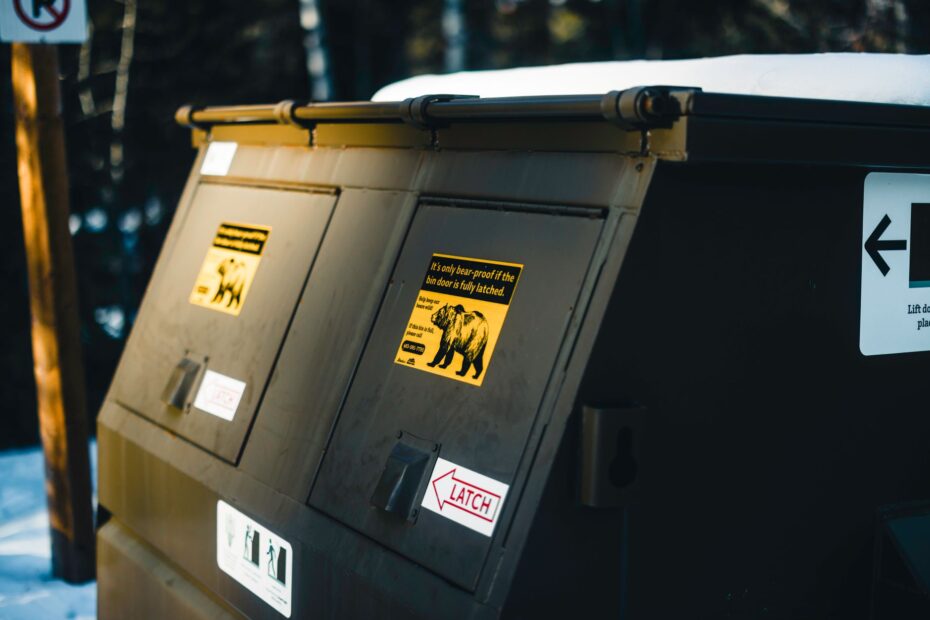
Strict food storage, a clean camp, alert trail habits, and species-aware wildlife responses form the foundation of safe backcountry travel. Your tent is not the main concern. A forgotten granola bar, greasy skillet, or open trash bag can teach a bear that campsites contain food.
This guidance covers local rules, storage choices, camp layout, bear spray access, and group routines for campers traveling through active bear habitat.
Local Rules Set the Foundation for Your Trip
Your storage method begins with the land manager, not the gear shelf. Check the National Park Service, U.S. Forest Service, state park, tribal land office, or wilderness office for closures, wildlife notices, and food storage regulations along your route.
Rules can change with berry crops, salmon runs, bear activity near trails, or a bear entering camps for food. Your campground can require a bear canister, food locker, vehicle storage, or a listed hanging method.
Route Details Set the Storage Standard
Grizzly bear habitat calls for added care because bears can react defensively near cubs, carcasses, or food. The Interagency Grizzly Bear Committee lists bear-resistant food containers that some land managers accept, yet your permit conditions still control the storage choice.
- Check each stop before packing, including campgrounds, trailheads, and backcountry zones on your itinerary.
- Read posted alerts for closures, carcass warnings, storage orders, and bear activity near camp.
- Match the method to the exact area because one district can use different storage rules than the next.
- Save contact numbers for rangers, campground hosts, and emergency dispatch before your signal disappears.
Trailhead rules are not optional suggestions. A canister accepted on one route can be barred on another, and a vehicle may not count as secure storage at your campground.
That local detail shapes how to prepare for camping in bear country. Pack the storage system your destination requires rather than relying on a familiar setup from another trip.
Food Storage Covers Every Scented Item
Dinner is only part of the storage issue. Bears investigate calories, grease, toothpaste, pet kibble, drink mixes, sunscreen, cookware, and wrappers that still smell like bacon or fish.
Your bear-proof food storage system should hold food, trash, dishes, cooking grease, pet food, toiletries, scented items, and empty wrappers. Put those items away during sleep and every period your camp is unattended.
Attractants Belong in Required Storage
| Item | Storage action | Reason for storage |
|---|---|---|
| Meals and snacks | Lock them inside the required canister, locker, or storage system. | Packaging and crumbs both carry food odor. |
| Trash and dish supplies | Seal and store them after cleanup. | Food residue can draw a bear back to camp. |
| Toiletries and pet food | Store them with other attractants. | Fragrance and fats can interest wildlife. |
| Coolers and cookware | Follow the storage method named in local rules. | Locked lids alone do not make gear bear-resistant. |
A cooler can look secure yet still fail the storage standard for your site. Your destination decides whether a locker, vehicle, rigid container, or another method meets the rule.
Bear Bags Have Practical Limits
A bear bag works only in places where it is allowed and hung correctly. Sparse alpine trees, short branches, crowded campgrounds, and heavy food loads can leave your food close enough for a bear to reach.
A bear-resistant food container suits routes that require one. A BearVault-style rigid canister can fit some backpacking trips, while a designated food locker can suit car camping, but the land manager decides whether your setup meets the stated rules.
Do not assume a locked vehicle qualifies. Some locations allow vehicle storage, while others require every cooler and scented item inside a locker or bear canister.
Secure storage prevents access after hours, while a clean campsite eliminates the odors and scraps that draw bears in.
A Clean Camp Removes Food Rewards
Crumbs can turn a quiet campsite into a food lesson. Bears that find meals around tents can return, and food-conditioned bears can become dangerous enough that wildlife staff must remove or kill them.
That cause-and-effect pattern explains why bear safety while camping depends on more than storing dinner. Your cooking area, trash, dishes, and sleeping area all need separate roles.
Camp Areas Need Separation
Place your tent away from the cooking area, eating area, and food-storage spot where terrain and local rules allow. Your sleeping area should hold sleeping gear and clothing, not snacks, lip balm, toiletries, or scented wipes.
At a roomy backcountry site, cook and wash dishes downwind from the tent, then place the required storage farther from both areas according to site instructions. That layout keeps meal odors and cleanup away from where you sleep.
Your bear-safe campsite setup does not need a fixed distance rule copied from another location. Terrain, designated sites, wind, and food storage regulations can shape the placement available to you.
Kitchen Cleanup Needs a Clear Endpoint
Keep ingredients packed until meal preparation starts, then return each item to storage as soon as it is no longer needed. A clean camp has no pans soaking overnight, scraps under a picnic table, or greasy foil beside the fire ring.
- Set out less by bringing out only the ingredients and tools needed for that meal.
- Scrape each dish into your trash system before washing cookware with minimal water.
- Pack out scraps instead of burying peels, bones, coffee grounds, or leftovers near camp.
- Store the cooler between meals under the rules for your specific site.
- Feed no wildlife because handouts teach animals to seek people and campsites.
Leaving food outside so a bear stays away from your tent is not a safety tactic. It rewards the behavior that creates future camp problems.
Trail Awareness Gives Bears Space
Clean storage removes a food reward, yet trail encounters begin with distance and visibility. Dense brush can hide a bear only a few steps away, while rushing water can cover the sound of your approach.
Talk at a normal volume, call out around blind bends, and make steady human sound near thick vegetation or loud water. The goal is not constant shouting; it is giving a bear warning before your group enters its personal space.
Bear Spray Must Stay Accessible
A belt, chest strap, or pack harness keeps bear spray within immediate reach. A canister buried inside your backpack cannot help during a sudden encounter at a blind corner.
Learn how to use bear spray before leaving the trailhead. Counter Assault and other bear spray makers place handling details, safety-clip instructions, grip position, and spray-range information on product labels.
Practice locating the holster, releasing the safety clip, and holding the canister without fumbling. Your group should know where each adult carries spray before hiking through brush or around loud water.
Do not keep bear spray inside your tent as the only nighttime plan. Keep it close enough to reach from your sleeping position, while food and scented gear stay outside the tent in required storage.
Fresh Bear Sign Changes Your Route
Tracks, scat, fresh digging, torn logs, overturned rocks, and animal carcasses show that bears have used the area. Leave the area rather than stopping to inspect a carcass or follow fresh tracks.
Traveling with companions gives your group more eyes and ears on the trail. Keep children close, stay together around blind corners, and avoid separating near thick vegetation.
Preventing a surprise encounter is ideal, yet knowing how different bears may respond helps keep one from escalating.
Species-Aware Responses Reduce Pressure During Encounters
Fresh scat or a carcass means your next action is distance, not curiosity. Back away along the route you entered, keep your group together, and avoid moving between a bear and cubs, food, or an escape route.
An American black bear and a grizzly bear can respond differently, and each encounter has its own conditions. Local instructions matter because bear behavior, habitat, and reported activity shape wildlife encounter safety decisions.
Calm Movement Preserves Space
Stand calm, speak in a low voice, and do not run. Running can trigger pursuit, while a bear given room can leave without feeling trapped or challenged.
Keep bear spray ready as the animal focuses more closely on your group. Follow local land-manager instructions for the species and location rather than relying on a single response for every bear encounter.
| Situation | Immediate response |
|---|---|
| Bear seen at a distance | Stop, stay calm, give it room, and alter your route without blocking its exit. |
| Fresh carcass or heavy bear sign | Leave the area with your group and report the location to staff. |
| Bear enters camp | Gather people, create distance, keep spray accessible, and notify campground staff. |
| Bear seeks food repeatedly | Do not abandon food as a distraction; report the behavior promptly. |
A bear entering camp calls for a people-first response. Move away where safe, keep children close, avoid crowding the animal, and report concerning behavior so staff can protect campers and wildlife.
Trip Roles Turn Precautions Into Habits
Small oversights can undo a careful camp. Before camping in bear country, assign food storage, dish cleanup, trash control, and bear spray checks to named members of your group.
Clear roles make the final camp sweep faster because every task has an owner. Your group should know who checks the locker, who gathers wrappers, and who confirms that spray remains accessible.
Car Camping and Backpacking Need Different Systems
Car campers can use designated food lockers or vehicle storage where rules permit. A large cooler from YETI or another brand is not automatically acceptable because local rules judge the storage method rather than the logo on its lid.
Backpackers need a container that fits both route rules and food volume. Pack the first night’s dinner, toiletries, trash bag, and cooking items into the bear canister at home to learn whether your load fits.
That packing check reveals a common problem before you reach the trailhead. Extra packaging, bulky cookware, and loose snack bags can take up space that your canister needs for overnight storage.
A Nightly Routine Closes Camp Properly
- Sweep the site for wrappers, crumbs, drink containers, pet food, and scented toiletries.
- Clean cookware promptly and secure pots, utensils, grease, and trash with food.
- Lock every container and check each lid, latch, locker door, or required closure.
- Locate the spray so each adult knows its position and can reach it quickly.
- Review night movement so nobody walks alone through brush or toward a carcass after dark.
Leave No Trace principles fit this routine: pack out what you bring, respect wildlife distance, and leave no food reward behind. Your group succeeds when every person treats one dropped snack as a campwide responsibility.
Final Thoughts
Safe travel in bear habitat rests on a plain idea: bears should find neither food nor surprise at your camp. Check the rules, store every attractant as required, keep the kitchen clean, carry accessible bear spray, and give wildlife room.
Those habits protect your group while reducing the chance that a bear learns to seek human food. Your preparation also helps campground staff and land managers keep bears wild.
FAQ
How do you prepare a campsite in bear country?
Set your tent away from cooking, eating, and food-storage areas where site layout and local rules allow. Keep scented items out of the tent, clean up as soon as meals end, and lock food, trash, cookware, and toiletries into the required storage system before sleep.
What should you do with food when camping in bear country?
Store all food in the required bear-resistant food container, food locker, or land-manager-listed system during unattended periods and sleep. Include snacks, coolers, trash, pet food, dishes, cooking grease, and toiletries because bears follow odors rather than food labels.
Should you sleep with bear spray in your tent?
Keep bear spray close enough to reach from your sleeping position, but do not treat it as a substitute for strict food storage. Your tent should remain free of snacks and scented items, while the spray stays accessible and secured against accidental discharge.
Do you need a bear canister, bear box, or bear bag for your camping trip?
Your destination decides the storage method. Some routes require a listed bear canister, some provide food lockers, and some permit a properly hung bear bag; a bag works only where rules allow it and suitable trees permit a high, secure hang.
How far should a tent be from where you cook in bear country?
Follow the distance stated in local regulations or campsite instructions because terrain and bear activity shape the layout. At a larger backcountry site, keep your tent, cooking area, and food storage separated enough that food odors and cleanup remain away from where you sleep.
What counts as bear country, and how can campers find bear activity and local rules?
Bear country includes places where bears live, feed, travel, or visit campsites. Check land-manager alerts, trailhead notices, permit conditions, campground postings, and ranger information for reported activity, closures, carcass warnings, and storage requirements.