
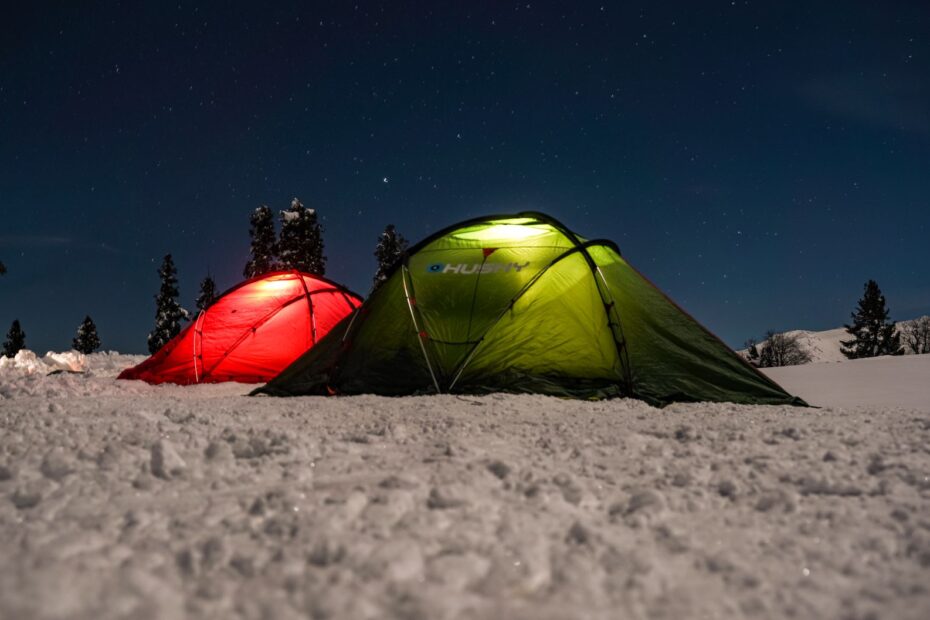
Heat loss through the ground, moving air, and damp gear can chill a tent at night even when a sleep system holds body heat. A tent blocks weather rather than producing heat, so a weak pad can leave your back cold at 2 a.m. despite a lofty bag.
This guide covers insulating layers, sheltered pitching, dry bedtime routines, and moisture control for campers preparing to sleep comfortably through chilly overnight conditions.
Warmth Starts With Controlling Heat Loss
Cold soil draws heat from your body faster than the air above you. This conductive heat loss explains why a thick sleeping bag can feel inadequate with little ground insulation beneath your torso and hips.
Moving air causes convective heat loss. Wind slipping under a loose rainfly or through an open door carries away the warmed air around your body, leaving your bag to work against a steady draft.
A Tent Shelters You but Does Not Heat You
Your tent is a weather shell, not an insulated room. A three-season tent limits wind and rain exposure, while a four-season tent has stronger poles and less mesh for harsher conditions, yet neither replaces a warm bag and pad.
Dampness speeds heat loss because water moves heat away from your skin faster than dry air. Wet socks, sweaty base layers, and interior condensation can turn a manageable 35-degree night into a long, uncomfortable one.
A Matched System Handles Freezing Conditions
Loose blankets over a weak sleep system trap little useful heat. Your sleeping bag, sleeping pad, dry layers, and sheltered pitch need to work together, much like the roof, walls, and floor of a small cabin.
Start with insulation below your body. Extra covers above you cannot stop cold soil from drawing heat through a thin sleeping pad.
With ground insulation addressed, the remaining task is matching every layer above it to the coldest expected temperature.
A Sleep System Built for the Overnight Low
The forecast low matters more after sunset than the pleasant afternoon temperature. Choose a sleeping bag temperature rating suited to that low, then allow room for your cold sensitivity, fatigue, food intake, dampness, and wind exposure.
Your sleep system works in layers. Ground insulation stops heat transfer below you, while the sleeping bag holds warmed air around your body and dry clothing keeps moisture from weakening that insulation.
| Cold-night factor | What protects you | Why it matters |
|---|---|---|
| Cold soil or snow | High-R-value sleeping pad | Limits conductive heat loss beneath your torso and hips. |
| Low air temperature | Suitable sleeping bag rating | Holds a layer of warmed air around your body. |
| Damp clothing | Dry base layers and socks | Reduces heat loss caused by moisture against skin. |
| Wind around the tent | Taut fly and sheltered site | Limits moving air that strips warmth from your shelter. |
Pad Insulation Carries More Weight Than Extra Blankets
Your sleeping pad R-value measures resistance to heat flow. For winter camping, an R-value of 4 or higher is a sensible starting point; colder ground, snow camping, and colder sleepers call for more insulation.
Therm-a-Rest and Big Agnes label many insulated pads with R-values, giving you a direct way to judge ground protection. ASTM F3340 supplies the lab method used for modern pad R-value ratings, so you can compare labeled insulation with more confidence.
A foam pad beneath an inflatable pad adds insulation because the two layers resist heat flow together. That arrangement also gives your inflatable pad some protection from stones, roots, and rough ground.
Bag Ratings Need a Personal Margin
A bag rated near the forecast low can feel marginal after a hard hiking day or a skipped dinner. Choose extra warmth rather than relying on a sleeping bag liner to rescue a bag that is far too light for the conditions.
For example, a camper facing a 25-degree forecast may sleep comfortably in a bag rated below that point, paired with an insulated pad and dry layers. Your metabolism, food intake, and exposure shape the final result more than a tag alone.
A sleeping bag liner can add a small comfort margin and keep the bag interior cleaner. It cannot make up for a sleeping bag temperature rating that falls far short of the overnight low.
The Campsite and Tent Setup Hold Warmth In
That stronger pad works better on dry, protected ground than on soaked soil or an exposed ridge. Cold air settles into low hollows at night, while ridgelines take the full force of changing wind.
You can reduce drafts before bedtime by choosing a sheltered site and pitching the rainfly with even tension. A taut fly forms a calmer pocket around your shelter without pressing against the inner tent.
Shelter Location Cuts Drafts Before Bedtime
- Choose dry ground. Place your tent on firm soil rather than saturated grass, mud, or melting snow.
- Use natural cover. Set up behind a stand of trees, boulder, or rise that blocks prevailing wind.
- Avoid low pockets. Cold air gathers in depressions, creek bottoms, and narrow drainage channels after dark.
- Face the door wisely. Point the entrance away from prevailing wind to reduce gusts during entry.
- Clear sharp debris. Remove sticks and stones that can damage your tent floor or sleeping pad overnight.
Your rainfly should sit taut enough to shed wind and moisture without touching the inner tent. Loose fabric flaps through the night and pushes cold air through gaps, while a well-tensioned fly holds its shape in changing wind.
Cold weather camping tips matter most before darkness arrives. A dry, wind-sheltered site gives your pad and bag a better starting point than exposed ground, even with the same forecast temperature.
Floor Insulation Starts Inside the Tent
A tent footprint belongs beneath the tent and should match its floor shape without extending past the edges. Fabric that sticks out can collect rain and channel water underneath your sleeping area.
For how to insulate a tent floor, place a closed-cell foam pad inside under your inflatable pad. Car campers can add a trimmed rug or foam tiles in open floor space, though your sleeping pad remains the insulation that matters most.
A tarp under the tent protects the floor from abrasion and moisture, but it adds little warmth by itself. A tarp over the tent can block rain or wind in a suitable setup, yet poor clearance can trap moisture against the shelter.
Bedtime Habits Make Cold Nights More Manageable
Once your site blocks wind and your floor slows ground chill, body heat becomes easier to hold. Change out of daytime clothes before bed, even clothing that feels only slightly damp from sweat or light rain.
Dry fabric traps air better than wet fabric. Your body also spends less energy warming moisture against your skin, leaving more warmth inside your sleeping bag.
Dry Clothing Protects Stored Heat
Your sleep clothes should include dry base layers and warm socks. A light fleece cap can reduce heat loss from your head, but avoid clothing tight enough to restrict circulation in your feet or hands.
Keep tomorrow’s dry layers in a waterproof sack rather than at the foot of a damp tent wall. Moisture management decides whether your insulation remains useful after midnight.
Cold-weather layering works best with a dry base layer, an insulating layer, and loose outer coverage inside the bag. Bulky jackets can compress sleeping bag loft, so use them only where they do not crowd your movement or flatten insulation.
Food, Water, and a Hot Water Bottle Add Practical Warmth
Eat an adequate evening meal and drink enough water before bed. Your body needs fuel and hydration to produce heat, and dehydration can make cold stress feel sharper.
- Fill the bottle. Use hot water in a heat-safe bottle designed for hot liquids, such as a wide-mouth Nalgene bottle.
- Check the cap. Tighten the lid fully and inspect the seal before it enters your sleeping bag.
- Wrap the bottle. Cover it with a sock, shirt, or fabric sleeve to protect your skin from direct heat.
- Place it carefully. Set the hot water bottle near your feet or beside your core, never against bare skin.
A hot water bottle adds warmth for part of the night, but it does not correct an under-insulated pad. Store it upright during transport, and keep boiling water away from lightweight bottles not made for high heat.
You can warm your sleeping bag before bed by placing the wrapped bottle inside for several minutes while you finish campsite tasks. Remove it or shift it away from bare skin before settling in for sleep.
Those comfort measures work best when moisture can still escape rather than accumulating in the enclosed shelter.
Ventilation Keeps Condensation From Stealing Comfort
Dry clothing loses value once humid tent air settles into fabric. Your breath releases moisture through the night, and wet boots or rainwear add more water vapor inside a small shelter.
Tent ventilation moves humid air outward before it condenses on the fly, walls, sleeping bag, or base layers. A small airflow can feel cooler at first, yet it leaves your insulation drier through the night.
Small Vents Limit Moisture Buildup
Leave upper and lower tent ventilation points open enough for air exchange. Crossflow works best when a higher vent releases warm moist air and a lower opening draws in drier outside air.
Condensation on the inside of a fly is normal during cold, humid nights. Water entering through seams, damaged fabric, pooling ground, or a sagging fly points to a shelter or setup problem rather than normal interior moisture.
Your rainfly needs a gap between its surface and the inner tent. That space helps moisture collect on the fly instead of transferring onto your sleeping bag through fabric contact.
Gear Placement Reduces Wet Air Inside
- Leave boots outside. Place wet boots in a vestibule, bag, or covered space outside your sleeping area.
- Bag wet layers. Seal rainwear and snow-covered gear away from dry sleeping equipment.
- Stage night items. Keep a headlamp, water, and extra layer within reach to limit door opening.
- Dry before entry. Brush snow and standing water from clothing before entering the tent.
Repeated door opening replaces warmed interior air with cold, damp air from outside. A tidy vestibule also keeps water and grit away from your pad, helping your insulation retain loft and function.
You do not need to seal every opening to stay warm. Controlled tent ventilation and dry gear create a more comfortable sleeping space than a tightly closed shelter filled with damp air.
Fuel-Burning Heat Stays Outside the Shelter
Ventilation cannot make a fuel-burning appliance safe inside fabric walls. Do not run stoves, lanterns, candles, charcoal devices, or propane heaters in your tent because fire, burns, oxygen loss, and carbon-monoxide poisoning can follow.
How to heat a tent safely starts with avoiding combustion heat inside the sleeping area. Insulation, dry layers, food, water, and a heat-safe bottle are safer overnight warmth sources than an open flame or burning fuel.
Propane Heaters Create Serious Indoor Risks
Mr. Heater units and similar propane heaters create combustion gases and hot surfaces. No propane heater setup inside a sleeping tent becomes a sound choice, even with a door cracked open.
Carbon monoxide has no color or smell, and sleep can delay your response to early symptoms. Keep fuel-burning equipment outside the shelter and away from tent fabric, sleeping bags, and gear.
Cold Stress Calls for a Change of Plan
Persistent shivering, clumsiness, confusion, unusual exhaustion, or an inability to get warm are warning signs. Add dry layers, share body warmth in an appropriate shelter arrangement, move to a heated vehicle or building, or end the overnight plan.
Campfire safety matters too. Keep your tent well away from flames, sparks, and smoke, and dry out near a fire only with close attention to fabric, boots, and synthetic layers.
The Leave No Trace Center for Outdoor Ethics promotes careful campsite choices that protect land and campers. Your warmest overnight plan uses the shelter and sleep system already on hand rather than an open flame inside a nylon enclosure.
Bottom Line
The most reliable answer to how to keep a tent warm at night is stopping heat loss before you crawl into your bag. Put insulation under your body, sleep in dry layers, pitch out of wind and cold-air hollows, vent moisture, and keep combustion heat outside.
Your tent works best as part of a complete sleep system. A suitable bag, a high-R-value pad, ground insulation, dry clothing, and a sheltered campsite give you a far stronger margin than extra blankets or indoor fuel-burning heat.
FAQ
How can I keep my tent warm without a heater?
Use an insulated sleeping pad, a sleeping bag suited to the overnight low, dry base layers, warm socks, and a wind-sheltered campsite. Your rainfly, tent footprint, and a wrapped hot water bottle can add comfort without the fire and carbon-monoxide risks of a heater.
Is it safe to use a propane heater inside a tent?
No. A propane heater inside your tent raises the risk of fire, burns, oxygen depletion, and carbon-monoxide poisoning. Keep fuel-burning devices outside your shelter and rely on insulation, dry clothing, food, water, and a heat-safe bottle for overnight warmth.
What should I put under my tent to stay warm?
Put a properly sized tent footprint under the tent for ground protection, then place your real insulation inside beneath your body. A closed-cell foam pad under an inflatable sleeping pad adds ground insulation and protects the inflatable pad from damage.
How do I stop cold air from coming through the tent floor?
Cold air through the floor is usually conductive heat loss from the ground, not air leaking through fabric. Use a higher sleeping pad R-value, add closed-cell foam beneath your pad, and camp on dry ground rather than saturated soil or snow without enough insulation.
What R-value sleeping pad do I need for cold weather camping?
An R-value of 4 or greater is a practical starting point for winter conditions. Your needs rise with colder ground, snow, wind exposure, low food intake, and personal cold sensitivity, so pair the pad with a bag that matches the overnight low.
Why is my tent cold even with a warm sleeping bag?
Your bag insulates the top and sides of your body, but compressed insulation beneath you loses much of its warmth. A thin pad, damp sleep clothes, drafts, poor tent ventilation, or a low campsite can leave you cold despite a warm sleeping bag.