
A mummy-cut cocoon has no business hugging a shoulder or trapping a bent knee, which is exactly why side sleepers look for sleeping bags built wider, flatter, and more forgiving through the hips. The right bag lets a sleeper curl, switch shoulders at 2 a.m., and stretch out without fighting nylon. Comfort comes from the cut, the loft, and the lining, not the marketing copy on the stuff sack. This roundup focuses on four oversized, rectangular, and side-sleeper-friendly options, each suited to a different climate and trip length.
A Fast Comparison Of The Options
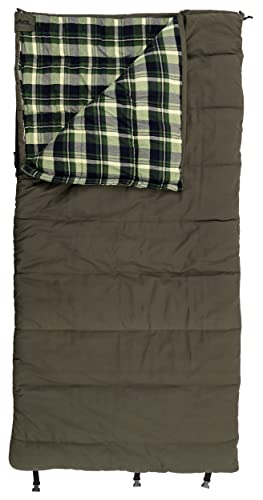
ALPS OutdoorZ Redwood -25 Sleeping Bag

VENTURE 4TH Backpacking Sleeping Bag

LRYBUKNT Lightweight Camping Sleeping Bag

TANSTRIDER Cotton Flannel XXL Sleeping Bag
Why These Options Stand Out
Built for sub-zero nights in the truck-bed or tent, the Redwood leans into an oversized rectangular cut that gives side sleepers the shoulder and hip room a tapered mummy bag simply cannot. The Techloft fill uses multi-hole, silicon-coated micro-denier fibers that trap warm air in tiny pockets, which is how the bag earns its deep cold rating without piling on weight.
For campers chasing shoulder-season hunts, late-fall basecamp trips, or winter nights below freezing, this is the warmest option in the roundup. Compared to the VENTURE 4TH bag below, it trades versatility for raw thermal performance.
The Case For It
- Rectangular, oversized cut leaves room for curled knees and stacked shoulders
- Siliconized micro-denier fill holds loft and resists clumping over time
- Rated for deep cold, so side sleepers stay warm without wearing extra layers
- Durable construction handles rough basecamp ground and heavy use
Trade Offs
- Bulkier and heavier than the LRYBUKNT pick, less ideal for long-distance backpacking
- Overkill for summer or shoulder-of-summer use, where a lighter bag breathes better
Who It Suits Best
Car campers and winter basecampers who sleep on their side and need serious warmth for sub-freezing nights.
Look Elsewhere When
The TANSTRIDER XXL is the better call for big and tall side sleepers camping in milder four-season conditions who want a softer flannel interior.
Offered in single, XXL, and double configurations, this bag adapts to the trip rather than forcing one fixed body type. A water-resistant polyester shell shrugs off condensation on humid nights, while the hollow-fiber fill (synthetic strands with air-trapping hollow cores) keeps the bag lighter than down and easier to wash.
Side sleepers benefit most from the XXL and double formats, where a shoulder can roll forward without compressing the fill flat. The 30–70°F comfort window covers spring through early fall in most regions, which makes this the most versatile pick in the lineup.
Positive Takeaways
- Three size formats let campers match the bag to solo, plus-size, or two-person use
- Water-resistant shell handles damp ground and morning dew better than untreated nylon
- Hollow-fiber fill stays warm when damp and dries faster than natural down
- Machine-washable construction simplifies post-trip cleanup at home
Some Limits To Know
- Single size runs snug for side sleepers who like to sprawl
- Synthetic fill weighs more per unit of warmth than down, so it is not the lightest option for thru-hikers
Made For
Couples, plus-size campers, and trip planners who want one bag that adapts to different outings and sleeper types.
Consider Something Else When
The ALPS OutdoorZ Redwood -25 is a stronger fit for winter campers who need deeper cold protection than this bag’s comfort range allows.
Designed around portability, this bag pairs a waterproof nylon shell with a 190T polyester pongee lining, a thin, tightly woven fabric known for its soft hand-feel against the skin. The 50–68°F comfort range targets the conditions backpackers actually encounter between spring and early fall.
Side sleepers who toss and turn benefit from the rectangular cut, and parents like the option to use the same bag for themselves and an older child on shorter trips. You may find the lower temperature limit (around 41°F) is the real comfort floor on still nights, especially without a warm pad underneath.
Useful Touches
- Lightweight build packs down small for backpack space
- Waterproof shell repels morning dew and light rain
- Soft pongee lining feels gentle against bare arms and shoulders
- Suits both adult and older-kid sleepers on family trips
Things To Consider
- Not designed for genuinely cold nights below the mid-40s
- Slimmer cut than the TANSTRIDER XXL, so larger side sleepers may feel hemmed in
Key Specs
Right Fit For
Backpackers, summer campers, and families who want a packable, lightweight bag for mild-weather trips.
Swap It Out When
The TANSTRIDER Cotton Flannel XXL is a better pick for big and tall side sleepers in cool weather who want a roomier, warmer interior.
At roughly 90 by 39 inches with a flannel-lined interior, this XXL bag tackles the two complaints side sleepers raise most: cramped shoulders and cold-draft seams. The flannel traps warm air close to the body, while the generous footprint keeps a bent knee from poking through the fabric.
The 40–45°F comfort window slots between the VENTURE 4TH and the ALPS Redwood, making this a strong four-season option for campers who run cool at night. Owners commonly report the bag feels heavier in a pack than the listed spec suggests, so thru-hikers may want to factor that in.
The Good Stuff
- XXL dimensions give side sleepers room to roll without compressing fill
- Flannel lining feels warmer to the touch than slick polyester on cold nights
- Waterproof shell stands up to wet grass and damp tent floors
- Machine-washable construction simplifies end-of-season storage prep
Where It Is Less Suited
- Heavier than the LRYBUKNT pick, limiting long-distance pack appeal
- Rectangular cut sacrifices some thermal efficiency compared to a fitted mummy
- Flannel takes longer to fully dry after a wash than synthetic shells
Whose Shelf It Belongs On
Big and tall side sleepers, cold-sensitive campers, and anyone who values a soft, warm interior for car camping or short backpacking trips.
A Better Fit Elsewhere
The LRYBUKNT Lightweight Camping Sleeping Bag suits backpackers prioritizing low pack weight over interior softness for mild-weather trips.
Key Factors That Shape A Good Side Sleeper Bag
Side sleeping changes the rules. A curled knee and a forward shoulder need width, not just length, so the cut matters more than the temperature rating alone. Look for rectangular or semi-rectangular shapes, generous shoulder girth, and hip widths near 39 inches or more for adults who move at night.
Insulation choice drives the rest. Down (natural plumage clusters) packs small and weighs little but loses loft when wet. Synthetic fills like hollow fiber and siliconized micro-denier stay warm when damp and cost less, though they weigh more per unit of warmth. Flannel linings add comfort in cool weather without the slick, clammy feel of basic polyester.
Weight and packed size decide whether a bag belongs on a backpacking trip or stays in the car. A 6-pound flannel bag is friendly for basecamps and short hikes but slows down anyone counting ounces. For long miles, the LRYBUKNT pick’s lighter build makes the difference, while the TANSTRIDER pays for its comfort in pack weight.
Temperature ratings need a careful read. A “comfort” rating tells the temperature where an average sleeper stays warm, while a “limit” rating is the floor before cold sets in. Side sleepers lose more heat through compressed insulation at the shoulder and hip, so picking a bag rated 10°F below your expected lows is a reasonable buffer. Material on the shell, such as a waterproof nylon or polyester face fabric, adds another layer of protection against wet ground and tent condensation.
Smart Choices That Pay Off Later
Pitfalls Shoppers Hit
Choosing a mummy-shaped bag for side sleeping is the most common error. The tapered cut compresses fill at the shoulder exactly where a side sleeper needs loft, leaving cold spots even when the rating looks right. Pick a rectangular or semi-rectangular cut instead.
Another slip is trusting the temperature label without checking the type. A “limit” rating is colder than a “comfort” rating, and side sleepers tend to feel the chill earlier. Adding a closed-cell foam pad underneath also helps, since ground conduction steals more heat than most campers expect.
A third trap is ignoring packed size for the trip type. A flannel-lined XXL bag sounds great at home, but on a four-day backpacking route the extra weight adds up fast. Match the bag to the trip, not just the temperature.
Where The Extra Money Goes
Stepping up to a premium bag usually means better fill, smarter cuts, and stronger shell fabrics. Siliconized micro-denier fibers and high-loft hollow fiber cost more to manufacture but resist clumping, hold warmth longer, and pack smaller than bargain synthetics. Reinforced stitching, draft collars, and full-length zippers add weight to the build but extend the bag’s service life across many seasons.
The honest read is that the upgrade makes sense for campers who get out often enough to feel the difference. Occasional summer campers do fine with a lighter, less expensive synthetic bag, while year-round outdoor folks benefit from the warmth and durability a premium shell and fill deliver.
Closing Remarks
The best bag is the one that matches both sleep style and trip conditions, not the one with the most impressive label. Side sleepers should prioritize cut and shoulder room first, then weight, then fill type. The ALPS OutdoorZ Redwood -25 handles deep cold, the VENTURE 4TH adapts to solo or shared trips, the LRYBUKNT keeps packs light for mild conditions, and the TANSTRIDER XXL offers the roomiest, warmest interior for big and tall campers. Match the bag to the night, and the rest takes care of itself.