
A good pruning saw turns a sweaty, ladder-balancing chore into a ten-minute job. This list covers hand pruners, compact cordless saws, electric pole saws, and a manual telescoping option, so the right tool shows up whether someone is snipping rose canes or dropping a thick overhead limb. Every pick is evaluated for reach, cutting capacity, weight, and how it feels during a long afternoon in the yard.
The Shortlist At A Glance

Milwaukee Saw Pruning Cordless 12V 6IN 2527-20
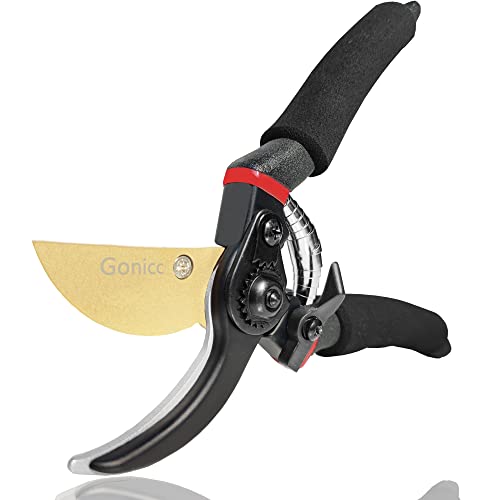
gonicc 8″ Professional Bypass Titanium Pruning Shears
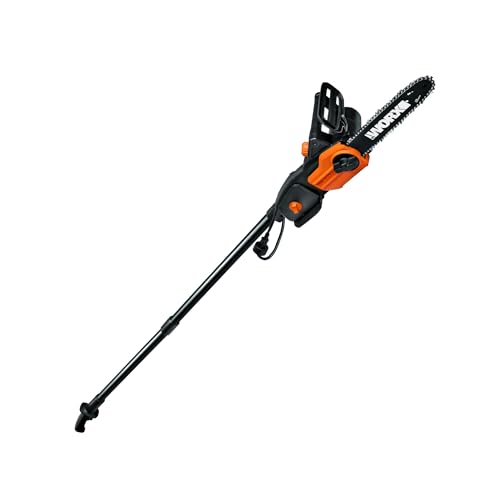
WORX Electric Chainsaw, 8 Amp 10″ 2-in-1 Pole Saw, WG311

WORX Cordless Pole Saw, 20V 8″ Chainsaw, WG349

Karveden 26FT Reach Pole Saw with Telescoping Extension Pole
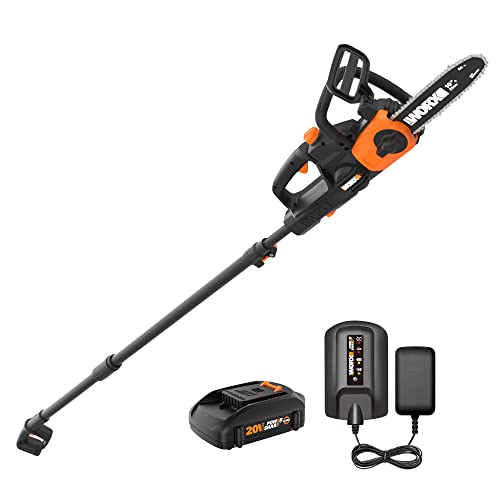
WORX Cordless Chainsaw, 20V 10″ 2-in-1 Pole Saw, WG323
A Closer Look At Each Pick
Where most pruning saws force a two-hand grip, the Milwaukee 12V 6-inch pruning saw slips into one hand like a fat chef’s knife. The compact bar favors homeowners who mostly need to clear suckers, thin out fruit trees, or knock back hedge regrowth without dragging out a full chainsaw setup. It runs on the M12 battery platform, so existing Milwaukee tool owners skip buying a new battery and charger outright.
For most backyards, the short bar is the real advantage: it reaches into the crotch of a tree where a 10-inch bar simply won’t fit. The trade-off shows up when a limb pushes past three inches thick, where the small bar starts to bog down and patience becomes the limiting factor.
Where It Helps
- One-handed operation feels closer to a knife than a saw, which helps during long shaping sessions.
- 6-inch bar slips into tight branch unions where longer bars cannot reach.
- M12 battery compatibility is a real cost saver for owners who already own Milwaukee tools.
- Light enough to use overhead without wrist fatigue, depending on the user’s grip strength.
Honest Caveats
- The short bar limits cutting diameter, so anything approaching four inches will test its patience.
- Battery and charger are often sold separately, adding to the real cost of ownership.
Right Fit For
Homeowners with existing Milwaukee batteries who want a nimble pruning saw for small limbs and detail cuts.
Skip It When
The Karveden 26FT Reach Pole Saw suits shoppers better when branches sit high overhead and the goal is staying on the ground.
These gonicc bypass shears sit in the category of tool you forget you’re holding. The drop-forged body gives them a solid, weighty feel, while the titanium-coated SK-5 steel blade handles the kind of green-wood snipping that dulls cheaper blades in a season. The PVC-wrapped aluminum handles stay grippy when gloves are damp or sap-covered.
For most backyard gardeners, the bypass design matters more than specs suggest. A bypass blade crosses like scissors and makes a clean cut on living wood, while anvil blades tend to crush stems on either side of the cut. A built-in sap groove helps keep the cutting action clean during long sessions with fruit trees or roses.
Reasons It Performs
- Titanium-coated SK-5 blade holds an edge through repeated cuts on live wood.
- Drop-forged body adds durability for years of seasonal pruning.
- PVC-wrapped aluminum handles stay grippy with wet gloves or sap-coated hands.
- Built-in sap groove keeps the cutting channel clear, reducing wipe-downs mid-job.
Points To Note
- Manual-only operation means thicker branches require a separate saw, not more squeezing.
- Coated blades benefit from occasional oiling to prevent the finish from spotting.
- Spring tension can feel stiff for smaller hands, depending on the user’s grip strength.
Feature Card
Whose Shelf It Belongs On
Backyard gardeners tending roses, fruit trees, and ornamental shrubs who want a durable hand pruner for detail work.
Where A Sibling Pick Shines
The Milwaukee 12V pruning saw suits shoppers better when branches exceed thumb-thick and hand strength becomes the limit.
The WG311 covers two jobs that usually demand two tools. The chainsaw head detaches from the extension pole, so the same motor powers both a handheld 10-inch chainsaw and a pole saw reaching up to about 10 feet. For homeowners clearing storm damage and pruning tall shrubs in the same afternoon, that flexibility pays off.
The corded 8-amp motor delivers consistent power without battery fade, which matters when a job runs past thirty minutes. Automatic chain lubrication and tool-free tension adjustment cut down on the small maintenance hassles that scare off first-time owners. The trade-off is the cord itself, which limits range and demands an outdoor extension cord.
What Helps Most
- 2-in-1 design converts between handheld chainsaw and pole saw without separate tools.
- Corded power avoids mid-job battery drops during longer cutting sessions.
- Automatic chain lubrication keeps the bar and chain in working order with minimal effort.
- Tool-free chain tensioning shortens the downtime between adjustments.
Trade Offs
- Cord length restricts movement, and dragging an outdoor cord through a yard adds setup time.
- At roughly 10 pounds, extended overhead use tires out shoulders faster than lighter pole options.
- Chain oil requires periodic refilling, depending on how often the saw runs.
Feature Card
Built With In Mind
Homeowners with outdoor power access who tackle thick branches and want a single tool for both ground and overhead cuts.
Look Elsewhere When
The WORX WG349 cordless pole saw suits shoppers better when yard layout makes running a cord impractical.
The WG349 trades raw power for portability. At roughly 8.8 pounds with the battery attached, it leans toward the lighter end of cordless pole saws, which matters during overhead work where every extra pound reaches the shoulders fast. The 20V battery platform shares cells with other WORX tools, so existing owners expand without buying a new charger.
For most homeowners, the cordless design simply removes obstacles. There is no extension cord to route around flower beds, and storage takes less space than the WG311 setup. The trade-off is battery runtime on thicker hardwood, where the smaller bar asks the motor to work harder than a 10-inch bar would.
Benefits That Matter
- Cordless setup removes the extension-cord hassle in yards with gardens or paths.
- Lightweight build (around 8.8 lbs) reduces shoulder strain during overhead trimming.
- 20V battery is shared across the WORX tool family, lowering long-term cost.
- Automatic chain lubrication and tool-free tensioning keep maintenance minimal.
Worth Bearing In Mind
- Smaller 8-inch bar handles thinner branches than the WG311’s 10-inch option.
- Battery runtime drops on dense hardwood, so longer jobs benefit from a spare battery.
Best Suited To
Homeowners with mid-sized yards and existing WORX batteries who want cordless freedom for routine limb work.
Swap It Out When
The WORX WG311 electric chainsaw suits shoppers better when consistent, all-day power matters more than cordless convenience.
The Karveden manual pole saw is the quietest pick on this list, literally and figuratively. No motor, no battery, no fuel, just a telescoping fiberglass-style pole and a detachable saw blade that reaches up to roughly 20 feet. The anti-slip handle and 19-inch detachable saw cover most of what a homeowner needs for overhead thinning.
For most users, the appeal is simplicity. Manual sawing trades time for control, since the operator decides the pace rather than a motor. The catch is physical effort, which makes thick hardwood branches a real workout on a long afternoon.
Real-World Strengths
- No fuel, battery, or cord required, which keeps operating costs near zero.
- Quiet operation works well in noise-restricted neighborhoods or early-morning sessions.
- Adjustable telescoping reach up to 20 feet covers most residential tree heights.
- Detachable saw head converts the pole into a handheld tool for low branches.
Where It May Fall Short
- Manual cutting demands real effort, so thick hardwood slows the job considerably.
- Reaching the full extension while controlling the blade takes practice for new owners.
- Long pole length requires adequate storage space in a garage or shed.
Feature Card
Who Should Grab It
Homeowners in quiet neighborhoods who want tall reach without motors, batteries, or extension cords.
Not Your Match When
The WORX WG323 2-in-1 pole saw suits shoppers better when thick hardwood or long cutting sessions demand motor-driven power.
The WG323 stretches further than the WG349 while keeping the cordless convenience. The chainsaw head detaches for handheld work, and the pole adds reach up to about 12 feet, which puts second-story branches within range without dragging out a ladder. At roughly 6.2 pounds for the chainsaw head alone, it leans toward the lighter end of cordless 10-inch options.
For most homeowners, the dual-purpose design pays off in storage and versatility. One tool covers ground-level bucking, mid-height pruning, and overhead cleanup. Auto-tension keeps the chain snug between cuts, which removes one of the small frustrations that discourage new owners from sticking with battery-powered saws.
Where It Delivers
- Detachable chainsaw head converts overhead tool into a ground-level handheld saw.
- Light 6.2-pound chainsaw head reduces wrist fatigue during handheld cuts.
- Auto-tension system keeps the chain properly adjusted without tools.
- 20V battery compatibility shares cells with the broader WORX tool family.
Soft Spots
- Pole reach tops out around 12 feet, which may leave very tall limbs out of reach.
- 10-inch bar adds weight at full extension, so shoulder endurance matters for longer sessions.
Perfect Match For
Homeowners wanting one cordless tool for both ground-level bucking and mid-height pruning in the same yard session.
Consider Something Else When
The Karveden 26FT Reach Pole Saw suits shoppers better when the priority is maximum overhead reach without motor noise.
Picking The Right Cutting Tool For Tree Branches
Start with the tallest branch that needs attention, because reach usually dictates the tool category. Ladder-free work matters for safety, so pole saws earn their keep whenever limbs sit higher than a comfortable step. The Karveden manual pole and the WORX cordless options both keep feet on the ground, but they differ on power source and effort. Pick the category that matches the yard, then narrow by weight and bar length.
Cutting capacity drives the next decision. A 6-inch bar handles thumb-thick to wrist-thick limbs cleanly, while 8 to 10-inch bars push into arm-thick territory. Bar length adds weight, though, so a longer bar only helps if the saw will actually meet thicker wood. For most residential yards, an 8-inch cordless bar covers the common case without overworking the operator.
Power source shapes the rest of the experience. Cordless saws trade runtime for portability, corded saws trade mobility for consistent power, and manual saws trade effort for silence and simplicity. Matching the source to the yard layout, available outlets, and noise tolerance keeps frustration low. Battery platform compatibility also matters: shoppers already inside the Milwaukee M12 or WORX 20V ecosystem save real money by expanding instead of starting over.
Key Considerations Across These Picks
Where Shoppers Go Wrong
The most common slip is buying a pole saw for branches that don’t actually need pole reach. A telescoping pole adds weight and reduces control, so using one for low, ground-level cuts turns a quick chore into awkward overhead work. Matching tool height to the job keeps cuts clean and wrists rested.
Battery and charger bundles deserve a careful read, too. Many cordless options list the tool only, then quietly add the battery and charger at checkout. Shoppers who already own a compatible platform save by skipping those bundles, while first-time buyers need to budget for the full kit.
Where The Extra Money Goes
Stepping up from a manual pole saw to a cordless or corded model buys motor power, faster cuts, and reduced physical effort. The premium on a 10-inch bar over an 8-inch bar pays off when limbs push past four inches thick, since the longer bar clears the cut without forcing the motor to stall. Auto-tension and tool-free chain adjustment add small but meaningful maintenance savings over the life of the saw, which matters most for owners who prune seasonally rather than weekly.