
Camping used to mean trading Wi-Fi for starry skies. That tradeoff has changed fast. Today, a reliable internet connection in a remote tent site or RV park is less about luxury and more about navigation, safety comms, and staying reachable when cell towers simply aren’t there. The challenge is finding gear that handles real outdoor conditions: spotty signal, weather exposure, and a battery that can’t always reach an outlet.
The right setup depends on the trip. A full week of remote work from a camper calls for more bandwidth than a quick weekend with a phone hotspot. Use this roundup to match the kit to the camp, the rig, and the routine.
The Leading Options At A Glance
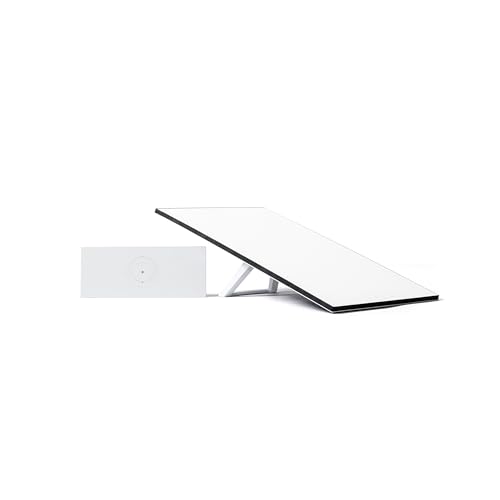
STARLINK Standard Kit AX 4 X Tri Band Wi-Fi System

GlocalMe MeowGo G50Max 5G Portable WiFi
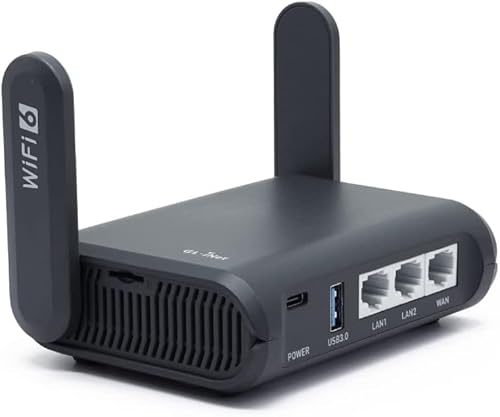
GL.iNet GL-AXT1800 Slate AX Pocket-Sized Wi-Fi 6 Travel Router

GL.iNet GL-MT3000 Beryl AX Wi-Fi 6 Travel Router

GlocalMe MeowGo G50Max 5G Mobile Hotspot
Taking A Closer Look At The Options
The Starlink Standard Kit is the only true satellite internet system in this lineup, using a phased-array dish (an antenna that electronically steers its signal toward satellites without moving parts) to pull bandwidth directly from low-earth orbit. For campers who spend a week or more in a single remote location, that architecture delivers a fundamentally different experience than the portable hotspots below. Setup follows a two-step approach: plug in the dish, point it at open sky, and the included tri-band router takes over.
Where Starlink pulls ahead is throughput and latency (the tiny delay before data starts moving, measured in milliseconds), which supports video calls, cloud sync, and streaming in places a cellular hotspot can’t reach. Compared to the GlocalMe G50Max units, this is a stationary base camp solution rather than a pocketable travel companion. It demands clear sky, a power source, and a willingness to leave the dish mounted for the duration of the stay.
What Stands Out
- True satellite broadband rather than a cellular relay, reaching campsites with zero cell coverage
- Integrated tri-band router (a Wi-Fi unit broadcasting on three frequency bands simultaneously) supports many devices across an entire RV or base camp
- Two-step physical setup, with the kit shipping complete so no extra hardware is needed
- Service plans tailored to roaming or residential use let campers match the subscription to trip length
Things To Consider
- Requires an active Starlink service plan on top of hardware, and signal drops under heavy tree canopy
- The dish needs stable mounting and a steady power feed, which can be awkward in tent-only setups
Built With In Mind
RVers and overlanders running multi-week trips in genuinely remote terrain who need real bandwidth for work or family streaming.
Consider Something Else When
The GlocalMe MeowGo G50Max 5G Portable WiFi is the better match for backpackers or short-trip campers who can’t justify the dish footprint or service commitment.
The MeowGo G50Max sits in the middle ground: a 5G mobile hotspot that also supports NTN satellite communication (Non-Terrestrial Network, meaning the device can reach satellites directly, not just cell towers) for SMS when no cellular signal exists. For campers moving between campgrounds, that dual-path approach is genuinely useful. The unit is small enough to slip into a daypack and runs on its own battery, so there’s no tether to the vehicle.
Coverage of the satellite SMS function spans 38 countries, with 30 satellite messages included monthly for the first three months. The Wi-Fi 6 hotspot (the latest generation of Wi-Fi, offering faster speeds and better handling of multiple devices than older standards) handles typical campsite traffic, though for most users the satellite path is a safety feature rather than a primary data link. Where this differs from the larger sibling below, both GlocalMe units, is the same hotspot hardware, but this listing emphasizes the portable form factor.
Where It Delivers
- Combined 5G and NTN satellite SMS means the device still reaches emergency contacts when cell signal disappears
- Self-contained battery removes dependence on a vehicle outlet during day hikes
- Wi-Fi 6 supports multiple devices around a tent or camper at once
- Multi-country satellite coverage suits campers crossing borders or traveling internationally
Worth Noting
- Satellite SMS after the included three months will require a continued subscription
- Hotspot speed depends entirely on local 5G coverage; rural campsites may fall back to 4G
Key Specs
Who It Suits Best
Active campers and weekend adventurers who want a single device for daily hotspot duty and emergency satellite texting.
Not Your Match When
The STARLINK Standard Kit AX 4 X Tri Band Wi-Fi System suits long-stay base campers who need full internet rather than just SMS safety access.
The Slate AX is not a satellite terminal. It’s a pocket-sized travel router, the kind of device that takes a single internet source and turns it into a private Wi-Fi network for phones, laptops, and tablets. For campers who already rely on a phone hotspot or a MiFi unit (a small, dedicated mobile hotspot device that creates its own Wi-Fi bubble), this router adds polish, security, and multi-device support without taking up space.
The built-in VPN client (a tool that encrypts the internet connection and routes it through a remote server for privacy) matters more than casual campers might expect. Public campground Wi-Fi is rarely secure, and a VPN at the router level protects every connected device at once. IPv6 support (the newest internet addressing standard, which the router handles natively) and the ability to connect to up to 120 devices make this a quiet workhorse for tech-heavy groups. Compared to the Beryl AX below, the Slate AX trades the faster WAN port (the wide-area network input that connects the router to the internet source) for a smaller build.
Everyday Advantages
- Dual-band Wi-Fi 6 with combined 1800 Mbps throughput handles streaming and work calls for small groups
- Pre-installed OpenVPN and WireGuard (two of the most common VPN protocols, the rules that govern how encrypted connections are established) mean the device ships ready for private browsing
- Compact chassis fits a backpack pocket or glove box without adding weight
Room For Improvement
- No native cellular or satellite modem, so an existing hotspot or tether is required
- Advanced OpenWrt features (open-source router software that lets users deeply customize their network settings) carry a learning curve for non-technical users
Right Fit For
Privacy-conscious travelers using existing cellular service who want a secure shared network across phones and laptops.
A Better Fit Elsewhere
The GlocalMe MeowGo G50Max 5G Portable WiFi is the smarter pick for campers who don’t already have a hotspot and need internet built in.
The Beryl AX is the step-up sibling to the Slate AX, adding a 2.5G WAN port (a network input capable of 2.5 gigabits per second, ten times faster than older standard ports) that future-proofs the router for faster upstream sources. For campers tethering to a 5G hotspot or a Starlink connection, that headroom matters when multiple users are pushing bandwidth at once.
It runs the same OpenWrt-based firmware (the underlying operating system that powers the router) as the Slate AX, which means the VPN and custom DNS options are familiar. The hardware difference shows up mostly in wired speed and slightly larger thermal headroom under sustained load. Compared to the Starlink kit at the top of this list, the Beryl AX is the accessory that makes that dish easier to live with at a busy base camp.
What Earns Its Place
- 2.5G WAN port removes the bottleneck when paired with high-throughput sources like Starlink
- Same VPN and OpenWrt flexibility as the Slate AX, with more processing headroom
- Strong fit for families running multiple work calls, streams, and gaming sessions in parallel
Points To Note
- Larger footprint than the Slate AX, so it earns less space in ultralight packs
- No built-in cellular modem, so it still relies on an upstream hotspot or dish
Quick Facts
Best Suited To
Group campers, digital nomads, and families running high-bandwidth setups that benefit from a faster wired pipeline.
Skip It When
The GL.iNet GL-AXT1800 Slate AX is plenty for solo travelers or couples who don’t push the 2.5G WAN to its limits.
The G50Max 5G Mobile Hotspot is essentially the same hardware as the portable unit reviewed above, but the framing shifts toward an always-on mobile data plan. For campers who already pay for a GlocalMe data plan and want a dedicated hotspot device for the trail, this is the simpler listing. NTN satellite SMS support stays in place as a fallback when cell signal drops out.
The trade-off versus the dedicated portable unit is mostly one of positioning. The two G50Max listings cover very similar feature sets, so the choice comes down to which carrier plan and bundle works out. If the campsite lifestyle is genuinely mobile, this hotspot does the job without adding weight or a second device to charge. For most weekend campers, you may find this is enough without stepping up to a satellite dish.
Everyday Perks
- Compact mobile hotspot with no need for an external modem or tether
- NTN satellite SMS keeps a texting lifeline open when no cell tower is within range
- Wi-Fi 6 handles typical phone-and-laptop pairings smoothly
Small Caveats
- Performance depends on local 5G coverage, which is unreliable at remote campsites
- Functionally overlaps with the other G50Max listing, so cross-check the included plan before ordering
Perfect Match For
Lightweight travelers who want one device for both daily hotspot use and a satellite safety net on the trail.
Where A Sibling Pick Shines
The STARLINK Standard Kit AX 4 X Tri Band Wi-Fi System is the right call for base-camp stays where true broadband beats any cellular fallback.
Matching Satellite Internet To Your Camping Style
Choosing the right satellite internets for camping comes down to trip length, terrain, and how the connection will actually be used. A weekend camper in a developed state park needs very different hardware than someone overwintering in an off-grid cabin. Start by mapping the realistic coverage gap: are there cell towers nearby, or is the site genuinely outside carrier footprints? That answer alone rules out half the options.
Power and portability matter more than spec sheets suggest. A satellite dish that needs a hardwired power feed is impractical for tent camping but ideal for an RV with shore power. Hotspots that run on internal batteries trade peak throughput for the freedom to hike away from camp. Matching the form factor to the vehicle or pack prevents the common frustration of buying gear that never leaves the storage bin.
Consider the data path, not just the headline speed. Latency affects video calls, jitter (small, unpredictable variations in delay that make audio and video choppy) affects streaming, and upload speeds matter for anyone sending photos or working in the cloud. A spec that looks strong on paper may disappoint if the bottleneck sits elsewhere in the chain, especially on shared cellular networks during peak hours.
Picking The Right Tier For Your Trips
Traps First Timers Fall Into
The most common mistake is buying a satellite dish expecting cell-like convenience in dense forest. Trees block signals from low-earth orbit constellations far more than people anticipate, and even a clear line of sight from the ground may not help if canopy cover sits overhead. Test your usual sites before committing to a full kit.
Another pitfall is overlooking the data plan. A 5G hotspot with no active plan is just a battery, and a Starlink dish without a roaming subscription goes dark the moment it powers on. Factor subscription cost and pause rules into the hardware decision rather than treating them as an afterthought.
When Paying More Pays Off
Higher-tier models earn their premium in three areas: throughput under load, VPN and security features, and connection resilience when one path fails. The Beryl AX pays for itself in setups where multiple people stream or work at once. The Starlink kit justifies its position when no cellular option exists at all. Premium becomes smart spending where the trip, the team, or the terrain demands the extra headroom.
Wrap Up
The right satellite internet for camping depends on the kind of trip being planned. A full satellite dish serves base-camp stays, while a 5G hotspot with satellite SMS handles weekend adventures. Travel routers layer security and multi-device support on top of either choice. Match the hardware to the camp, the rig, and the bandwidth the trip actually needs.