
RV propane systems live a hard life. Vibration, temperature swings, and that one forgotten annual inspection slowly erode the regulator most owners never think about until a burner starts acting moody or the fridge quits on a hot afternoon. A reliable regulator keeps pressure steady so the stove, furnace, and water heater all behave the same at a desert campground or a mountain trailhead.
This roundup covers seven solid options spanning basic two-stage regulators, gauge-equipped hose assemblies, a brass POL adapter, and a high-pressure unit for demanding setups. Every pick is sized around real RV and outdoor-cooking use, not lab benchmarks.
The Choices Worth Comparing

Goss go xp-234 Regulator

GASPRO POL to QCC-1 Propane Adapter

Detoypapa 2-Stage Propane Regulator with Stainless Hose

Detoypapa 5FT RV Propane Regulator with Gauge

Detoypapa RV Propane Regulator with Gauge, POL

Detoypapa 6FT Propane Regulator Hose with Gauge
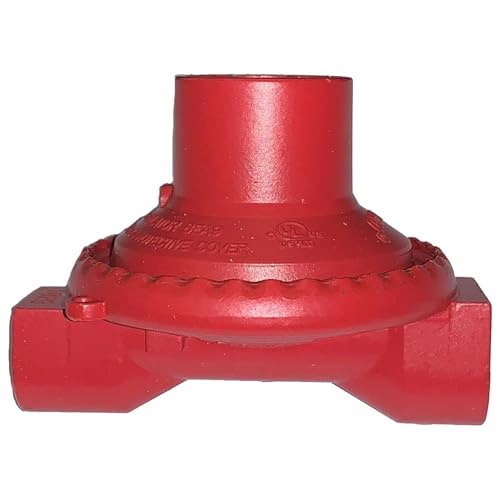
Fairview GR-630B RV High-Pressure Propane Regulator
A Closer Look At Each Pick
The Goss go xp-234 is a familiar sight under RV compartments and inside outdoor-cooking setups. It functions as a two-stage regulator, which simply means it drops tank pressure twice in sequence rather than once, producing a smoother, more stable line pressure at the appliance end. That smoother delivery is what keeps a fridge flame steady when other appliances kick on.
Most owners wire this unit in as a direct replacement on a worn-out stock regulator, especially on trailers that have logged many seasons. For anyone running a fairly standard RV with a single tank and modest appliance demand, the xp-234 tends to slot in without drama.
Bright Spots
- Two-stage design smooths pressure swings when multiple appliances run at once.
- Compact body fits where the original regulator sat, with no bracket reworking.
- Long-standing design means replacement parts and hose pigtails are easy to source.
- Handles the typical coach demand for a fridge, water heater, furnace, and stove simultaneously.
Things To Consider
- No built-in gauge, so checking performance requires a manometer or visual flame inspection.
- Like many regulators of this generation, the internal diaphragm can harden after years of heat exposure, eventually leading to lazy flame recovery on cold mornings.
Whose Shelf It Belongs On
Owners of older trailers and motorhomes who need a drop-in replacement and value a design that has been on the market long enough to be well understood.
Swap It Out When
RVers who want an on-board pressure readout should step up to the Detoypapa 5FT RV Propane Regulator with Gauge for a visible tank-status check at a glance.
The GASPRO adapter solves a very specific problem that catches a lot of first-time RV owners off guard. Older propane tanks use a POL fitting, while modern regulators and hoses use the QCC-1 (Type-1) connection. This little brass fitting bridges the two so a 100-pound LP tank can hook up to today’s hardware.
Built from solid brass, the adapter resists corrosion at the tank valve where moisture tends to collect. Anyone with an older refillable tank, a fire pit, or a camp stove that uses a modern regulator will find this part removes a frustrating bottleneck.
Where It Delivers
- Converts an older POL tank to a modern QCC-1 hose or regulator with one fitting.
- Solid brass resists the rust and pitting common at the tank valve.
- Useful across BBQs, heaters, fire pits, camping stoves, and 100-pound RV tanks.
- Tiny footprint leaves room in crowded propane lockers.
Worth Noting
- This is purely an adapter, not a regulator, so it must be paired with a proper two-stage regulator downstream.
- Hand-tighten only and use thread sealant rated for propane, since over-torquing can crack the brass body over time.
Right Fit For
RV owners and backyard cooks holding onto a classic 100-pound tank and wanting to use it with newer regulators or grills.
Consider Something Else When
Anyone needing a complete regulator-and-hose assembly is better served by the Detoypapa 5FT RV Propane Regulator with Gauge, which bundles both pieces.
This Detoypapa assembly bundles a two-stage regulator, a five-foot stainless steel hose, and a built-in pressure gauge into a single unit. The gauge reads tank-side pressure, giving a quick way to confirm the system is up before lighting anything, and helps flag a stuck valve or empty tank without guesswork.
Compatible with QCC-1 (Type-1) tanks and rated up to 180,000 BTU, the unit covers demanding gear like gas generators and large outdoor cookers. The 3/8-inch female flare outlet suits most RV appliances and high-BTU grills. It is a versatile middle-ground pick for owners who run both an RV and a backyard setup.
A Favorable Mix
- On-board pressure gauge cuts down on troubleshooting time when a flame behaves oddly.
- Two-stage regulation keeps the line smooth even when a generator pulls hard.
- Stainless steel hose tolerates the kind of scraping and weather exposure that destroys rubber.
- Tool-free tank connection makes setup at a new campsite quick.
Trade Offs
- Stainless braid can kink if wrapped too tightly for storage, which stresses the inner hose over time.
- Higher BTU rating than most RV appliances need, so the gauge resolution can feel coarse for low-demand use.
Feature Snapshot
Made For
RVers and tailgate cooks who want one assembly that swaps between a generator, a grill, and the RV without re-plumbing.
Reach For A Different Pick When
Owners running POL-style tanks should pick the Detoypapa 5FT RV Propane Regulator with Gauge, which is set up for that older connection.
Most older RV propane tanks, especially the 20- and 30-pound portable cylinders, still use a POL inlet. This Detoypapa regulator matches that reality with a standard POL connection on the tank side and a 3/8-inch female NPT outlet for the appliance end. A five-foot hose and a built-in gauge round out the assembly.
For owners running a smaller portable tank on a travel trailer, a camper van conversion, or a secondary patio rig, this unit removes the need for a separate adapter like the GASPRO. The gauge makes it easy to confirm the tank valve is open and the regulator is doing its job before heading out for a long drive.
Useful Strengths
- POL inlet suits the common portable cylinders still in service on older trailers.
- Gauge offers immediate feedback when diagnosing flame problems.
- 3/8″ female NPT outlet is a standard pipe thread for many RV appliance ports.
- Tool-free handwheel connection to the tank for fast campsite setup.
Points To Keep In Mind
- NPT outlet is pipe thread, not flare, so it requires proper sealant and may not match every appliance without an extra fitting.
- Not a fit for tanks with a QCC-1 valve without adding an adapter.
Quick Facts
Perfect Match For
Travel trailer owners running portable POL-style cylinders who want a single regulator assembly with a visible pressure readout.
Look Elsewhere When
Anyone needing high-pressure output for generators or large burners should consider the Fairview GR-630B, which delivers 30 PSI at far higher capacity.
This Detoypapa regulator shares the same POL-to-3/8-inch-NPT format as item 4 but adds a couple of meaningful extras. Built-in overflow protection shuts the unit off if pressure spikes suddenly, which is the kind of safety margin that matters on rough roads and high-altitude routes. A pressure gauge and tool-free tank connection finish the package.
Available in 5-foot and 10-foot hose versions, it suits anything from a tidy truck-bed camper to an overland build with the tank stowed low and the cooktop mounted high. Output is rated at 11 inches water column with a 16,000 BTU per hour capacity, which is the standard target for most RV appliances.
Benefits That Matter
- Overflow shutoff guards against sudden pressure spikes from a faulty valve.
- Hose-length options let the owner match the rig’s plumbing without splicing.
- POL inlet fits portable tanks from 20 to 100 pounds.
- Quick-connect handwheel simplifies the dark, fumbling moments of a night swap.
A Few Limitations
- Lower BTU ceiling than the stainless-braided Detoypapa item 3, so it is not the right match for big generators.
- NPT outlet still requires proper sealant at installation.
Key Product Details
Best Suited To
Overlanders, van-lifers, and trailer owners who travel bumpy roads and want an extra layer of pressure protection beyond a standard regulator.
A Better Fit Elsewhere
RVers who run a generator on the same propane feed should pick the Fairview GR-630B, which is built for high-BTU, high-pressure demand.
This 6-foot assembly leans toward outdoor cooking rather than the RV’s internal gas system. The regulator body is die-cast aluminum with solid brass fittings and a stainless steel braided hose, giving the assembly a mix that handles backyard weather well. A built-in gauge confirms tank pressure at a glance.
The QCC-1 inlet and 3/8-inch female flare outlet match common grills, gas stoves, water heaters, and RV appliances. The 6-foot hose gives more reach between the tank and the appliance than shorter options, which helps when the tank sits on the ground behind a large grill island.
Everyday Wins
- Aluminum body and brass fittings combine corrosion resistance with solid sealing.
- Six-foot length reaches across patio setups where shorter hoses come up short.
- Universal QCC-1 compatibility keeps it in rotation across multiple appliances.
- Tool-free tank connection simplifies cookout setup and teardown.
Honest Caveats
- Mild vibration and airflow can nudge the gauge needle during operation, which is normal but can look alarming to a first-time user.
- Stainless braid benefits from being coiled loosely in storage, since tight wraps can fatigue the inner liner.
Who Should Grab It
Backyard cooks and tailgaters who want one regulator hose that works across a grill, a side burner, and the occasional RV appliance.
Where Another Pick Suits Better
RVers running a portable POL cylinder should grab the Detoypapa 5FT RV Propane Regulator with Gauge, which is set up for that older tank connection.
Most of the regulators on this list deliver 11 inches water column, which is exactly what RV appliances expect. The Fairview GR-630B is different, delivering a fixed 30 PSI outlet for setups that demand pounds of pressure rather than inches. That includes large heaters, generator hookups, and dual-tank configurations running under full load.
Rated at 500,000 BTU per hour and measuring just 4.02 by 3.35 by 2.8 inches, this compact unit packs serious throughput into a small body. The 1/4-inch FPT inlet and outlet threads into standard propane plumbing fittings. For an RV running multiple high-BTU appliances simultaneously or a generator tied into the same system, this regulator is built for that workload.
Well-Handled Touches
- 30 PSI output supports appliances and setups that low-pressure regulators cannot feed.
- 500,000 BTU/hr capacity handles dual-tank systems and large generators.
- Compact dimensions let it fit in tight under-hood and compartment locations.
- Lightweight body, around 7 ounces, simplifies bracket mounting.
Practical Considerations
- 30 PSI is too much pressure for standard RV appliances, which expect 11″ water column, so this regulator belongs in a specific high-pressure part of the system, not the main coach line.
- 1/4-inch FPT fittings require proper sealant and may need adapters to integrate with existing RV plumbing.
Feature Overview
Who Will Love This
Owners running dual-tank systems, high-demand generators, or specialty appliances that need real pounds of pressure rather than the usual low-pressure RV feed.
Not Your Match When
A typical single-tank RV running a fridge, furnace, and stove should stay with the Goss go xp-234, which delivers the standard pressure those appliances need.
What To Weigh Before Choosing RV Propane Regulators
Start with the connection on the tank. Modern RV propane cylinders use a QCC-1 (Type-1) valve with a handwheel, while older cylinders and many portable bottles still use the older POL fitting. Mismatched connections are the single most common reason a new regulator never makes it past the first turn of the wrench.
Pressure rating matters next. Most RV appliances, including the fridge, furnace, stove, and water heater, expect 11 inches water column, which is the standard low-pressure output. High-pressure regulators that deliver pounds of PSI feed specialty gear like generators or large aftermarket heaters, and should not be used on standard appliances.
Hose length and material influence how cleanly the regulator fits into a compartment. Rubber hose is flexible and quiet but degrades under UV. Stainless braided hose resists abrasion and weather but can kink if stored carelessly. Match the hose length to the actual distance between tank and appliance, plus a service loop for movement on rough roads.
Built-in gauges are worth prioritizing for anyone who has ever debugged a moody flame at dusk. A visible pressure readout cuts a frustrating troubleshooting session down to a glance.
Common Slip Ups Shoppers Run Into
Pitfalls Shoppers Hit
Buying by picture without checking the tank connection is the most expensive mistake. A QCC-1 regulator on a POL tank, or vice versa, simply will not thread on. Confirm the tank fitting before ordering, and grab an adapter like the GASPRO brass unit if the match is not direct.
Overlooking the pressure class is a close second. A 30 PSI high-pressure regulator on a standard RV appliance will flood the burner with too much gas. Match regulator pressure to the appliance, not the other way around.
Where The Extra Money Goes
Higher-tier regulators typically deliver two real advantages: tighter pressure tolerance and better internal sealing under vibration. For most weekend RVers, a mid-grade two-stage unit is more than enough. Owners who travel full-time, run dual-tank auto-changeover systems, or feed demanding appliances will feel the difference when a cheaper regulator drifts out of spec after a few seasons.
The Takeaway
The right RV propane regulator comes down to matching the tank connection, pressure class, and hose length to the actual rig, not the most expensive box on the shelf. Standard setups run happily on a proven two-stage unit with a gauge, while specialty high-pressure gear belongs only where pounds of pressure are required. Pick to the system, and the gas will flow quietly for seasons to come.