
Keeping food cold and cabins comfortable on the road depends on gear that handles vibration, tight space, and unpredictable power. This roundup covers six options worth a look: two rooftop RV air conditioners for whole-rig cooling, plus four portable 12V compressor fridges that slide into a cargo bay, behind a seat, or on a picnic table. The mix spans small weekenders, long-haul couples, and anyone outfitting a camper van from scratch.
A Closer Look At The Lineup
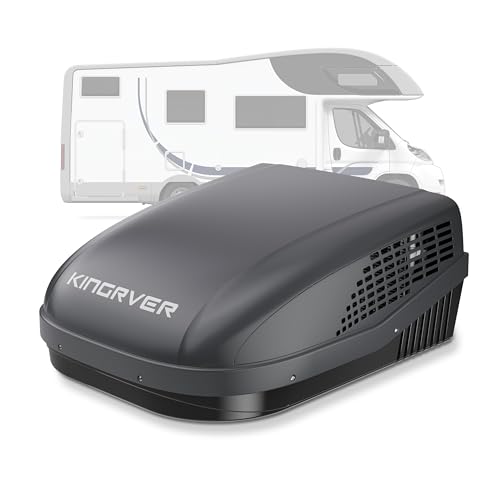
KINGRVER RV Air Conditioner 18K BTU (Ducted, Gray)

ICECO VL45 Portable Refrigerator 45L with Insulated Cover
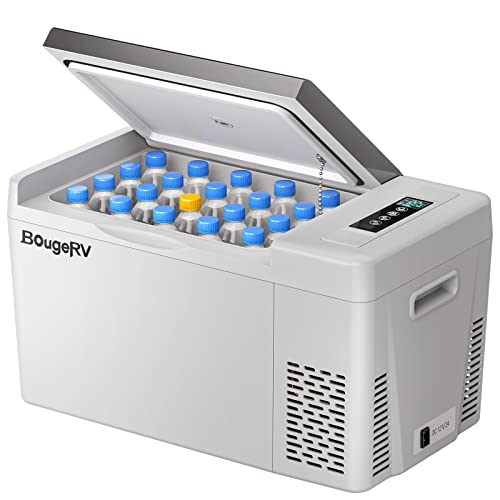
BougeRv 12V Refrigerator 23 Quart Portable Freezer (Grey)

Aeitto 12V Car Refrigerator 32QT Dual Zone

KINGRVER RV Air Conditioner 18,000 BTU Non-Ducted (White)

Kndko 12 Volt Refrigerator 68QT with Wheels
Why These Options Stand Out
Rooftop AC units live a rougher life than a window unit at home, and this KINGRVER model is built for that reality. The 18,000 BTU output (BTU, or British Thermal Units, is a measure of how much heat an air conditioner can remove per hour) targets medium to large rigs where a smaller unit struggles on a 95-degree day. Setup requires both 115V AC shore power and 12V DC battery feed, so plan wiring ahead of install.
For full-time RVers running ducted ceilings, the steady output and remote adjustments make hot afternoons less of a project. Compared to portable fridges, this is a different category entirely: it cools the cabin, not the food.
What It Does Well
- 18,000 BTU output covers medium to large RV interiors on the hottest travel days.
- Ducted design distributes cooled air through ceiling vents for balanced room comfort.
- Remote and app control let you tweak temperature and fan speed from a bunk or cab seat.
- Flexible fan speeds help balance airflow against noise in sleeping hours.
Trade Offs
- Requires both 115V AC and 12V DC wiring, which adds install time for retrofits.
- Rooftop mounting means checking the roof structure and sealing around the unit annually.
- Cooling-only operation: no heat pump for shoulder-season mornings.
Who Will Love This
Full-time RVers with ducted ceiling rigs in hot climates who want set-and-forget cabin cooling.
A Better Fit Elsewhere
Shoppers without existing ductwork should look at the non-ducted KINGRVER 18,000 BTU model reviewed below.
ICECO’s VL45 sits in the sweet spot for weekend warriors who want real fridge performance without dedicating a cargo bay. The SECOP compressor (a German-engineered compressor widely used in high-end portable refrigeration) is the kind of component that separates cheap thermoelectric coolers from gear that genuinely keeps food safe in summer.
At 45 liters, it holds roughly 70 cans, enough for a couple on a long weekend. The included insulated cover adds a thermal buffer that helps on hot days and protects the shell from scuffs in tight storage.
Real-World Strengths
- SECOP compressor runs efficiently and keeps cooling even at a 40-degree tilt, useful on rough forest roads.
- 0°F to 50°F range covers everything from frozen meat to chilled drinks.
- Both DC 12/24V and AC 110-240V cords come in the box for vehicle and home use.
- MAX and MIN modes let you choose fast pull-down or quieter running overnight.
Points To Note
- 45 liters runs out fast for families cooking full meals on extended trips.
- Compressor hum is audible at MAX mode in a quiet cabin.
Key Attributes
Right Fit For
Couples and solo travelers running two- to four-day trips who want compressor cooling without a full-size build-out.
Look Elsewhere When
Families feeding four people on a week-long trip should reach for the larger Kndko 68QT Electric Cooler reviewed below.
Twenty-three quarts sounds modest until you load it with a weekend’s worth of frozen bait, road snacks, and a few cold drinks. BougeRv packs a real compressor cooling range of -8°F to 50°F into a box small enough to slide behind a truck seat or strap to a kayak deck.
The fast pull-down spec, around 15 minutes to drop from room temperature to 32°F, is genuinely useful after loading warm groceries at a general store. Smaller than the ICECO VL45 above, this trades capacity for a footprint that fits awkward spaces.
Features That Help
- True freezer capability down to -8°F for ice cream, frozen meals, or catch-of-the-day.
- Compact 23-quart footprint fits behind seats and on tailgate platforms.
- DC and AC cords included for vehicle and outlet use.
- Lightweight enough to reposition around the rig as needed.
Honest Caveats
- 23 quarts fills up fast for couples cooking full dinners over multiple days.
- Smaller interior means ice has to be rationed on hot afternoons.
Built With In Mind
Solo travelers, anglers, and day-trippers who want a real freezer in the smallest package possible.
Swap It Out When
Anyone feeding two or more people over several days should pick the ICECO VL45 Portable Refrigerator for the extra capacity.
Dual-zone portable fridges solve a problem single-chamber units can’t: keeping ice cream frozen and salad crisp at the same time. The Aeitto 32QT runs two independent compartments, each with its own temperature setting across a broad -4°F to 68°F range.
Thirty-two quarts splits into usable portions for a couple running a week-long trip with mixed frozen and refrigerated goods. The cooling range reaches lower than many competitors, useful for true ice-cream-grade freezing.
Everyday Wins
- Independent zones let one side run as freezer while the other chills drinks and produce.
- Wide -4°F to 68°F range covers deep-freeze and light-chill needs.
- 32-quart total capacity suits couples and small families comfortably.
- Compressor cooling handles tilt and vibration better than thermoelectric coolers.
Things To Consider
- Dividing 32 quarts between two zones means each side is smaller than expected.
- Two-zone control adds a learning curve when first loading the unit.
Quick Facts
Perfect Match For
Couples and small families who want to keep both frozen and refrigerated items in a single box.
Reach For A Different Pick When
Shoppers needing more raw volume for long-haul trips should consider the Kndko 68QT Electric Cooler.
The non-ducted sibling to the first KINGRVER unit handles rigs without existing ceiling ductwork. For older RVs, van conversions, and budget retrofits, that simpler install path is often the deciding factor.
Output stays at 18,000 BTU, so cooling performance matches the ducted version. You give up the even air distribution through ceiling vents in exchange for a more straightforward roof cut and shorter install day.
A Few Strong Suits
- Non-ducted design simplifies roof installation in older rigs without ceiling vents.
- Same 18,000 BTU cooling output as the ducted model for consistent performance.
- Remote and app controls for adjusting settings from anywhere in the rig.
- Multiple fan speeds help balance airflow against cabin noise.
A Few Limitations
- Air distribution relies on a single ceiling outlet rather than multi-room ducts.
- Requires both 115V AC and 12V DC connections, same as the ducted model.
Who Should Grab It
Owners retrofitting a non-ducted rig or replacing an aging rooftop unit without rewiring ceiling vents.
Not Your Match When
Anyone with existing ductwork should pick the ducted KINGRVER 18K BTU for better whole-rig airflow.
Big families and week-long road trips need volume more than clever features. Kndko’s 68QT portable cooler answers that call with a claimed 92-can capacity and built-in wheels that save your back at every rest stop.
Dual-zone control keeps frozen and chilled goods separated, and the compressor pulls down from 68°F to 32°F in roughly 15 minutes by the manufacturer’s spec. Tow it from the SUV to the picnic table without dragging.
The Good Stuff
- 68-quart capacity holds a full week of groceries for a small family.
- Built-in wheels and handle make repositioning realistic at any age.
- Dual-zone design splits fridge and freezer duties across two compartments.
- Fast compressor pull-down gets cold air moving quickly after loading warm items.
Where It May Fall Short
- Large footprint won’t fit behind most vehicle seats; plan cargo space accordingly.
- Heavier than smaller units, which affects fuel economy on small tow vehicles.
- Wheels help on pavement but struggle on soft ground at remote campsites.
Feature Snapshot
Made For
Long-haul families and group campers who need real volume and don’t mind dedicating cargo space to it.
Where Another Pick Suits Better
Solo travelers and couples packing light will find the BougeRv 12V Refrigerator 23 Quart easier to live with day-to-day.
Picking the Right Rv Cooler for Your Rig
Choosing between a rooftop AC and a portable fridge comes down to one question: are you trying to cool the cabin or the food? These are different jobs, and this list deliberately covers both. Within each, capacity and power draw usually decide the rest.
For portable 12V fridges, compressor quality matters more than any other spec. A SECOP or equivalent German-engineered compressor handles tilt, vibration, and sustained cooling better than cheaper alternatives. Capacity in quarts maps roughly to meals: 23 quarts covers one person for a long weekend, 32 to 45 quarts fits a couple, and 65+ quarts suits families running week-long trips. Dual-zone designs add flexibility when frozen and refrigerated goods share a box.
Power draw deserves real attention. A 12V fridge running off a starter battery without a proper deep-cycle (a battery designed for repeated deep discharge, unlike a starter battery built for short bursts) setup will leave you stranded. Plan for a house battery bank, a charging source, and adequate ventilation around the compressor.
For rooftop AC units, BTU output and ductwork determine fit. The 18,000 BTU KINGRVER models cover medium to large rigs, but smaller campers may overshoot and waste power. Ducted versus non-ducted matters most during install: ducted rigs need ceiling vents and plenum boxes, while non-ducted units drop in with a simpler roof cut. Either way, plan for both 115V AC and 12V DC wiring before purchase.
Key Considerations Across These Picks
Where Shoppers Go Wrong
The most common misstep is matching a fridge to a battery setup that can’t sustain it. A 12V compressor draws meaningful current, and a weak house battery will drain overnight in warm weather. Equally common, shoppers pick a rooftop AC sized for a Class A motorhome and install it in a small camper van, ending up with short-cycling (frequent on/off cycles that wear the compressor and waste power) and poor humidity control. Measure ceiling opening, confirm ductwork presence, and verify battery capacity before adding to cart.
When Paying More Pays Off
Higher-tier portable fridges earn their keep through compressor quality, insulation thickness, and dual-zone control. A SECOP compressor in the ICECO VL45 runs cooler, quieter, and longer than budget alternatives, which translates to lower battery drain and longer service life. For rooftop units, the upgrade path mostly affects install complexity rather than daily comfort, so spending up matters more on the fridge side than the AC side.