
Cooking outdoors from a rig changes the rules. Counter space is scarce, weight matters, and the cook has to set up fast at the campsite or tailgate. The right RV barbecue grills turn a small patio into a kitchen, and the wrong ones rattle around the storage bay until somebody gives up. This shortlist covers compact charcoal, propane, drum, barrel, and offset options that real road-trippers and weekend campers actually use, with honest trade-offs called out for each.
The Shortlist At A Glance

Oklahoma Joe’s Rambler Portable Charcoal Grill 218 sq. in.
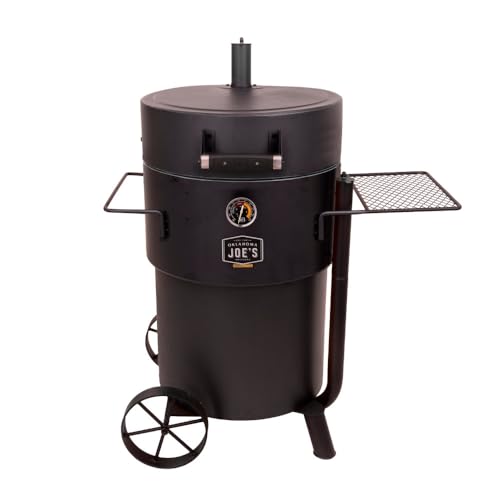
Oklahoma Joe’s Bronco Pro Drum Smoker and Grill 366 sq. in.

Weber Q 2800N+ Portable Propane Grill (Midnight Black)

Oklahoma Joe’s Firecraft Open Fire Barrel Charcoal Grill 480 sq. in.

Oklahoma Joe’s Highland Reverse Flow Offset Smoker and Grill 1093 sq. in.
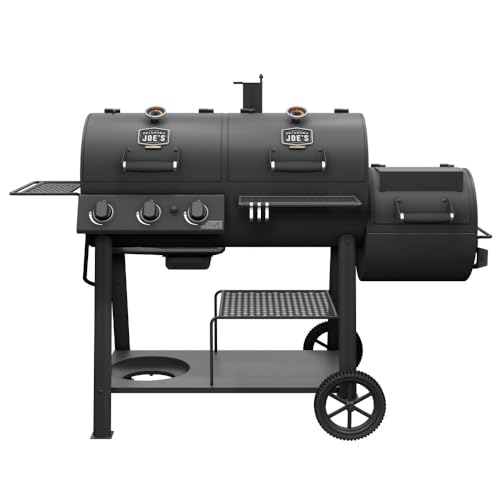
Oklahoma Joe’s Canyon Combo Dual Fuel Smoker and Grill 1031 sq. in.

Oklahoma Joe’s Longhorn Offset Smoker and Grill 1060 sq. in.
A Closer Look At Each Pick
The Rambler sits in the small-but-real category of charcoal cookers. 218 square inches is roughly enough for four burgers and a tray of vegetables, so it covers a couple of plates without monopolizing the picnic table. Set it on a tailgate, a fold-out side table, or a flat camp surface, and charcoal gets going quickly.
Compared to the propane-friendly Weber Q 2800N+ further down this list, the Rambler asks for more hands-on temperature control, but gives back authentic charcoal flavor and lighter overall weight for transport.
Features That Help
- Adjustable charcoal tray lets the cook raise or lower the fire for high-heat searing or gentle warming without lifting the grate.
- Tabletop footprint fits a small folding camp table, an RV exterior shelf, or a tailgate with room to spare.
- No gas line or tank needed, which simplifies transport on planes and ferries where pressurized fuel is restricted.
- Real charcoal flavor at a price point that suits weekend-only use.
Worth Noting
- Charcoal lighting, ash disposal, and post-cook cleanup take more time than turning off a propane burner.
- Open-top body offers little wind protection at exposed campsites, so a windscreen is worth packing.
- Smaller grate area means cooking for a group of six or more usually means running batches.
Specs At A Glance
Who Will Love This
Couples, weekend campers, and tailgaters who want authentic charcoal flavor without hauling a full-size kettle grill.
Swap It Out When
Step up to the Weber Q 2800N+ if quick light-and-go propane cooking matters more than charcoal flavor.
The Bronco Pro is a vertical drum smoker, which means heat and smoke travel around the food rather than straight up through it. Sealed-lid construction and purpose-built vents keep temperatures steady once dialed in, which matters for ribs or pulled pork that punish every stray breeze.
Where the Rambler above is a quick weekender piece, the Bronco Pro is a cook’s tool. Longer smokes ask for patience, and the oversized charcoal basket supports over fifteen hours of continuous run, so the cook can sleep through part of the night.
The Case For It
- Sealed drum design reduces oxygen flow variations that cause flare-ups and bitter smoke.
- Large fuel capacity supports long unattended smokes with fewer mid-cook refuels.
- Combined grill-and-smoker format handles a wider menu than a single-purpose smoker.
- Heavy-gauge steel body holds heat well in cooler evening conditions.
Things To Consider
- Drum shape and weight make it less suited to a tight RV pass-through than a flat tabletop grill.
- Learning curve is real: vent tuning takes a few cooks before temperatures feel intuitive.
- Ash and grease management requires regular cleaning to prevent flavor carryover between cooks.
Right Fit For
Patient cooks who want competition-style results at a campsite or a long-stay RV pad and don’t mind a heavier footprint.
Look Elsewhere When
Pick the Firecraft Open Fire Barrel Charcoal Grill instead when multi-use as a fire pit matters more than airtight smoke control.
The Weber Q 2800N+ is the only propane entry in this lineup, and the difference shows up the moment the cook fires it up. The Plus burner design supports a wide temperature range, covering low-and-slow roasting up to high-heat searing. Porcelain-enameled cast-iron grates hold and radiate heat cleanly.
Against the charcoal picks above, the Weber trades smoke flavor for predictability and speed. Tanks can run low during a long cook, so packing a spare is standard practice for full-day use.
A Strong Showing
- Push-button ignition starts cooking in minutes, with no charcoal chimney or lighter fluid to manage.
- Wide temperature range covers breakfast pancakes, dinner vegetables, and seared steaks in one cooker.
- Cast-iron grates hold heat well for restaurant-style sear marks on burgers and chops.
- Compact body fits most RV exterior storage compartments when the lid is closed.
Trade-Offs
- Propane tank adds bulk to transport and refills aren’t always available at remote sites.
- Lacks the deep smoke profile that charcoal fans specifically seek out.
Specs At A Glance
Made For
Travelers who prioritize convenience, quick cleanup, and consistent heat across breakfast, lunch, and dinner.
Reach For A Different Pick When
Move to the Canyon Combo Dual Fuel Smoker and Grill if you want propane and charcoal in one setup.
The Firecraft is less a grill and more a small gathering point. The open firebox allows 360-degree access to stoke the fire without lifting the lid, and the modular format doubles as a fire pit when the cooking grates are set aside. 480 square inches splits into two round grates at 240 each.
Compared to the enclosed drum design of the Bronco Pro above, this is a more social cooker. Open-fire cooking rewards attention: the cook walks up, shifts a log, rotates a grate, and chats while dinner forms.
Positive Takeaways
- Twist-lock handle releases the grate to adjust height over the flames.
- Doubles as a fire pit, which adds evening ambiance after the meal.
- Heavy-gauge wire grates provide solid durability and corrosion resistance over seasons of use.
- Open access supports tending food without awkward lid lifts.
Room For Improvement
- Open design exposes food to wind, ash drift, and any rain that rolls in.
- Less temperature control than the Bronco Pro’s sealed drum, so consistent low-and-slow smoking is harder to maintain.
Key Product Details
Best Suited To
Camp hosts and group campers who want cooking and a fire-pit gathering spot in a single piece.
Where A Sibling Pick Shines
The Highland Reverse Flow Offset Smoker and Grill fits better when low-temperature smoke precision matters more than fire-pit versatility.
The Highland handles serious volume. 1093 square inches of cooking area covers multiple briskets or pork shoulders at once, and the reverse-flow design sends smoke and heat along the barrel before it reaches the food, evening out hot spots that plague simpler offset builds.
Removable baffles and adjustable smokestack positions let the cook switch between reverse-flow and traditional offset smoking, so the same unit covers very different cooks. That’s a real upgrade over a fixed-design entry like the Bronco Pro.
Bright Spots
- Reverse-flow baffle system reduces temperature variation across the cook chamber.
- Large-capacity charcoal basket supports long burns with fewer mid-cook refuels.
- Convertible airflow design adapts to brisket, ribs, or standard offset cooks.
- Plenty of grate space for full-day catering-style cooks.
Honest Caveats
- Heavy and large, so transport in smaller RVs or vans is a real logistical question.
- Reverse-flow tuning takes practice; beginners may struggle to read the baffle behavior at first.
Feature Snapshot
Built With In Mind
Long-stay RV sites, ranch setups, and dedicated BBQ hosts running whole-day cooks for groups.
Not Your Match When
Move down to the Longhorn Offset Smoker and Grill if you want simpler offset behavior without the reverse-flow commitment.
The Canyon Combo splits cooking duties in half. A charcoal offset side handles low-and-slow smoking, while a 36,000-BTU three-burner propane side covers fast grilling. 750 square inches in the main chamber fit a typical family meal with room to spare.
Compared to the Weber Q 2800N+ above, this unit accepts a propane tank but adds a charcoal smoker alongside, which doubles the cook’s options on a single trip. Tank and fuel costs add up over time.
Everyday Wins
- Dual-fuel design lets one person run ribs on the charcoal side and sear steaks on propane simultaneously.
- Three propane burners maintain even temperatures for griddles, skillets, and stockpot-style sides.
- Large primary chamber handles two pork shoulders or a comparable spread.
- Side-by-side layout lets guests see both cooking styles at once.
Some Limits To Know
- Propane tank is not included, so initial setup needs an extra purchase.
- Full footprint is larger than single-fuel options, which matters in smaller RV sites.
- Two cooking systems mean two sets of cleanup at the end of the night.
Quick Technical Notes
Who Should Grab It
Hosts running mixed menus who want charcoal smoke and propane speed in the same footprint.
Consider Something Else When
Step down to the Rambler Portable Charcoal Grill if the goal is light, simple charcoal cooking without the propane side.
The Longhorn is the classic offset experience. A side firebox burns hardwood splits and chunks, sending smoke and heat across the main cooking chamber where 751 square inches of primary surface plus 309 square inches of secondary surface handle brisket, ribs, and family spreads.
Against the reverse-flow Highland above, the Longhorn offers a simpler fire management path. Owners get traditional offset behavior, which is plenty for most BBQ weekends.
Well-Handled Touches
- Large primary plus secondary cooking space handles brisket and sides in one chamber.
- Traditional offset layout is intuitive for first-time offset smokers.
- Heavy-gauge steel construction is built to handle many seasons of repeated cooks.
- Direct-grilling option over the firebox adds versatility beyond pure smoking.
Small Caveats
- Traditional offset designs develop hotter spots near the firebox, so food rotation matters.
- Full-size body needs a permanent or semi-permanent pad at the campsite.
Whose Shelf It Belongs On
Traditionalists who want the classic offset layout and don’t need reverse-flow tuning.
Skip It When
Pick the Weber Q 2800N+ if the goal is light, fast propane cooking on the go.
What to Weigh Before Choosing the Right RV Cooker
Real-world cooking from a rig is a constraint problem. Available bay space, weight limits, and the cook’s appetite for setup drive most of the decision, and getting the spec sheet right matters less than matching the cooker to the trip pattern.
Footprint and Transport Weight
A compact piece like the Rambler fits in an exterior storage bay and rides in the back of a sedan. Full-size offset smokers like the Highland or Longhorn take a real corner of the campsite and may need a separate trailer for transport. Match the body size to the tow vehicle and the site pad before chasing cooking capacity. Burners, gas lines, and propane tanks each add bulk that the cook has to account for at every stop.
Fuel Choice on the Road
Charcoal offers the deepest smoke flavor and travels without pressurized fuel restrictions, but it demands chimney lighting, ash disposal, and longer preheat. Propane lights fast and adjusts instantly, yet tank refills aren’t always available at remote sites. Open fire setups like the Firecraft barrel need dry wood and steady wind conditions.
Capacity vs. Cook Frequency
A solo weekend cook with two plates doesn’t need 1093 square inches of grate. A family of six feeding guests all summer does. Larger cookers hold heat more steadily, which helps during long sessions, but they also consume more fuel per cook. For most road-trippers, the right size is the one that comfortably fits the largest realistic meal without dominating storage.
Maintenance Realities
Charcoal cookers need regular ash removal and grate cleaning to prevent flavor carryover. Propane rigs need burner checks and grease tray emptying. Offset and drum smokers benefit from an annual deep clean to keep firebox airflow unrestricted. Build time for cleaning into the routine, since campground water access can be limited.
Common Shopping Slip Ups and Where the Extra Money Goes
Pitfalls Shoppers Hit
The most common mistake is buying for capacity the cook will never use. A 1093-square-inch offset smoker sounds impressive until the owner realizes most weeknight cooks feed two people and the body takes up too much space to bother. Another trap is ignoring fuel logistics: propane tank availability and charcoal storage both vary by region, and the cooker that feels perfect at home can be a hassle at a remote site. Finally, underestimating wind exposure at open campsites leaves the cook chasing flames or losing heat to gusts that a different body shape would have handled better.
Where the Extra Money Goes
Higher-tier charcoal cookers like the Highland earn their cost through heavier-gauge steel, more precise airflow controls, and modular baffle systems that maintain temperature over many hours. Reverse-flow designs and sealed drum construction reduce flare-ups and hot spots, which matters for long brisket cooks where consistency drives the final product. Upgraded metal thickness also resists warping over many seasons, so a well-built offset smoker can run for years with minimal care beyond ash and grease cleanup. For cooks who entertain often or run whole-day sessions, that durability adds real value over time.