
A sprawling lawn eats weekend hours fast, and the wrong mower makes it worse. The picks below cover actual riding machines with zero-turn agility, a service lift that keeps one running, and two compact walk-behinds for tighter yards. Each choice fits a different homeowner scenario, from multi-acre properties to narrow side yards.
A Fast Comparison Of The Options
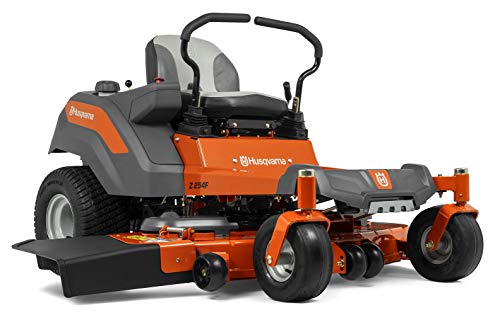
Husqvarna Z254F 54 in. 23 HP Kawasaki Zero Turn Mower

MoJack EZ MAX 45001 Riding Lawn Mower Lift Jack
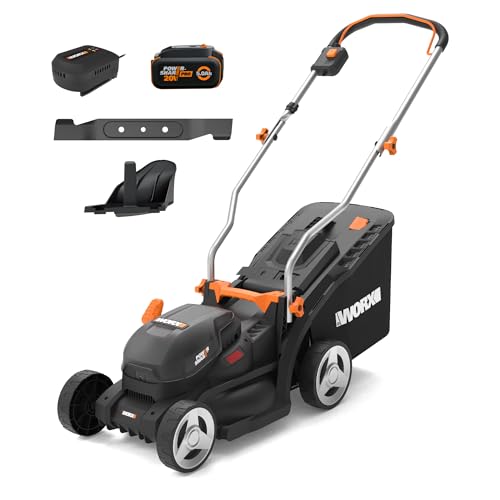
Worx 20V 14″ Cordless Lawn Mower WG733.1
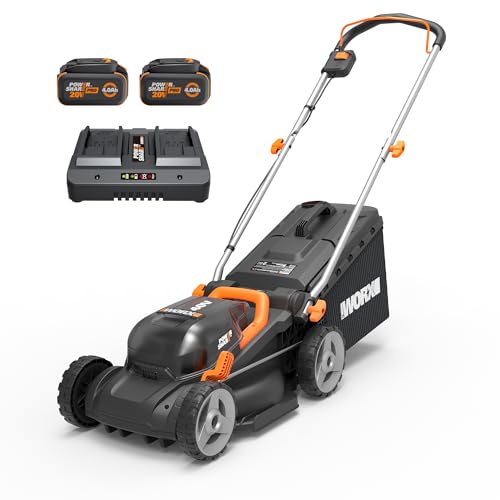
Worx 40V 14″ Cordless Lawn Mower WG735
More On The Choices That Made The List
Open properties with two or more acres of turf reward a wide cutting deck and a true zero-turn transmission. The Husqvarna Z254F brings both, pairing a 54-inch ClearCut deck (the housing that surrounds and protects the spinning blades) with a 23 HP Kawasaki engine that handles tall spring growth without bogging down.
The hydrostatic drive (a pump-and-motor system that uses hydraulic fluid instead of gears to transfer power to the wheels) translates lever inputs into tight pivot turns, so trimming around a mailbox or a curved flowerbed takes seconds. Compared with the entry-level walk-behinds reviewed later, this is the right jump in capability for anyone graduating from push mowing to a serious residential rider.
Notable Gains
- 54-inch deck clears wide paths in fewer passes
- Kawasaki powerplant handles thick, damp grass cleanly
- Zero-turn agility trims cutting time around obstacles
- Ergonomic control layout reduces arm fatigue on long mows
- Deck-lift assist makes height changes quick
Trade Offs
- Storage demands a shed or garage with wide doors
- Regular under-deck cleaning is needed to keep airflow strong
- Fuel and oil service intervals follow a stricter schedule than smaller mowers
Right Fit For
Owners of two to five flat acres who want to finish weekly mowing in well under an hour.
Swap It Out When
The yard is mostly under a quarter acre, in which case the Worx 20V WG733.1 covers it without the storage headache.
Sharpening blades, swapping belts, and cleaning under a residential zero-turn mower all require lifting the front end safely. The MoJack EZ MAX 45001 is purpose-built for that job, rated to raise up to 450 pounds at the front wheels for most homeowner-grade zero-turn riders and lawn tractors.
Where the Husqvarna Z254F is a machine to ride, the MoJack is a piece of shop equipment that keeps that machine healthy. Rolling wheels let it roll into position, and a ratcheting lift arm raises the deck clear of the ground so blades sit at a comfortable working height.
Practical Advantages
- Raises the front end for safe blade and deck access
- Wheeled base makes positioning over tires simple
- Folding frame saves garage floor space between uses
Points To Keep In Mind
- Compatible with most residential zero-turns, but confirming wheel-to-wheel measurement is worth the effort
- Lifting a heavy mower takes steady footing and a level surface
Whose Shelf It Belongs On
Homeowners who service their own mower each season and want a safer alternative to stacked ramps.
Look Elsewhere When
A riding mower is not in the garage, since compact walk-behinds like the Worx WG733.1 tip back easily and need no lift.
Owners with thicker turf, slopes, or weekly mowing schedules often need a heavier frame than a standard residential deck. This version of the Z254F swaps to a 24 HP FR730 engine with a 726cc displacement (the swept volume of all cylinders combined, a rough proxy for raw torque) and a fabricated deck shell, which uses welded heavy-gauge steel plate rather than stamped sheet metal.
The result is a residential zero-turn that shrugs off the small bumps and brush encounters that dent lighter decks. For households that mow twice a week through a long growing window, this feels like the more honest long-term pick.
Useful Touches
- Fabricated deck resists impacts and warping
- 24 HP output handles tall, wet grass without stalling
- Same 54-inch cutting width as the lighter Z254F for fast coverage
- Compatible with the MoJack EZ MAX lift for routine service
Honest Caveats
- Heavier chassis needs firmer ground to avoid rutting soft turf
- Higher engine output pushes fuel use above basic residential models
Quick Facts
Who Should Grab It
Homeowners who mow often and want a residential rider with a tougher deck under them.
Reach For A Different Pick When
The yard is small and storage is tight, in which case the Worx WG735 walk-behind offers similar cutting width with a smaller footprint.
Townhouse lots, narrow side yards, and postage-stamp lawns do not need a 54-inch deck. The Worx WG733.1 is a 14-inch cordless walk-behind with a brushless motor (which uses electronic controllers instead of carbon brushes, so it runs cooler and lasts longer) and a 20V 5.0 Ah PowerShare battery that covers up to 3,200 square feet per charge.
The whole machine weighs less than many gas push mowers, so carrying it down basement stairs or hanging it on a shed hook is realistic. For anyone moving from a reel mower to something powered, this is the friendly first step.
Benefits That Matter
- Lightweight frame is easy to lift and store
- Brushless motor stretches battery life and cuts maintenance
- 2-in-1 deck switches between bagging clippings and rear discharge
- No gas, no oil changes, and quieter neighborhood runs
Worth Noting
- 14-inch deck doubles pass count versus a 21-inch walk-behind on bigger lawns
- Single battery limits very long mowing sessions without a charged spare
Who It Suits Best
First-time mower owners with small, flat lawns under a quarter acre.
A Better Fit Elsewhere
Anyone mowing more than 3,200 square feet per session will finish faster with the Worx WG735, which adds IntelliCut torque management.
The WG735 takes the WG733.1 formula and adds the features that matter once a yard grows past token size. IntelliCut is a load-sensing control that pushes extra current to the motor when blades hit thicker grass, then backs off in thinner patches to save runtime. The 40V platform doubles available power versus the 20V sibling.
For mixed lawns where sun and shade create uneven growth, that adaptive torque is the difference between a clean cut and ragged tips. It still folds flat for garage storage, which keeps the urban-yard advantage intact.
What Pays Off
- IntelliCut torque boost handles thicker patches automatically
- 40V battery covers up to a 1/8 acre per charge
- Airflow-optimized deck improves bagging efficiency
- Same PowerShare battery platform as other Worx 20V and 40V tools
Small Caveats
- 14-inch deck still means more passes than a full-size walk-behind
- Higher upfront cost than the WG733.1 with no real upgrade in deck size
Made For
Suburban lots up to a quarter acre with mixed grass heights and shade patterns.
Where Another Pick Suits Better
Anyone past one acre of turf needs the Husqvarna Z254F, where a wider deck and bigger engine make the time savings obvious.
What To Weigh Before Picking A Residential 0 Turn Mower
A residential zero-turn is not a one-size-fits-all purchase. The right size, deck type, and power level depends on acreage, terrain, storage, and the kind of maintenance a homeowner is willing to handle.
Deck Width And Lawn Size
Cutting decks under 20 inches suit small lots and tight turns. Anything from 42 to 54 inches makes sense for lawns between one and five acres, where fewer passes save real minutes each week. Past five acres, a 60-inch deck starts to earn its keep, but storage and trailer logistics grow with it.
Engine Power And Frame Construction
A 20 to 24 HP engine covers most residential turf. Stamped steel decks are lighter and friendlier to transport, while fabricated decks stand up better to sticks, stones, and rough ground. Lighter builds favor flat lawns; tougher builds forgive uneven terrain and frequent mowing.
Transmission And Drive Feel
Hydrostatic drives use hydraulic fluid instead of gears, so speed and direction change smoothly with lever pressure. That makes zero-turn maneuvers around trees and beds effortless, even for newer operators. Some entry-level models use lighter transmissions, which is fine for occasional mowing but feels less precise under weekly use.
Storage, Maintenance, And Service Tools
A residential zero-turn needs a dry spot wide enough for the deck and tall enough for the handlebars. Owners who plan to sharpen blades and clean under the deck benefit from a MoJack-style lift, which keeps the front end safely raised and saves a trip to the shop.
Key Considerations Across These Picks
Where Shoppers Go Wrong
The most common mistake is buying by horsepower alone, since a big engine on a small deck wastes fuel and stress the frame. Another easy miss is ignoring deck height range: lawns with shade or seasonal growth need at least four height positions to keep the turf healthy through summer. Skipping a quick tape measure of the shed door is a third classic slip, since a 54-inch mower that does not fit through storage becomes a headache on day one.
What The Higher Tier Buys
Stepping up from a stamped deck to a fabricated deck, or from a 20V walk-behind to a 40V adaptive system, pays for itself in fewer service visits and longer product life. The extra spend typically covers thicker steel, better cooling, and stronger motors that hold up under weekly mowing. For households that mow often, the upgrade usually earns back its price in saved time and avoided repairs.
Closing Thoughts
The right residential zero-turn is the one that matches the yard, the storage space, and the weekly workload without overspending on features that go unused. Start with lawn size and terrain, then narrow down by deck construction and power, and finish with the maintenance tools that keep the machine running for years.