
Campers who crave room to roll over, stretch out, or share a sleeping pad with a partner know the difference a rectangular cut makes. Mummy bags pull tight across the shoulders and trap heat, but rectangle bags trade that thermal hug for shoulder freedom and better layering options. The picks below cover deep-winter base camping, three-season backpacking, family cabin weekends, and preschool nap routines, so there’s a sensible match for nearly every sleep scenario.
The Choices Worth Comparing
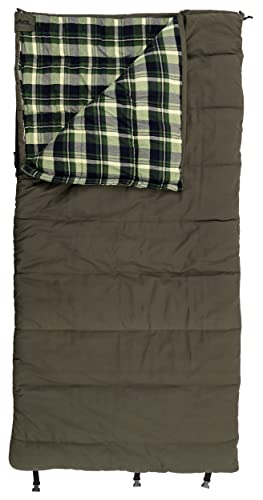
ALPS OutdoorZ Redwood -25 Sleeping Bag
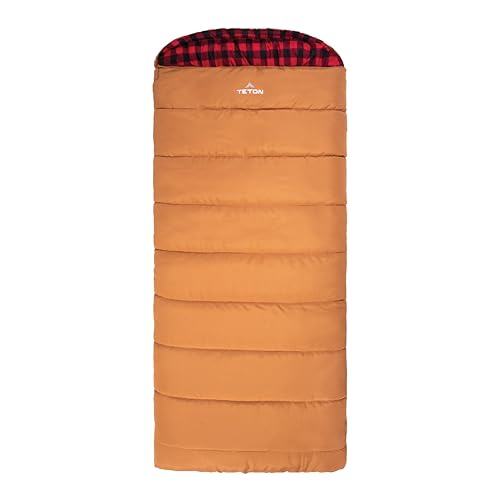
TETON Sports Deer Hunter Sleeping Bag

Stephen Joseph Toddler Nap Mat with Blanket

PTEROMY Lightweight Machine Washable Sleeping Bag
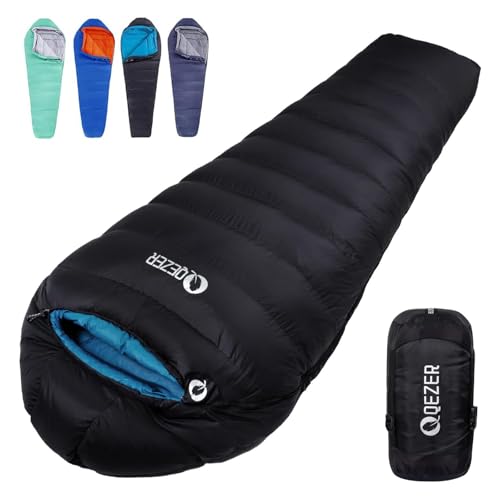
QEZER 600 Fill Power Down Sleeping Bag
The Strengths Of Each Pick
Built for sub-freezing nights at a fixed base, the Redwood leans into its oversized rectangular footprint. Techloft insulation (multi-hole, siliconized micro-denier fibers designed for loft and compactness) fills a tall, wide cut that accommodates restless sleepers and broad shoulders. The generous interior means layering a liner inside or storing boots at your feet without compressing the fill.
For a deer camp in late November or a winter cabin with a woodstove that runs out by 4 a.m., the warmth rating and shoulder room work together. Campers who run cold but hate the claustrophobic feel of a mummy will appreciate the trade-off.
What Stands Out
- Oversized rectangular cut allows free arm movement and shoulder rotation through the night
- Insulation fill traps warmth efficiently at well-below-freezing temperatures
- Roomy interior fits a liner or bulky base layers during deep cold snaps
- Better suited to stationary camping than long-distance packing, given its bulk
Trade Offs
- Larger packed size makes it a poor choice for backpackers counting ounces
- Heavier than synthetic three-season options, so transport requires real cargo space
Key Product Details
Who It Suits Best
Stationary winter campers, deer hunters, and anyone who runs cold and wants a roomy rectangular cut for sub-freezing nights.
Consider Something Else When
Backpackers should reach for the QEZER 600 Fill Power Down Sleeping Bag instead, since weight and pack size matter more than interior volume on the trail.
The Deer Hunter earns its name through a poly-cotton canvas shell that shrugs off the rough texture of gun stocks, wood floors, and barn sleeping platforms. Unlike the smooth nylon on most backpacking bags, the canvas takes abuse and keeps the inside fill protected over years of seasonal use.
A mummy-style hood cinches tight around the head for extra warmth on cold nights, while the rectangular body preserves shoulder room underneath. Hunters and cold-weather cabin sleepers get the best of both cuts in one package.
Standout Benefits
- Durable poly-cotton canvas shell resists scuffs from gear and rough flooring
- Fiber fill rated for below-freezing conditions, suitable for late-season hunts
- Adjustable hood pulls in around the head to seal in core warmth
- Hybrid rectangular body with mummy hood balances room and thermal efficiency
Points To Note
- Canvas adds noticeable weight compared to nylon alternatives
- Bulkier packed profile takes up real truck-bed space
- Not the right shape for ultralight backpackers counting grams
Made For
Whitetail hunters, cabin owners, and cold-climate campers who want a long-service rectangular bag with a tough outer shell.
Look Elsewhere When
Backpackers covering long miles will find the PTEROMY Lightweight Machine Washable Sleeping Bag a far better carry for trail use.
The Stephen Joseph nap mat shifts the rectangular sleeping bag concept from trail to classroom. It’s a single connected piece built around preschool routines: a soft attached blanket, a removable pillow, hook-and-loop carry straps, and a large front pocket for stuffed animals or a small comfort object.
Unlike the adult-oriented picks above, this one is sized for toddlers and aimed at daycare, preschool, and kindergarten nap time. The all-over print options (including the camo variant) let little sleepers pick a pattern that feels personal to them.
Notable Gains
- One-piece design with attached blanket eliminates lost-piece chaos at pickup
- Removable pillow tucks inside the mat for compact storage on classroom shelves
- Hook-and-loop carry straps fit small hands for self-managed transport
- Front pocket holds a favorite stuffed animal or small comfort item
Soft Spots
- Polyester surface requires spot-cleaning between heavy nap cycles
- Pattern appeal varies by child, so a second choice may sit unused
Feature Snapshot
Who Should Grab It
Parents of toddlers heading into daycare or preschool who want one consolidated nap kit their child can carry independently.
Swap It Out When
Older kids or adults need a true outdoor rectangular bag, in which case the ALPS OutdoorZ Redwood -25 or PTEROMY Sleeping Bag fits the actual camping use case.
The PTEROMY sits in the sweet spot for casual backpackers and weekend campers who don’t need extreme-cold ratings. It’s rated for a comfort range of 50–80°F, which covers most spring, summer, and shoulder-season trips, with a 7 ft 2 in length and 2 ft 7.5 in width that accommodates adults up to about 6 ft 7 in tall.
The water-resistant outer shell handles damp ground and light rain, and the entire bag is machine washable, which removes a real chore from post-trip cleanup. Double S-shaped stitching helps the fill stay evenly distributed after multiple wash cycles.
Everyday Perks
- Three-season temperature range covers the majority of car-camping and backpacking trips
- Machine washable construction simplifies post-trip maintenance
- Generous length and width fit tall adults without compressing the shoulders
- Water-resistant shell repels tent condensation and brief rain exposure
Honest Caveats
- Lower limit sits around 40°F, so it’s not suited for deep shoulder-season cold
- Lightweight build trades some insulation density for packability
Right Fit For
Three-season backpackers, weekend campers, and travelers who want a washable rectangular bag they can toss in the machine after a muddy trip.
Skip It When
Late-season hunters or winter campers should turn to the TETON Sports Deer Hunter Sleeping Bag for the heavier insulation canvas builds deliver.
Down fill at 600 fill power (a measure of how much space one ounce of down occupies, where higher numbers trap more air per gram) gives the QEZER a strong warmth-to-weight ratio. That translates to a compressible pack size that fits inside a backpack without dominating it, plus shoulder freedom thanks to its rectangular layout.
The bag arrives with a storage sack and compression straps, and the mummy-influenced hood seals in heat where it matters most. For backpackers counting every gram but still wanting rectangular space, it threads a careful needle.
What Works In Its Favor
- 600 fill power down delivers strong warmth for its packed size and weight
- Compression straps shrink the storage profile for tight pack loads
- Mummy hood traps heat at the head without restricting the rectangular body
- Down insulation recovers loft well when properly aired between trips
Things To Weigh
- Down fill loses insulating power if it gets soaked, so wet-weather use needs care
- Smaller packed volume makes it less cushy for car camping than bulkier synthetics
Best Suited To
Ultralight backpackers and long-distance hikers who need rectangular shoulder room without paying a weight penalty.
Where Another Pick Suits Better
Stationary winter campers should pick the ALPS OutdoorZ Redwood -25, since its synthetic insulation handles moisture and sub-zero temps more reliably.
Choosing Rectangular Sleeping Bags That Actually Fit Your Trips
Temperature rating is the first filter. Bags rated for the lowest expected night temperature give a margin of safety, so a camper planning shoulder-season trips in the 40s should target a bag with a lower limit near freezing rather than a comfort rating in the same range. Fill type matters as much as the number on the tag. Down packs smaller and weighs less for the same warmth, but loses loft when wet. Synthetic fill stays functional in damp conditions and dries faster, which matters for tent camping, wet climates, and beginner setups.
Shape and sizing come next. Rectangular bags trade some thermal efficiency for shoulder room and the ability to zip two together for shared sleeping pads. Taller sleepers need to check length carefully, since a bag that’s too short compresses the foot box and chills the toes. Weight and packed size matter most for backpackers and least for car campers, so the same bag can be the right answer for one group and the wrong one for another.
Shell fabric and care round out the decision. Canvas shells resist abrasion but add weight, while nylon and polyester shells pack lighter and handle machine washing. A washable bag saves real time after muddy trips and keeps body oils from degrading fill loft over the seasons.
Common Shopping Slip Ups
The most common mistake is buying on the comfort rating alone and ignoring the lower limit. A bag that feels warm at 50°F may stop protecting sleep at 35°F, which is exactly when cold-weather trips happen. Shoppers also underweight packed size, choosing a roomy winter bag and then discovering it won’t fit a backpack or small vehicle trunk. Matching the bag’s intended use (stationary winter camp versus trail mileage versus preschool nap) to its real specs avoids both surprises.
Where The Extra Money Goes
Premium rectangular bags earn their price through better fill (higher fill power down or heavier synthetic loft), tougher shell fabrics, and stronger stitching at the seams. The upgrade pays off for frequent backpackers who feel every ounce, hunters who want a bag to last a decade of seasons, and parents who’d rather replace a washable bag less often. For casual weekend use, a mid-range option covers the same nights without the steeper cost.