
A good lantern pulls double duty: it lights a tent, then catches you through a power outage months later. The seven options below cover the practical spread, from compact kids’ night lights to heavy-duty metal builds that shrug off drops. Each one solves a different problem, so the right fit depends on where it ends up living and how often it gets pulled out.
The Leading Options At A Glance

Lepro 1000LM Battery Powered LED Camping Lantern (Green)

V.C Formark Snail Rechargeable Kids Lantern, Dimmable Night Light
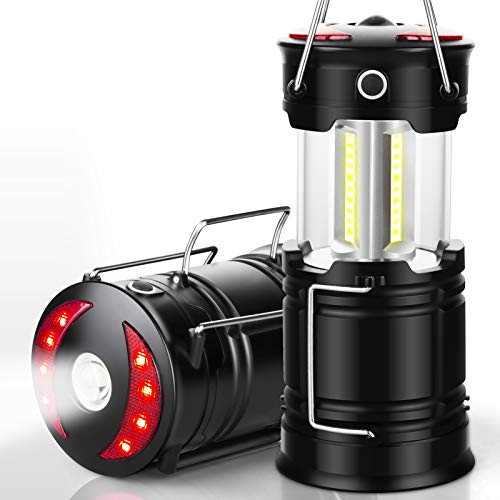
EZORKAS 2 Pack Camping Lanterns, COB LED Tent Lights

Lepro 2000LM Rechargeable Camping Lantern, Waterproof

Lepro 1100LM Battery Powered LED Camping Lantern, Waterproof

Glocusent 5000mAh Rechargeable Camping Lantern, 135 LEDs

HOMY Vintage Metal Camping Lantern, Rechargeable LED
Inside Each Recommended Option
The Lepro 1000LM is the kind of lantern that gets tossed in a trunk and forgotten until a storm rolls through. The dimmable body pushes up to 1000 lumens (a lumen is the unit that measures how much visible light a bulb produces), bright enough to light a four-person tent or a kitchen during an outage. The green finish helps it disappear in a camp bag.
It’s a straightforward pick for anyone who wants a no-fuss backup that runs on D-cell batteries. Owners tend to stash it near camping gear, where the long runtime and compact body earn their keep. Compared to the kids’ lantern below, this one trades charm for plain reliability.
Advantages To Know
- Four lighting modes (daylight white, warm white, full brightness, flashing) cover reading, cooking, and emergency signaling in one unit.
- Long-press dimming lets users dial in exactly the glow they need, from a soft nightlight to full tent-filling brightness.
- Runs on three D-cell batteries (not included), which are widely available at gas stations and convenience stores during outages.
- Lightweight plastic body fits easily in a backpack pocket or kitchen drawer.
Things To Consider
- Batteries are not included, so plan to buy a set before the first trip.
- Plastic construction feels less rugged than the metal HOMY option later in this list.
Quick Facts
Who It Suits Best
Car campers and homeowners building an emergency kit who want a simple battery-powered lantern without charging cables.
Where Another Pick Suits Better
The Lepro 2000LM Rechargeable Camping Lantern, Waterproof fits backpackers who need USB recharging rather than disposable cells.
The V.C Formark Snail lantern leans into character. The snail-shaped topper and violet body turn it into a bedtime companion instead of another utilitarian tool. USB-C charging (a modern, reversible charging port used by most phones and tablets) keeps things simple, and three dimmable color modes let parents tune the glow for sleep or play.
It’s a sensible pick for kids’ rooms, sleepovers, or a backyard fort. Compared to the Lepro 1000LM, this lantern prioritizes charm and recharging over raw brightness, which matters more in a child’s hand than on a stormy night.
Benefits That Matter
- Whimsical snail design appeals to kids who would reject a plain cylinder.
- USB-C charging removes the hunt for replacement batteries during the week.
- Three dimmable color settings shift between story-time warm and play-time cool.
Worth Noting
- Output is modest, so it works as a night light rather than a blackout solution.
- Character styling may feel out of place in an adult’s emergency kit.
Made For
Parents outfitting a child’s bedroom or planning a backyard sleepover who want something cute enough to double as décor.
Skip It When
The Glocusent 5000mAh Rechargeable Camping Lantern, 135 LEDs is the better call for household blackout coverage, where output and runtime matter more than the snail silhouette.
The EZORKAS two-pack solves a basic problem: most households want more than one lantern, and buying singles gets expensive. The collapsible COB (chip-on-board) LED panels spread light in 360 degrees, and four modes keep the package flexible. Rechargeable or battery operation gives a fallback when outlets vanish.
For groups splitting gear between tents, or households that want a backup in the garage and one in the car, this pair delivers a lot of light for the spend. Compared to the Lepro 1000LM above, you trade a single higher-output unit for two versatile mid-output lanterns.
Bright Spots
- Two units cover a group campsite or two rooms in a house at the same time.
- Four lighting modes adapt from reading to emergency flashing.
- Collapsible design shrinks them down for drawer storage between trips.
Trade Offs
- Output per unit is lower than the Lepro 2000LM, so large rooms may feel under-lit.
- Plastic construction feels light, which is great for packing but less reassuring on rough ground.
- Owners commonly report the hinges need careful handling to avoid cracking over time.
Right Fit For
Group campers and budget-conscious shoppers who want a second lantern as a garage or car backup without paying full price twice.
Another Choice May Suit
The Lepro 1100LM Battery Powered LED Camping Lantern, Waterproof is the stronger pick when a single high-output unit matters more than a second lantern.
The Lepro 2000LM is built for people who plan around the worst. The dual-power design means it runs on its built-in rechargeable battery at home, then switches to six AA cells when the grid goes dark. USB recharging and the bundled cable keep it topped off between storms.
It is a meaningful step up from the Lepro 1000LM earlier in this list. Where the smaller lantern settles for modest brightness, this one lights up a campsite or a workshop. Five lighting modes give flexibility across cooking, reading, and signaling.
What Helps Most
- Dual-power design keeps the light running whether the wall outlet is alive or dead.
- 2000-lumen ceiling handles large tents, driveways, and basements.
- Five modes include a flashing setting for roadside emergencies.
- Waterproof construction shrugs off rain and accidental drops in puddles.
Room For Improvement
- Heavier than plastic competitors, so backpackers will notice the weight.
- AA backup cells are not included, so first-time owners face an extra purchase.
Feature Snapshot
Who Should Grab It
Off-grid campers and homeowners in storm-prone regions who want one lantern that handles both planned trips and surprise outages.
Look Elsewhere When
The HOMY Vintage Metal Camping Lantern, Rechargeable LED is the better fit for buyers who value décor-forward steel over maximum brightness.
The Lepro 1100LM sits between the basic 1000-lumen model and the higher-output 2000-lumen option. The five-mode spread adds a red light for preserving night vision, which campers and astronomers tend to appreciate. Stepless dimming (a continuous brightness adjustment with no fixed stops) lets users ease the glow up or down to match the moment.
It runs on common batteries rather than a built-in cell, which keeps the weight down and the shelf life long. Owners commonly rotate fresh cells into the unit each season. Compared to the EZORKAS pair, this one trades quantity for stronger per-unit performance.
The Value In It
- 1100-lumen output handles most tents and mid-size rooms without strain.
- Five modes include a red setting that preserves night vision around a campsite.
- Stepless dimming creates a smooth ramp from soft glow to full brightness.
- Waterproof shell stands up to humid nights and surprise rain.
Minor Gripes
- Not rechargeable, so owners must keep spare batteries on hand for long outages.
Best Suited To
Backyard campers and casual hikers who want waterproof reliability without committing to a rechargeable power bank.
Reach For A Different Pick When
The Glocusent 5000mAh Rechargeable Camping Lantern, 135 LEDs is the smarter grab for households that want to skip batteries entirely.
The Glocusent lantern behaves more like a small room light than a tent accessory. The 5000mAh battery (a battery capacity rating: higher milliamp-hours mean longer runtime between charges) feeds 135 LEDs arranged for a full 360-degree beam. Owners commonly park it on a picnic table or kitchen counter and light the whole area evenly.
Five dimmable brightness levels let the lantern step down for late-night reading or jump up for emergency repair work. Compared to the Lepro 2000LM above, this unit trades peak brightness for broader, softer coverage and a longer runtime per charge.
Real-World Strengths
- 135 LEDs spread light evenly across roughly 200 square feet.
- 5000mAh battery supports extended runtime between charges.
- Five brightness levels cover ambient, task, and full-room use.
- Silent operation suits bedrooms and tent interiors.
Points To Note
- Lower peak brightness than the Lepro 2000LM, so very large spaces may need a second unit.
- Larger footprint than compact travel lanterns.
Feature Rundown
Perfect Match For
Families setting up a base camp or homeowners who want one rechargeable unit that doubles as a blackout light and a backyard lantern.
Not Your Match When
The EZORKAS 2 Pack Camping Lanterns, COB LED Tent Lights is the smarter call for shoppers who need two smaller units instead of one large one.
The HOMY lantern is the closest thing on this list to a piece of gear that lives on a shelf for years. The steel body and red enamel finish give it the kind of weight that earns a place on a cabin table or RV counter. Three color modes, including a 2700K warm setting (a color temperature rating; lower numbers mean cozier, yellower light), make it easy on the eyes during a quiet evening.
It is not trying to compete with the Lepro 2000LM on output. Where the high-output Lepro wins on floodlight brightness, this HOMY trades lumens for character and durability. The rechargeable design keeps the cord routine simple.
Where It Excels
- Steel construction absorbs drops that would crack plastic competitors.
- Red enamel finish adds a vintage look that suits porches and cabins.
- Three color modes cover warm ambient, neutral, and cooler task lighting.
Honest Caveats
- Heavier than plastic options, so backpackers should plan for the extra ounces.
- Lower output than the Lepro 2000LM, so it works better as accent light than primary floodlight.
Whose Shelf It Belongs On
Patio decorators, RV owners, and cabin dwellers who want a rechargeable lantern that doubles as a styled accessory.
A Better Fit Elsewhere
The Lepro 2000LM Rechargeable Camping Lantern, Waterproof is the stronger choice when pure brightness and dual-power flexibility matter more than the vintage look.
What To Weigh Before Picking A Rechargeable Lantern
Brightness claims get thrown around loosely, so the most useful number is the lumen output at the level you’ll actually use. A 2000-lumen rating only helps if the lantern holds that output for a useful stretch before dimming or dying. Look for runtime figures matched to specific brightness levels rather than vague “up to” claims that hide low-battery performance.
Battery design shapes daily ownership more than people expect. Built-in rechargeable cells save money over time but require a charging routine; swappable cells like D or AA batteries stay useful in long outages but add to the running cost. The Lepro 2000LM offers both routes, which explains its appeal for storm-prone regions.
Color temperature and mode variety matter for comfort. Warm settings (around 2700K) feel like incandescent bulbs and are easier on tired eyes, while cool daylight modes help with task work. A red mode preserves night vision around a campsite, which hikers and amateur astronomers tend to appreciate.
Build material is the easiest durability tell. Steel bodies like the HOMY take drops better than plastic shells, but they add weight. Plastic lanterns like the EZORKAS pack lighter and cost less, but they tend to creak at the hinges after a few seasons.
Key Considerations Across These Picks
Pitfalls Shoppers Hit
The biggest mistake is buying on peak lumen count alone. A lantern that briefly hits 2000 lumens but drops to 200 after ten minutes is less useful than a steady 800-lumen unit. Equally common is skipping battery logistics: a rechargeable lantern is wonderful until the power is out for three days, which is why dual-power designs like the Lepro 2000LM earn their reputation.
What The Higher Tier Buys
The jump from budget to mid-tier lanterns usually buys better LED density, smoother dimming controls, and waterproof construction. Premium picks add dual-power flexibility, larger batteries, and metal housings. For a household emergency kit, the upgrade usually pays for itself the first time a storm rolls through and a flimsy plastic lantern cracks on the way to the basement.
Wrap Up
The right lantern depends less on specs and more on where it will live. A kids’ room calls for charm, a tent calls for output, and a storm kit calls for flexibility. Pick the option that matches the most likely use, and the rest of the details tend to fall into place.