
Rain or shine, dedicated runners log their miles, and a soaking wet cotton hoodie halfway through a tempo run is the kind of misery that ends a routine fast. The right shell keeps body heat regulated, sheds water off the shoulders, and moves with the arms instead of fighting them. This roundup focuses on jackets and rainwear that handle the specific demands of running: weight, breathability, hood geometry, and packability for unpredictable weather.
The Choices Worth Comparing

PUFFIT Rain Jacket Women’s Lightweight Anorak Pullover Hoodie

33,000ft Women’s Softshell Jacket Waterproof Fleece Lined Rain Coat

DECKTIN Women’s Waterproof Raincoat Lightweight Detachable Hood
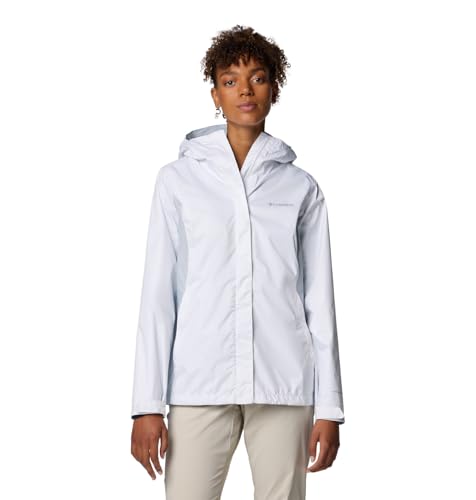
Columbia Women’s Arcadia II Jacket

APEXUP Packable Rain Jacket Men Waterproof Lightweight Raincoat with Hood

Columbia Women’s Newton Ridge Plus Waterproof Hiking Boot
The Picks, Examined More Closely
The PUFFIT anorak leans into pullover simplicity, slipping on over a base layer without the bulk of a full-zip shell. Water-resistant treatment handles drizzle and brief showers on neighborhood runs, and the half-zip entry lets a runner vent heat quickly when a hill kicks the pace up. For anyone easing into rain-running without committing to a technical jacket, this is a friendly entry point.
Compared with the softshell later in this list, the PUFFIT trades insulation for breathability and lighter carry weight. It’s a sensible match for joggers who want basic weather coverage without paying for sub-zero insulation they will not use most months.
Strengths Worth Knowing
- Pullover construction reduces weight and keeps the fit close to the torso for steady arm swing
- Anorak-style hood shields the face during headwind rain on exposed stretches
- Lightweight fabric layers cleanly over a long-sleeve tee without restricting the shoulders
- Easy on-and-off half-zip entry lets a runner dump heat on the fly between tempo intervals
Things To Consider
- Water-resistant rating (versus fully waterproof) means long downpours will eventually soak through
- Pullover design requires removing the whole jacket to take it off, which gets awkward mid-run
- Owners commonly report the hood runs small, so larger heads may sit tight at the crown
Who It Suits Best
Casual runners logging short to mid-distance miles in light rain, beginners building a wet-weather kit, and walkers wanting a low-profile shell.
Consider Something Else When
The Columbia Women’s Arcadia II Jacket is a smarter fit for year-round commuters facing heavier rain on a daily basis.
Cold-weather runners face a specific challenge: a waterproof shell that blocks rain but traps sweat, or a warm midlayer that gets drenched in minutes. The 33,000ft softshell bridges both, wrapping a fleece-lined interior in a waterproof outer to handle steady rain on chilly mornings. The hood adds another barrier when wind chill kicks in.
Versus the PUFFIT pullover above, this pick carries noticeable extra weight and warmth, which is the right trade for anyone running through fall and winter. Runners in milder climates may find it overheats on summer mileage.
Noteworthy Benefits
- Fleece lining traps body heat, making 30-to-45-degree Fahrenheit runs far more comfortable
- Waterproof outer layer keeps rain off the insulating fleece, so warmth does not collapse when soaked
- Attached hood adds wind protection for exposed trail or waterfront routes
- Softshell construction stretches with arm swing, helping cadence stay natural on longer runs
Honest Caveats
- Fleece interior reduces breathability compared to a mesh-lined shell, so high-intensity intervals may feel clammy
- The bulk makes it tough to stow in a running vest or pack mid-route
- Softshell fabric typically requires careful washing to maintain water repellency over time
Made For
Runners training through cold, wet seasons who want one jacket to span late autumn through early spring without layering gymnastics.
Look Elsewhere When
The APEXUP Packable Rain Jacket suits men who run in milder rain and need something that compresses into a pocket.
The DECKTIN raincoat takes aim at runners who also travel, commuting by foot to catch trains, taking running trips to unfamiliar cities, or stashing a backup layer in a daypack. A detachable hood is the standout feature: snap it on for a downpour or pull it off when the rain lightens and a cap or headband takes over.
Compared with the fixed-hood designs earlier in this list, the DECKTIN offers more flexibility in changing weather, though the attachment hardware does add a small amount of bulk where the hood meets the collar.
Everyday Wins
- Detachable hood adapts to shifting weather without forcing a jacket swap mid-run
- Lightweight build compresses into a travel daypack for race trips and hotel stays
- Full-zip front allows fast venting during tempo segments or warm-up walks
Worth Noting
- Detachable hood snaps can loosen over repeated use, so a periodic check helps
- Lightweight shell fabric can snag on brushy trail sections
Key Product Details
Right Fit For
Runners who split miles between home roads and travel destinations, and want one jacket that handles both without overpacking.
A Better Fit Elsewhere
The 33,000ft Women’s Softshell Jacket is the right call when temperatures drop below 45 degrees Fahrenheit on a regular basis.
The Columbia Arcadia II has earned its reputation with commuters and recreational runners alike. A 100% nylon shell delivers waterproofing that holds up across repeated wet miles, and the breathable construction avoids the clamminess that ruins so many budget raincoats. Columbia’s attention to seam sealing and adjustable cuffs is a quiet differentiator over generic shells.
Versus the DECKTIN option above, the Arcadia II is heavier and less packable, but it’s the more honest performer when rain runs stretch into hours. The trade is weight for durability and weather protection.
The Upside
- Waterproof nylon shell sheds rain across long miles without saturating
- Breathable build keeps body heat moving during moderate-pace runs
- Sturdy construction handles daily wear from a backpack strap or hydration belt
- Adjustable hood and cuffs seal out wind-driven rain on exposed routes
Points To Keep In Mind
- Heavier than ultralight packable shells, so it is less convenient to stash mid-run
- Nylon shell can feel noisy at high arm cadence
- Durable Water Repellent (DWR) coatings typically need periodic reactivation through washing
Feature Snapshot
Best Suited To
Year-round commuter runners and dedicated trainees who rack up wet miles weekly and want a shell that lasts multiple seasons.
Reach For A Different Pick When
The APEXUP Packable Rain Jacket suits men whose priority is fitting a rain shell into a cycling jersey pocket or running belt.
The APEXUP packable jacket targets a specific frustration: the run or commute starts dry, clouds roll in, and the runner needs weather protection that was not weighing them down for the first half. The jacket folds into a small stuff sack and clips to a hydration belt or stows in a cycling jersey pocket without bouncing.
Versus the Columbia Arcadia II above, the APEXUP trades ruggedness for portability. It’s a smarter carry for unpredictable forecasts and shorter runs where packing a full shell feels excessive.
A Favorable Mix
- Packs into its own pocket for true grab-and-go convenience
- Lightweight waterproof fabric keeps emergency rain protection ready without bulk
- Men’s cut accommodates a wider chest and shoulder profile
- Attached hood shields head and face during sudden downpours on bike commutes
Trade Offs
- Ultralight fabric is more prone to tearing on brush or pack straps
- Less breathable than heavier shells, so high-output efforts can feel muggy
- Packable shells tend to wear out faster than heavier daily-driver options
Quick Facts
Who Will Love This
Men who commute by bike or run in regions with fast-changing weather, and want a backup shell that disappears when not needed.
Swap It Out When
The Columbia Women’s Arcadia II Jacket fits runners who log daily miles and need a more durable shell to keep up.
Trail running in wet conditions punishes footwear as much as jackets. The Columbia Newton Ridge Plus brings a waterproof build and trail-ready traction to runners who leave pavement behind for mud, roots, and rain-slicked rock. It’s not a road shoe, but for off-road mileage, the wet-weather grip changes everything.
This rounds out the list because trail runners face the same rain problem the other jackets solve, just from the ground up. Compared with road running shoes, the trade is cushioning feel for stability and waterproofing.
Where It Excels
- Waterproof membrane keeps feet dry across stream crossings and puddle-heavy trail miles
- Trail outsole grips loose dirt, mud, and wet rock more confidently than road shoes
- Durable construction handles the rocks and roots that shred lighter running shoes
- Mid-cut ankle support steadies footing on uneven, rain-softened terrain
Less Ideal Details
- Heavier than road running shoes, which slows pace on longer miles
- Waterproof membranes reduce breathability, so feet get warm on dry summer trails
- Break-in period is common before the boot feels right on longer runs
Feature Rundown
Perfect Match For
Trail runners tackling muddy or rain-soaked routes who need waterproof footing to keep their stride confident.
Not Your Match When
The Columbia Women’s Arcadia II Jacket is the better choice for road runners who only deal with weather from above.
What Matters Most Before Choosing Raincoats For Running
A running-specific rain shell earns its keep in three places: weight, breathability, and hood fit. A heavy coat that keeps the rain off but saps the legs defeats the purpose. Look for lightweight nylon or softshell builds under about 12 ounces, plus pit zips or mesh-lined vents that move sweat vapor away from the chest during harder efforts.
Hood geometry matters more than most catalogs admit. A hood that collapses across the eyes or blows back off the crown becomes a windshield for rain, and runners end up taking it off mid-run anyway. Adjustable hoods with a structured brim tend to stay put, while fixed hoods need a snug crown fit to behave.
Breathability deserves a definition. The breathable membranes and ventilation panels in running shells let sweat vapor pass through while still blocking liquid water. Without that balance, the jacket becomes a sauna after twenty minutes of tempo work. Look for ratings or terms like “waterproof breathable” rather than simple “waterproof.”
Waterproof versus water-resistant is a real distinction. Water-resistant shells handle drizzle and short showers but soak through in steady rain. Waterproof shells with taped seams hold the line across longer downpours. Runners in wet climates should weigh toward truly waterproof builds; occasional drizzle runners can save weight with water-resistant options.
Key Considerations Across These Picks
Mistakes Worth Dodging
Chasing the lightest possible shell often backfires. Ultralight packable jackets trade durability for portability, and a snag from a tree branch or hydration belt buckle can shred the fabric mid-run. For most daily mileage, a midweight shell outlasts a featherweight option.
Ignoring hood fit is another common slip. A hood that fits loosely flutters in the wind, blocks peripheral vision, and forces runners to skip it entirely. Trying the hood over a running cap (if that is part of the routine) reveals whether the geometry actually works.
Where The Extra Money Goes
Higher-priced running shells typically invest in seam sealing, breathable membrane quality, and pattern engineering. A cheaper jacket may list “waterproof” but leave seams un-taped, which is where rain actually enters. Premium builds also tend to fit the running posture, with longer backs, articulated elbows, and room for a hydration belt or race bib.
For runners logging only occasional miles, the upgrade may not pay back. For anyone running through real wet seasons, the seam-sealed construction and breathable membranes justify the higher tier.
Closing Remarks
Wet-weather running comes down to honest fit and honest protection. The right shell disappears on the body and only makes itself known when the rain hits. Match the jacket to the climate and the mileage, and rainy days become training days instead of rest days.