
A noisy lawn mower can turn a Saturday chore into an ear-splitting afternoon, and the right pair of radio headphones makes that time fly by. Landscapers, homeowners, and anyone who fires up a mower weekly know the value of hearing protection that doubles as entertainment. The seven options below balance audio quality, noise reduction, comfort, and durability for real yard work and beyond.
The Lineup, Simplified

Walker’s Razor Slim Electronic Muff

3M WorkTunes Hearing Protector

Kalence Bluetooth 5.4 Hearing Protection (Yellow)
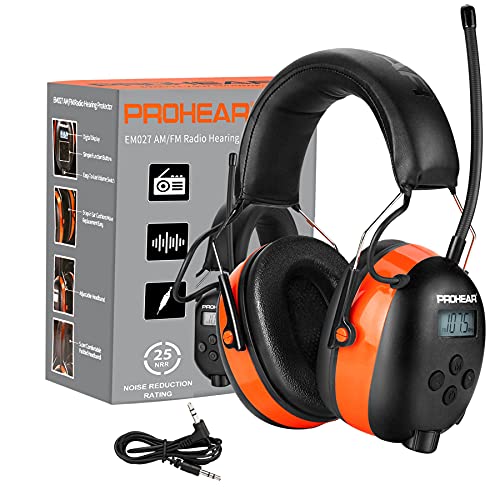
PROHEAR 027 AM FM Radio Earmuffs (Orange)
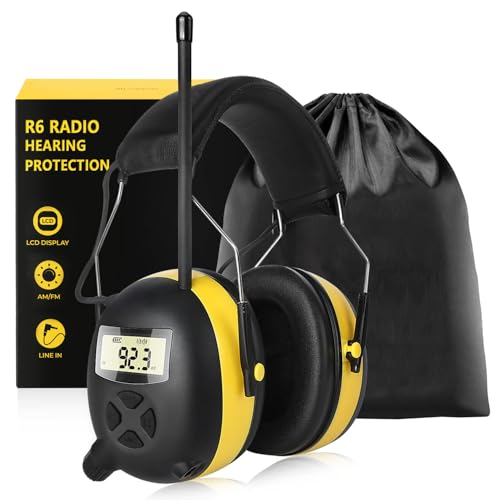
BJKing AM/FM Radio Headphones (Black-Yellow)

BJKing AM/FM Radio Headphones (Black)

BJKing EP003 AM/FM Radio Headphones (Black-Orange)
More On The Choices That Made The List
The Walker’s Razor Slim sits in the hearing protection aisle rather than the radio aisle, but that’s exactly why seasoned landscapers keep one in their truck. The slim earcup profile fits cleanly under a ball cap or hat brim, which matters when summer sun forces a cap on every mowing run.
Unlike the AM/FM-driven PROHEAR 027 reviewed later, this pair leans on amplified stereo sound and audio input, so pairing with a pocket radio or phone is the expected workflow. Range day users appreciate the same low-profile shape.
Why It Works Well
- Slim earcups slide under hats and brimmed caps without squeezing.
- Audio input jack supports phone or external radio playback.
- Compressible headband folds flat for storage in a tool drawer.
Things To Consider
- No built-in AM/FM tuner, so an external source is required.
- Battery compartment uses common cells that need occasional replacement.
Who It Suits Best
Shooters, range-goers, and homeowners who already carry a phone or scanner for audio.
Consider Something Else When
Shoppers wanting all-in-one AM/FM reception should look at the PROHEAR 027 covered below.
The 3M WorkTunes name carries weight in hearing protection circles, and the model covered here brings that heritage to the yard. It pairs built-in AM/FM radio with an audio input, making it a versatile pick for shop time and outdoor chores alike.
Where the Walker’s Razor Slim above focuses on a low-profile shape, the WorkTunes puts the radio front and center with simple tuning and volume controls mounted on the earcup. Garage tinkerers and weekend woodworkers find the layout intuitive.
What Helps Most
- Built-in AM/FM tuner removes the need for a separate radio.
- 3M’s established hearing protection pedigree reassures cautious shoppers.
- Audio jack accepts phone or scanner input when variety is wanted.
Points To Keep In Mind
- Earcup padding tends to wear with daily sweat and may need eventual replacement.
- Reception in rural areas can be inconsistent compared to the PROHEAR’s tuned antenna design.
Right Fit For
Homeowners splitting time between the workshop and the lawn who want a familiar brand name.
Look Elsewhere When
Listeners wanting sharper digital tuning should consider the BJKing EP003 later in this list.
The Kalence model skips AM/FM entirely and bets on Bluetooth streaming, which suits phone-first listeners. The yellow shell pops visually in tall grass, helping prevent the muffs from being left behind after a long day.
Bluetooth 5.4 (the latest widely deployed standard for stable wireless audio) means fewer dropouts at the edges of the yard compared to older 5.0 or 4.2 headsets. For mowing, snowblowing, and workshop tasks, the connectivity holds up well within typical property sizes.
Where It Helps
- Bluetooth 5.4 provides steadier streaming than older wireless versions.
- Rechargeable battery with a stated 120-hour working time stretches across weeks of weekend use.
- 30dB noise reduction rating handles common lawn and snow equipment.
- High-visibility yellow reduces the chance of misplacing the set outdoors.
Honest Caveats
- No AM/FM radio, so cord-free phone streaming is the only audio source.
- Charging routine replaces disposable batteries, which adds a step some prefer to skip.
Quick Facts
Built With In Mind
Yards with consistent phone signal and users who listen to podcasts or streaming playlists.
A Better Fit Elsewhere
Listeners wanting live local radio on the mower should look at the PROHEAR 027 instead.
The PROHEAR 027 earns its place as the everyday favorite for straightforward AM/FM listening in the yard. The orange ABS shell is light, the digital display sits at eye level on the earcup, and the controls are reachable without removing the muffs.
NRR (Noise Reduction Rating) is the U.S. standard measurement for how much a hearing protector reduces ambient sound, and the 027’s 25dB NRR lands in a useful middle zone for riding mowers and most gas-powered equipment. Compared to the Walker’s Razor Slim above, this pair brings its own radio rather than relying on a phone.
Good Reasons To Consider
- Digital display shows station and battery status at a glance.
- ABS shell keeps weight down for long mowing sessions.
- Strong AM/FM reception reported even on rural properties.
Potential Compromises
- 25dB NRR is solid but not the highest on this list; the BJKing sets below rate higher.
- Headband padding can compress over a season of daily wear.
Made For
Suburban homeowners and small-acreage users who want reliable local radio without pairing a phone.
Skip It When
Users wanting maximum noise attenuation for heavy equipment should pick a BJKing model covered below.
BJKing shows up three times on this list because the brand’s core feature set translates well to multiple shop and yard scenarios. The black-yellow colorway here reads as a balance between utility and visibility, and the 30dB SNR (Signal-to-Noise Ratio, the European equivalent of NRR for attenuation) means serious sound blocking for louder gear.
Auto-scanning and manual tuning both help when driving into a new coverage area, and the memory banks for 20 AM and 20 FM stations keep favorites close at hand. Compared to the PROHEAR 027 above, this pair pushes higher attenuation and more station slots.
Notable Gains
- 30dB SNR tackles louder tractors and chainsaw work.
- 40 preset slots cover long commutes between properties.
- Auto-scan finds new stations without taking the muffs off.
Practical Considerations
- Runs on 3 AAA batteries that must be replaced, not recharged.
- Foam earcups absorb sweat in summer and may need seasonal cleaning.
Best Suited To
Multi-acre property owners and contractors switching between mowing, landscaping, and construction noise.
Reach For A Different Pick When
Listeners wanting rechargeable convenience should consider the Kalence model reviewed earlier.
The all-black version of the BJKing set trades the high-contrast accents for a neutral finish that hides scuffs and dust. Functionally identical to its black-yellow sibling above, this variant appeals to shoppers who prefer muted gear in the truck or garage.
The 30dB SNR, 40-station memory, and digital LCD behave the same across the colorways, so the choice comes down to visibility preference. Landscapers working in muddy or dusty conditions often prefer darker shells that don’t show every mark.
A Few Highlights
- Neutral black finish hides everyday scuffs.
- Same 30dB SNR and station memory as the brighter sibling.
- Manual and auto-scan tuning handle shifting coverage areas.
Less-Strong Areas
- Black shell is harder to spot if dropped in tall grass.
- Still relies on disposable AAA cells rather than USB charging.
Feature Snapshot
Whose Shelf It Belongs On
Shoppers who like the BJKing feature set but want a finish that ages gracefully on a workbench.
Swap It Out When
Field workers who misplace gear easily should pick the brighter black-yellow BJKing above.
The EP003 rounds out the BJKing family with a foam-lined cup interior aimed at longer wear sessions. The black-orange colorway strikes a middle ground between utility and visibility, fitting for crews that want gear to look the part without shouting.
Like the other BJKing sets, the EP003 stores 20 AM and 20 FM stations and runs on AAA cells. The foam inserts distinguish it slightly from the hardier plastic pads on the standard shells, which suits users who wear muffs for hours at a stretch.
What Pays Off
- Foam earcup inserts cushion extended wear.
- 40-station memory covers regional favorites and travel markets.
- Digital LCD keeps battery, channel, and time visible at a glance.
- 30dB SNR handles noisy landscaping equipment.
Some Limits To Know
- Foam inserts absorb sweat and need periodic replacement.
- AAA battery requirement adds recurring cost over rechargeable options.
Technical Sheet
Perfect Match For
Users logging full-day mowing or landscaping sessions who want softer earcup contact.
Where A Sibling Pick Shines
Shoppers who prefer rechargeable batteries will find the Kalence model reviewed earlier a better match.
Picking The Right Pair For Your Yard
Comfort under pressure matters as much as raw audio quality. Cushion material, headband tension, and overall weight decide whether a pair gets worn or left on the bench after week one. Mowing sessions stretch from forty minutes to several hours, so a clamp that feels fine in the first ten minutes can turn into a headache by lunch. For most backyards, aim for a clamp force that sits snug without pinching, and check that the earcups clear eyeglass temples if glasses are worn.
Noise reduction rating deserves attention too. A 25dB NRR (the U.S. attenuation metric) handles riding mowers and string trimmers comfortably, while 30dB SNR covers chainsaws, leaf blowers, and older two-stroke engines. Heavier equipment and longer exposure push the need toward the higher end of this list.
Connectivity shapes daily habits. Bluetooth streaming rewards phone-first listeners who already carry a music library, while built-in AM/FM serves users who want news, weather, and local stations without pairing anything. A few models include both radios and an audio input jack, giving flexibility when coverage varies across a property.
Power source affects routine. Rechargeable batteries cut recurring cost and skip the AAA stockpile, but disposable cells keep working when a charging cable is nowhere nearby. For remote acreage without easy outlet access, AAA power can be the simpler path.
Key Considerations Across These Picks
Mistakes Worth Dodging
Choosing by appearance alone skips the most important spec: noise reduction. A bright shell is no help if the attenuation can’t handle the mower. Match the rating to the loudest tool used, not the average. Another common slip is ignoring eyeglass compatibility. Thick frames break the seal around the earcup and quietly reduce protection, so test fit with sunglasses on if mowing happens in bright sun.
Where The Extra Money Goes
Higher-tier models in this category typically add Bluetooth radios, rechargeable battery systems, and stronger attenuation ratings. For shoppers mowing a small suburban lawn weekly, those upgrades may not earn their keep. For contractors and acreage owners logging daily hours across multiple machines, the comfort, runtime, and connectivity gains tend to justify the step up.