
A noisy generator can sour a camping trip, wake the neighbors during an outage, and make tailgating feel less like a party and more like a construction zone. The shift toward inverter technology, better muffler design, and lithium battery backups means the field has genuinely changed: homeowners, RV travelers, and weekend creators now have real options that keep decibels low without giving up usable wattage. This roundup focuses on seven models spanning whole-home tri-fuel workhorses, ultra-compact camping companions, and silent battery stations that sip power while a fridge keeps cold.
The Essentials At A Glance

Westinghouse 14500 Peak Watt Tri-Fuel Home Backup Portable Generator

BLUETTI FridgePower Portable Power Station 2016Wh 1800W

Honda EU2200i Companion Inverter Generator (EU2200ITAN5)

EF ECOFLOW Delta 3 Portable Power Station 1024Wh 1800W
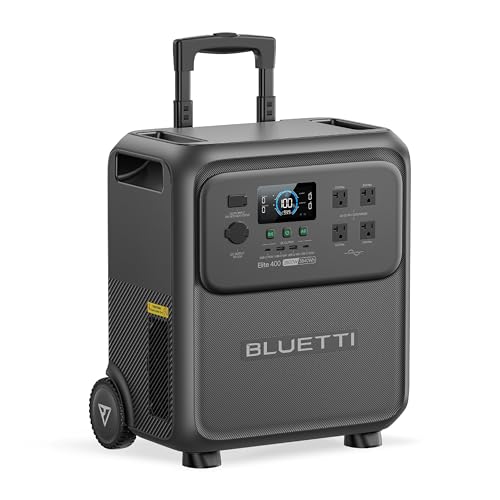
BLUETTI Elite 400 Portable Power Station 3840Wh 2600W

PowerSmart 2500W Portable Inverter Generator for Camping

BLUETTI Elite 100 mini Portable Power Station 1004.8Wh 700W
Why These Options Stand Out
Homeowners who want one machine that handles a transfer switch, a well pump, and the kitchen at the same time often end up looking at this Westinghouse. Running on gasoline, propane, or natural gas gives real flexibility: hook it to a gas line during a long outage, or grab a propane tank for shorter events. The remote electric start is a quiet quality-of-life upgrade, especially in bad weather.
It is bigger and louder than the inverter and battery picks further along in this list, so it lives best outside on a pad or in a sheltered spot. For families planning around multi-day outages rather than weekend camping, the tri-fuel convenience tends to outweigh the footprint.
Standout Benefits
- Tri-fuel setup lets owners switch between gasoline, LPG, and natural gas as supply and storage allow.
- Transfer switch readiness simplifies tying the unit into a home panel for whole-house coverage.
- Remote electric start removes the cold-start scramble during a storm.
- Heavy-duty engine and large fuel tank support extended runtimes during long grid failures.
- A single unit can power high-draw appliances that smaller inverters cannot handle together.
Worth Bearing In Mind
- Open-frame design runs louder than the inverter and battery options on this list, so placement away from bedrooms matters.
- Size and weight make solo transport awkward without the wheel kit positioned on solid, level ground.
- Routine oil checks and fuel stabilizer use are commonly reported as necessary to keep it starting reliably between seasons.
Feature Card
Right Fit For
Suburban homeowners in storm-prone regions who want one machine capable of running larger appliances during multi-day outages.
Look Elsewhere When
Campers and apartment dwellers should reach for the Honda EU2200i Companion or the BLUETTI Elite 100 mini instead, since neither needs open-frame muscle or fuel storage.
The FridgePower is designed around a single, anxiety-driven scenario: a fridge full of groceries and a power cut. Its low standby draw keeps the battery sipping energy rather than burning through it on phantom loads, which is why it outlasts many same-capacity rivals in real kitchens. The LFP (lithium iron phosphate) cell chemistry is the long-life chemistry of choice for stationary backup use.
It is a battery station, not a generator, so it stays truly silent and can sit indoors or in a closet. For households whose main worry is a half-day outage, or a long stretch of rate hikes and rolling blackouts, that trade tends to feel like a fair one.
What Earns Its Place
- Ultra-low idle consumption stretches runtime on fridge-duty longer than comparable stations.
- LiFePO4 cells hold up well to repeated deep cycles, which matters during repeated brownouts.
- Completely silent operation allows indoor placement next to the appliance it is protecting.
- Expandable design supports additional battery packs for longer coverage windows.
Practical Considerations
- Battery capacity caps total household coverage; central air and electric ovens stay off the menu.
- Recharging from a wall outlet takes several hours, so planning around longer storms matters.
- Owners commonly report keeping the unit partially topped up rather than letting it sit at zero between uses.
Made For
Households whose priority is keeping a refrigerator, router, and a few essentials alive through short-to-medium outages without any engine noise indoors.
Swap It Out When
The BLUETTI Elite 400 is a stronger match for shoppers needing larger capacity and higher-watt appliance support, while the Westinghouse tri-fuel unit is the right call when whole-house coverage matters most.
Honda’s EU2200i line has long been the reference point for low-noise inverter output, and the Companion variant leans into RV-friendly wiring with a built-in 30A outlet. Inverter generators produce clean, stable power (low total harmonic distortion), which is what allows sensitive electronics like laptops and CPAP machines to plug in without worry. Noise levels in the 48 to 57 dB(A) range put it roughly on par with a normal conversation at a few paces.
Parallel capability lets owners scale up by linking two units, which is a clever workaround for the 2200W ceiling. Compared with the Westinghouse tri-fuel unit, this is the lighter, quieter, far more campsite-appropriate choice.
Strong Points
- Low noise output is widely considered the benchmark in the portable inverter category.
- Inverter-clean power supports sensitive electronics directly, no extra surge protector required.
- 30A RV outlet simplifies hookup at campgrounds and tailgates.
- Lightweight, compact frame fits behind a truck seat or in an RV basement.
- Parallel-ready design scales output when an extra unit is paired.
Where It May Fall Short
- Single-unit output caps at 2200W, so central AC and large microwaves can push past it.
- Gasoline-only operation means fuel planning for longer trips.
- Oil changes and air-filter cleaning are commonly cited as regular upkeep for long service life.
Best Suited To
RVers, tailgaters, and homeowners wanting a refined, near-silent inverter for moderate-draw appliances and electronics.
Reach For A Different Pick When
The PowerSmart 2500W is a friendlier fit for budget-focused campers, while the BLUETTI Elite 100 mini suits shoppers wanting zero-fuel, indoor-safe operation.
Where the BLUETTI FridgePower above focuses on fridge endurance, the EcoFlow Delta 3 leans into recharge speed and ecosystem expansion. Fast AC and solar input means a full top-up can happen inside an hour, which changes how often the unit is actually useful day-to-day. The expansion path also plays well with shoppers who expect their needs to grow.
For apartment dwellers and home-office setups, the silent operation and compact frame tend to matter more than absolute capacity. A 1800W output handles most small appliances and even some heavier kitchen gear, but it will not run an electric dryer.
Strengths Worth Knowing
- High-rate AC input delivers fast top-ups, useful between brief outages or rolling blackouts.
- Solar input support lets owners trim grid reliance during sunny stretches.
- Expandable battery ecosystem scales up as household demand grows.
- Silent, indoor-safe operation suits bedrooms, hallways, and home offices.
Honest Caveats
- Capacity sits below the FridgePower and Elite 400 units on this list, so whole-home backup is not realistic.
- Fast-charge input requires a capable wall circuit to deliver the rated speeds.
- Firmware and companion-app behavior tend to evolve, so owners commonly report periodic app updates worth checking.
Feature Card
Who It Suits Best
Apartment residents and remote workers wanting silent, indoor-friendly backup with quick turnaround between uses.
Consider Something Else When
The BLUETTI Elite 400 is the stronger match for shoppers needing longer runtime, while the Honda EU2200i suits anyone prioritizing fuel-based portability.
The Elite 400 is the largest battery station on this list, built for households that want engine-free backup with enough capacity to absorb multi-day outages. A built-in trolley system acknowledges the obvious: 3840Wh of LFP cells is heavy. Moving it from storage to a living room still beats wrestling a gas generator into position.
It bridges the gap between the smaller FridgePower above and the gas-powered Westinghouse. Nine ports keep phone, laptop, kitchen, and even higher-watt appliances on the table at once.
Notable Gains
- Large LFP capacity supports fridges, internet gear, lighting, and selective appliance loads for extended outages.
- 2600W continuous output handles small AC units and most kitchen appliances.
- Trolley design eases placement inside a home without lifting the full weight.
- Silent operation means indoor placement next to living spaces stays comfortable.
- Versatile port array covers USB, AC, and DC needs at the same time.
Practical Considerations
- Full recharge times run long even on fast AC input, so charging ahead of storms matters.
- Unit weight limits how often it moves between locations, even with the trolley.
- Heavy-draw appliances like electric ovens and central HVAC still exceed its output ceiling.
Feature Card
Right Fit For
Homeowners in outage-prone regions wanting fuel-free, silent, multi-day backup for essential circuits and appliances.
Not Your Match When
Campers and tailgaters should reach for the Honda EU2200i or the BLUETTI Elite 100 mini instead, since neither demands trolley-scale weight.
PowerSmart positions this 2500W inverter as a quieter, more approachable alternative for weekend campers who do not need the Honda’s reputation but still want clean, stable output. At roughly 52 dBA from 23 feet, it sits in the lower-noise zone that does not get you kicked out of most campgrounds at moderate loads. The low THD (total harmonic distortion) figure also makes it safer for laptops and tablets.
Compared with the Honda EU2200i, output is slightly higher but the noise floor is competitive, depending on load. For shoppers focused on value, that trade often lands well.
A Few Strong Suits
- Low THD output protects sensitive electronics without extra conditioning.
- Modest noise floor at 25% load supports campground etiquette.
- 1.06-gallon fuel tank delivers multi-hour runtime for overnight trips.
- Higher peak output (2500W) handles small microwave or coffee maker surges comfortably.
Things To Consider
- Brand support and parts availability tend to be less established than legacy names like Honda.
- Runtime drops noticeably at higher loads, so heavy appliance use shortens fuel intervals.
- Owners commonly report regular oil changes as the key to reliable cold starts.
Best Suited To
Occasional campers and tailgaters wanting inverter-clean power at a more accessible cost than premium brands.
Skip It When
The Honda EU2200i is the better fit for shoppers prioritizing long-term durability, while the BLUETTI Elite 100 mini suits anyone wanting fuel-free, silent indoor use.
The Elite 100 mini is the smallest battery station on this list and the easiest to live with day-to-day. Its vertical, compact frame fits on a kitchen counter, under a desk, or beside a passenger seat, which is exactly where most people want backup power when they need it fast. The 700W continuous output keeps the door open for laptops, lights, routers, and small kitchen gear.
It trades outright capacity for portability, so it is less of a multi-day whole-house solution and more of a grab-and-go safety net. For van-lifers and remote workers in coffee shops, that is often the right shape.
Useful Highlights
- Compact, lightweight vertical frame suits desktops, counters, and small vehicles.
- LFP cell chemistry supports long cycle life for daily top-up routines.
- Silent operation allows indoor placement in offices and bedrooms.
- Sub-1kWh capacity still covers the daily essentials in typical homes.
Things To Weigh
- 700W ceiling excludes most kitchen microwaves and any heavy-draw appliances.
- Runtime is shorter than the larger BLUETTI stations on this list.
- Owners commonly report keeping a second charger on hand for road use.
Feature Card
Perfect Match For
Van-lifers, remote workers, and small-space dwellers wanting grab-and-go silent power for daily electronics and short outages.
Where A Sibling Pick Shines
The EcoFlow Delta 3 is a stronger fit for shoppers needing more output headroom, while the Honda EU2200i suits anyone wanting fuel-based runtime for longer trips off-grid.
Picking The Right Quiet Generator Without Regret
The first real question is whether a fuel-burning inverter or a battery station fits the situation. Inverter generators like the Honda EU2200i and the PowerSmart 2500W run on gasoline, deliver long runtime, and handle higher momentary surges, which makes them well-suited for RV travel, construction, and remote sites. Battery stations like the BLUETTI FridgePower, EcoFlow Delta 3, BLUETTI Elite 400, and BLUETTI Elite 100 mini run silent indoors, need no exhaust, and pair well with solar panels, which is why they shine in apartments and homes where noise or fumes matter.
Wattage matters more than most shoppers expect. A fridge, router, and phone charger together may only pull a few hundred watts, but adding a microwave or small AC jumps demand quickly. Continuous output is the number to focus on for steady loads, while peak or surge output covers startup spikes from motors and compressors. Stations rated below 1000W will not run a microwave or kettle, no matter how large their battery capacity.
Runtime and recharge behavior shape the daily ownership experience as much as the spec sheet. A unit that takes hours to refill is fine for overnight outages but inconvenient for daily cycling. Look for fast AC input, solar input flexibility, and a chemistry like LFP that tolerates repeated deep discharge without rapid wear.
Portability is the final practical filter: weight, wheels, and form factor decide whether a unit gets used or stays in a closet. The Elite 100 mini earns its keep because it actually gets carried; the Elite 400 earns its keep because it rolls. Pick the one that fits the route between storage and use.
Key Considerations Across These Picks
Pitfalls Shoppers Hit
Chasing the largest capacity number often leads to a station that sits unused because it is too heavy to move. The more useful question is how often the unit needs to travel between storage and use, since a model that never leaves the closet never pays back its cost. Quiet operation also varies more than spec sheets suggest, so checking dB ratings at 25% load gives a closer match to real camping and outage behavior than peak-load ratings.
What The Higher Tier Buys
Stepping up to the Westinghouse tri-fuel unit or the BLUETTI Elite 400 brings genuine capability gains: whole-home circuit coverage, multi-day runtime, or the muscle to run heavier appliances that smaller stations cannot handle. The upgrade earns its keep when outages are frequent or when the household genuinely needs central-air-adjacent loads supported, not when a fridge and a router are the only priorities.
Bottom Line
The right quiet generator depends less on brand and more on the room it has to live in. Whole-home outage prep points toward the Westinghouse tri-fuel unit, silent indoor backup points toward the BLUETTI stations, and campsite portability points toward the Honda or PowerSmart inverters. Match the form factor to the routine, and the rest usually sorts itself out.