
Sleeping on thin ground pads wears thin fast. Anyone who has spent a long weekend on bare tent floor knows the morning backache and the cold that creeps up through the back. Queen size camping cots solve both problems by lifting sleepers off the ground and spreading weight across a wider surface. This roundup looks at self-inflating foam mattresses that bring camp sleep closer to the bed-at-home feeling, without hauling a full air mattress.
A Fast Comparison Of The Options
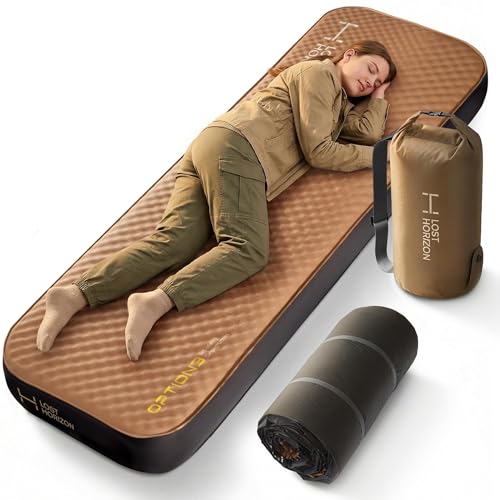
Lost Horizon Option3 Self-Inflating Mattress Cot 4.5″

Lost Horizon Option3 Self-Inflating Foam Mattress Twin 4.5″

Lost Horizon Option3 Self-Inflating Mattress Slim Single 3″

Lost Horizon Option3 Self-Inflating Mattress Queen 4.5″

Lost Horizon Option3 Self-Inflating Mattress Full 4.5″
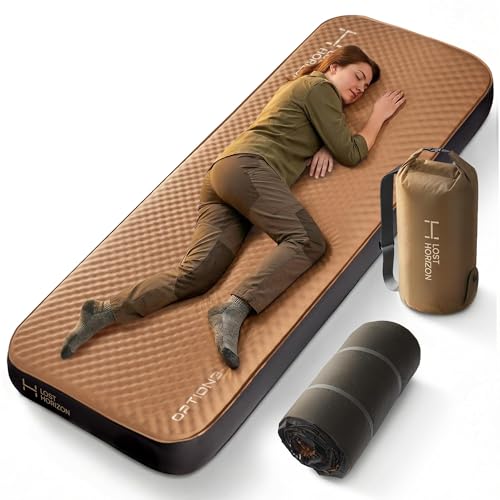
Lost Horizon Option3 Self-Inflating Mattress Single 4.5″
Inside Each Recommended Option
The Cot-format mattress targets campers who want more lift than a flat pad gives. At a 4.5-inch profile, the foam core brings real shoulder and hip support for side sleepers who tend to bottom out on thinner mats. The self-inflating design means the foam expands once the valve opens, so setup time drops compared with manual air pumps. The 5.5-pound foam fill keeps total weight manageable for short hikes to a base camp. Compared with the Twin pick later in this list, this Cot variant focuses on tighter dimensions rather than sprawl.
The narrower geometry works well inside solo or two-person tents where floor space is precious. Most owners report that the foam holds shape after repeated rolling and unrolling. The intended user is a car camper or base-camp sleeper who values lift more than width.
The Upside
- Cot-style construction lifts the sleeper well clear of cold ground.
- 4.5-inch foam core cushions shoulders and hips for side sleepers.
- Self-inflating valve cuts setup time at camp after a long drive.
- Compact footprint fits small tents where wider mats waste space.
Things To Consider
- 220-pound weight limit may feel tight for heavier sleepers.
- Cot dimensions mean less elbow room than the Queen or Full picks.
- Foam fill adds bulk to pack down, so storage in small packs is harder.
Who It Suits Best
Solo backpackers and car campers who want a lifted cot feel without hauling a frame.
Consider Something Else When
Couples sharing a tent should look at the Lost Horizon Option3 Self-Inflating Mattress Queen 4.5″ instead, since the Cot variant is sized for one.
The Twin mattress takes the same foam construction and stretches it across a longer, wider single-person footprint. The 8.5-pound foam core delivers noticeable cushioning at the hips and shoulders, and the 300-pound rating opens the door to a wider range of body types than the Cot variant. The self-inflating design still does the heavy lifting once the valve opens. Compared with the Slim Single later in the list, this Twin gives up some packability in exchange for genuine sleeping room.
Tent sleepers who toss and turn benefit from the extra length and width. Most users find the foam springs back well after long nights of use. The right shopper here is a solo camper who wants room to sprawl without stepping up to a Full-size footprint.
Points In Its Favor
- Twin dimensions give solo sleepers room to stretch out fully.
- 300-pound capacity supports a wider range of body types.
- Self-inflating foam cuts setup effort after dark at camp.
- 4.5-inch depth cushions pressure points better than flat pads.
Worth Noting
- Larger packed size makes it less friendly for tight pack loads.
- Heavier foam fill adds transport weight for trail walkers.
Right Fit For
Solo car campers and base-camp sleepers who want room without jumping to a Full footprint.
Skip It When
Campers hauling gear into small two-person tents will find the Lost Horizon Option3 Self-Inflating Mattress Slim Single 3″ easier to fit.
Key Specs
The Slim Single trims thickness to 3 inches and narrows the geometry to 62 by 26 inches, fitting places nothing else in this lineup does. Van sleepers, hammock-shelter campers, and anyone setting up inside a vehicle cargo area get a pad that actually fits. The self-inflating design keeps setup simple even in cramped quarters. Compared with the Cot pick earlier, this mat trades support depth for a much smaller packed footprint.
Campers working with limited floor space find the narrow geometry easy to position around gear. The honest read is that the thinner profile means side sleepers will feel the ground more than on the 4.5-inch options. Most owners appreciate the portability over long weekends in small shelters.
Advantages To Know
- 62×26 inch footprint slips into van interiors and small tents.
- 3-inch thickness keeps weight and packed size down for travel.
- Self-inflating valve simplifies setup in tight spaces.
- Narrow geometry leaves floor room for gear around the pad.
Trade Offs
- Thinner profile lets side sleepers feel the ground at hips and shoulders.
- Compact size leaves less room for tossing and turning.
Made For
Van lifers and small-tent campers who need a pad that fits where standard mats cannot.
Look Elsewhere When
Campers wanting real side-sleeping cushion should look at the Lost Horizon Option3 Self-Inflating Mattress Single 4.5″ instead.
This is the headline pick for anyone shopping queen size camping cots. The 4.5-inch foam construction is matched with a 440-pound weight capacity, comfortably handling two adults plus a child or dog. The 13-pound foam fill spreads air evenly through the internal structure, so the surface stays flat across the full footprint. Compared with the Full variant later in this list, the Queen stretches wider to give partners actual elbow room at night.
Couples and family campers get the closest thing to a household bed in a tent. You may find the packed size demands a vehicle rather than a backpack, but that trade-off comes with real sleep quality. Owners commonly report that the foam recovers well after a season of rolling and unrolling.
Bright Spots
- Queen footprint fits two adults without shoulder bumping.
- 440-pound capacity handles couples and family sleepers with room to spare.
- 4.5-inch foam core cushions pressure points on long trips.
- Self-inflating design removes manual pumping at camp.
Room For Improvement
- 13-pound foam fill is heavy for hike-in camping.
- Larger packed size needs a vehicle for transport.
Feature Snapshot
Who Will Love This
Couples and family campers who want a true queen-size sleep surface at camp.
Where Another Pick Suits Better
Solo sleepers in small tents will get more practical use from the Lost Horizon Option3 Self-Inflating Mattress Twin 4.5″ without the bulk.
The Full mattress lands between the Twin and Queen in this lineup, giving a solo sleeper more room than a Twin without the Queen footprint. The 12-pound foam fill pairs with the same 440-pound capacity as the Queen, so heavier sleepers get supported without compromise. The 4.5-inch depth mirrors the rest of the 4.5-inch series. Compared with the Queen pick above, this option trims width to cut weight while keeping the same height and load rating.
Solo campers who want to sprawl, plus pet owners sharing the pad with one large dog, fit this profile well. Depending on your tent dimensions, a Full may fit better than a Queen in tighter shelters. The foam tends to hold its loft after repeated compression cycles.
The Practical Payoff
- Full footprint gives a solo sleeper real sprawl room.
- 440-pound capacity handles heavier sleepers and shared use with pets.
- 4.5-inch foam core cushions long nights on hard ground.
- Self-inflating setup avoids manual pumping at camp.
- 12-pound foam fill trims weight compared with the Queen option.
Softer Spots
- Still too bulky for backpacking trips with weight limits.
- Not wide enough for two adults to sleep without contact.
Best Suited To
Solo campers and pet owners who want extra room without the Queen footprint or weight.
Not Your Match When
Couples sharing a tent should reach for the Lost Horizon Option3 Self-Inflating Mattress Queen 4.5″ instead.
Spec Overview
The Single mattress wraps the same 4.5-inch foam construction into the most compact footprint on this list. The 6.5-pound foam fill keeps total carry weight reasonable for short hike-ins, and the self-inflating valve removes the pump from the packing list. Compared with the Cot variant reviewed earlier, the Single trades lift for a slightly wider single-person layout that suits backpack sleepers.
Minimalist campers and weekend warriors find this size hits a sweet spot between comfort and packability. You may find the 220-pound capacity limiting for larger sleepers. Owners commonly report that the foam holds up well across multiple seasons when stored unrolled.
Positive Points
- 4.5-inch foam core lifts sleepers off cold ground.
- 6.5-pound foam fill keeps total pack weight modest.
- Self-inflating design cuts setup time after a long day.
- Compact single-person layout fits in solo and small two-person tents.
Minor Gripes
- 220-pound weight capacity is tighter than larger pads in the series.
- Foam fill still adds bulk compared with inflatable-only mats.
- Single dimensions feel cramped for restless sleepers.
Feature Card
Perfect Match For
Minimalist weekend campers and solo backpackers who want foam support without full-size weight.
A Better Fit Elsewhere
Campers wanting more sprawl room should consider the Lost Horizon Option3 Self-Inflating Mattress Twin 4.5″ instead.
What To Weigh Before Picking A Queen Size Camping Cot
A self-inflating foam mattress uses open-cell foam inside an airtight shell. When the valve opens, air rushes in and the foam expands, which is why setup is mostly hands-off. Foam fill weight tracks closely with overall packed size and support: heavier fills mean more loft and more bulk.
Thickness matters more than people expect. A 4.5-inch pad keeps hips and shoulders off the ground for side sleepers, while a 3-inch profile saves weight but lets pressure points show through. Weight capacity tells you the realistic load the mattress holds without bottoming out, so heavier sleepers should look at the 440-pound options. Size is the last big lever, since a Queen pad only works inside a tent with the floor area to match.
Where Shoppers Slip Up
Common Shopping Slip Ups
The classic mistake is choosing size before measuring the tent floor. A Queen mattress needs a tent rated for at least four occupants to actually fit alongside gear. Campers also underestimate packed weight, since foam-filled mats roll into larger bundles than all-inflatable designs. Finally, ignoring the weight capacity rating leads to bottoming out for heavier sleepers, even on a thick pad.
When Paying More Pays Off
Higher-tier foam pads earn their keep through thicker profiles, heavier foam fill, and higher weight capacities. The jump from a 3-inch pad to a 4.5-inch pad shows up clearly in side-sleeping comfort. For couples, the upgrade to a Queen footprint and a 440-pound capacity is the difference between a decent night and a real one. The extra weight and pack size only feel heavy to backpackers; car campers quickly forget the bulk.
Bottom Line
Any of the six Lost Horizon pads here will outclass a thin closed-cell foam mat on a hard camp night. Couples and family campers get the most out of the Queen variant, while solo travelers and van sleepers may find the Slim Single or Cot fits their setup better. Match the size and capacity to the tent and the sleeper, and the rest is straightforward.