
Cold nights ruin good trips. A sleeping bag that packs light on a thru-hike, survives a scout weekend in the rain, or keeps a toddler warm at daycare makes the whole outing calmer, and the right bag depends far more on use case than on specs alone. This shortlist covers four solid picks: three adult bags for backpacking and basecamp, plus one kid-sized nap mat for daycare, preschool, and travel naps. Each one earns its slot for a specific reason, and the trade-offs are honest so you can match a bag to your actual situation.
Your Options, Compared

QEZER Down Mummy Sleeping Bag 600 Fill Power
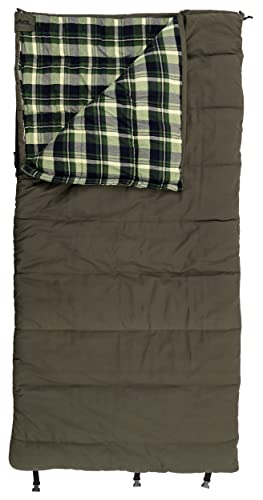
ALPS OutdoorZ Redwood -25 Sleeping Bag

Stephen Joseph Toddler Nap Mat with Blanket and Pillow
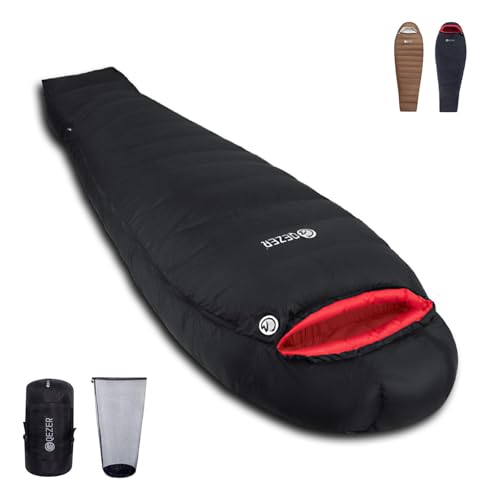
QEZER 0 Degree Down Sleeping Bag for Adults
Inside Each Recommended Option
The QEZER Down Mummy Sleeping Bag is shaped for trail efficiency, and that shape is the whole point. A mummy cut, which means the bag tapers at the feet and hugs the shoulders, reduces empty air inside so body heat has less room to escape. For three-season backpacking, that geometry matters more than a few ounces of fill weight.
Backpackers covering real mileage appreciate a bag that compresses tightly and stays out of the way. The QEZER fits that role on shoulder-season trips above the tree line, where cold snaps are possible but not constant. Climbers transitioning from summer alpine routes into autumn conditions may find this a sensible entry point before stepping up to a true winter bag.
Features That Help
- Mummy shape trims dead air and keeps warmth closer to the body
- Down fill compresses small, leaving room in a 50 to 65 liter pack for food and layers
- Lightweight enough for multi-day routes where every ounce adds up
- Draft collar and hood seal in heat on unexpectedly chilly nights
Worth Noting
- Down loses loft when soaked, so a waterproof pack liner or bivy is wise on wet trips
- Snug fit feels restrictive for restless sleepers who roll onto their side
- Long-term loft depends on careful storage, meaning loose in a closet, not crammed in the stuff sack
At A Glance
Who Should Grab It
Through-hikers and weekend backpackers who count grams and want a reliable three-season bag without paying premium prices.
Where Another Pick Suits Better
Campers running winter trips or anyone who sleeps flat on their back should reach for the ALPS OutdoorZ Redwood -25 instead, since it trades compactness for room and warmth.
The ALPS OutdoorZ Redwood -25 is a different animal from the QEZER mummy above. Built as a heavy-duty oversized rectangle, it gives sleepers room to stretch out, layer up, or share space with a partner. The Techloft insulation inside uses multi-hole micro-denier fibers with a siliconized finish, a construction designed to trap warmth while resisting moisture better than basic synthetics.
For hunters, ice anglers, and basecamp campers spending long stretches in one spot, the trade-off makes sense. The bag packs larger than a mummy, but it earns its weight by handling serious cold. Truck campers and cabin sleepers with no pack-space pressure may find this a comfortable, durable choice.
Reasons It Performs
- Rectangular cut gives elbow room for restless sleepers and side-sleepers
- Synthetic Techloft insulation keeps insulating loft in damp conditions
- Lower-limit rating supports extended winter use rather than shoulder-season only
- Generous dimensions suit taller campers and those who dislike tight bags
Trade Offs
- Bulky stuff sack takes up real cargo space in smaller vehicles and packs
- Heavier carry weight makes it a poor match for mileage-focused backpackers
- Synthetic fill dries slower than down if it gets fully soaked
Right Fit For
Winter base campers, truck campers, and hunters who need serious cold-weather protection without a mummy’s restrictive shape.
Consider Something Else When
Long-distance backpackers should consider the QEZER 0 Degree Down Sleeping Bag instead, since its down fill cuts weight on the trail while still handling sub-freezing temperatures.
For parents, the gear shuffle at daycare drop-off gets old fast. The Stephen Joseph Toddler Nap Mat solves that problem by combining a mat, attached blanket, and removable pillow into one connected piece. The whole thing folds up with hook-and-loop carry straps, which most kids master quickly.
Polyester construction means the mat handles spills and frequent washes without falling apart, a real concern once a child owns it for a school year. The camo pattern shown here is one of many available, so matching a child’s taste is rarely an issue. Daycare teachers, preschool staff, and grandparents running overnight visits get a predictable, easy-to-store option.
The Helpful Details
- All-in-one design eliminates lost blankets and stray pillows in cubbies
- Carry straps let toddlers manage their own nap gear, building independence
- Front pocket holds small comfort items like a stuffed animal or pacifier
- Polyester fabric tolerates repeated machine washing throughout the school year
Minor Gripes
- Fixed dimensions outgrow a child faster than adult bags, so longevity is limited
- Attached blanket cannot be swapped out for a heavier one in cold rooms
- Carrying strap hook-and-loop wears out faster with daily daycare transport
Quick Facts
Whose Shelf It Belongs On
Parents of toddlers and preschoolers who need a single, washable nap setup for daycare, preschool, or grandparent visits.
A Better Fit Elsewhere
Families camping with older kids should look at the adult QEZER options reviewed above, since those handle outdoor conditions the nap mat is not built for.
The QEZER 0 Degree Down Sleeping Bag steps up from the brand’s 600-fill mummy above into genuinely cold territory. Down fill at a 0-degree rating handles frosty nights at altitude, late-season hunting camps, and shoulder-season alpine starts where temperatures dip well below freezing before sunrise.
Backpackers who push into winter conditions but still need to move benefit most. The bag keeps weight low while pushing the comfort range into territory that many budget synthetic bags struggle to reach. Campers pairing it with a quality sleeping pad see the rating hold up more reliably than on bare ground.
Where It Helps
- Down insulation delivers strong warmth without bulk in the pack
- 0-degree rating opens late-fall and early-spring trip windows most bags cannot cover
- Mummy shape concentrates heat where it counts most, at the core and feet
- Compresses tightly enough for winter multi-day routes with careful packing
Soft Spots
- Wet down loses insulating power quickly, so a dry strategy is non-negotiable
- Heavier than the brand’s 600-fill mummy, which adds up on long mileage days
- Tight mummy fit frustrates anyone who shifts positions through the night
Built With In Mind
Late-season backpackers, alpine hunters, and climbers transitioning into shoulder-season objectives who need serious warmth without a bulky synthetic package.
Reach For A Different Pick When
Stationary winter campers prioritizing room and moisture resistance should choose the ALPS OutdoorZ Redwood -25, since its synthetic insulation handles damp basecamp environments with more forgiveness.
Matching A Sleeping Bag To The Way You Actually Camp
A sleeping bag’s temperature rating deserves a closer look before any decision. The number on the tag usually reflects a survival limit, meaning the bag keeps a person alive, not necessarily comfortably rested. Picking a bag rated 10 to 15 degrees below the coldest expected temperature gives a much better night’s sleep on real trips.
Shape matters in ways specs cannot fully capture. Mummy bags win on warmth-to-weight but feel tight to anyone who shifts onto their side. Rectangular bags give generous space but require more insulation to stay warm, since internal volume increases. Oversized rectangles like the ALPS Redwood split the difference by adding shoulder room while keeping a flatter profile.
Fill type drives both weight and weather behavior. Down compresses smaller, weighs less, and lasts longer when cared for, yet loses loft quickly when soaked. Synthetic fills cost less, perform better when damp, and dry faster around a campfire, but they pack larger and add weight. Climate and trip style together determine which trade-off fits a given outing.
Smart Considerations Across This Lineup
Wrong Turns To Avoid
Picking a bag by its temperature rating alone leads to cold nights more often than expected. Many shoppers skip the sleeping pad, then wonder why their 20-degree bag feels frigid at 30 degrees. The pad underneath insulates the body from the ground, and without it, even premium bags lose serious warmth through compression of the fill.
What The Higher Tier Buys
Spending up generally delivers higher fill power, meaning the down’s ability to loft per ounce, plus tougher shell fabrics and better draft collars along the zipper and hood. Those upgrades show up after years of use rather than on the first trip, which is why frequent backpackers tend to feel the difference most.
Final Verdict
Four bags, four jobs. Backpackers chasing mileage gravitate toward the QEZER 600-fill mummy. Cold-weather travelers find their match in the 0-degree QEZER or the ALPS Redwood, depending on space and weather. Parents managing daycare logistics get reliable help from the Stephen Joseph nap mat. Match the bag to the trip, and the rest of the night tends to take care of itself.