
Raising a backyard flock starts with a shelter that actually fits the space, the climate, and the number of birds in mind. The six prefab chicken coops and coop accessories below cover a realistic spread, including compact molded-plastic hutches, steel-framed walk-in runs, and hardware upgrades that solve common predator problems. Each pick was chosen for a specific use, from renters keeping two hens on a patio to homesteaders running a dozen birds through winter. Materials, dimensions, and real-world fit matter more than brand hype, so the focus stays on what the build actually delivers once it’s in the yard.
A Quick View Of The Lineup
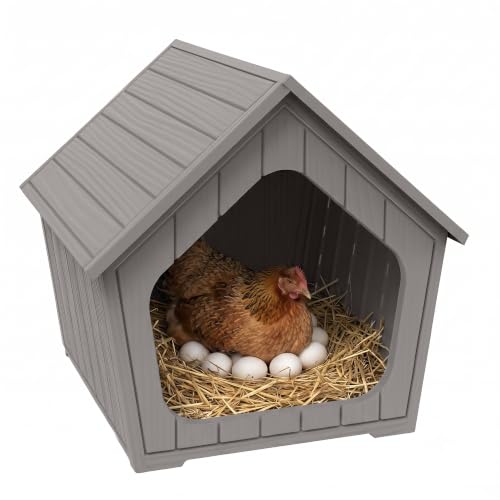
Vixzen Outdoor Indoor Chicken Coop, Grey

AdorStore ADOR1 Automatic Chicken Coop Door

PETSFIT Chicken Perch, Solid Wood Roosting Bar
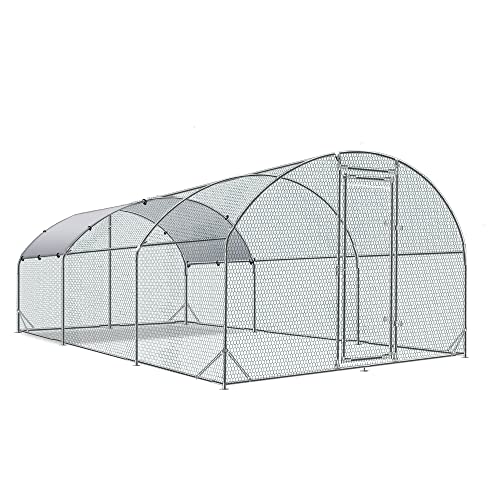
Betterhood Metal Chicken Coop 19’L x 9’W x 6.5’H

Betterhood Metal Chicken Coop 6.6’L x 9’W x 6.5’H

Betterhood Metal Chicken Coop 6.5’L x 9’W x 6.5’H
Inside Each Recommended Option
Small-flock keepers often need a coop that travels between indoor brooding and backyard placement, and the Vixzen molded-plastic hutch handles both. Smooth rounded corners keep birds from scraping themselves when they duck through doorways, which is a real concern with lightweight plastic builds where sharp mold seams can catch feathers. The grey resin shell wipes clean with a damp rag, a quiet advantage when droppings need daily attention.
For a city porch or a covered patio, the footprint stays manageable while still giving two or three hens a defined shelter. Compared with the Betterhood walk-in runs reviewed later, this is firmly a “starter” option for those not yet ready for steel framing.
A Few Strong Suits
- Rounded molded edges reduce scrapes during entry and exit
- Resin shell wipes down quickly, which helps control odor in small spaces
- Light enough to reposition across a patio through the day
- Doubles as a brooder for chicks before they move to a larger run
Small Caveats
- Molded plastic can grow brittle in prolonged freezing temperatures
- Best reserved for limited flocks rather than a full laying setup
Who Will Love This
Urban keepers raising two or three hens on a covered patio or porch.
A Better Fit Elsewhere
Homesteaders running a larger flock should step up to the Betterhood 19-foot walk-in run instead.
The AdorStore ADOR1 isn’t a coop, it’s the door upgrade that fixes the weakest point of most prefab setups. A 13 x 10.5 inch opening accommodates heavy breeds and roos without squeezing, while the galvanized steel plate resists raccoons, foxes, and determined dogs that tend to test plastic doors first. Owners in regions with active predator pressure will appreciate that the same direct-drive sprocket that opens it holds it firmly shut.
The included 6-volt lantern battery means the unit is functional out of the box, and adjustable open/close timing relative to sunrise and sunset removes the daily chore of manual latching. Compared with the plastic Vixzen hutch reviewed earlier, this door is the practical upgrade that should follow once a flock graduates beyond a starter shelter.
Notable Gains
- Galvanized steel plate resists chewing and prying far better than plastic doors
- Direct-drive sprocket holds the door locked in the closed position
- Sunrise and sunset scheduling removes a daily chore
- Wide opening accommodates large heritage breeds without bottlenecking
- Battery included so installation isn’t held up by extras
Points To Note
- Requires a clean cutout in the existing coop wall for mounting
- Higher material cost than a manual wooden door
Built With In Mind
Flock keepers in predator-active regions who want automated day-to-day protection.
Swap It Out When
Those raising just two or three hens on a covered porch will get more value from the simpler Vixzen hutch.
The PETSFIT perch solves a problem many prefab coops ignore: birds need a defined roosting bar that’s the right width for their feet. A 2-inch-wide fir wood top lets chickens grip flat-footed rather than balancing on skinny dowels, which reduces leg strain over time. The rustproof frame handles the damp air inside a coop without corroding, and the swing component adds mild enrichment for bored birds. Compared with the steel-framed runs below, this is the indoor accessory that completes a smaller shelter.
Advantages To Know
- Fir wood top with a flat 2-inch grip supports healthy roosting posture
- Rustproof iron frame holds up to humidity and droppings
- Suitable capacity for roughly 10 to 12 birds at once
- Swing element adds gentle activity during long indoor hours
Worth Bearing In Mind
- Wood top will need an occasional sanding once it gets soiled
- Best installed alongside a coop rather than as a standalone perch outdoors
Perfect Match For
Keepers expanding roost space inside an existing prefab coop or garage setup.
Reach For A Different Pick When
Anyone needing a full outdoor enclosure should look at the Betterhood 19-foot walk-in run instead.
The 19-foot Betterhood walk-in run is the pick for keepers who need real square footage rather than a starter shelter. A heavy-duty steel frame with triangular support columns stays rigid across the long span, which matters once snow load or a curious dog leans against the wire. The galvanized finish resists corrosion through wet seasons, and the included UV-treated cover shields birds from direct sun and rain without sealing in humidity.
For anyone graduating from the compact Vixzen hutch reviewed earlier, this is the structure that handles a working flock. Compared with the smaller Betterhood 6.6-foot option, the extra length simply gives birds more roaming room without doubling the assembly effort.
Points In Its Favor
- Triangular steel supports keep the frame rigid across a 19-foot span
- Galvanized coating holds up through repeated wet-dry cycles
- UV cover shields birds from sun and rain without trapping heat
- 6.5-foot interior height lets most adults walk in upright for cleaning
Trade-Offs To Consider
- Long footprint demands a flat, level patch of yard for assembly
- Wire mesh may need periodic tightening where birds push against it
- Cover blocks heavy snow from accumulating directly on the run
Right Fit For
Homesteaders and serious hobbyists running a laying flock of eight or more birds.
Look Elsewhere When
Smaller flocks in tight suburban yards get better daily use from the Betterhood 6.6-foot run.
The 6.6-foot Betterhood run takes the same steel-framed construction as the larger 19-foot version and compresses it into a footprint that fits a side yard. Triangular supports and a galvanized finish remain intact, so the structural benefits travel down to this smaller unit. For a flock of four to six hens, this is the sweet spot between the compact Vixzen hutch and a full walk-in.
The 6.5-foot interior height still allows upright cleaning access, which removes the crawl-in inconvenience of shorter runs. Compared with the 19-foot sibling, the shorter length means fewer panels to align during setup, which matters for first-time builders.
Everyday Perks
- Steel frame with triangular supports holds shape across the 9-foot width
- Galvanized finish extends service life in damp climates
- Walk-in height simplifies daily scooping and bedding swaps
- Compact footprint fits lots zoned for limited accessory structures
Honest Caveats
- Shorter length limits roaming for active flocks
- Cover can wear at panel seams if repeatedly tensioned
Whose Shelf It Belongs On
Suburban keepers with four to six hens and a modest side-yard footprint.
Skip It When
Larger flocks will need the breathing room of the Betterhood 19-foot walk-in run.
The 6.5-foot Betterhood run is the tightest footprint in the lineup while keeping the full 6.5-foot interior height. For keepers working with a narrow side passage between a house and a fence, this is often the only prefab option that physically fits. Triangular supports and the galvanized treatment carry over from the larger siblings, so durability isn’t sacrificed.
The trade-off is straightforward: a flock of three or four hens gets comfortable quarters, but anything beyond that will feel crowded quickly. Pairing it with the PETSFIT perch reviewed earlier helps maximize the use of a smaller interior.
The Upside
- Slender footprint fits side yards and narrow property strips
- Walk-in height keeps daily maintenance simple
- Galvanized steel frame resists corrosion in humid regions
- Triangular supports keep the narrow span from racking
Some Limits To Know
- Tight interior limits flock size to roughly three or four birds
- Shorter length leaves less shaded retreat space in direct sun
Best Suited To
Urban and small-lot keepers running a compact laying group in a constrained yard.
Not Your Match When
Homesteaders with more than four hens will find the Betterhood 19-foot run a more workable daily setup.
What Matters Most When Choosing Prefab Chicken Coops
A prefab coop only works when it matches the actual flock size, climate, and predator pressure on the property. The biggest practical filter is square footage per bird, since overcrowding quickly leads to pecking and soiled bedding. Most healthy setups aim for at least four square feet of run space per hen, with more room if the birds stay confined full-time.
Material choice drives long-term cost. Molded plastic like the Vixzen hutch is light and easy to clean, but becomes brittle after repeated freeze-thaw cycles. Galvanized steel frames, as on the Betterhood runs, hold up across years of weather but require a flat, level patch for assembly. Wood accessories like the PETSFIT perch feel natural underfoot but need occasional refinishing.
Predator pressure changes the hardware decision. In regions with active raccoons or foxes, a galvanized automatic door like the AdorStore ADOR1 is the upgrade that pays for itself, since plastic doors are usually the first failure point. For low-pressure suburban settings, a well-fitted manual door is usually enough.
Climate also shapes the build. UV-treated covers on the Betterhood runs shield birds from direct sun without sealing in heat, while flock keepers in snow-prone regions should plan for run covers that shed rather than accumulate. Ventilation matters more than insulation for most breeds, since damp air causes respiratory issues faster than cold air does.
Smart Picks, Smart Choices
Mistakes Worth Dodging
Buying by flock capacity alone is the most common slip, since advertised “fits 6 chickens” often assumes free-range daytime access. Run dimensions matter more than the headline number, and a cramped run turns into a behavioral problem within weeks. Another trap is underestimating predator exposure; a coop in a “quiet” suburban yard still meets foxes, hawks, and the occasional raccoon, so the door and mesh gauge deserve real attention.
The Case For Spending Up
Higher-tier prefab chicken coops cost more because the steel is heavier, the fasteners are better, and the covers are actually UV-treated rather than thin plastic. The AdorStore ADOR1 is the clearest example, where galvanized construction and a locking sprocket replace parts that usually fail first. For keepers who plan to keep birds for years rather than a single season, the upgrade pays back through fewer replacements and fewer predator losses.
Closing Remarks
A good prefab chicken coop is the one that fits the actual yard, the actual flock, and the actual climate, not the one with the most polished listing. Match the structure to the birds, pair it with the right hardware, and the daily routine stays simple through every season.