
Modern camping means more than a flashlight and a cooler. Charging phones, running a coffee maker, powering a portable fridge, or keeping a CPAP machine running through the night, all of it demands a serious portable energy source. Choosing one comes down to battery chemistry (LiFePO4, often shortened to LFP, is the long-lasting standard most new stations use), how the wattage matches the gear you actually bring, and whether the form factor fits your vehicle or tent setup. The seven options below cover everything from a quick weekend at a drive-in site to a base camp that needs silent power for days.
A Fast Comparison Of The Options

BLUETTI FridgePower Portable Power Station 2016Wh 1800W

Honda EU2200i Companion 2200W Inverter Generator

EF ECOFLOW Delta 3 Portable Power Station 1024Wh
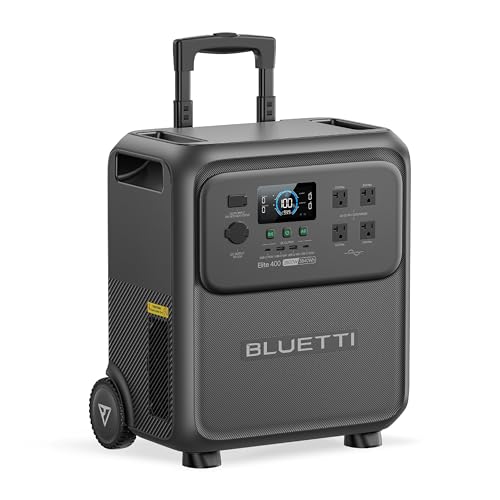
BLUETTI Elite 400 Portable Power Station 3840Wh 2600W

EF ECOFLOW RIVER 2 Portable Power Station 256Wh

BLUETTI Elite 100 mini Portable Power Station 1004.8Wh

EF ECOFLOW River 3 Plus Extra Battery EB600
The Picks, Examined More Closely
The BLUETTI FridgePower sits at the intersection of home backup and weekend camping, leaning hard toward anyone who refuses to lose a cooler full of food the moment the grid stutters. Its 2016Wh LFP cell paired with 1800W of continuous output is sized so that a typical camping fridge can coast for an evening on its own, and stretch much further when the station is doing the heavy lifting.
For most campers, the practical upside is straightforward: a single power source handles lights, phone charging, a small induction cooktop, and a fridge at the same time without tripping into overload protection. Owners commonly find the standby draw extremely low, which means less wasted energy when nothing is plugged in. Compared with the smaller RIVER 2 reviewed later, this unit trades portability for hours of unhurried runtime.
Useful Highlights
- 2016Wh LFP battery keeps a portable fridge cycling through overnight outages without manual intervention.
- 1800W continuous output covers small kitchen appliances and heavier chargers side by side.
- Expandable with BlueCell 200 batteries for multi-day trips where recharging access is limited.
- Low standby drain protects stored capacity when nothing is actively drawing power.
Things To Consider
- Heavier and bulkier than the BLUETTI Elite 100 mini, which may matter for backpackers.
- Recharge speed depends heavily on the input source used, so pairing with the right charger matters in the field.
Key Advantages
Who Should Grab It
Car campers and tailgaters running a portable fridge, plus anyone who treats their station as a home backup for short outages.
Swap It Out When
Reach for the BLUETTI Elite 100 mini instead when trunk space is tight and a 1kWh class unit is enough.
The Honda EU2200i Companion is the outlier in this roundup on purpose. It burns gasoline rather than sipping from a battery pack, and that single fact changes the whole ownership picture. Run time is limited only by how much fuel is on hand, and 2200W of inverter-clean power (an inverter generator produces stable, electronics-safe electricity instead of the rougher output of older conventional generators) handles things a battery station can only dream about, like a small air conditioner or a 30A RV hookup.
For RV base camps and serious tailgaters, that means no more juggling which appliances get plugged in. You may find the noise still noticeable at full tilt, but in the 48 to 57 dB(A) range it’s significantly quieter than open-frame contractor generators. The trade-off is fuel storage, oil changes, and exhaust placement, so this is not the choice for tent-only campers or anyone barred from generator use at their site.
Real Benefits
- 2200W inverter output is safe for laptops, phones, and medical electronics.
- Built-in 30A outlet supports RV hookups without an adapter.
- Parallel capability lets two units combine for higher output when needed.
- Fuel-based runtime scales with how much gasoline you pack, not battery limits.
Honest Caveats
- Requires fuel, oil, and periodic maintenance that battery stations skip entirely.
- Not allowed at every campground, so always check site rules before committing.
Right Fit For
RV owners and base-camp organizers running high-draw gear that battery stations cannot match.
Where Another Pick Suits Better
Switch to the BLUETTI FridgePower when quiet hours, tent camping, or zero-fuel simplicity matter more than raw output.
EF ECOFLOW built the Delta 3 for campers who don’t want to wait around for a refill. With combined AC and solar input topping out at a substantial rate, the unit goes from empty to full in roughly an hour under ideal conditions, and an 80% top-up can land inside half an hour. That pace changes how a weekend is planned: a lunch-break recharge at a cafe with a wall outlet, or a few midday sun hours, gets the station back into action.
The 1024Wh capacity paired with 1800W of output covers most camper loads without complaint, and integration with EcoFlow’s larger ecosystem means capacity can grow as needs grow. Compared with the more compact RIVER 2 below, the Delta 3 trades a bit of portability for serious recharge headroom and extra ports.
Useful Strengths
- Rapid AC input shortens downtime between uses during multi-day trips.
- Compatible with Delta series expansion batteries for growing storage needs.
- 1800W output covers hair dryers, microwaves, and small kitchen tools.
- App-based monitoring gives real-time visibility on draw and remaining capacity.
Points To Note
- Fastest recharge numbers assume high-watt AC input, which not every outlet supports.
- Expansion batteries are sold separately, adding cost for full modular growth.
Built With In Mind
Campers who move between sites often and want a station that refills quickly from any wall outlet they find.
Skip It When
The EF ECOFLOW RIVER 2 is a better grab-and-go fit for ultralight backpackers who do not need 1800W of output.
The BLUETTI Elite 400 is a base-camp workhorse built for people who treat their weekend like a small expedition. The 3840Wh LFP battery delivers more than three times the capacity of the Delta 3 above, and the 2600W continuous output (surging to 3900W) lets the unit start gear that punishes smaller stations. For most families running a fridge, lights, a projector, and a phone or two, this is sized to handle a full weekend on a single charge.
The integrated trolley system is the practical touch that earns this station a place on the list: with a battery this large, portability would be a problem without it. Owners commonly move the unit from vehicle to campsite with one hand. Compared with the BLUETTI FridgePower reviewed earlier, the Elite 400 adds output headroom and a meaningful capacity jump for those who need it.
Key Advantages
- 3840Wh LFP capacity supports multi-day base-camp use without recharging.
- 2600W continuous output handles power tools, microwaves, and small AC units.
- Nine output ports cover diverse gear without hunting for adapters.
- Trolley system makes the heavy form factor manageable for one person.
Practical Considerations
- Physical size rules out backpack use and strains smaller vehicle cargo areas.
- Long recharge times from standard wall outlets mean planning around solar or high-watt input.
Feature Snapshot
Whose Shelf It Belongs On
Large-family campers, overlanders, and anyone running a generator-replacement setup at base camp.
Look Elsewhere When
The BLUETTI Elite 100 mini is the smarter call for solo car campers who rarely exceed 700W of draw.
The RIVER 2 is the unit backpackers and ultralight campers keep coming back to. At 256Wh with a 300W AC output (and higher surge for short startup bursts), it covers the essentials: phone charging, a headlamp battery bank, a small fan, and a camera or two. The full AC refill in roughly an hour means a lunch stop at any cafe with a wall outlet restores the station for the second half of a day.
For most weekend trips with a tarp or a one-person tent, that capacity is the right size. Owners commonly find the LFP chemistry reassuring for the long haul since cycle life matters more than peak capacity for a unit this small. Compared with the Delta 3 reviewed above, this one trades almost everything for portability and a lower price point.
What Helps Most
- Compact size fits in a backpack or small vehicle cargo nook.
- Hour-long AC recharge minimizes downtime at any powered stop.
- LFP battery is rated for years of regular cycling.
- USB-C and AC ports cover both modern and legacy devices.
Worth Noting
- 300W continuous output cannot run a hot plate or hair dryer for long.
- Small capacity means overnight fridge use is unrealistic on this station.
Made For
Solo backpackers, bikepackers, and minimal-load campers who want a station they can carry without thinking about it.
A Better Fit Elsewhere
The BLUETTI Elite 100 mini suits car campers who want more headroom without giving up too much portability.
BLUETTI’s Elite 100 mini addresses a real complaint campers have about the 1kWh class: too big, too heavy. At roughly 24 pounds and a footprint smaller than a microwave, this station delivers 1004.8Wh of LFP storage with 700W of output in a form factor that fits on a kitchen counter, a tailgate, or beside a cooler without dominating the space.
That vertical, compact design is the entire pitch. Owners commonly use it to power a single appliance plus accessories overnight, which covers a wide swath of two-person car-camping setups. Compared with the much larger Elite 400 reviewed above, this one trades capacity for the kind of grab-and-go convenience a sedan driver can actually use.
The Good Stuff
- Significantly smaller and lighter than other 1kWh-class stations.
- Vertical footprint slips into trunks and countertops with room to spare.
- LFP chemistry delivers long cycle life for repeat weekend use.
- 700W output handles common camping appliances without tripping protection.
Soft Spots
- 700W ceiling excludes hair dryers, microwaves, and most heaters.
- Capacity is generous but not expandable with extra battery packs at this size.
Quick Facts
Best Suited To
Car campers and van dwellers who want meaningful capacity without dedicating a cargo bay to a battery.
Reach For A Different Pick When
The BLUETTI Elite 400 is the better base-camp match for groups running multiple high-draw appliances at once.
The EcoFlow EB600 is not a standalone power station. It’s an expansion battery designed to stack onto the River 3 Plus with a pogo-pin connection (a small spring-loaded contact that clicks into place without tools), adding 572Wh and bringing total capacity to 858Wh. That detail matters because it changes how the rest of the roundup is used: campers who already own the River 3 Plus or are planning to buy one get a clean upgrade path.
For most users, the appeal is flexibility. A solo weekend trip runs on the base unit alone, and longer trips add the EB600 without cables, screws, or complicated setup. The extra battery also works independently for lighter loads, which is genuinely useful for charging devices at a distance from camp. Compared with the Delta 3 reviewed earlier, this is a modular answer rather than a single-box solution.
Benefits That Matter
- Adds 572Wh of capacity without extra cables or tools thanks to the pogo-pin design.
- Functions independently for lighter loads away from the main station.
- Lets a small starter kit grow into a longer-trip setup over time.
- Stacks cleanly, keeping the overall footprint compact.
Trade-Offs To Consider
- Requires a compatible River 3 Plus base unit to deliver full value.
- On its own, output is limited and the unit is not a complete power solution.
Perfect Match For
EcoFlow owners planning a phased build-out, or anyone who wants expandable capacity without buying a whole new station.
Not Your Match When
The EF ECOFLOW Delta 3 is the smarter standalone purchase for campers who do not already own a River 3 Plus.
Choosing The Right Portable Power For The Camp
Capacity Vs. What You Actually Plug In
Battery capacity is measured in watt-hours (Wh), and the simple mental model is one Wh per watt of draw per hour. A 100Wh phone charge, a 50W camping fan running for eight hours, and a 60W portable fridge cycling through a day all add up differently. For two-night car-camping weekends, the 1000Wh class lands in the sweet spot for most campers. For multi-day trips with a fridge running continuously, jumping to the 2000Wh+ class avoids the anxiety of mid-trip rationing.
Output Wattage And Startup Surges
Continuous output (the watts a station can sustain) and peak output (the brief surge a station delivers to start motors and compressors) are both worth checking. Hair dryers, microwaves, and induction cooktops all demand high continuous wattage. Compressor-driven fridges, fans, and some power tools need a peak surge that can be two to four times their running draw. Match the station to the highest-watt appliance you expect to run, and confirm the surge rating covers startup loads.
Battery Chemistry And Lifespan
LFP (lithium iron phosphate) batteries dominate the modern portable market because they tolerate more charge cycles before noticeable degradation, handle high temperatures better, and stay chemically stable. A station rated for several thousand cycles to 80% capacity will outlast one rated for a few hundred by years of real-world use. For most campers, that chemistry is the default worth choosing.
Port Mix And Recharge Options
AC outlets handle household plugs, USB-C ports charge modern electronics directly, and 12V car-style outlets cover many camping-specific accessories. Recharge input matters just as much: stations with high-watt AC input and solar input recover fastest, and a unit that supports pass-through charging (running gear while the station itself is plugged in and refilling) simplifies long base-camp setups.
Key Considerations Across These Picks
Where Shoppers Go Wrong
Underestimating peak draw is the most common slip up. A fridge might run on 60W but spike to several times that when the compressor kicks on, and a station that handles the running watt can still trip on the surge. Check both numbers before committing. Another mistake is buying capacity without considering recharge speed: a 3000Wh station that takes a full day to refill from a wall outlet is a poor fit for travelers who move daily.
When Paying More Pays Off
The jump from compact to premium stations buys higher continuous output, larger capacity, longer battery cycle life, and faster recharge hardware. For weekend warriors running lights and a phone, the entry-level tier covers it. For families running a fridge, a projector, and kitchen gear, the premium tier eliminates the daily rationing that turns a relaxing trip into a power-management chore.
Final Verdict
The honest read across these seven picks is that there is no single winner, only the right match for a specific kind of trip. Backpackers gravitate to the RIVER 2, car campers with a fridge look at the Elite 100 mini or the FridgePower, RV base camps lean toward the EU2200i or the Elite 400, and EcoFlow owners planning to scale up find the EB600 a smart modular add-on. Match the station to the gear you actually bring, and the rest takes care of itself.