
A campfire evening falls apart fast when the soundtrack dies. Picking the right portable speaker for camping matters more than most people realize, because the trail demands gear that shrugs off dust, surprise rain, and the long gap between power outlets. The picks below balance durability, battery life, and real volume for outdoor spaces where sound dissipates into open air. Each option suits a slightly different kind of camper, from ultralight backpackers to car campers who treat the site like a backyard patio.
A Fast Comparison Of The Options

JBL GO 4 Bluetooth Speaker & Hardshell Case (Black)

JBL FLIP 5 Waterproof Bluetooth Speaker (Black)

JBL Charge 6 Bluetooth Speaker (Red)
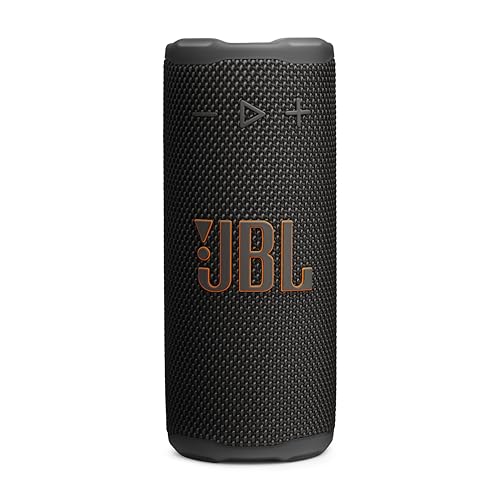
JBL Grip Bluetooth Speaker with Ambient Light (Black)
JBL Boombox 4 Bluetooth Speaker (Blue)

Wilody 20W Bluetooth Speaker with EQ and LED
Fender x Teufel ROCKSTER AIR 2 Bluetooth Speaker
More On The Choices That Made The List
For backpackers counting every gram, the JBL GO 4 paired with the divvi! hardshell case solves the one problem that ruins most trail audio gear: how to keep a small speaker from getting crushed inside a stuffed pack. The bundled case gives the unit a real chance of surviving a season of being shoved against a sleeping bag and a water bottle.
You trade volume and bass weight for that portability, which is fair in a solo-tent setting. Campers who mostly want a podcast or light background music while filtering water will find the size liberating. Anyone trying to host a six-person dinner party at the cook site will need to scale up.
Where It Excels
- Hardshell case included, which most mini speakers skip and which dramatically improves pack survival odds
- Compact footprint slips into a hip-belt pocket or cup holder
- Light enough that carrying it all day barely registers
- Simple Bluetooth pairing that holds a stable connection within a typical campsite radius
Trade Offs
- Limited volume ceiling means it gets swallowed by wind, group chatter, or open meadow acoustics
- Battery life is modest for long trips without a power bank, so charging discipline matters
Feature Snapshot
Who It Suits Best
Solo backpackers and day hikers who want background audio without adding meaningful weight to their load.
Consider Something Else When
Group campers should reach for the JBL FLIP 5, which carries noticeably more volume for the same pack-friendly footprint.
The FLIP 5 is the speaker most weekend campers will end up using, because it threads the needle between size, ruggedness, and battery life. Unlike the pocket-sized GO 4 above, this one is shaped to throw sound in one direction, which makes it more useful for a picnic table or a tent opening.
Its waterproof rating handles rain and accidental drops into a cooler without panic. For campers who split time between beach, river, and forest sites, that flexibility earns its place in the kit.
What Works In Its Favor
- Waterproof shell holds up to splashes, rain, and the occasional dunk in shallow water
- Cylindrical body delivers directional sound that travels further than a flat-faced mini
- Long battery life covers a full day of moderate listening between charges
- Pairs with compatible JBL speakers for stereo or larger setups at bigger sites
Worth Noting
- Lacks the drop-rated ruggedness of newer JBL models like the Charge 6, so owners commonly report cosmetic wear after rough transport
- Older Bluetooth generation means slightly slower reconnects than current-gen units
Made For
Weekend car campers who want a single speaker that covers most environments without a learning curve.
A Better Fit Elsewhere
Campers running longer expeditions should look at the JBL Charge 6, which extends runtime and adds drop protection for rougher handling.
The Charge 6 is the pick for campers who treat the trail like a small base camp and run gear for days without resupply. Where the FLIP 5 aims at weekend trips, this one stretches runtime hard, with a battery spec that outlasts most camping weekends in a single charge.
The built-in powerbank function turns the speaker into a backup charger for a phone or GPS, which can be a quiet lifesaver on longer trips. Drop protection adds confidence when the speaker inevitably gets knocked off a log or tailgate. For most campsite scenarios outside the heaviest party setups, this hits the sweet spot.
Reasons It Performs
- Extended battery life suitable for multi-day trips away from power outlets
- Drop-proof construction tolerates the kind of accidental knocks that happen at active campsites
- Powerbank output charges a phone or headlamp in a pinch
- Weatherproof rating covers poolside, beach, and rain exposure
Room For Improvement
- Larger and heavier than the FLIP 5, so pack space becomes a real planning factor
- At maximum volume, battery drain accelerates noticeably, which matters on cold nights
Key Specs
Best Suited To
Car campers and base-camp setters running multi-day trips who want one speaker to anchor the whole site.
Skip It When
Backpackers with strict weight budgets will find the JBL GO 4 bundle far easier to haul, even with shorter runtime.
The JBL Grip earns its name from the integrated hand-hold design, which makes it the easiest of these picks to grab and move mid-task. Campers constantly shifting between the fire ring, the cook station, and the tent will appreciate not having to fumble with a slippery cylinder.
The ambient lighting built into the body adds a small but meaningful bonus: a soft glow that doubles as a marker light on a dark site. It cuts down on headlamp juggling when navigating around the speaker at night.
Features That Help
- Integrated grip design improves handling around messy campsite tasks
- Built-in ambient light reduces the need for a separate lantern near the speaker
- Waterproof shell tolerates spills and weather exposure
- Compact enough for one-handed transport between activity zones
Honest Caveats
- Smaller driver than the Charge 6, so it cannot match that model’s volume ceiling at a busy site
- Ambient light output is modest and will not replace a real lantern for actual tasks
Perfect Match For
Late-evening campers who want a speaker that doubles as soft site lighting without adding another device.
Another Choice May Suit
Campers running large groups will get more volume per dollar from the JBL Boombox 4, which trades the grip ergonomics for raw output.
The Boombox 4 is the speaker for campsites that double as social hubs, where the cook site pulls ten people and the music has to carry across open ground. Compared to the FLIP 5 and Charge 6, this unit pushes noticeably more air, which matters when sound has no walls to bounce off.
The waterproof rating and dual-woofer layout make it feel more like a piece of event gear than a typical camping speaker. Campers with the trunk space will find the trade-off in bulk completely worthwhile for the volume headroom.
Real-World Strengths
- Deep bass response holds together at high volume, where smaller speakers fall apart
- Waterproof construction survives poolside, beach, and rain-soaked cookouts
- Long battery life sustains all-day group listening sessions
- Bluetooth pairing for compatible speakers scales up to larger event setups
Points To Consider
- Bulk and weight make it a car-camping piece, not a backpack-friendly unit
- Power demands at full volume reduce effective runtime in cold weather
Feature Card
Right Fit For
Group campers and hosts running social cookouts where the music needs to compete with conversation and open space.
Reach For A Different Pick When
Solo travelers should consider the JBL Grip, which is far easier to manage alone without sacrificing weatherproofing.
The Wilody speaker leans into customization in a way most camping audio does not. EQ modes let users tune the sound profile for spoken-word podcasts, bass-heavy music, or outdoor playback where midrange clarity matters more than thump.
TWS pairing means two units can be linked for true stereo, which is genuinely useful at a wider campsite where one speaker leaves dead zones. For campers who like to fiddle with settings rather than plug-and-play, this is the most flexible option in the list.
Notable Upsides
- EQ modes adjust sound profile for different content types and outdoor conditions
- TWS dual pairing creates a wider stereo field across a campsite
- Bluetooth 5.4 connection improves range and stability over older versions
- IPX6 waterproof rating handles rain and splash exposure
Potential Drawbacks
- LED lighting is decorative rather than functional, so it drains battery without replacing a lantern
- Brand ecosystem is less established than JBL, which means service and support depend heavily on the retailer
Quick Facts
Who Will Love This
Campers who enjoy adjusting audio settings and want stereo pairing flexibility for wider campsites.
Look Elsewhere When
Those who prefer a known-brand ecosystem for long-term support will find the JBL Charge 6 a steadier long-term bet.
The ROCKSTER AIR 2 sits in a different category from the rest of the list. Where most camping speakers aim at casual background music, this one targets campers who run events, want mic input for announcements, or simply refuse to compromise on sound quality outdoors.
Mic and guitar inputs open up campfire performances and group sing-alongs in a way standard Bluetooth speakers do not. Battery runtime on this unit outlasts most camping trips outright, which is genuinely rare in portable audio. For the right user, this is overkill; for the wrong user, it’s a transformative upgrade.
The Case For It
- Event-grade audio output suitable for large gatherings and outdoor performances
- Mic and guitar inputs expand use cases beyond simple music playback
- Extended battery life covers long weekends without recharging
- Powerbank function charges phones and accessories in the field
Worth Bearing In Mind
- Larger footprint than any other pick here, so it requires deliberate transport planning
- Premium positioning commands a higher cost, which casual campers may struggle to justify
Feature Rundown
Built With In Mind
Campers running large gatherings, outdoor performances, or anyone who treats the campsite like a small event venue.
Swap It Out When
Small-family campers will get more practical value from the JBL Boombox 4, which covers most social use cases without the bulk.
What Matters Most When Shopping For Camping Audio
Sound quality matters, but camping flips the usual priorities. Volume that fills a quiet living room disappears into open air, so outdoor speakers need real headroom. IPX waterproofing (a standardized rating where higher numbers mean better water resistance) protects against rain and the inevitable spill, but IPX7 or better is the practical floor for anything that might end up near a river or cooler. Battery life should comfortably outlast the planned trip, with extra hours in reserve for cold weather, which drains cells faster than expected.
Size and weight are the trade-off. Backpackers should target compact units that clip to a pack or fit in a cup holder. Car campers can absorb more bulk in exchange for louder output and longer runtime. Match the speaker to the trip, not the other way around, because overpacking audio gear is one of the fastest ways to ruin an otherwise lean load.
Connectivity options earn more value outdoors than they do at home. Bluetooth 5.0 or newer holds a stable connection across a typical campsite, and TWS (True Wireless Stereo) pairing lets two speakers create real stereo separation across a wider area. Mic and instrument inputs are niche features, but they transform a camping trip into a campfire performance for the right crowd. Think about how the speaker will actually be used before paying for features that will sit unused.
Key Considerations Across These Picks
Pitfalls Shoppers Hit
The most common mistake is choosing a home speaker for outdoor duty. Indoor-rated units drown in open air and break at the first splash. A second misstep is underestimating battery drain in cold weather, which can cut runtime by a third or more at freezing temperatures. Always plan extra hours into the battery math, and skip speakers that cannot accept a top-up from a portable power bank.
Where The Extra Money Goes
Premium models in this category add real engineering where it counts: stronger drivers, longer-lasting batteries, and tougher enclosures. The ROCKSTER AIR 2, for example, costs more because it packs event-grade audio and instrument inputs, not just louder sound. The upgrade pays off for campers who actually use the extra capability, but most people never push a smaller speaker hard enough to justify the leap.
Final Verdict
For most weekend campers, the JBL FLIP 5 hits the right balance of price, portability, and weatherproofing. Backpackers should grab the JBL GO 4 bundle for the protective case alone. Anyone running multi-day trips or large group sites will find the JBL Charge 6 or JBL Boombox 4 worth the extra size. Match the speaker to the campsite, not the spec sheet, and the soundtrack will hold up all weekend.