
Setting up a big-screen movie outside used to mean wrestling with cables, hunting for a flat wall, and praying the neighbor’s porch light stayed off. Modern portable outdoor projectors solve the basics: short-throw lenses, auto-focus, built-in streaming apps, and batteries that survive a full film. For anyone planning backyard gatherings, summer camping trips, or just a low-fuss movie night without a permanent install, the right pick saves a Saturday of fiddling.
The Choices Worth Comparing

WiMiUS K14 Outdoor Projector 4K with VIDAA Live TV

VOPLLS 4600 ANSI Smart 4K Projector
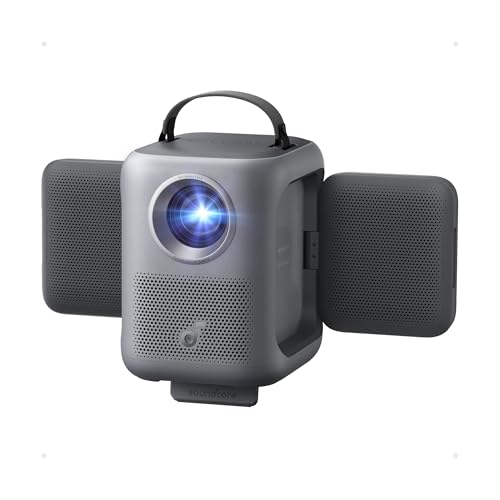
soundcore Nebula P1i Portable Projector

NEBULA Mars 3 Air Portable Outdoor Projector

TOPTRO Portable Smart Projector with Google TV 14.0
ZUVMITG 150-Inch Portable Projector Screen with Stand
The Picks, Examined More Closely
The WiMiUS K14 is built around one simple idea: skip the streaming stick entirely. With the VIDAA smart operating system (the built-in software that runs apps), it pulls Netflix, Prime Video, Disney+, and Apple TV straight onto the projector, which removes one of the most common failure points in portable setups. Compared to the VOPLLS unit coming up next, the K14 leans more toward app convenience than raw brightness, so it shines in shaded patios and after-sunset yards.
Auto-focus and AI voice control take most of the setup fiddling off the to-do list, and HDR10 support (a wider range of brightness and color for a more lifelike picture) helps skin tones and grass look natural rather than washed out. Audio comes from a 60W Dolby system, which is louder than the typical built-in speakers on portable projectors, though a dedicated soundbar still wins for deep bass.
Benefits That Matter
- VIDAA OS loads Netflix and Prime Video directly, no extra streaming stick needed.
- Auto-focus saves real setup time, especially when moving the unit between rooms.
- WiFi 6 and Bluetooth give a stable wireless link, useful when the router sits far from the backyard.
- Voice control keeps greasy-fingered snack nights manageable.
Points To Keep In Mind
- Smaller living-room spaces may benefit from a true short-throw projector instead.
- Built-in speakers lack the low-end punch for action films, so pairing with external audio helps.
Feature Snapshot
Who Will Love This
Anyone who wants Netflix and Prime Video the moment the projector powers on, no extra dongles to remember.
Consider Something Else When
Shoppers running movie nights before full sunset should look at the VOPLLS 4600 ANSI, which pushes far more light into the image.
Brightness is the VOPLLS’s whole pitch, and 4600 ANSI lumens (a standardized brightness measurement, where higher numbers mean a brighter image) is a serious claim for a portable unit. ANSI lumens measure how much light the projector pushes onto the screen; more lumens mean the image holds up under ambient light. Where the WiMiUS K14 starts to fade once the sun’s last light hits the patio, the VOPLLS keeps its color saturation intact for longer.
Full 4K support, HDR10+, and a wide color gamut (the range of colors a display can reproduce) give the image a cinematic feel, while auto-focus and auto-keystone (automatic image-shape correction) cut the usual geometry headaches. The trade-off shows up in size: this is closer to a stationary unit than a grab-and-go model, so packing it for a camping trip is a stretch.
What Pays Off
- 4600 ANSI lumens handle twilight and partly shaded environments well.
- HDR10+ and wide color gamut deliver richer, more accurate color.
- Auto-focus and keystone make placement forgiving in awkward rooms.
- 4K support future-proofs the unit as more content lands in higher resolution.
Trade-Offs To Consider
- The chassis is bulkier than true portable units like the NEBULA Mars 3 Air, so travel setups need a real carrying case.
- Higher output means more fan noise at peak brightness, which can intrude during quiet dialogue scenes.
Right Fit For
Hosts who want movie-night start times before the sky goes fully dark, especially in backyards with a bit of residual streetlight.
Look Elsewhere When
Frequent campers should consider the NEBULA Mars 3 Air, whose built-in battery removes the hunt for a power outlet entirely.
The soundcore Nebula P1i looks like a Bluetooth speaker that happens to have a lens, which is the point. Its 20W flippable Dolby Audio speaker rotates 90 degrees sideways and 200 degrees vertically, so the sound follows the listener instead of staying pinned to one wall. At 7.3 pounds and around 7 inches tall, it moves easily from a living-room shelf to a patio table.
Resolution lands at 1080p Full HD with TÜV-certified 380 ANSI lumens, a brightness rating suited for darker rooms rather than open sun. Where the VOPLLS goes big on lumens, the P1i goes big on flexibility: it’s a lifestyle projector that doubles as decor and survives being repositioned every weekend.
What Helps Most
- Rotating speaker array directs sound where the audience actually sits.
- Lightweight, compact body works for one-person setup and teardown.
- Dolby Audio on board keeps dialogue clear without a separate soundbar.
Worth Bearing In Mind
- 380 ANSI lumens is best suited to indoor or fully shaded environments after dark.
- Plug-in power means no battery, so the unit needs to stay near an outlet.
Quick Facts
Whose Shelf It Belongs On
Apartment dwellers and renters who want one projector that doubles as a Bluetooth speaker and decor-friendly shelf piece.
Swap It Out When
Backyard hosts running early-evening showings will find the TOPTRO Portable Smart Projector’s brighter, short-throw form more practical.
The NEBULA Mars 3 Air is the pick for anyone whose “outdoor” means a campsite, a tailgate, or anywhere the nearest outlet is a long walk. A built-in battery delivers around 2.5 hours of playback per charge, which covers a typical film plus credits. Where the soundcore Nebula P1i prioritizes speaker design, the Mars 3 Air prioritizes freedom from the wall.
Google TV (a built-in smart-platform interface that consolidates streaming apps) handles the apps natively, so Netflix, YouTube, and the usual lineup run without an extra stick. The 400 ANSI lumens and 1080p HDR display land in the same league as the P1i, so it’s still a darker-room experience rather than a daylight projector.
Strong Points
- Battery life covers a full-length movie away from outlets.
- Google TV built in removes the need for an external streaming device.
- Portable form factor suits travel and tailgating routines.
Points To Keep In Mind
- 400 ANSI lumens is tuned for night viewing, so daylight performance trails the VOPLLS noticeably.
- Battery life shortens at higher brightness, so longer marathons benefit from a power bank.
Best Suited To
Camping families and tailgate hosts who care more about location flexibility than maximum brightness.
Reach For A Different Pick When
Anyone planning permanent backyard installs should consider the WiMiUS K14 for its richer app ecosystem and HDR10 support.
The TOPTRO leans into one specific geometry problem: small rooms. A short-throw lens (a lens that produces a large image from a short distance) means the unit sits close to the wall and still fills the screen, which makes it a friend of bedrooms, dorms, and studio apartments. Compared to the NEBULA Mars 3 Air, it gives up battery freedom for a smaller living-room footprint.
Google TV 14.0 and 4K support keep the smart side current, and the auto-focus and keystone corrections handle the usual setup friction. HDR10 rounds out the picture. The honest read is that this is the most “use it indoors tonight, on the patio tomorrow” model in the lineup.
Useful Highlights
- Short-throw design fits tight bedrooms and small living rooms.
- Google TV 14.0 brings the latest app lineup without extra hardware.
- 4K support and HDR10 keep the picture current for streaming content.
Honest Caveats
- No built-in battery, so outdoor use means staying close to a power source.
- Short-throw performance drops if the unit is placed too far back, which limits seating layout.
Feature Rundown
The Right Fit
Bedroom and apartment setups where wall space is limited and the projector sits close to the screen.
A Better Fit Elsewhere
Campers who value power freedom should look at the NEBULA Mars 3 Air instead of chasing short-throw flexibility.
A projector only does its job if the screen holds still. The ZUVMITG 150-inch screen leans on a reinforced steel frame and a wider base than typical budget stands, which matters the moment a breeze rolls across the yard. The included sandbag adds ballast when the screen anchors at the bottom. For hosts who already own a capable projector, this screen is what turns a decent image into a real movie night.
The 16:9 aspect ratio (the screen width-to-height ratio matching modern TV and film formats) supports 4K content and front or rear projection, so it’s flexible whether the projector sits behind the audience or in front. A carry bag comes included for transport to a campsite or a friend’s driveway.
A Favorable Mix
- Reinforced steel frame resists bending and stays stable in wind.
- Sandbag ballast helps anchor the screen in softer ground.
- Front and rear projection support adds setup flexibility.
Where It May Fall Short
- 150 inches fills most backyards, meaning smaller patios may feel cramped.
- Frame assembly takes a few minutes on first setup, so practice helps.
Who Should Grab It
Hosts pairing any of the projectors above with a true outdoor movie-night setup, especially in breezy backyards.
Not Your Match When
Anyone using a projector only indoors can skip the stand and project onto a blank wall instead.
Choosing a Portable Outdoor Projector That Actually Performs
Brightness is the single biggest decision driver. ANSI lumens measure how much light a projector pushes out, and outdoor settings usually need at least 2,000 to handle twilight and shaded areas, while indoor-only setups can get by on 300 to 500. Going below 300 ANSI lumens limits the unit to fully dark rooms.
Resolution and HDR support matter next. Native 1080p covers most streaming content comfortably, while 4K support future-proofs the purchase as more services offer higher-resolution streams. HDR10 widens the color and contrast range, which helps skin tones look natural in dim outdoor lighting.
Throw distance and battery life shape the day-to-day experience. Short-throw lenses suit small bedrooms and tight patios, while standard-throw models give more seating-distance flexibility. Built-in batteries unlock camping and tailgating; plug-in units stay tethered to outlets.
Smart features and audio finish the picture. Built-in streaming apps (Google TV, VIDAA, or proprietary systems) remove the need for an external stick. Built-in speakers vary widely, so any unit that handles loud dialogue without distortion is a clear advantage.
Key Considerations Across These Picks
Pitfalls Shoppers Hit
The most common mistake is choosing brightness based on indoor use alone. Outdoor settings fight ambient light from the sun, streetlamps, and porch fixtures, so a projector that looks fine in a basement can wash out completely in a backyard. A second slip is ignoring throw distance: a long-throw projector in a 10-foot-wide patio simply won’t fill the screen. Finally, audio often gets overlooked. Built-in speakers on portable units vary from barely adequate to surprisingly loud, so reading the speaker specs (wattage and Dolby support) avoids the disappointment of muffled dialogue on movie night.
When Paying More Pays Off
Higher-tier models in this category tend to buy three concrete things: more lumens, native 4K resolution, and better smart-platform integration. A 4,000-plus ANSI lumen unit holds its image in twilight, while sub-500-lumen projectors lose detail the moment residual sunlight creeps in. Native 4K matters as streaming libraries grow, and a current-generation smart OS keeps the projector compatible with newer apps for years. The upgrade is worth it for anyone planning regular outdoor use rather than the occasional living-room movie.