
A poor night’s sleep can ruin a trip faster than bad weather. The right portable mattress turns a restless night on rocky ground into something close to real rest, whether it’s a weekend at the campsite, a guest in the living room, or a nap in the back of the SUV. This roundup focuses on portable mattresses for camping that genuinely earn their spot, balancing thickness, weight, and packability against the realities of the outdoors. Each pick below has been selected for a specific kind of camper, from ultralight backpackers to Tesla owners building out a sleep system.
The Lineup, Simplified
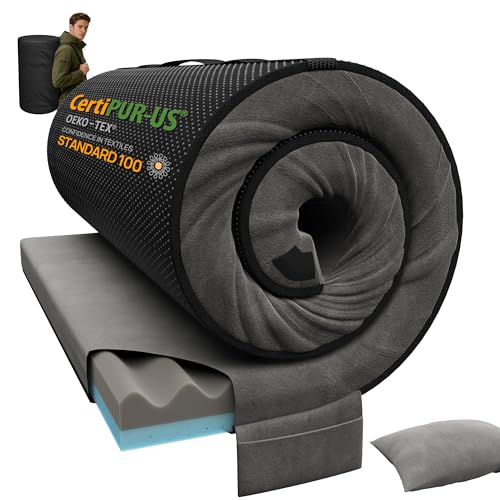
Releep 3 Inch Dual-Sided Memory Foam Camping Mattress

Therm-a-Rest Z Lite Original Sleeping Pad

D&D Futon Furniture Trifold Foam Bed, Queen

Lost Horizon Self-Inflating Mattress for Model Y

Lost Horizon Self-Inflating Mattress, Single, 3″

Lost Horizon Option3 Mattress, Full, 4.5″

Lost Horizon Option3 Slim Single, 3″
The Strengths Of Each Pick
Releep brings a different feel to the lineup with a memory-foam build instead of the closed-cell pads most backpackers default to. At three inches thick, it rolls into a tidy carrying bag and sets up on a tent floor, a cot, or even a spare corner of the garage. A bundled travel pillow rounds out the kit, so there’s one less thing to pack for a road weekend.
Compared with the closed-cell Therm-a-Rest Z Lite further down this list, this pad trades ultralight trail weight for a softer surface that feels closer to a home mattress. It suits campers who drive to their campsite and want a familiar night’s sleep without hauling inflatable gear.
A Strong Showing
- Dual-sided design with a waterproof surface that resists tent-floor dampness.
- Three inches of memory foam that cushions shoulders and hips on hard ground.
- Roll-up format stows neatly in the included carry bag for trunk storage.
- Bundled travel pillow saves packing space and matches the pad’s firmness.
- Versatile use beyond camping, including guest stays, car sleepers, and nap setups.
Worth Noting
- Heavier than ultralight foam pads, so backpackers should look elsewhere.
- Bulkier rolled diameter may not fit narrow backpack sleeves.
- Foam can hold moisture if stored damp, so thorough drying before packing matters.
Who It Suits Best
Car campers, van sleepers, and households needing a soft guest bed that rolls out of the closet.
Reach For A Different Pick When
The Therm-a-Rest Z Lite Original is the better match for backpackers counting every ounce on the trail.
The Z Lite is a heritage pick in the foam-pad world. Closed-cell foam (dense, non-inflatable padding that resists moisture) folds into a compact zigzag that snaps onto a backpack, and it sets up in seconds by simply unfolding it on the ground. There’s nothing to inflate, nothing to puncture, and nothing that can fail on a cold night.
Where the Releep pads above chase softness, the Z Lite leans into trail-ready durability. The dimpled surface holds a thin pocket of air that helps trap warmth, which matters when temperatures drop at elevation.
Useful Touches
- Accordion fold design packs down small and stows on the outside of a pack.
- Closed-cell foam is virtually indestructible and shrugs off wet ground.
- Heat-trapping dimples add measurable warmth in shoulder-season conditions.
- Sets up and breaks down in seconds, no pumping or lung power required.
Trade Offs
- Thinner profile than inflatable or memory-foam rivals, so side sleepers may feel pressure points.
- Bulkier than a rolled inflatable pad when strapped to smaller packs.
Made For
Backpackers, thru-hikers, and scouts who need a no-fuss pad that lasts for years of abuse.
Consider Something Else When
The Releep 3 Inch Dual-Sided Memory Foam Camping Mattress delivers a far plusher surface for car campers who never carry their bed far.
The D&D Futon trifold breaks the camping-only mold by working just as well in a studio apartment as it does at a festival campsite. Three folds collapse it into a manageable block that slides into a closet, the back of an SUV, or a van conversion. Unfold it on any flat surface and it becomes a six-inch queen bed in seconds.
This pick stands apart from the self-inflating foam pads below because it trades packability for serious loft. It is heavy and bulky by trail standards, but for anyone who treats sleep comfort as non-negotiable, the trade is worth making.
The Practical Payoff
- Six-inch thickness delivers home-bed comfort for guests or road-trip sleeping.
- High-density 1.8 lb foam resists sagging over years of nightly use.
- Trifold design fits inside most closets when not in use.
- Queen footprint works as a primary mattress in small studios or tiny homes.
Honest Caveats
- Too heavy and bulky for backcountry camping or hiking trips.
- Requires a vehicle for transport beyond a short carry distance.
- Foam-only build offers less insulation than an inflatable pad on cold ground.
Who Should Grab It
Urban dwellers, guest-room hosts, and van-lifers who want a queen-size surface that stores compactly between uses.
A Better Fit Elsewhere
The Lost Horizon Option3 Self-Inflating Foam Camping Mattress, Full, 4.5″ is the smarter pick for campers who need insulation and lighter weight.
Lost Horizon built this pad for a specific use case: sleeping inside a Tesla Model Y. The custom shape slots into the cargo area when the rear seats fold, turning the SUV into a quick camp setup. A self-inflating design (an internal foam core that expands when a valve opens, pulling air in on its own) means setup mostly takes care of itself, with a few breaths to top off firmness.
At 4.5 inches thick with a 9-pound foam fill, it sits closer to a guest bed than a trail pad. The 440-pound capacity also makes it a genuinely robust surface for two average adults sharing the back of the vehicle.
Real Benefits
- Custom-cut footprint matches the Model Y cargo area without awkward gaps.
- 4.5-inch loft delivers a near-bed feel for car-camping trips.
- Self-inflating mechanism removes the lung-work of setting up camp.
- High weight capacity handles two sleepers in a pinch.
Points To Keep In Mind
- Only fits the 2-row Model Y configuration.
- Bulky to store when not in the vehicle.
Key Product Details
Best Suited To
Model Y owners who regularly camp from their vehicle and want a pad that fits the cargo space precisely.
Skip It When
The Lost Horizon Self-Inflating Foam Camping Mattress, Single, 3″ works better for tent campers who want a more general-purpose pad.
For solo tent campers who want more comfort than a closed-cell pad, this Lost Horizon single hits a friendly middle ground. Three inches of self-inflating foam cushions the body without ballooning pack size, and the single-person footprint keeps the weight reasonable for short hikes to the campsite.
Where the Therm-a-Rest Z Lite above trades comfort for trail weight, this pad trades some packability for noticeably better sleep. The 220-pound capacity suits most solo sleepers without worry.
The Case For It
- Self-inflating core means quick setup at the end of a long hike.
- Three-inch loft softens pressure points better than closed-cell foam.
- Single-person size rolls down compactly for trunk or pack transport.
- Foam-and-air construction holds warmth through cool nights.
Some Limits To Know
- 220-pound capacity rules out heavier sleepers and shared use.
- Valve can collect debris if not covered between trips.
Feature Snapshot
The Right Fit
Solo tent campers and weekend backpackers who want self-inflating comfort without the bulk of a full-size pad.
Look Elsewhere When
The Lost Horizon Option3 Self-Inflating Foam Camping Mattress, Full, 4.5″ is the smarter pick for couples sharing a tent.
The Option3 in full size is the burliest pad in this roundup. At 4.5 inches thick with a 12-pound foam fill, it leans firmly into car-camping comfort rather than trail performance. Couples and families who camp from the trunk of an SUV will appreciate the wide sleeping surface and the way the thick foam absorbs ground unevenness.
Compared with the lighter single Lost Horizon pad above, this version doubles down on loft and capacity. The 440-pound rating handles two adults and the inevitable pile of gear that ends up on the sleeping surface.
What Works In Its Favor
- 4.5-inch thickness feels closer to a home mattress than most camping pads.
- 12-pound foam fill provides even support across the full-size surface.
- 440-pound capacity handles two sleepers without bottoming out.
- Self-inflating core reduces setup time after a long drive.
Points To Note
- Heavy and bulky for anything beyond car camping.
- Larger packed size may not fit in compact car trunks alongside other gear.
- Premium comfort comes at a higher cost than thinner pads.
Feature Rundown
Whose Shelf It Belongs On
Car campers, families, and couples who camp from the vehicle and want a true full-size sleeping surface.
Not Your Match When
The Lost Horizon Option3 Self-Inflating Foam Camping Mattress, Slim Single, 3″ is the better call for narrow vehicle interiors.
The slim single rounds out the lineup for campers working with tight quarters. A 62-by-26-inch footprint fits where standard pads won’t, including narrow tent floors, SUV back seats, and pop-up camper platforms. Three inches of foam still cushions the body, but the slimmer profile keeps bulk in check.
Where the full-size Option3 above prioritizes shared sleeping space, this trim version prioritizes fit. It’s the pad to reach for when the sleeping area matters more than shoulder room.
Good Reasons To Consider
- Narrow 62-by-26-inch footprint slots into vehicle interiors and small tents.
- Three-inch loft delivers real cushion on hard or uneven surfaces.
- Lightweight build is easier to handle than full-size self-inflating pads.
- Self-inflating setup means less work at the end of a travel day.
Worth Bearing In Mind
- Narrow width may feel restrictive for restless or larger sleepers.
- Less insulation than thicker pads in deep cold.
Feature Card
Who Will Love This
Solo travelers building out a vehicle sleep system or fitting a pad into a tight tent footprint.
Swap It Out When
The Lost Horizon Option3 Self-Inflating Foam Camping Mattress, Full, 4.5″ suits campers who want more width and loft for shared or more spacious sleeping.
What To Weigh Before Choosing a Portable Camping Mattress
Thickness Versus Packability
Thicker pads cushion better but take up more space in a pack or trunk. Three inches is the common sweet spot for most campers, while 4.5-inch pads lean toward car camping where bulk matters less.
Foam Type Matters
Closed-cell foam resists moisture and never punctures, making it the trail favorite. Open-cell foam with self-inflating cores delivers more comfort but weighs more and can absorb water if stored damp.
Weight Capacity Ratings
Manufacturers list capacity based on even weight distribution. Heavier sleepers should look for pads rated above their body weight for the best long-term performance.
R-Value and Warmth
For cold-weather camping, a pad’s insulating value matters more than thickness. Thicker foam pads generally retain more warmth, which makes them a smarter pick for shoulder-season trips.
Things To Watch Before You Commit
Mistake: Choosing By Thickness, Not by Use Case
Picking the thickest pad on the shelf rarely matches the actual trip. Backpackers who buy a 4.5-inch mattress usually regret the weight before the first night ends.
Trap: Ignoring Storage Space at Home
Self-inflating foam pads stay bulky even when rolled. Confirm the packed size fits a closet, garage corner, or vehicle before committing.
Slip-Up: Skipping the Valve Check
Self-inflating pads live or die by their valves. A stuck or slow-sealing valve ruins setup, so inspect it before the first trip rather than at the campsite.
Key Considerations Across These Picks
Pitfalls Shoppers Hit
The most common trap is buying a pad based on loft alone and ignoring packability. A six-inch queen foam bed is wonderful at a festival but miserable on a backcountry trail. Match the pad to the trip, not the other way around.
Where The Extra Money Goes
Spending more typically buys thicker foam, denser fills, and stronger internal structures. The jump from a 3-inch single to a 4.5-inch full-size self-inflating pad is meaningful for couples or anyone who camps more than a handful of weekends a year. For occasional trips, the entry-level foam pads above handle the job just fine.
The Takeaway
The right portable mattress depends almost entirely on how it gets to the campsite. Backpackers want the indestructible simplicity of the Therm-a-Rest Z Lite. Car campers and Tesla owners can stretch into thicker foam or custom-fit pads for a near-home sleep. Match the pad to the trip, and the stars above become a lot easier to sleep under.