
Cooking over coals at a campsite changes the whole meal. Portable charcoal grills matter here because most campgrounds prohibit open ground fires yet still allow raised cooking surfaces, which means a compact kettle or barrel becomes the difference between a hot dog on a stick and a properly seared steak. Campers who split time between tailgates, RV parks, and backcountry pull-offs want gear that packs tight, lights fast, and handles weather without drama. The lineup below covers that spread, from full-size backyard kettles that fold into a hatchback to propane-assisted camp stoves that act as a charcoal alternative when wind picks up.
A Closer Look At The Lineup
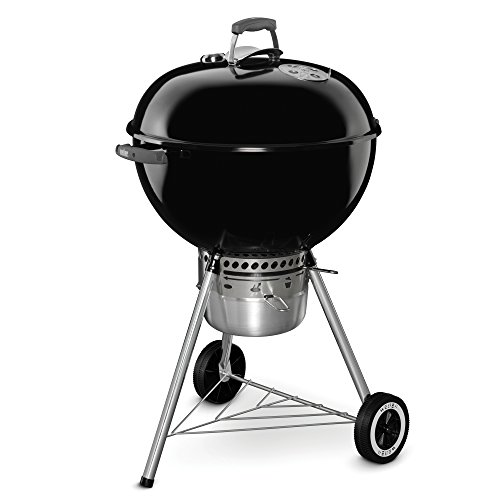
Weber Original Kettle Premium Charcoal Grill 22-Inch

Coleman Cascade 18 1-Burner Camping Stove
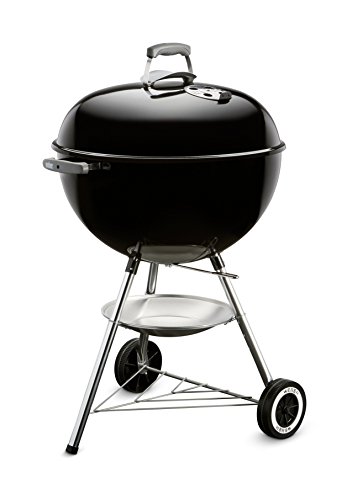
Weber Original Kettle Charcoal Grill 22-Inch

Weber Jumbo Joe Charcoal Grill 18-Inch

Coleman Tabletop 2-in-1 Grill & Stove
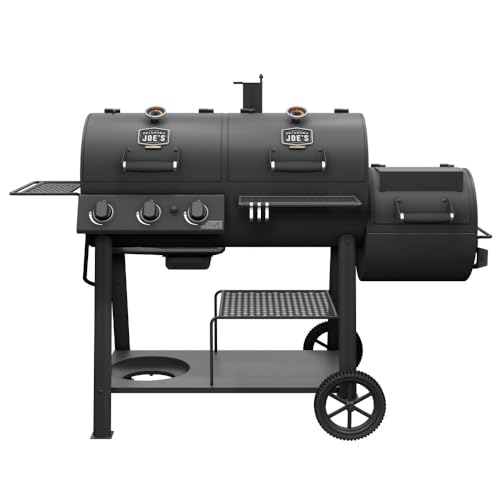
Oklahoma Joe’s Canyon Combo Dual Fuel Grill
Inside Each Recommended Option
The 22-inch kettle format is the sweet spot for campers with a sedan trunk or a small SUV cargo area. Weber’s Premium version keeps the classic silhouette and adds a hinged grate section that swings up, so fresh charcoal can be added without lifting the whole cooking surface or losing heat through an open lid.
Compared with the standard Original Kettle covered later in the lineup, this Premium model is aimed at the cook who values control mid-session. Think of long indirect cooks where a rib rack needs an hour-three bump of fuel, or a sear session where the first round of briquettes burns down faster than expected. The porcelain-enameled lid and bowl help hold temperature through gusty canyon evenings, and the One-Touch ash sweeper keeps cleanup to a minute.
A Few Highlights
- Hinged grate allows mid-cook charcoal refills without disturbing the food
- One-Touch ash system sweeps spent coals into a high-capacity catcher for fast teardown
- 22-inch grate feeds a family of four or a hungry tailgate crew in a single session
- Porcelain enamel helps the body shrug off rain overnight at a wet campsite
Things To Consider
- Two wheels make it fine for paved campsites, less ideal on soft forest ground
- Requires a chimney starter or lighter fluid to reach proper cooking temperature
Who It Suits Best
Campers with a real trunk or cargo space who cook for four or more and want backyard-style control at a developed campground.
A Better Fit Elsewhere
Solo hikers should reach for the Coleman Cascade 18 1-Burner Camping Stove instead, since that model packs smaller and skips charcoal management entirely.
This pick is technically a gas camp stove, not a charcoal grill, so it earns its place here for campers chasing charcoal flavor but stuck in fire-restricted zones. Matchless rotary ignition removes the lighter, and the slim profile slides behind a car seat or into a kayak hatch. The detached grate flips 180 degrees for storage, and the regulator tucks flush on top.
Heat output is the headline number at 8,000 BTUs, which sounds modest next to a home range but cooks a 12-inch pan of eggs and peppers fast on a cold morning. The aluminized steel cooktop wipes clean in seconds, a real bonus when dishwater is rationed. For campers who bounce between state beach sites that ban wood and charcoal, this Coleman Cascade acts as the dependable backup plan.
Bright Spots
- Matchless ignition lights reliably in damp dawn air
- 180-degree folding frame and integrated regulator shrink the packed footprint
- Accepts a standard 12-inch pan, so no specialty cookware required
Honest Caveats
- Requires a separate propane canister, sold separately, which adds weight to pack lists
- Single burner limits cooking to one pan or pot at a time
- Wind protection is minimal compared to fully shielded camp stoves
Made For
Solo travelers and couples who want a fast, fire-banned-campsite-friendly cooking station without hauling charcoal.
Where Another Pick Suits Better
Campers who insist on charcoal sear marks should consider the Weber Jumbo Joe Charcoal Grill 18-Inch, which travels nearly as easily but delivers that signature char.
Stripped of the Premium’s hinged grate, this base-model Kettle focuses on the fundamentals that made Weber famous. The porcelain-enameled bowl and lid retain heat far better than painted steel, so a cook who learns the damper settings can hold 225°F for a low-and-slow pork shoulder or push 600°F for a hard sear on a thick steak.
Compared with item 1 above, this grill trades mid-cook fuel access for a slightly simpler cooking surface that cleans in one motion. For campers running a base-cabin setup or a long weekend at one site, the value play is strong. The aluminum dampers resist rust after a season of damp forest air, and One-Touch ash cleanup still applies.
What Helps Most
- Porcelain enamel holds heat efficiently across long indirect cooks
- Rust-resistant aluminum dampers survive multi-season outdoor storage
- 22-inch grate handles burgers, chicken, and a small roast in a single load
Worth Noting
- Solid grate, not hinged, so adding fuel mid-cook means removing food first
- Still sized for vehicle camping, not backpack hauling
Best Suited To
Campers who camp often and want one grill that pulls duty at the campsite on Friday and the patio on Saturday without complaint.
Consider Something Else When
Shoppers needing a dual-fuel smoker should skip ahead to the Oklahoma Joe’s Canyon Combo Dual Fuel Grill, which adds propane side burner capacity to charcoal smoking.
The Jumbo Joe is the travel-sized answer for campers who refuse to give up charcoal flavor just because they left the driveway. At 18 inches it sits noticeably smaller than the 22-inch Kettle, yet the 240-square-inch plated steel grate still feeds a family of four with room to spare. The lid locks for transport, and the whole unit weighs in at a manageable carry for one person.
Compared with the larger Weber Kettle covered earlier, this model trades grate real estate for trunk compatibility. The porcelain-enameled bowl and lid match the big grill’s heat retention, and the plated steel grate handles direct-heat burgers or indirect heat chicken thighs. Aluminum dampers and ash catcher fight rust after a long weekend in coastal fog.
Everyday Perks
- 18-inch footprint slips into most sedan trunks with the back seats folded
- 240 square inches of cooking area handles a full dinner for four
- Locking lid and glass-reinforced nylon handle keep transport tidy
Trade Offs
- Smaller grate than the 22-inch Kettle means fewer burgers per round
- Three-leg tripod base tips on uneven gravel if not placed carefully
Perfect Match For
Families who car-camp at developed sites and want charcoal flavor without a full-size patio grill taking over the cargo area.
Look Elsewhere When
Cooks chasing dual-fuel versatility should look at the Coleman Tabletop 2-in-1 Grill & Stove, which adds a propane burner alongside the grilling surface.
Camp cooks who run breakfast and dinner at once already know the pain of a single burner. The Coleman Tabletop 2-in-1 pairs a grill grate with two independently adjustable burners, all fed by propane, so pancakes and bacon can run on one side while burgers sear on the other. Total output lands at 20,000 BTUs, which moves a campsite meal fast even when the wind picks up.
Wind shields on both sides block gusts from blowing out the burners, and the push-button ignition skips the lighter dance. The chrome-plated grate lifts out for cleaning, and the integrated grease tray slides forward so spent oil does not pool. For RV parks that ban wood fires but allow gas cooking, this model fills the gap left when charcoal is off the table.
Why It Works Well
- Dual burners plus a grill grate cover breakfast, dinner, and side dishes at the same time
- Wind shields keep the flame steady on exposed ridgeline campsites
- Removable grate and grease tray simplify post-meal teardown
Points To Keep In Mind
- Propane-only design misses the charcoal sear some campers specifically want
- Tabletop footprint needs a flat camp table or picnic bench
Right Fit For
Group campsite hosts managing multi-course meals where gas convenience beats charcoal patience.
Swap It Out When
Campers committed to slow smoke should pick the Oklahoma Joe’s Canyon Combo Dual Fuel Grill instead, since that unit is purpose-built for charcoal smoking sessions.
The Canyon Combo is the spread-out answer for campers who host the whole site at dinner. A charcoal offset firebox handles low-and-slow ribs while a three-burner propane grill on the side cranks out burgers and veggies fast, giving one rig both smoking and direct grilling in a single footprint. Cooking area tops out around 1,031 square inches, which is closer to a backyard rig than a typical portable.
Compared with the smaller Weber kettles above, this Oklahoma Joe’s model trades packability for capacity and smoker-grade versatility. The propane side hits 36,000 BTUs, the charcoal side supports split-and-chunk smoking, and the dual-fuel design lets one cook tend a brisket while another flips burgers. Transport requires a pickup or trailer, not an SUV.
The Helpful Details
- Dual-fuel layout pairs charcoal smoking with propane grilling in a single body
- Over 1,000 square inches of cooking surface handles a full rib rack plus sides
- Three propane burners maintain even temperatures across the grilling side
Practical Considerations
- Heaviest unit in this lineup, requiring truck or trailer transport
- More ash and grease management than the smaller kettles above
Built With In Mind
Base camp pitmasters who treat the campsite like a competition cook site and need smoking plus grilling at scale.
Reach For A Different Pick When
Travelers chasing a portable trunk-friendly kettle should grab the Weber Jumbo Joe Charcoal Grill 18-Inch, which keeps the charcoal spirit at a fraction of the weight.
Choosing The Right Portable Charcoal Grill For Your Trips
Match The Grill To The Campground Rules
Fire restrictions vary wildly between national parks, state forests, and private RV parks. Some sites ban ground fires but allow raised charcoal grills, while others restrict all wood and charcoal outright. Reading the campground policy before departure saves the frustration of unloading a grill that cannot be lit. Gas-powered alternatives, like the Coleman Cascade 18 1-Burner Camping Stove covered above, fit the strictest fire-banned sites and earn a place in the kit as a backup.
Camper profile matters here too. A couple pulling a small camper can haul a 22-inch kettle with no problem, while a backpacker splitting miles between trailheads needs something closer to a single-burner stove or a flat-pack charcoal pouch. Real-world use here means checking both the parking spot at the site and the carry distance from the car to the picnic table.
Weigh Portability Against Cooking Surface
Cooking surface area, measured in square inches, drives how many burgers fit per round. A 240-square-inch grate, like the Weber Jumbo Joe offers, covers a family of four without crowding, while a 22-inch Kettle pushes that number past 350 square inches for larger groups. The honest trade-off is weight and trunk space, since more grate area means a bigger bowl, more charcoal capacity, and a heavier carry.
Leg style and wheel count also influence portability on uneven ground. Tripod three-leg bases tip more easily on gravel than dual-leg carts with wheels, which is why rolling kettles dominate paved campground loops. Campers who cook mostly at dispersed sites should favor stability over wheel count.
Material Choices That Matter Outdoors
Porcelain-enameled steel shrugs off rust far better than painted steel after a wet night under a tarp. Aluminum dampers and ash catchers resist corrosion when stored outside between trips. Plated steel cooking grates season like a cast-iron pan and clean with a stiff brush, while stainless options cost more but last longer with minimal care. The right material mix depends on whether the grill lives in a garage or outdoors year-round.
Heat retention matters as much as corrosion resistance. Thicker porcelain-enameled bowls hold a steady 225°F for low-and-slow cooks, while thinner steel bowls bleed heat during windy evenings. Campers planning overnight smokes should prioritize heavier gauge construction over lighter portability.
Ignition And Cleanup Considerations
Chimney starters, electric coils, and matchless gas ignition each solve the lighting problem differently. Charcoal grills require either a chimney starter or lighter fluid, while gas-assisted models like the Coleman Tabletop 2-in-1 light at the push of a button. Campers prioritizing pure charcoal flavor accept the extra lighting step as part of the ritual, while speed-focused cooks favor matchless gas systems for fast weekday meal prep.
Ash management separates a quick teardown from a messy one. One-Touch systems with high-capacity catchers empty spent coals into a sealed bin in seconds. Campers at sites with Leave No Trace rules should weigh ash containment heavily, since loose ash can spark ground fires in dry conditions.
Key Considerations Across These Picks
Pitfalls Shoppers Hit
Underestimating packed size ranks as the top mistake. Many 22-inch kettles look compact in photos but consume an entire trunk once assembled. Measuring the trunk or cargo area before ordering avoids the disappointment of a grill that needs to ride in the back seat. Another common slip is ignoring campground rules, which can leave a charcoal-only buyer stuck without a legal fire at a gas-only site.
Buying a grill without checking ash management turns cleanup into a chore. Spent coals dumped on the ground violate Leave No Trace principles at most sites. Selecting a model with a sealed catcher makes the difference between a five-minute teardown and a half-hour ash hunt.
Where The Extra Money Goes
Premium pricing in this category usually buys thicker porcelain enamel, upgraded dampers, and hinged grates for mid-cook fuel access. The Weber Original Kettle Premium adds the hinged grate that the standard Kettle omits, and that single feature saves time during long cooks. Higher-tier dual-fuel units like the Oklahoma Joe’s Canyon Combo add an entirely separate propane grilling chamber for roughly the cost of a second grill.
The honest case for spending up comes down to cooking frequency. Weekend warriors may not need a heavy-duty combo unit, while campers hosting group meals every trip will feel the upgrade pay off. Matching the tier to the trip cadence keeps the spend proportional to the smoke time.
Closing Remarks
Portable charcoal grills for camping earn their keep when they match the trip, the site, and the cook style. A trunk-friendly kettle like the Weber Jumbo Joe handles family weekends, while the Coleman Cascade 18 steps in for fire-banned sites. Group cooks chasing real smoke should look toward dual-fuel rigs like the Oklahoma Joe’s Canyon Combo. Pick the one that fits the car, the rules, and the appetite, and the campsite meal will follow.