
The right portable camping stove quietly disappears into the background of a great trip, heating water fast on a cold summit morning, simmering sauce at the family campsite, or flipping pancakes at a tailgate before kickoff. Choosing among canister stoves, integrated systems, and two-burner propane units matters because the wrong match leaves a backpack heavier than needed or a meal uncooked at dusk. This roundup sorts six solid picks for backpackers, car campers, and anyone who cooks outdoors with real regularity.
The Choices Worth Comparing

MSR PocketRocket 2 Ultralight Camping and Backpacking Stove

Jetboil Flash Camping and Backpacking Stove System

Coleman Cascade 18 1-Burner Camping Stove
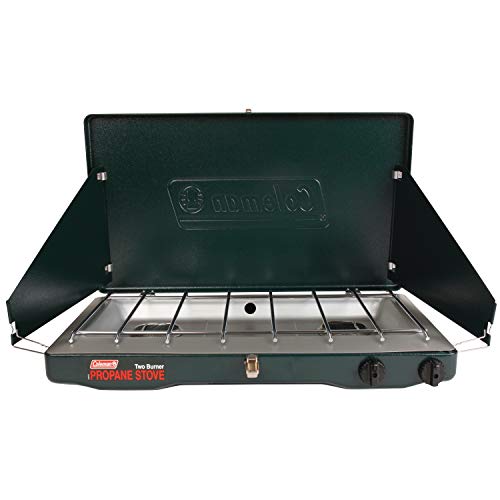
Coleman Gas Camping Stove Classic 2-Burner

Jetboil Sumo Camping and Backpacking Stove System

Coleman Tabletop 2-in-1 Grill and Stove
A Closer Look At Each Pick
Backpackers chasing a sub-three-ounce stove that still boils water for a freeze-dried dinner will appreciate what MSR packed into the PocketRocket 2. At roughly 2.6 ounces and folding down to about 2 by 2 by 3 inches, it slips into a side mesh pocket on most packs without forcing a reshuffle. The compact format suits long-distance hikers and global travelers who count every gram and want a stove that disappears in luggage.
Setup takes seconds: unfold the arms, screw onto a standard isobutane canister, and light. The flame adjusts smoothly from a steady simmer to a rolling boil, which matters more than people expect when cooking real food on the trail rather than just rehydrating meals. Compared with the integrated Jetboil systems further down this list, the PocketRocket 2 trades a built-in pot for raw versatility, letting a hiker use any cookware that fits.
The Value In It
- Lightweight design that practically vanishes in a pack at roughly 2.6 ounces
- Fast boil time for a canister stove, heating a liter of water in about 3.5 minutes
- Wide flame control that handles delicate simmering and hard rolling boils alike
- Compatible with most isobutane canisters, simplifying global resupply on long routes
- Sturdy pot supports that hold up to a 12-inch pan for solo camp cooking
Worth Noting
- No built-in igniter, so a lighter or matches is essential in damp conditions
- Wind performance drops noticeably without a separate windscreen, a small added purchase
- Stability on uneven ground can feel twitchy with a tall pot stacked on top
Feature Snapshot
Made For
Thru-hikers, ultralight backpackers, and global travelers who value weight savings and a stove that fits anywhere in their kit.
Look Elsewhere When
Group meals at basecamp call for the Jetboil Sumo, which carries a larger cooking cup and finer simmer regulation for serving more than one person.
The Jetboil Flash answers one question better than most stoves on this list: how fast can a cup of water boil? With a claimed boil time around 100 seconds, the integrated burner and 1-liter FluxRing cooking cup work as a single efficient unit. That speed matters on cold mornings when fingers ache and motivation runs thin, especially for solo campers chasing quick coffee before a long hike.
The insulating cozy wrapped around the cup holds in heat, which extends warmth for a second cup of cocoa or a slower-pour freeze-dried dinner. Compared with the MSR PocketRocket 2 above, the Flash sacrifices cookware flexibility for raw speed, since most cooking happens right in the FluxRing cup. For backpackers carrying Jetboil-compatible accessories, the system adds genuine convenience.
Practical Advantages
- Rapid boil time, roughly 100 seconds for a liter, ideal for cold starts
- Insulated cozy retains heat for pour-over coffee or gradual rehydration
- All-in-one design that packs the burner, pot, and igniter as one kit
- Push-button igniter removes the need to pack a separate lighter for routine trips
Trade Offs
- Proprietary cup size limits cookware swaps compared with the open PocketRocket 2
- Higher fuel use during prolonged simmering compared with traditional canister stoves
Right Fit For
Solo backpackers and minimalists who prioritize fast water boils and an all-in-one system for coffee, soup, and freeze-dried meals.
Consider Something Else When
Car campers wanting a two-burner setup should pick the Coleman Gas Camping Stove Classic 2-Burner for full meal prep with multiple pans going at once.
Where the ultralight picks on this list aim for backpack savings, the Coleman Cascade 18 plants itself firmly at the car campsite or tailgate. A single burner producing up to 8,000 BTUs handles a 12-inch pan, which covers most skillet dinners for one or two people. The matchless rotary ignition adds convenience, especially when hands are cold or greasy from packing coolers.
The aluminized steel cooktop wipes clean after a meal of eggs or grilled cheese, a small but real perk after a long day outdoors. Compared with the Jetboil Flash reviewed earlier, this Coleman trades speed and weight for a stable, table-style platform with room for a real frying pan. For campers who already tow a cooler full of food, the extra few pounds barely register.
Real-World Strengths
- 8,000 BTU output suitable for searing and sautéing in a 12-inch pan
- Rotary matchless ignition removes the hassle of finding a lighter at dusk
- Detachable grate and onboard regulator storage flatten the unit for car transport
- Aluminized steel surface that wipes down quickly after greasy meals
Honest Caveats
- Single burner limits simultaneous dishes, a real issue for families cooking dinner
- Wind performance relies on shielding from a table or vehicle, since no built-in wind guard
- Requires a separate propane cylinder, adding a small ownership cost
Key Product Details
Best Suited To
Car campers, tailgaters, and solo outdoor cooks who want simple propane convenience without hauling a full kitchen setup.
Reach For A Different Pick When
Anyone cooking for more than two people should step up to the Coleman Tabletop 2-in-1 Grill and Stove, which adds a second burner and an integrated grill surface.
The Coleman Classic 2-Burner has been a fixture at family campsites for decades, and the current model keeps that reputation intact with up to 20,000 total BTUs across two adjustable burners. The cooking surface fits a 12-inch and a 10-inch pan simultaneously, which is genuinely useful when cooking breakfast for four without juggling a single burner. Wind-blocking panels shield both flames, a real upgrade over the Cascade 18’s open design.
The pressure regulator keeps performance steady when the propane cylinder runs low or the temperature drops overnight. Compared with the Coleman Cascade 18 reviewed earlier, this stove is heavier and bulkier, but the trade is real cooking capacity for a group. Setup requires hauling a propane tank, which is easy at a car site and impractical on a backpacking trip.
Good Reasons To Consider
- Two adjustable burners deliver up to 20,000 total BTUs for full meal prep
- Fits a 12-inch and 10-inch pan side by side without crowding
- Wind-blocking panels protect flames in breezy campsites and open tailgates
- Pressure regulator maintains output as the propane cylinder drains
Small Caveats
- Bulk and weight rule out backpacking; this is car camping only
- Requires a separate 16.4 oz propane cylinder that adds setup steps
- Cooking surface cleanup benefits from regular wipe-downs to prevent grease buildup
Who It Suits Best
Family campers, scout groups, and anyone cooking for four or more at a fixed basecamp with car access.
Skip It When
Backpackers counting every ounce will be happier with the MSR PocketRocket 2, which delivers hot meals without the propane bulk.
The Jetboil Sumo sits between the solo-focused Flash and a true camp kitchen, scaling Jetboil’s integrated cooking concept for two to three campers. The larger 1.8-liter FluxRing cup delivers a higher cup-to-fuel cooking efficiency that pays off when boiling water for a group meal. The regulator technology allows incremental adjustments from a low simmer to a full rolling boil, which matters more than people expect when cooking real food rather than just heating water.
Compared with the Jetboil Flash reviewed earlier, the Sumo trades some speed for capacity and a noticeably better simmer range. This makes it useful for one-pot meals like pasta or rice where temperature control actually affects the outcome. For backpackers willing to carry the extra weight, the upgrade is rewarding when cooking for partners or small groups.
A Few Strong Suits
- 1.8-liter FluxRing cup handles group portions in a single cook cycle
- Improved cup-to-fuel efficiency stretches canister life on longer trips
- Regulated simmer control supports real cooking, not just boiling water
- Insulating cozy retains heat for serving and second helpings
A Few Limitations
- Heavier than the Jetboil Flash, which adds up on multi-day routes
- Still limited by the proprietary cup shape when swapping in alternative cookware
- Higher cost than basic canister stoves may push budget-focused shoppers toward the MSR PocketRocket 2
Whose Shelf It Belongs On
Backpackers and paddlers cooking for two or three who want Jetboil efficiency with enough capacity for actual meals.
A Better Fit Elsewhere
Car campers hosting larger groups will appreciate the Coleman Gas Camping Stove Classic 2-Burner, which handles side-by-side pans far more easily.
The Coleman Tabletop 2-in-1 takes the two-burner concept and adds a real grill surface, which changes what kind of meal is possible at the campsite. Up to 20,000 BTUs split across two adjustable burners handle a锅 of chili while burgers sear on the chrome-plated grate next to it. The push-button starter removes the friction of finding a lighter with greasy hands.
The integrated design means cleanup involves removing the grate and wiping both surfaces, a manageable task after dinner. Wind guards around the burners keep flames steady in open tailgate setups. Compared with the Coleman Classic 2-Burner reviewed earlier, this model adds grilling versatility at the cost of slightly more setup time.
What Works In Its Favor
- Dual-surface design supports both grilling and stovetop cooking at the same time
- 20,000 total BTUs across two independently adjustable burners
- Push-button ignition removes lighter dependency for quick starts
- Built-in wind guards stabilize flames in breezy outdoor conditions
- Removable chrome-plated grate simplifies post-meal cleanup
Points To Weigh
- Heavier than the Classic 2-Burner and bulkier in a trunk
- Grill surface is smaller than a full-sized grill, limiting batch cooking
- Requires a separate propane cylinder and stable tabletop setup
Perfect Match For
Tailgaters and car campers who want burgers on the grill and a pot of beans going on the burner without juggling multiple units.
Swap It Out When
Backpackers and ultralight hikers will find this overkill, and the MSR PocketRocket 2 fits their kit far better.
What Matters Most Before Choosing Portable Camping Stoves
Match the Stove to the Trip
A thru-hiker carrying a 30-liter pack needs a different answer than a family unloading a minivan. Canister stoves like the MSR PocketRocket 2 and Jetboil systems reward backpackers with weight savings, while two-burner propane units serve car campers cooking real meals for groups. The honest read is that buying the lightest stove for car camping adds unnecessary steps, and buying a two-burner for backpacking adds punishing weight.
Fuel Choice Shapes the Experience
Isobutane canisters dominate the backpacking category because they burn clean, light quickly, and pack small. Propane cylinders power the heavier tabletop stoves because they deliver higher BTU output and refill cheaply at any hardware store. For backpackers venturing abroad, isobutane availability is generally reliable in outdoor hubs, though remote regions may require planning ahead.
Simmer Control Separates Real Cooking From Water Boiling
A stove that only boils water handles freeze-dried meals well but struggles with eggs, pancakes, or rice. The Jetboil Sumo’s regulator technology and the adjustable burners on Coleman propane stoves show how simmer range matters when cooking real food. Backpackers who mostly rehydrate can ignore this, while car campers benefit from wider flame control.
Weight and Stability Are Trade-Offs
The PocketRocket 2’s 2.6-ounce body feels liberating on a long trail but wobbles under a tall pot on uneven rock. Two-burner propane units offer rock-solid platforms but weigh enough to require a car. Considering where and how a stove will actually be used prevents overbuying capacity or underbuying stability.
Key Considerations Across These Picks
Pitfalls Shoppers Hit
First-time buyers often chase the lightest stove regardless of use case, ending up with a featherweight that lacks simmer control for real meals. Others pick a two-burner family stove for solo backpacking and resent the weight by mile five. Matching the stove to the actual trip type, plus checking fuel availability for the regions on the itinerary, prevents most post-purchase regrets.
The Case For Spending Up
Higher-tier models like the Jetboil Sumo deliver real cooking flexibility through regulator-controlled simmer, while integrated systems like the Jetboil Flash trade cost for speed. The upgrade is worth it for campers who cook actual meals on the trail, while budget-focused backpackers who mostly boil water will find the MSR PocketRocket 2 sufficient.
Wrap Up
The right portable camping stove matches the trip, the cooking style, and the fuel availability. Backpackers gravitate toward the MSR PocketRocket 2 or Jetboil Flash for weight savings, while car campers step up to the Coleman two-burner options for real cooking capacity. Choosing based on use case rather than raw specs keeps gear honest on every trip.