
Flat tires don’t care about your schedule. A reliable pump stashed in a saddlebag or trunk turns a stranded afternoon into a ten-minute pause, and the gap between the best and worst units shows up the moment a presta valve refuses to seat on a chilly morning. Riders who commute daily, families prepping for weekend trails, and drivers topping off a spare all need the same core thing: portable, repeatable inflation that doesn’t fight them. This roundup covers seven options ranging from frame-mounted hand pumps to cordless electric compressors, mixing price brackets and use cases so the right fit stands out quickly.
Your Options, Compared

WarWolf Smart Tire Inflator Auto Shut-Off
Hafuloky Tire Inflator 150PSI Cordless Air Pump
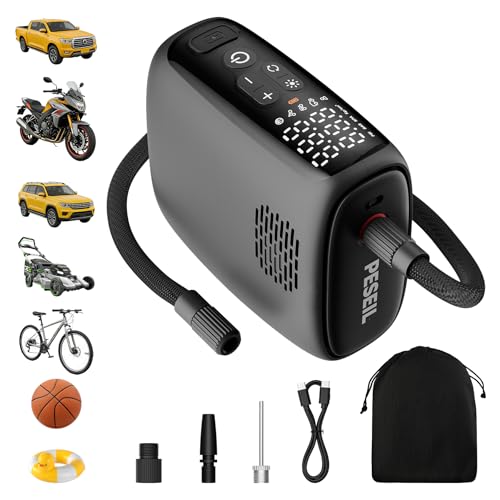
Anthalo Tire Inflator 40L/min Air Compressor
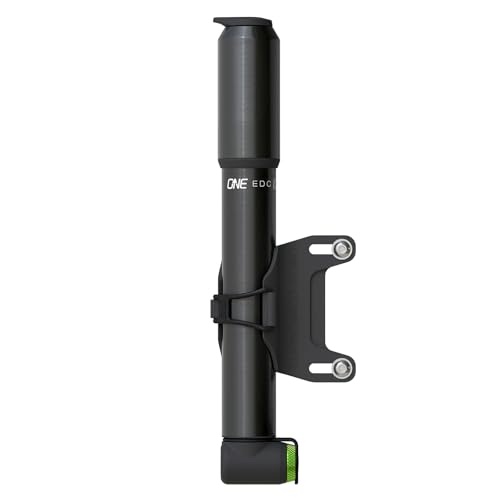
OneUp Components EDC Bike Pump

AIRBANK Mini Bike Pump POCKET SE 100 PSI

AIRBANK Mini Bike Pump Pocket 2 PRO 120 PSI

AIRBANK Waterproof Mini Bike Pump Pocket 3 120 PSI
The Strengths Of Each Pick
The WarWolf Smart Tire Inflator targets the most common pain point in car-topping situations: over-inflating while your attention drifts. Set the target PSI on the digital display, press start, and the unit cuts power the moment the sensor reads the chosen number. For households with a sedan, a minivan, and a bike or two in the garage, that hands-off behavior removes the second guessing that comes with cheaper analog gauges.
Where this compressor differs from a bare-bones 12V unit is the pressure range, sitting at 2–160 PSI. That ceiling covers passenger tires, light-truck spares, motorcycle rubber, and most bicycle tubes, so a single tool handles weekend inflation jobs. The digital screen reads in PSI, Bar, kPa, and kg/cm², which helps households dealing with imported vehicles or trailer specs printed in metric.
Features That Help
- Preset target pressure with automatic shut-off eliminates manual checking
- 160 PSI ceiling covers cars, motorcycles, and bicycles in one device
- Multi-unit digital readout reduces guesswork with imported or trailer tires
- Compact form factor fits in a trunk side well or under a seat
Points To Note
- Sensor accuracy can drift over time, so occasional recalibration against a separate gauge is wise
- Power draw on a 12V outlet means leaving the engine running during longer top-offs
Key Specs
Whose Garage It Belongs On
Drivers managing a household with mixed vehicles, plus the occasional bike or trailer, will lean on this daily.
A Better Fit Elsewhere
Serious cyclists heading off-grid should look at the OneUp Components EDC Bike Pump, which mounts directly to the frame.
Hafuloky’s cordless design frees the user from a 12V outlet, which matters at soccer fields, in campground parking lots, and on apartment stair landings. The 150 PSI ceiling and digital gauge make it useful for car tires and bicycle tubes alike, and the auto shut-off triggers once the preset pressure lands. For households juggling bikes, basketballs, and a sedan, that range removes the need for separate pumps.
The headline claim is speed: the upgraded cylinder delivers faster inflation than typical entry-level cordless units. In practical terms, a road-bike tire climbs from low pressure to ride-ready in well under five, and a passenger tire top-off takes a fraction of the time spent on cheaper handheld inflators. Compared to the WarWolf, this trades raw PSI ceiling for portability.
Well-Handled Touches
- Cordless operation works anywhere a 12V outlet isn’t available
- Auto shut-off prevents the common rookie mistake of over-pressurizing a tube
- 150 PSI ceiling covers cars, motorcycles, bicycles, and inflatables
- Built-in gauge removes the need to carry a separate pressure pen
Things To Consider
- Battery life depends heavily on tire size, so topping off a truck tire may drain the pack
- Valve adapters can loosen with repeated use; a quick check before each trip avoids roadside frustration
Made For
Families and casual cyclists who need one device for cars, bikes, and sports equipment without plugging in.
Look Elsewhere When
Road cyclists prioritizing pure weight savings should consider the AIRBANK Mini Bike Pump POCKET SE instead.
Anthalo leans hard into airflow rather than peak PSI. The two-stage compression cylinder pushes 40 L/min, which shows up as a noticeably shorter wait when topping off a passenger tire from a low starting pressure. For commuters who notice a soft sidewall on the way to work, that translates into a faster driveway top-up without burning extra minutes before the drive.
The design pairs the high-output cylinder with a high-efficiency permanent magnet motor, which keeps the unit relatively compact for the airflow it delivers. It’s the kind of tool that earns its trunk space: pulled out for routine pressure checks rather than emergency-only use. Versus the Hafuloky above, the trade-off is more air per minute but a heavier overall package.
Where It Delivers
- 40 L/min airflow dramatically shortens top-off times versus entry-level inflators
- Two-stage cylinder supports steady output over longer runs
- Compact form for the airflow class fits in a trunk or cargo nook
- Permanent magnet motor holds efficiency across repeated inflations
A Few Limitations
- Heavier than pocket-style options, so it lives in the car rather than a saddlebag
- High airflow generates more heat, so cooldown breaks help with consecutive tires
Spec Overview
Best Suited To
Daily commuters and road-trippers who run routine pressure checks and want the job done in minutes.
Swap It Out When
Off-grid cyclists and bikepackers should pick the OneUp Components EDC Bike Pump for frame-mounted reliability.
The OneUp EDC takes a different path: no battery, no motor, no cord. CNC-machined aluminum construction keeps the weight honest, and the hollow design accepts multitools and plug kits inside the pump body. For trail riders who already carry a repair kit, that’s a meaningful trim in saddlebag clutter.
Sizing runs in two volumes, 100cc (10 inches) and 70cc (7 inches). The bigger pump moves more air per stroke, which matters on wider mountain bike tires; the shorter option suits riders counting grams or packing the pump in a frame bag. Presta compatibility is built in, so road and gravel riders don’t need a separate adapter. The honest read is that hand pumps always take effort, but the EDC’s volume cuts strokes noticeably versus slimmer mini-pumps.
Everyday Advantages
- Frame-mounted design keeps the pump on the bike, not in a forgotten bag
- Aluminum body balances durability with low weight
- Internal storage compartment holds EDC tool system or plug kit
- Two volume options (100cc and 70cc) match different tire widths and frame sizes
Trade-Offs To Consider
- Hand-powered by definition, so reinflating a fully flat mountain tire takes significant effort
- No pressure gauge built in; riders need a separate gauge for precise inflation
Feature Snapshot
Who Should Grab It
Mountain bikers and bikepackers who want a trail-ready hand pump that mounts directly to the frame.
Consider Something Else When
Road cyclists who prefer push-button inflation should pick the AIRBANK Mini Bike Pump Pocket 2 PRO instead.
The POCKET SE is the smallest item on this list by a wide margin. At roughly 3.3 oz, it slips into a jersey pocket or saddlebag without the bulk that defines most mini-pumps. Road cyclists who already carry a spare tube and CO₂ cartridge will appreciate not adding another bulky tool to the kit.
Pressure ceiling sits at 100 PSI, which covers road and gravel tires comfortably. The unit tops off a low-pressure road tire quickly enough at the side of the road, and the rechargeable battery eliminates CO₂ cartridge resupply. For riders tackling century rides and brevet events, the trade-off is fewer total inflations per charge, but the weight savings are real.
A Few Highlights
- Sub-4 oz weight disappears in a jersey pocket
- 100 PSI ceiling matches most road and gravel tire pressures
- Rechargeable battery removes the recurring cost of disposable cartridges
- Compatible with Schrader and Presta valves for flexible use
Potential Drawbacks
- Best suited to road bikes; lower volume means slower inflation on wider tires
- Small battery capacity limits consecutive top-offs between charges
Built With In Mind
Road cyclists and weight-conscious commuters who want pocket-friendly electric inflation for long rides.
Another Choice May Suit
Riders facing wet conditions should pick the AIRBANK Waterproof Mini Bike Pump Pocket 3 instead.
The Pocket 2 PRO steps up from the SE with an aluminum alloy case, a higher 120 PSI ceiling, and a 450 mAh battery. For commuters who treat their bike like a vehicle, the metal housing adds confidence against drops and scrapes, and the pressure ceiling handles gravel and hybrid tires that the SE wouldn’t cover as comfortably.
The integrated LED pressure screen shows real-time readings to within roughly 1 PSI, which removes the second-guessing that comes with gauge-less mini units. Compared to the SE, this trades a few extra grams for a noticeably sturdier build and a more useful pressure range. The honest read is that for daily commuting over mixed pavement, the upgrade pays off quickly.
Where It Excels
- Aluminum alloy case resists drops and sheds heat during use
- LED pressure gauge reads in real time, removing guesswork
- 120 PSI ceiling suits road, gravel, and hybrid tires
- 450 mAh battery handles a week of typical top-offs per charge
Less Ideal Details
- Heavier than the SE due to the metal housing
- Smaller battery than the Pocket 3, so very frequent riders may need mid-week charging
Quick Facts
The Right Fit
Daily commuters and gravel riders who want electric inflation with a built-in gauge and a sturdy body.
Skip It When
Riders who regularly face heavy rain should pick the AIRBANK Waterproof Mini Bike Pump Pocket 3 for sealed protection.
The Pocket 3 rounds out the AIRBANK lineup by addressing the most common killer of mini electric pumps: water intrusion. The immersion-grade waterproof rating holds up under unexpected rain, and the silicone valve plug keeps the seal tight when the pump is stashed in a dripping saddlebag. For year-round commuters and coastal riders, that protection is the difference between a tool that lasts and one that doesn’t.
Battery capacity climbs to 600 mAh, the largest in the AIRBANK lineup, and the 120 PSI ceiling matches the Pocket 2 PRO. Together, that means longer rides between charges and confident inflation on wider tires. The honest read: riders in dry climates can save weight with the 2 PRO, but anyone facing regular rain gets peace of mind here.
What Earns Its Place
- Immersion-grade waterproofing handles rain and wet saddlebags
- 600 mAh battery outlasts the smaller AIRBANK models
- 120 PSI ceiling covers road, gravel, and hybrid tire setups
- Built-in gauge displays real-time pressure during inflation
Things To Weigh
- Waterproofing depends on the silicone valve plug being seated, so a quick pre-ride check matters
- Larger battery adds a bit of bulk versus the slimmer Pocket 2 PRO
Who It Suits Best
Year-round commuters, coastal riders, and cyclists in wet climates who need a sealed, reliable pump.
Where Another Pick Suits Better
Riders sticking to dry pavement and counting grams should consider the AIRBANK Mini Bike Pump POCKET SE for its lighter build.
What To Weigh Before Choosing A Portable Bike Pump
The first decision is valve type. Presta valves (the slender threaded type) appear on most road, gravel, and higher-end mountain bikes, while Schrader valves (the same shape as a car tire) show up on hybrids, kids’ bikes, and entry-level mountain bikes. Many pumps listed here support both, but confirming compatibility before purchase avoids adapter hunting on a roadside.
Next, consider how the pump will be carried. Frame-mounted hand pumps like the OneUp EDC live on the bike full-time, which is great for trail riders but adds weight and frame clutter for road cyclists. Pocket electric pumps sacrifice some peak PSI for a fraction of the size, suiting jersey-pocket carry. Larger cordless or 12V inflators handle cars and bikes but live in a trunk, not a saddlebag.
Pressure ceiling and gauge accuracy matter more than raw numbers suggest. A 100 PSI ceiling covers road tires, but cyclists running 120+ PSI tubulars or gravel tires at higher pressures need the extra headroom. Built-in gauges with real-time readouts, like the LED displays on the AIRBANK 2 PRO and Pocket 3, remove the back-and-forth with a separate pen gauge.
Power source shapes daily usability. Hand pumps never need charging and never fail electrically, but they trade effort for that simplicity. Cordless electric pumps add convenience and shut-off automation, but battery capacity limits consecutive inflations. 12V compressors offer the highest airflow for vehicles, but tether the user to a power outlet.
Key Considerations Across These Picks
Where Shoppers Go Wrong
A common slip is choosing a pump by peak PSI alone. A 160 PSI ceiling on a tiny electric unit doesn’t mean the pump can sustain that pressure or deliver it efficiently, so airflow matters as much as the headline number. Another trap is assuming all mini pumps handle both valve types out of the box; some ship with Schrader-only heads, requiring a separate adapter for Presta tubes.
Many first-timers also overlook weight distribution. A heavy cordless inflator in a jersey pocket is a non-starter, while a featherweight electric pump in a trunk underperforms at car-tire inflation. Match the form factor to the carry location.
When Paying More Pays Off
Higher-tier pumps earn their premium through materials and electronics. Aluminum alloy housings on the AIRBANK 2 PRO shed heat and survive drops that plastic shells won’t, which matters for daily commuters. Waterproofing on the Pocket 3 costs more but eliminates rain-related failures that sideline cheaper units.
Faster airflow on the Anthalo and the automatic shut-off circuitry on the WarWolf translate to time saved across years of use, not minutes saved per inflation. For households or riders using a pump several times a week, those efficiencies justify the step up.
Closing Remarks
The right portable bike pump depends less on specs and more on how it slots into daily routine. A trail rider needs a frame-mounted companion that won’t quit mid-route, while a commuter benefits from a pocket electric that tops off pressure before the morning drive. Car-centric households want trunk-ready compressors with auto shut-off, and wet-climate cyclists need sealed bodies that shrug off rain. Match the tool to the scenario, and flat tires stop being a disruption worth fearing.