
A backyard pool or hot tub can swallow hours of weekend time, and most of it goes toward balancing water that nobody actually swims in. Ozone generators cut that workload by oxidizing contaminants before chlorine ever has to, and they do it without leaving behind the chemical smell that sends kids inside rubbing their eyes. The five picks below cover full-size pool systems, compact spa units, and the small replacement parts that keep them running.
A Closer Look At The Lineup

A2Z Ozone SP-5G Swimming Pool Ozone Generator

UltraPure UPS350 10W Replacement UV Bulb

Clarathon Hot Tub Ozonator Check Valve
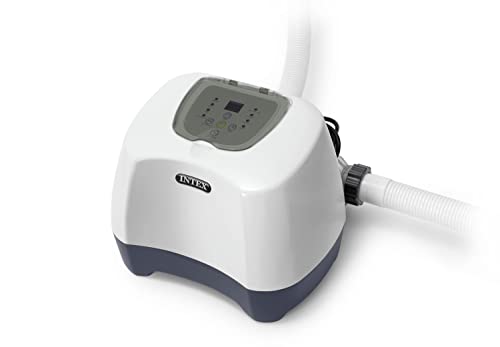
INTEX QZ1100 Krystal Clear Saltwater System
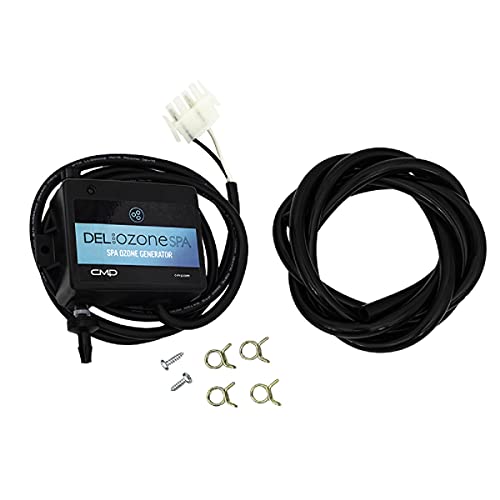
DEL Ozone Eclipse Corona Discharge Generator
The Details Behind The Selections
The A2Z Ozone SP-5G sits in a category of its own: a purpose-built ozone generator aimed squarely at residential pools up to 15,000 gallons, not spas or small plunge tanks. Corona discharge ozone generators like this one produce ozone by passing dry air or oxygen through a high-voltage electrical field, which tends to yield higher concentrations than ultraviolet (UV) bulbs at similar power draws. For homeowners who already run a pump and filter pad, it slots in as a supplemental oxidizer rather than a chlorine replacement.
The variable output dial sets it apart from cheaper fixed-rate units. Owners can dial production up during heavy bather loads or back it down during cooler weeks when the water stays cleaner on its own. It also demands a venturi injector (a fitting that creates suction using the water flow to pull ozone gas into the plumbing) and ideally a degas separator to vent undissolved gas before it reaches the pool surface, so installation takes more planning than a drop-in cell.
Features That Help
- Adjustable ozone output scales from light supplemental use up to heavy bather weekends, so the same unit handles a calm Tuesday and a pool party.
- Corona discharge cell runs cooler than UV bulbs and tends to last longer between service intervals, which means fewer mid-season swaps.
- Pool-sized capacity (15,000 gallons) covers most backyard residential setups without forcing owners to oversize equipment.
- Plumbs into an existing pump and filter loop, so it piggybacks on hardware already in the equipment pad.
Things To Consider
- Requires a venturi injector and a degas separator to operate safely, which adds to the parts list and install time.
- Not a standalone sanitizer, so chlorine or another residual sanitizer still belongs in the water for steady disinfection.
- Corona discharge cells need periodic cleaning and eventually a replacement, which is normal wear for the category.
Whose Backyard It Belongs In
Homeowners with a full-size residential pool up to 15,000 gallons who already run a pump-and-filter pad and want a serious supplemental oxidizer rather than a novelty add-on.
A Better Fit Elsewhere
For an above ground pool, the INTEX QZ1100 reviewed below is a tighter match and simpler to integrate without extra plumbing parts.
UV ozone generators rely on a specialized low-pressure mercury-vapor lamp that emits a narrow UV wavelength capable of splitting oxygen molecules (O₂) into single atoms that recombine as ozone (O₃). The UltraPure UPS350 10W replacement bulb is the consumable heart of one of those units, and once the original lamp fades the entire system stops producing ozone, even when everything else looks fine.
For pool and spa owners running an UltraPure UV system, this bulb is the part that turns the unit back on after two to three years of service. The 10W rating matches the original spec, which matters because overdriving or underdriving a UV cell shortens its life or weakens ozone output.
Reasons It Performs
- Direct-fit replacement restores OEM output without rewiring or adapting the housing.
- 10W rating matches the original UltraPure spec, so output stays in the expected range.
- Single-lamp package keeps the swap simple: pull the old bulb, seat the new one, reconnect.
Points To Note
- Only fits UltraPure UV systems, so it has no value for owners of corona discharge or saltwater setups like the A2Z SP-5G.
- UV bulbs lose efficiency gradually, so owners should plan replacement every two to three years rather than waiting for total failure.
Who It Suits Best
Existing UltraPure UV ozone system owners whose lamp has dimmed or failed and want a factory-spec replacement without swapping the whole unit.
Skip It When
Anyone running a corona discharge spa generator like the DEL Eclipse should look at a different consumable part instead, since UV bulbs are not interchangeable.
Every ozone generator has a quiet enemy: water creeping back into the unit when the pump shuts off. That backflow corrodes electrodes, shorts electrical contacts, and kills ozonators years before their design life. The Clarathon check valve is a one-way gate that lets ozone travel toward the spa but blocks water from returning, and it costs almost nothing compared to replacing a generator.
It accepts standard 1/4-inch tubing, the size used across most hot tub and spa ozone setups, so installation usually means cutting the line, slipping the valve in, and orienting the flat side to match the flow direction. Owners confirm direction by blowing into the valve, a quick field check that takes seconds.
What Helps Most
- Prevents backflow water damage that shortens ozonator life, which saves the cost of an early generator replacement.
- Standard 1/4-inch tubing compatibility fits most spa and hot tub ozone plumbing without adapters.
- Simple inline install means most homeowners can swap it in a few minutes with basic tools.
- Tiny footprint tucks into tight equipment compartments common on portable spas.
Points To Keep In Mind
- Must be oriented with the flat side facing the flow direction, otherwise no ozone passes and water may back up into the unit.
- A wear item, not a permanent fix, so it should be checked and replaced as part of routine spa service.
Quick Facts
Made For
Hot tub and spa owners whose ozone line either lacks a check valve or has a worn one, since this is the cheapest insurance against ozonator failure.
Look Elsewhere When
Anyone needing the ozone generator itself should consider the DEL Eclipse spa unit reviewed below, since a check valve alone won’t produce any ozone.
The INTEX QZ1100 takes a different route than the A2Z SP-5G: it generates chlorine on-site from added salt using electrolysis (an electric current passing through saltwater that splits it into chlorine and other byproducts). The end result is the same sanitized water, but with far less of the bleach smell and skin irritation that drive some families away from traditional chlorine.
Rated for above ground pools up to 15,000 gallons, it pairs naturally with INTEX frame and Ultra Frame pools but also works on any compatible above ground setup. The control panel puts scheduling and boost cycles within reach, so the unit doesn’t require a visit to the breaker box every time the chemistry drifts.
The Helpful Details
- Saltwater chlorination cuts the heavy chemical smell typical of traditional chlorine tablets, which matters for families with kids who spend hours in the water.
- Intuitive control panel handles scheduling and cleaning cycles without requiring a trip to the equipment pad.
- 15,000-gallon capacity covers most residential above ground pools, including larger INTEX Ultra Frame models.
- Generates chlorine on demand from salt, so owners skip hauling jugs of liquid chlorine from the store.
Honest Caveats
- Still produces chlorine, so it is a chlorine alternative in feel rather than a true chlorine-free system like the A2Z SP-5G.
- Requires salt to be added and maintained at the right level, so there is a small but ongoing chemistry chore.
- Cell life is finite, so budgeting for a replacement cell every few seasons keeps the system running at full strength.
Best Suited To
Above ground pool owners, especially those already running INTEX equipment, who want softer-feeling water and simpler maintenance without going full ozone plumbing.
Another Choice May Suit
Shoppers wanting a true chlorine-free ozone setup for a smaller pool should look at the A2Z SP-5G, though it requires more plumbing parts to install.
The DEL Eclipse is built for hot tubs and spas, not full-size pools, and that focus shows in the design. It uses a corona discharge chip, the same general technology category as the A2Z SP-5G, but sized and sealed for the tight, humid environment inside a spa equipment compartment. There is no starter or ballast (the heavy external component that ignites and regulates older lamps), so the wiring stays simple.
A viewing window on the housing lets owners confirm the unit is actually producing ozone at a glance, which beats guessing whether the cell has failed. The chip is water resistant and runs cooler than UV systems, two traits that tend to translate into longer service life in a constantly warm spa cabinet.
Everyday Perks
- No external ballast simplifies wiring and shrinks the parts list during spa service or retrofit work.
- Water-resistant corona discharge chip handles the humid spa cabinet environment better than many UV units.
- Viewing window confirms ozone production visually, so troubleshooting takes seconds instead of guesswork.
- Lower operating heat than UV systems, which can extend cell life in a closed, warm equipment compartment.
Where It May Fall Short
- Sized for spas and hot tubs, not residential pools, so bigger water volumes will outpace its output.
- Premium component category, so the upfront cost is higher than basic UV replacement lamps like the UltraPure bulb.
Spec Overview
Right Fit For
Hot tub and spa owners who want a long-life, low-maintenance ozone generator that drops into a standard spa ozone line without rewiring.
Consider Something Else When
Anyone running an above ground pool should pair the INTEX QZ1100 instead, since this DEL unit is designed for spa-scale water volumes.
Picking The Right Ozone Setup For Your Water
Choosing between these five picks really comes down to water volume, plumbing, and how hands-on the owner wants to be. A full-size residential pool needs a generator with adjustable output and the muscle to handle 10,000+ gallons, which is exactly where the A2Z SP-5G earns its place. Above ground pools usually pair more naturally with a self-contained system like the INTEX QZ1100, since the saltwater approach skips most of the extra plumbing an ozone setup demands.
Hot tubs and spas run on a different logic entirely. Smaller water volumes mean a compact corona discharge unit like the DEL Eclipse can keep up, while a check valve like the Clarathon protects that investment from the backflow damage that kills spa ozonators early. UV-based systems, by contrast, depend entirely on a fresh lamp, so the UltraPure UPS350 replacement bulb belongs on the shelf of anyone running that style of unit.
Three attributes matter most across the category: output capacity matched to gallons, install complexity (venturi injectors, degas separators, and salt cells all add steps), and ongoing maintenance (bulb swaps, cell cleaning, and check valve replacement). Get those three right and the rest of the decision tends to fall into place.
Key Considerations Across These Picks
Pitfalls Shoppers Hit
The most common mistake is sizing a generator to the pool it sits next to rather than the actual water volume, which leaves the unit underproducing for half the season. Another is skipping the small support parts: a check valve, a degas separator, or a working UV bulb all determine whether the system actually performs. Owners also tend to treat ozone as a full chlorine replacement, when it really works best as a supplemental oxidizer paired with a residual sanitizer.
Where The Extra Money Goes
Higher-tier pool ozone generators earn their cost through adjustable output, longer-lasting corona discharge cells, and build quality that holds up in humid equipment compartments. For most residential pools and spas, the upgrade pays off in fewer service visits and steadier water chemistry. For very small or rarely used tubs, a basic setup with a check valve and simple cell often delivers enough ozone without the premium spend.
Bottom Line
Ozone generators reward owners who match the unit to the water and stay on top of the small consumables around it. Start with pool or spa size, then layer in the support parts that keep the system healthy, and the rest of the decision tends to take care of itself. The five picks above cover the most common setups a backyard owner is likely to face, from full residential pools down to compact spa systems and the replacement parts that keep them running.