
A small leak in a vinyl liner turns into a steady drop in water level, a swollen water bill, and a slow slide toward algae blooms if it goes ignored. The right repair kit lets a homeowner patch a tear, seal a seam, or refill a light niche without draining thousands of gallons or calling in a pro. The five kits below cover the most common scenarios: vinyl liner patches, concrete and fiberglass cracks, and even the trickier job of resealing underwater pool light fixtures.
A Fast Comparison Of The Options

AQUABOND DMK-5200 Epoxy Repair Kit (Gray, 50ml)

AQUABOND DMK-5000 Epoxy Repair Kit (White, 50ml)
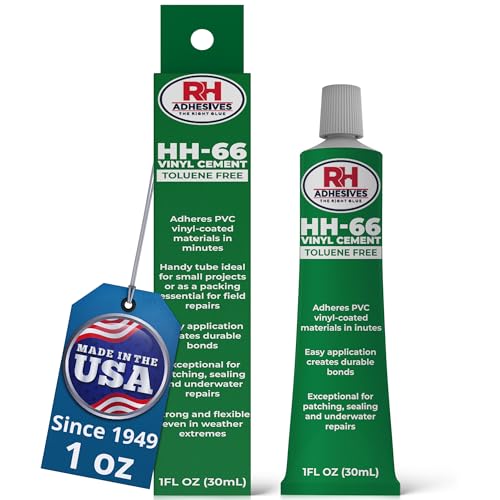
RH Adhesives HH-66 Toluene Free Vinyl Cement 1 oz

RH Adhesives HH-66 Vinyl Cement 4 oz

AQUABOND DMK-1000 Pool and Spa Potting Kit
More On The Choices That Made The List
For homeowners staring at a hairline crack somewhere along a concrete step or a dark PVC return fitting, this gray epoxy putty from AQUABOND handles the job without a drain. The 50ml kit is formulated to cure while submerged, so the leak can be addressed mid-season without sacrificing a full pool of treated water. It bonds to concrete, fiberglass, and PVC surfaces, which is rare in a single putty stick and makes it a true grab-and-go option for mixed-material pools.
Think of this as the generalist in the lineup. Where the RH Adhesives cements that follow are tuned for flexible vinyl, the DMK-5200 leans toward rigid substrates and patch-style repairs. For most backyards with a concrete or gunite shell, that profile is exactly what’s needed for the cracks that show up at tile lines or around skimmer throats.
Points In Its Favor
- Cures underwater, eliminating the cost and hassle of draining a pool for a small fix.
- Adheres to concrete, fiberglass, and PVC from a single stick, reducing the need for multiple products.
- Gray tone blends reasonably well with darker plaster, pebble, and concrete finishes.
- Compact 50ml size suits weekend repair kits and stays useful in a small parts drawer long-term.
Worth Noting
- Only 1.7 oz of putty means larger cracks or multiple repair sites may require more than one kit.
- Working time is limited once the two parts are kneaded together, so small, fast patches suit this product best.
- Gray color can stand out on white or pastel finishes, where the DMK-5000 (white) below is a closer match.
Who It Suits Best
Homeowners with concrete, gunite, or fiberglass pools who need a versatile underwater patch for small cracks and fittings, and who don’t want to drain the pool to apply it.
Consider Something Else When
For large vinyl liner patches on flexible material, the RH Adhesives HH-66 Vinyl Cement 4 oz offers a more flexible, brush-on bond suited to the substrate.
Same chemistry as the gray DMK-5200 above, but in a white finish that disappears against pale plaster, white fiberglass steps, and light-colored spa shells. The 50ml (1.7 oz) putty sticks cure underwater, so a crack at the waterline of a white pool or a chip on a fiberglass spa floor can be filled without emptying a thing. For households that care about cosmetic results, color match matters as much as bond strength.
Where the gray kit leans toward darker plaster and pebble finishes, this white sibling targets the same use cases on the opposite end of the palette. Owners commonly keep both on hand, picking the tone that matches the repair site rather than forcing a color compromise.
Practical Advantages
- White putty blends into light plaster, fiberglass, and spa shells, reducing visible repair scars.
- Underwater-cure formula matches the gray version, so application technique carries over.
- Bonds across concrete, fiberglass, and PVC in one stick, simplifying mixed-material repairs.
- Two-part epoxy putty stores sealed for long stretches, making it a low-maintenance shelf item.
Trade Offs
- Small 1.7 oz size won’t cover extensive damage or a run of multiple cracks in one go.
- White can yellow slightly over years of UV and chemical exposure in sunny pools.
- Not formulated for flexible vinyl liner patches, which is where the HH-66 cements fit better.
Made For
Homeowners with white plaster, fiberglass, or acrylic spa shells who want a discreet patch that matches light surfaces and cures without draining the pool.
Look Elsewhere When
Long seam repairs along flexible vinyl liners call for the RH Adhesives HH-66 Vinyl Cement 4 oz, which brushes on and stays flexible after cure.
This is the gentler sibling in the HH-66 family. The “TF” toluene-free formula drops the harsh solvent most contact cements rely on, so the working smell stays milder in enclosed pump rooms or covered pools. A built-in brush cap spreads the cement smoothly across small vinyl patches, and the 1 oz bottle is the right size for one or two liner fixes without leaving half-used glue to dry out on a shelf.
Versus the AQUABOND putties above, this is a true vinyl adhesive, not a rigid epoxy. Vinyl cement penetrates the surface of PVC and flexible vinyl and welds them together, which keeps the patch flexible after cure. For indoor or shaded pools where fumes linger, the toluene-free profile is a noticeable comfort upgrade.
Useful Strengths
- Toluene-free formula reduces fumes, suiting indoor pools, enclosed equipment rooms, and sensitive users.
- Brush-on application allows controlled, even coverage on small patches and seams.
- Flexible cured bond moves with vinyl liners, resisting cracks from thermal expansion.
- 1 oz size keeps waste low for one-off patches and small repair jobs.
Points To Note
- Not suited for polyethylene or polypropylene, including most standard blue poly tarps.
- 1 oz volume limits use to small tears; longer seams require the larger 4 oz bottle below.
- Brush cap can clog if the cap isn’t cleaned after each use, shortening shelf life once opened.
The Right Fit
DIYers with small vinyl liner tears who want a low-odor cement for indoor or covered pool setups and who only need enough glue for a couple of patches.
Another Choice May Suit
For larger liner projects or multiple repair sites, the RH Adhesives HH-66 Vinyl Cement 4 oz delivers the same chemistry in a more generous bottle.
Quick Facts
The original HH-66 formula, not the toluene-free variant, and the bottle most service techs reach for. A 4 oz container handles a long seam, a wider patch, or several smaller fixes across a season without running dry mid-repair. It’s the same professional-grade vinyl cement RH Adhesives has made on-site in Massachusetts since 1949, engineered for industrial use and serious DIYers.
Compare that to the AQUABOND putties earlier in this list: those are rigid epoxies tuned for cracks in hard surfaces. HH-66 is a flexible contact cement designed to weld PVC and vinyl together and stay flexible through temperature swings. For vinyl liner work specifically, that flexibility is what keeps patches from peeling as the liner expands and contracts.
Real-World Strengths
- 4 oz volume covers longer seams and multiple patches across a single repair session.
- Flexible, waterproof bond moves with vinyl liners and resists cracking in cold weather.
- Bonds underwater once cured, useful when a leak can’t be drained down easily.
- Made in the USA by a manufacturer with decades of industrial adhesive experience.
A Few Limitations
- Original formula contains toluene, so fumes are stronger than the TF version above and call for ventilation.
- Not formulated for polyethylene or polypropylene tarps, only true PVC and vinyl.
- Brush cap and opening can skin over between uses, requiring cleaning or pin-pricking before the next application.
Whose Shelf It Belongs On
Homeowners and pros tackling serious vinyl liner work who need enough cement for long seams and who can work in a ventilated space.
Swap It Out When
For indoor or covered pool repairs where solvent fumes are a concern, the RH Adhesives HH-66 Toluene Free Vinyl Cement 1 oz is the better-tolerated alternative.
Pool light fixtures are a different repair category entirely. The DMK-1000 is a potting compound, meaning it’s poured around electrical connections inside the light niche to seal out water, rather than a surface patch. It uses a waterproof electrical resin designed to protect pool light splices from the corrosive effects of treated water. The 1.7 oz kit is sized for a single niche pot, which is typically all that’s needed per fixture.
This is a specialty pick, not a substitute for the epoxies and vinyl cements earlier in the list. Where those handle cracks in pool shells and tears in vinyl liners, this one addresses the most common source of mysterious water-level drops at the light: a degraded potting seal. For anyone replacing a pool light bulb or rewiring a niche, repouring the pot is the often-skipped step that prevents future leaks.
Strong Points
- Waterproof electrical resin seals pool light connections against treated water intrusion.
- 1.7 oz kit matches the volume of a standard single-niche pot, no waste.
- Formulated for corrosion resistance in chemically treated pool environments.
- Specialty role complements the surface repair kits rather than competing with them.
Things To Weigh
- Highly specialized: not a substitute for general-purpose epoxy or vinyl cement repairs.
- Working with electrical fixtures in wet environments carries safety considerations beyond a typical patch job.
- Requires full cure before the light is powered back on, so this is a planned repair, not a quick fix.
Best Suited To
Homeowners replacing a pool light bulb, rewiring a niche, or chasing a leak that traces back to the light fixture rather than the liner.
Reach For A Different Pick When
For cracks in the pool shell or tears in a vinyl liner, the AQUABOND DMK-5200 Epoxy Repair Kit (Gray) or the RH Adhesives HH-66 Vinyl Cement 4 oz are the more relevant choices.
Feature Snapshot
Choosing The Right Pool Liner Repair Kit For The Job
The first decision is substrate. Concrete, gunite, and fiberglass shells call for a rigid epoxy putty that bonds under water, like the AQUABOND DMK-5200 (gray) or DMK-5000 (white). Flexible vinyl liners and rigid PVC fittings want a vinyl cement that stays pliable after curing, such as the RH Adhesives HH-66 in either the original or toluene-free formula.
Volume matters more than people expect. A 1 oz bottle of vinyl cement handles one small tear. Long seam repairs, multiple patches across a season, or any job touching more than a hand-sized area needs the 4 oz bottle to avoid running dry mid-application. The same logic applies to epoxy putty kits: 50ml sounds generous until a second crack shows up.
Underwater curing is the second make-or-break feature. Pools with tens of thousands of gallons don’t get drained for a minor tear. Any kit labeled for wet or submerged application removes the largest hidden cost from a repair. If the leak can be reached from the deck and the area dried off, surface-only adhesives also work and often bond more aggressively.
Finally, match the chemistry to the environment. Toluene-free vinyl cement trades a small amount of working aggression for noticeably lower fumes, which matters in covered pools, indoor spas, or pump rooms with limited airflow. Original HH-66 delivers the strongest industrial bond but calls for ventilation and a bit more caution during application.
Key Considerations Across These Picks
Common Shopping Slip Ups
The most frequent mistake is grabbing a vinyl cement for a concrete crack or, the other way around, reaching for a rigid epoxy on a flexible vinyl liner. The two chemistries aren’t interchangeable, and the wrong match usually means a patch that pops within weeks. Equally common is underestimating the volume needed and ending up with a half-cured repair and an empty tube halfway through the second patch.
What The Higher Tier Buys
Stepping up from a 1 oz to a 4 oz bottle of HH-66 isn’t paying extra for a bigger container: it’s paying for the same professional-grade chemistry with enough working material to finish the job properly. Larger volumes also mean the bottle gets opened and closed less often, which reduces skin-over inside the cap and extends usable shelf life across multiple seasons.
Bottom Line
The five kits above cover the three repair categories that catch most homeowners off guard: rigid surface cracks in shells, flexible vinyl liner tears, and the often-overlooked pool light niche pot. Pair the right chemistry to the substrate, size the volume to the job, and prioritize underwater-cure capability when draining isn’t practical.