
A backyard water feature only holds water as well as the liner beneath it. A thin sheet can tear on a hidden root, while an over-specified rubber sheet can blow a project budget before the first shovel of dirt leaves the ground. The right pond liner depends on the size of the build, the shape of the excavation, and whether fish or wildlife will share the water. The five picks below cover small DIY water gardens, mid-sized koi ponds, and professional-grade installations where thicker rubber pays for itself.
The Shortlist At A Glance

Lifeguard 25 ft. x 30 ft. EPDM Pond Liner

Firestone 15 x 15 PondGard 45-Mil EPDM

Firestone 5 x 15 PondGard 45-Mil EPDM

SDLDEER 10 x 10 HDPE Pond Liner
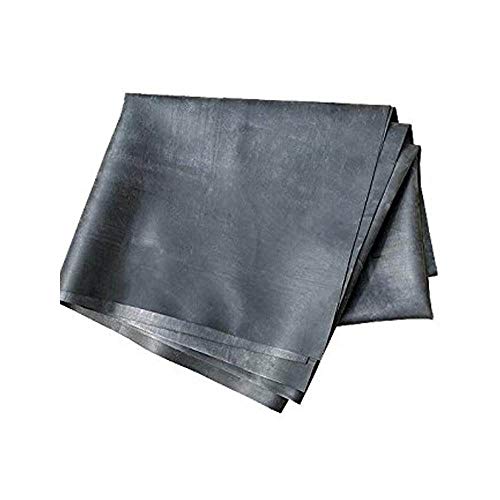
Firestone 15 ft. x 20 ft. EPDM Pond Liner
A Breakdown Of The Leading Choices
Big ponds ask more of a liner than small ones, and the Lifeguard sheet is built for that kind of work. The 60-mil EPDM rubber (a synthetic rubber known for weather and UV resistance) is thicker than every other pick in this roundup, which gives it a margin of safety against roots, sharp stones, and freeze-thaw cycles in colder climates.
At 25 by 30 feet, this liner suits ambitious builds: a large koi pond with shelving for marginal plants, a backyard stream feeding a waterfall, or even a small retention basin. The material is fish-safe and contains no plasticizer, so it won’t leach chemicals into the water over time. Owners of larger water gardens tend to reach for this thickness specifically because puncture repair gets harder as the pond grows.
Everyday Wins
- 60-mil thickness adds meaningful puncture resistance over standard 45-mil sheets.
- Large 25 by 30 ft footprint handles professional-sized koi and water garden builds.
- Fish- and wildlife-safe EPDM formulation protects pond inhabitants.
- No plasticizer in the rubber means long-term water quality stays cleaner.
Things To Consider
- The 25 by 30 ft sheet is heavy and awkward for one person to position without help.
- More rubber than most backyard projects need, so material waste is likely on small ponds.
- Thicker sheets cost more up front than the 45-mil options below.
Key Specs
Built With In Mind
Backyard builders planning a sizeable koi pond, waterfall, or multi-zone water garden where extra puncture resistance is worth the heavier handling.
Reach For A Different Pick When
Smaller DIYers should consider the Firestone 15 ft. x 20 ft. EPDM Pond Liner, which trades thickness for a more manageable footprint.
PondGard has been a working liner for landscapers and pond builders for years, and this 15 by 15-foot square shows up on professional job sites for a reason. The 45-mil EPDM conforms well to excavation shelves, which is where most leaks actually start, so the flexibility earns its keep on naturalistic pond shapes.
Compared to the Lifeguard 60-mil sheet above, this liner is thinner but considerably easier to wrestle into a shaped hole. The square format also reduces seaming when the pond itself is roughly square. For a contractor installing two or three ponds a season, the PondGard name is the kind of brand familiarity that simplifies specifying materials.
Useful Touches
- 45-mil EPDM balances flexibility and durability for shaped pond floors.
- PondGard brand has long-standing use among landscapers and pond installers.
- Square 15 by 15 ft size matches common pond footprints without extra seaming.
Honest Caveats
- Thinner than the 60-mil Lifeguard, so puncture protection is the trade-off.
- Square sheet can leave more waste on round or kidney-shaped ponds.
- Large sheet weight still demands two people for placement.
Who It Suits Best
Professional installers and confident DIYers building a roughly square pond where a known liner brand matters.
Look Elsewhere When
Builders who only need a small patio pond should look at the Firestone 5 x 15 PondGard 45-Mil EPDM, which is much easier to handle.
Small water features have their own liner needs, and a giant sheet is wasted money in a tight space. The 5 by 15-foot PondGard roll handles container ponds, narrow watercourses, and patio-scale water gardens where the Lifeguard 25 by 30 would simply be overkill.
The narrow strip also fits raised pond walls and small koi tubs, which is a use case the wider PondGard squares do not serve well. The 45-mil EPDM has the same fish-safe formulation as its larger siblings, so the smaller size does not mean a thinner or cheaper compound. Anyone building a courtyard pond or a narrow reflecting pool should weigh this one first.
Where It Delivers
- 5 by 15 ft dimensions suit container, patio, and narrow watercourse builds.
- Same 45-mil EPDM as the larger PondGard sheets, so fish-safety holds.
- Light enough for one person to position without heavy lifting help.
Some Limits To Know
- Too small for any pond larger than a modest water garden.
- May require seaming to cover wider or deeper excavations.
Right Fit For
Patio builders and small-garden hobbyists installing a container pond or a narrow watercourse under about 15 linear feet.
A Better Fit Elsewhere
DIYers planning a mid-sized backyard pond should choose the Firestone 15 ft. x 20 ft. EPDM Pond Liner, which avoids the need to seam multiple strips.
HDPE (high-density polyethylene) takes a different approach than the EPDM sheets above, trading rubber flexibility for a stiffer, lighter plastic. The SDLDEER 10 by 10-foot square is approachable for first-timers who want a small water feature without wrestling a heavy rubber roll.
The 20-mil thickness is the lightest in this roundup, so expectations should match: HDPE handles decorative ponds and raised beds well, but it does not stretch over excavation shelves the way EPDM does. For a preformed liner substitute in a controlled shape, though, it gets the job done at a noticeably lower cost per square foot.
Features That Help
- HDPE material is fish- and plant-safe for ornamental pond use.
- 10 by 10 ft square covers a small DIY pond with minimal waste.
- Lower cost than comparably sized EPDM sheets.
- Lightweight enough to position without a second pair of hands.
Trade Offs
- 20-mil thickness is the thinnest in this roundup.
- HDPE is stiffer than EPDM and less forgiving on contoured pond shapes.
- Smaller footprint limits the size of pond it can cover without seaming.
Quick Facts
Best Suited To
First-time builders constructing a small decorative pond or raised water garden on a tighter budget.
Skip It When
Anyone planning a contoured koi pond with shelves and varied depths should pick the Lifeguard 25 ft. x 30 ft. EPDM Pond Liner for the right combination of size and flexibility.
The Firestone 15 by 20-foot sheet lands in the middle of this roundup, and that is exactly the point. It offers enough surface area for a mid-sized backyard pond without the weight and cost of the Lifeguard 60-mil option, and it skips the small-footprint limitations of the 5 by 15 PondGard strip.
Like the other Firestone sheets here, this one uses the same fish-safe EPDM compound and conforms to naturalistic pond shapes well. For an owner building a single, mid-sized koi pond with a couple of plant shelves, this is the most common-sense match in the lineup.
Real-World Strengths
- 15 by 20 ft size covers most mid-sized backyard ponds with one piece.
- 45-mil EPDM rubber is fish-safe and environmentally inert in pond water.
- Flexible enough to drape over shelves, plant pockets, and contours.
- Firestone brand is widely available through pond supply retailers.
Worth Bearing In Mind
- Thinner than the 60-mil Lifeguard option above.
- Still a two-person job to move into position.
- Pre-cut size leaves little room for layout changes once ordered.
Whose Shelf It Belongs On
Homeowners building a mid-sized backyard pond with a few plant shelves who want a single-sheet liner without paying for the heavy 60-mil thickness.
Swap It Out When
Builders outfitting a small container or patio pond should pick the Firestone 5 x 15 PondGard 45-Mil EPDM, which costs less and avoids trimming waste.
What Matters Most Before Choosing Pond Liners
Material choice drives everything else. EPDM rubber and HDPE plastic behave differently once they hit the excavation. EPDM stretches over shelves and plant pockets without splitting, which matters when the pond is more than a simple rectangle. HDPE is stiffer and cheaper, but it works best on simpler shapes where the sheet does not need to drape.
Thickness is a puncture insurance policy. The “mil” number on a liner refers to thousandths of an inch, and the jump from 20-mil HDPE to 45-mil EPDM to 60-mil EPDM is real in the field. Rocky soil, nearby tree roots, and accidental shovel contact during installation are common culprits, and a thicker sheet forgives more of those incidents. For a koi pond that cannot easily be drained for repair, the extra margin usually pays off.
Footprint must exceed pond dimensions. Every liner needs at least one to two feet of overlap on each side of the excavation to anchor it into a trench around the rim. A 10 by 10 ft pond therefore needs closer to a 12 by 12 ft liner, and an irregular shape may need even more. Builders often undersize at the planning stage and discover the gap at install time.
Fish and wildlife safety depends on formulation. EPDM rubber designed for ponds is fish-safe and contains no plasticizer that could leach over time. Cheap sheeting not labeled for pond use can release compounds that affect water quality, especially in a small body of water with limited dilution. The picks above all carry pond-appropriate rubber or HDPE.
Key Considerations Across These Picks
Pitfalls Shoppers Hit
A common misstep is ordering a liner sized exactly to the pond footprint, forgetting the anchor trench and shelf overlap. Builders also sometimes choose HDPE for a contoured koi pond and end up with stress cracks on sharp shelf edges; EPDM handles those transitions more reliably. Finally, underestimating soil prep leads to punctures; a layer of sand or underlayment beneath any liner is worth the extra hour of work.
Where The Extra Money Goes
Stepping up to a thicker EPDM sheet buys more puncture resistance, longer service life in harsh winters, and a wider margin for error during install. The Lifeguard 60-mil option exists for builders who want that extra margin on large or hard-to-repair ponds. For smaller water features, the 45-mil PondGard sheets deliver the same fish-safe compound at a lower cost, which is why they dominate professional pond installations at the residential scale.
Final Verdict
The right pond liner comes down to size, soil, and shape. Backyard builders with mid-sized koi or water garden plans get the most practical fit from the Firestone 15 ft. x 20 ft. EPDM Pond Liner, while those tackling larger projects benefit from the Lifeguard 60-mil sheet. Smaller patio and container ponds land cleanly on the 5 by 15 PondGard, and a budget-conscious first build can start with the SDLDEER HDPE before scaling up.