
Early-childhood rooms live or die by their furniture choices. The right seating turns a chaotic circle time into focused learning, while the wrong setup has toddlers sliding off cushions and crashing into each other by minute ten. Parents outfitting a homeschool nook, daycare directors rebuilding a preschool corner, and kindergarten teachers refreshing a worn-out reading zone all face the same puzzle: which pieces actually hold up to daily abuse from small bodies?
This lineup leans heavily on the Children’s Factory catalog, a brand long trusted in commercial classrooms for foam-core seating and molded plastic that takes a beating. Seven picks cover the core needs: soft seating, activity surfaces, stackable chairs, organizational accessories, and room dividers that quiet a busy space.
A Quick View Of The Lineup
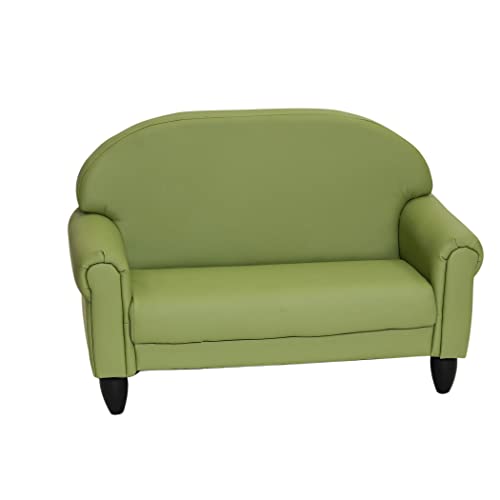
Children’s Factory Upholstered Toddler Couch (Sage)

Children’s Factory Edutray Desk Attachment (Blue)

Children’s Factory 3-in-1 Cube Chair 4-Pack

Children’s Factory 3-in-1 Cube Chair (Red)

Angeles Name Clips for Cots, 5 Pack

Children’s Factory Flexible Seating Set, Tranquility

Children’s Factory PlayPanel Room Divider (Blue)
Meet The Standout Selections
Toddler-sized furniture changes the energy of a room. This upholstered sage couch gives small children a space that actually fits their bodies, so they settle in instead of fidgeting on adult chairs. The soft foam core handles daily story time without losing shape, and the muted sage tone blends into nature-themed classrooms without competing for attention.
For homeschools, daycares, or any corner that needs a calming retreat, this couch anchors a reading nook without dominating the floor plan. Compared to rigid plastic chairs higher on durability rankings, the upholstered build trades a little ruggedness for comfort, and most teachers find that trade worth it for their quietest learners.
Points In Its Favor
- Child-proportioned dimensions help toddlers climb on and off independently, building gross motor confidence during transitions.
- Upholstered foam surface cushions tumbles and floor-sitting play, softening the room for wiggly learners.
- Sage upholstery reads calm and neutral, complementing most classroom color schemes without clashing.
- Light enough for one adult to reposition when story time moves from circle area to library corner.
Things To Consider
- The upholstered fabric requires routine spot-cleaning, since marker stains and snack crumbs settle into the weave.
- Foam cores can show compression marks after extended use in high-traffic nap or rest areas.
At A Glance
Made For
Early-childhood educators and homeschool families building a soft reading nook where toddlers can settle in for books without sliding off oversized furniture.
Consider Something Else When
Spaces needing wipe-clean surfaces for messy art projects suit the Children’s Factory 3-in-1 Cube Chair 4-Pack better.
Most preschool chairs are just seats, but this add-on flips them into workstations. The blue tray mounts to compatible Children’s Factory cube chairs, giving kids a defined surface for coloring, sorting manipulatives, or playing with play dough at the right height.
The non-toxic recyclable polyethylene plastic wipes clean in seconds, which matters when glitter glue and applesauce routinely end up on tabletops. The legs fold flat for stacking, so teachers can reclaim floor space during gross-motor activities. Unlike the upholstered couch above, this piece is built for hands-on messes rather than quiet sitting.
What Pays Off
- Doubles the function of an existing cube chair, stretching classroom furniture budgets further.
- Folding legs let trays stack flat against a wall or in storage bins when activity time ends.
- Polyethylene surface handles repeated wipe-downs without cracking or staining.
Honest Caveats
- Designed specifically for Children’s Factory cube chairs, so it won’t fit generic seating already in the room.
- Single-piece trays offer no storage for crayons or small manipulatives, unlike a built-in cubby.
Feature Snapshot
Best Suited To
Preschool teachers running rotating stations who already own compatible cube chairs and want to add a tabletop surface without buying separate desks.
Look Elsewhere When
Rooms without existing cube chairs should start with the Children’s Factory 3-in-1 Cube Chair (Red) instead and add trays later.
Few pieces of preschool furniture earn the word “versatile,” but this 4-pack comes close. Each cube chair flips between three configurations: a 6-inch seat for younger toddlers, a 9-inch seat for older kids, and a tipped-over table for floor activities. One piece covers roughly three years of classroom growth.
Molded plastic construction shrugs off juice spills and marker mishaps that would ruin upholstered alternatives like the sage couch earlier on the list. The set of four suits small-group rotations, and the lightweight build lets children move their own seats during transitions. For daycare directors building flexible seating arrangements without dedicating floor space to bulky adult furniture, this 4-pack handles the core needs.
What It Does Well
- Three orientations in one chair remove the need to replace seating as children grow taller.
- Hard plastic surface wipes clean with standard classroom disinfectants.
- Four-pack format supports small-group rotations without leaving a child without a seat.
- Lightweight enough for kids to rearrange during cleanup, building ownership of the room.
Trade Offs
- Molded plastic is firm, so it lacks the cushioned comfort of upholstered seating for long rest periods.
- Bulk orders mean a bigger upfront commitment for families outfitting a single room.
Key Specs
Who It Suits Best
Daycare directors and homeschool co-ops needing multi-age seating that adapts as children grow, without committing to upholstered pieces that stain easily.
A Better Fit Elsewhere
Families wanting softer, quieter seating for one or two children find the Children’s Factory Upholstered Toddler Couch (Sage) a cozier pick.
Sometimes a single chair is all a room needs. This red version of the 3-in-1 cube chair delivers the same three-position versatility as the 4-pack above, just one seat at a time. It’s the smart starting point for families testing the flexible seating concept without committing to a full classroom set.
The bold red color works well as an accent piece in rooms dominated by neutral tones, or it can mark a special “teacher’s helper” seat that rotates between children. Parents adding one cube to a playroom or therapists needing a single adaptive seat for sensory breaks often prefer this scale.
The Upside
- Single-seat format lowers the entry cost for families trying flexible seating for the first time.
- Red color anchors a room’s color scheme or marks a rotating helper seat.
- Same 3-in-1 design as the larger pack, so adding more chairs later stays consistent.
Worth Noting
- One chair only, so siblings or small groups need to order multiple singles.
- Hard plastic offers no padding for children who fidget or flop during long sit-times.
Right Fit For
Parents adding a single flexible seat to a playroom or families dipping into flexible seating before scaling up to a full classroom set.
Skip It When
Multi-child rooms or therapy centers serving groups should jump straight to the Children’s Factory 3-in-1 Cube Chair 4-Pack.
Daycare nap time is its own quiet challenge. Germ control and hygiene standards push providers to assign each child a dedicated cot rather than sharing, and that’s exactly where these Angeles name clips earn their tiny but essential role.
Five plastic clips fasten to the side of compatible Angeles cots and hold a 3/4-inch name insert so each child rests on their assigned surface. The reusable design means the same clip follows a cot as classrooms reorganize. For daycares and preschools already running on Angeles furniture, this small accessory solves a daily logistics headache.
What Makes Sense
- Fastens to cot frames in seconds, no tools or adhesives required.
- Reusable design accepts new name inserts as enrollment changes.
- Plastic construction wipes down with the same disinfectant used on cots.
Points To Keep In Mind
- Designed specifically for Angeles cot lines, so it won’t fit generic preschool cots already in the room.
- Name inserts are sold separately, adding a step before the clips are usable.
Quick Technical Notes
Whose Shelf It Belongs On
Daycare directors managing hygiene protocols and assigned nap cots who already use Angeles furniture and need a simple way to track which child rests where.
Another Choice May Suit
Centers using non-Angeles cots should look for universal label solutions or consider switching cot brands before adding this accessory.
Soft seating transforms a corner into a destination. The Tranquility set includes four loungers designed to settle children into books, sensory breaks, or quiet time without the institutional feel of upright chairs.
Where the sage couch earlier on the list offers a single upholstered spot, this set scales the same calming effect across a small group. Classrooms building a reading nook, library, or cool-down corner benefit from having multiple loungers in matching finish, which keeps the zone visually unified. For teachers who want their quietest learners stretched out instead of scrunched into plastic seats, this set fills that gap directly.
What Earns Its Place
- Set of four creates a defined reading zone for small groups instead of a single isolated seat.
- Soft construction supports floor-style lounging that rigid cube chairs cannot match.
- Matching finish keeps the reading corner visually cohesive.
Some Limits To Know
- Soft surfaces require regular vacuuming and spot treatment, similar to the sage couch above.
- Four loungers need a generous floor footprint, so smaller rooms may struggle to fit them.
Perfect Match For
Library corners, therapy rooms, and homeschool family rooms where children regularly settle in for extended reading or sensory breaks.
Reach For A Different Pick When
Tighter floor plans that can’t accommodate four loungers should pivot to the Children’s Factory Upholstered Toddler Couch (Sage) for a single-seat alternative.
Open-plan classrooms and multipurpose rooms have one persistent problem: distractions travel. This blue PlayPanel divider, measuring roughly 59.5 by 47.5 inches, gives teachers a movable wall to separate quiet reading from active block play without committing to permanent construction.
Each panel connects to others with double claw clips, so classrooms can build longer barriers as needs change. The colorful finish doubles as a visual cue, helping young children understand where one activity ends and another begins. For shared spaces like church nurseries, gymnasiums doubling as classrooms, or homes with one large play area, this divider earns its floor space.
Notable Upsides
- Panels connect with included claw clips to extend the barrier as room needs grow.
- Bright blue finish doubles as a visual cue, helping children recognize activity boundaries.
- Frees teachers from building permanent walls in multipurpose or shared spaces.
Practical Considerations
- Panels stand freely rather than mount to walls, so heavy traffic can occasionally knock them over.
- Large footprint when extended means smaller rooms may struggle to store the divider when not in use.
Feature Rundown
Who Should Grab It
Teachers managing open classrooms, church nurseries, or multipurpose rooms that need movable visual boundaries between competing activities.
Swap It Out When
Tighter rooms already divided by furniture or shelves get more mileage from the Children’s Factory Flexible Seating Set, Tranquility instead.
Choosing The Right Pieces For An Early-Childhood Room
Match Materials To The Mess Level
Upholstered seating earns its place in quiet zones where children settle in for books, but the same fabric that feels cozy will absorb grape juice and marker stains. Hard plastic molded seating handles daily wipe-downs and is the safer call for art tables, snack zones, and anywhere paint or food shows up.
Spaces that blend both moods benefit from a layered approach: soft couches or loungers for reading, wipe-clean chairs for everything else. The picks above lean into that split intentionally.
Size And Growth Headroom
Kids’ furniture that fits a 2-year-old often becomes useless by age 4. Multi-position designs like the 3-in-1 cube chair extend the useful life of a piece by years rather than months, which matters in classrooms running on tight budgets.
Single-purpose pieces have their place, especially when ergonomics matter, but flexible seating generally returns more value per dollar across an early-childhood career.
Storage And Daily Routine
Classrooms rearrange constantly: circle time, small-group rotations, nap transitions. Furniture that stacks, folds flat, or moves easily by one adult saves real time every day. Items that lock into a single spot force teachers to work around them.
The Edutray’s folding legs and the PlayPanel’s claw-clip connections both reflect that flexibility-first design philosophy. Heavy, immovable pieces tend to anchor a room and limit how it can be used.
Accessories That Solve Specific Problems
Sometimes the smallest item on the list, like the Angeles name clips, removes the biggest daily annoyance. Hygiene protocols, assigned seating, and labeled storage cubbies all reduce friction between adults and children, which matters most during transitions.
Accessories also tend to be the cheapest upgrade a room can make, so they’re worth considering even when the main furniture is already in place.
Key Considerations Across These Picks
Common Shopping Slip Ups
Buying upholstered pieces without a plan for routine cleaning is the most frequent mistake. Soft seating looks inviting in photos but demands consistent vacuuming and stain treatment in real classrooms, so factor maintenance time into the purchase decision.
Mixing incompatible accessory brands is another common trap. The Edutray and name clips here only fit specific Children’s Factory or Angeles lines, so verify compatibility before adding accessories to existing furniture. A beautiful tray that won’t snap onto the chair already in the room becomes shelf clutter fast.
What The Higher Tier Buys
Premium options in early-childhood furniture typically add density to foam cores, reinforced stitching on upholstered edges, and stronger plastic resins that resist cracking under temperature swings. Commercial-grade versions also tend to carry longer functional lifespans in rooms running multiple daily sessions.
For a single-family playroom, mid-tier options usually deliver enough durability to last several children. For commercial daycares, preschools, or shared church nurseries, the upgrade to reinforced construction generally pays back through fewer replacements over a five-year window.
Wrap Up
Furnishing an early-childhood space rewards thoughtful layering: wipe-clean chairs for the messy zones, soft seating for the quiet ones, and a few well-chosen accessories that solve the daily friction points. Any combination of the picks above can anchor a classroom, but pairing a flexible seating set with a couple of cube chairs and a room divider covers most layouts without overspending. Start with the pieces that solve the loudest current problem, then add layers as the room’s needs evolve.