
A holiday turkey rewards pellet choice more than almost any other cook. Long hours at low heat give smoke time to either settle into something memorable or turn the meat bitter and ashy. Wood selection, blend balance, and pellet purity all shape the outcome, and the wrong bag can undo hours of careful prep.
The shortlist below covers seven hardwood pellet options suited to whole-bird smoking, from bold hickory-forward blends to mild fruitwood combinations that let the bird speak for itself. Each entry focuses on flavor character, burn behavior, and the kind of cook it suits best.
The Main Contenders

Traeger Signature Blend Wood Pellets 18 lb

recteq Ultimate Blend Hardwood Pellets 40 lb

recteq Ultimate Blend Hardwood Pellets 20 lb
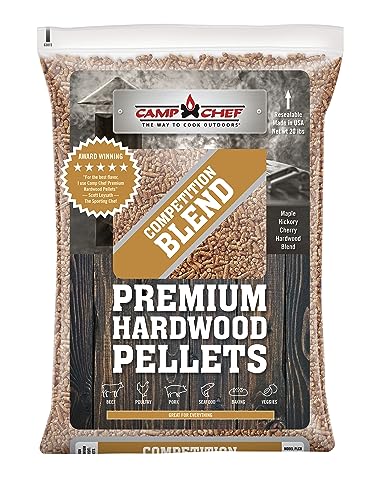
Camp Chef Competition Blend Pellets 20 lb

Bear Mountain Alder Pellets 20 lb (2 Pack)
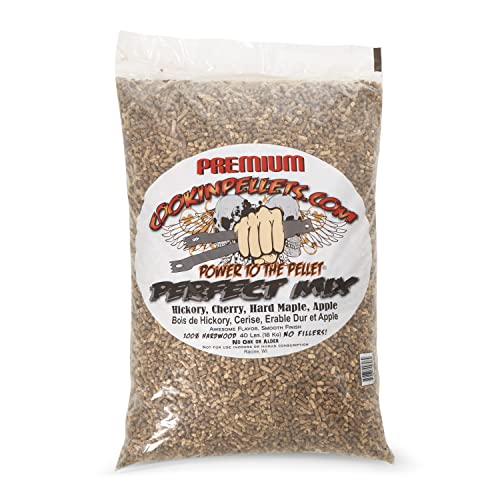
CookinPellets Perfect Mix 40 lb

Pit Boss Hickory Blend Pellets 40 lb
Meet The Standout Selections
Traeger’s signature blend reads like a safe starting point for anyone firing up a pellet grill for the first time with a whole bird in the chamber. The mix of hickory, maple, and cherry hardwoods leans toward a balanced smoke that complements poultry without dominating the meat, and the 18-pound bag is sized for a single holiday cook with a little left over.
Turkey is a forgiving canvas, but a first-time smoker benefits from a blend that won’t punish small mistakes. Compared to a single-species wood like pure hickory, this three-wood combination smooths out the sharper edges of smoke and gives the skin a steady color development across a six-hour cook.
What Pays Off
- Three-wood blend delivers a rounded smoke profile that suits turkey without overpowering it.
- All-natural composition with no fillers or binders added to the pellets.
- Burns clean enough to leave the hopper running through a long, unattended holiday cook.
- 18 lb size handles one whole turkey plus a side-dish smoke session.
Things To Consider
- Maple content can lean mild for those who want a heavier smoke ring.
- Storage in humid sheds can cause pellets to break down, so a sealed bin is helpful.
Feature Snapshot
Right Fit For
First-time turkey smokers looking for a forgiving blend that produces steady flavor across a long holiday cook.
Skip It When
Those craving a heavier, more traditional smoke profile should reach for the Pit Boss Hickory Blend Pellets 40 lb instead.
The 40-pound recteq bag exists for cooks who treat the smoker like a second oven. A whole turkey at 14 to 18 pounds will chew through pellets for 8 to 12 hours depending on the cook temperature, and running out mid-bird is one of the more deflating holiday outcomes.
The red oak, white oak, and hickory combination leans more robust than the fruitwood-leaning blends on this list. Oak adds a backbone of smoke without the sharpness of pure hickory, which suits larger birds that need deeper flavor penetration through the breast and thigh.
The Helpful Details
- 40 lb bag handles one large turkey plus a follow-up cook the next day.
- Triple-oak-hickory blend produces a strong, traditional smoke character.
- Free of fillers, binders, and preservatives per manufacturer claims.
- Made in the USA, sourced hardwoods reduce variability between batches.
Points To Note
- Bulk size requires a sealed storage bin to keep pellets dry between cooks.
- Hickory presence can feel heavy on smaller birds under 12 pounds.
Best Suited To
Holiday hosts running long overnight cooks on bigger birds who don’t want to refill the hopper mid-smoke.
Swap It Out When
Cooks working with smaller birds or tighter storage space should consider the 20-pound recteq Ultimate Blend Hardwood Pellets instead.
Same blend as the 40-pound sibling, packaged for cooks running one bird at a time. A 20-pound bag fits most hopper sizes with room to spare, and the smaller footprint helps with storage in apartments or sheds where a full pallet of pellets would invite moisture issues.
The red oak, white oak, and hickory combination carries the same robust character described above, just in a friendlier volume. For a single 12 to 14 pound turkey at 225 to 250 degrees, a 20-pound bag is typically enough to finish with a little leftover for the post-holiday shoulder.
Strong Points
- All-natural hardwood composition with no binders or fillers.
- 20 lb format avoids waste for single-bird cooks.
- Oak-hickory profile delivers traditional smoke depth on dark meat.
Honest Caveats
- May run short for overnight cooks on 18+ pound birds at higher temperatures.
- Smoke character can feel more aggressive than fruitwood-leaning alternatives.
Spec Overview
Made For
Single-bird holiday cooks who want oak-hickory depth without committing to a 40-pound bag.
Consider Something Else When
Hosts expecting back-to-back holiday smokes should size up to the 40-pound recteq Ultimate Blend Hardwood Pellets for refill headroom.
Camp Chef leans into the “do everything” positioning with a maple, hickory, and cherry blend that’s pitched as broadly compatible with poultry, pork, beef, and vegetables. For turkey specifically, the maple adds a gentle sweetness that pairs naturally with poultry skin, and the cherry softens what hickory brings on its own.
The competition framing in the name refers to the blend’s versatility rather than any sponsorship tie-in. Across a long cook, the pellets hold a steady burn rate, which keeps the smoker’s auger from surging and starving the fire.
Useful Touches
- Maple-hickory-cherry trio creates a balanced smoke that flatters poultry.
- 100% pure virgin hardwoods with no oils, chemicals, or binders.
- Kiln-dried process supports more efficient burn and less ash.
- Works equally well for veggies or cheese in a cold-smoke box.
Small Caveats
- Maple presence can mute the smoke ring on bigger birds.
- Hardwood density varies between batches, which may shift burn times slightly.
Quick Facts
Perfect Match For
Year-round grillers who want one bag that handles turkey just as well as weeknight chicken or pork.
Reach For A Different Pick When
Those chasing a stronger hickory backbone should consider the Pit Boss Hickory Blend Pellets 40 lb.
Alder sits at the mildest end of the pellet spectrum, more commonly associated with Pacific Northwest salmon cooks than with turkey. That mildness is precisely what makes the Bear Mountain option interesting for holiday cooks who want smoke influence without the bacon-like intensity hickory delivers.
The two-pack format delivers 40 pounds total, but split across manageable bags that are easier to seal and store. For a herb-butter turkey where the brine and rub carry a lot of flavor, alder adds a whisper of smoke that supports rather than competes.
Everyday Wins
- Alder delivers a delicate sweetness that won’t overwhelm brined or buttered birds.
- All-natural hardwoods free of flavorings, fillers, or additives.
- Two-bag packaging keeps unused pellets sealed between cooks.
Areas To Watch
- Alder can feel too mild for guests who expect a strong smoke ring.
- Higher ash content is widely reported with lighter hardwoods.
Whose Shelf It Belongs On
Cooks chasing a subtle, almost tea-like smoke character on a well-seasoned bird rather than a heavy smoke blanket.
A Better Fit Elsewhere
Traditionalists wanting classic holiday smoke should consider the Camp Chef Competition Blend Pellets 20 lb instead.
The Perfect Mix name is doing some work here: four hardwoods (hickory, cherry, hard maple, and apple) combine for a layered flavor profile that no two- or three-wood blend can match. Apple adds a fruit-sweet undertone, cherry contributes color and a subtle tartness, and hard maple rounds out the burn with a steady, clean heat.
At 40 pounds, this bag suits holiday hosts planning multiple smokes over a long weekend. The four-wood composition reads more like a specialty coffee blend than a basic commodity pellet, and for cooks chasing complexity without juggling separate bags, the all-in-one approach has appeal.
Why It Works Well
- Four-wood blend layers hickory depth with fruitwood sweetness for complexity.
- Natural hardwood composition avoids the chemical taste lower-tier pellets can leave.
- 40 lb format covers a whole turkey plus a follow-up cook.
- Works across poultry, ribs, and vegetables without swapping pellets.
Possible Compromises
- Four-wood complexity may feel muddled compared to single-species options.
- Apple content can caramelize at higher grill settings.
Technical Sheet
Built With In Mind
Holiday hosts chasing a more layered, almost wine-like smoke profile on a centerpiece bird.
Not Your Match When
Minimalists who prefer a single dominant wood should consider the Pit Boss Hickory Blend Pellets 40 lb.
Pit Boss built the brand around pellet smokers, and the hickory blend reflects a back-to-basics philosophy. There’s no cherry or apple cutting the hickory’s intensity, just a straight hardwood profile that delivers the bacon-tinged smoke flavor many traditionalists associate with proper barbecue.
The 40-pound box (two 20-pound packs) is sized for cooks who run the smoker year-round and need a reliable workhorse pellet. For turkey, the trick with a strong hickory blend is patience during the cook: let the bird rest under foil if the smoke gets assertive, and the result is a deeply flavored centerpiece.
A Few Highlights
- Strong hickory character delivers a classic bacon-like smoke profile.
- No artificial flavors, glues, or chemicals added to the pellets.
- Two-pack format is easier to lift and seal than a single large bag.
- Cleaner burn profile compared to pellets with binding agents.
Trade-Offs
- Hickory can taste bitter on white meat if the cook runs longer than planned.
- Two-bag packaging creates extra plastic waste.
Who Should Grab It
Traditionalists who want the assertive smoke flavor hickory is famous for, especially on dark meat thighs and drumsticks.
Look Elsewhere When
Those seeking a softer, fruitwood-influenced profile should consider the CookinPellets Perfect Mix 40 lb instead.
What Matters Most When Picking Pellets For a Holiday Turkey
The wood itself is only half the decision. Pellet quality, moisture handling, and blend character all shape the final bird more than the bag’s front label suggests.
Wood character and intensity. Hickory is the strongest smoke on this list, often compared to a campfire or cured meat, while alder and apple sit at the gentler end, more like toasted bread than bacon. Poultry handles smoke well, but a 14-pound bird sitting at 225 degrees for nine hours can pick up a lot of flavor. For first-time cooks, blends tend to forgive over-smoking better than single-species wood.
Purity and additives. Premium pellets are 100 percent hardwood with no fillers, binders, or flavorings. Cheaper pellets sometimes include oils or chemical binders, leaving a faintly waxy taste that no rub can mask. Burn quality also improves with cleaner pellets: less ash in the fire pot, fewer auger jams, steadier temperatures through a long cook.
Bag size and storage. A whole turkey at typical smoking temperatures burns through roughly one pound of pellets per hour, give or take. That means a 14-pound bird needs around 9 to 12 pounds of pellets for the full cook, plus extra if the grill runs cold or the cook runs long. Bulk 40-pound bags save trips to the store but require a sealed container to keep moisture out. Pellets that absorb humidity swell and jam the auger.
Grill compatibility. Most pellet grills run on standard 1/4-inch pellets, but verifying the manufacturer’s spec before stocking up avoids a frustrating conversion. Competition blends and hickory-forward pellets tend to burn hotter and cleaner than fruitwood-only options, which can matter in cheaper grills with thinner fire pots.
Where Shoppers Go Wrong With Turkey Pellets
Reaching for the strongest wood first. Bold hickory or mesquite pellets sound impressive in the bag, but they can overpower a brined or buttered bird. Starting with a balanced blend (oak-hickory, maple-cherry) lets the cook adjust wood character with rub and brine rather than fighting it.
Underestimating pellet consumption. Holiday cooks often buy a single 20-pound bag and discover mid-cook that the hopper ran dry at hour eight. Sizing up to a 40-pound bag, or buying two, removes a real failure mode.
Closing Remarks
A good pellet bag doesn’t fix a poorly managed cook, but the wrong one can definitely flatten a great one. For most holiday tables, a balanced blend from the middle of this list offers the cleanest path: enough smoke to remind guests they’re eating barbecue, without the bitterness an overzealous wood can leave behind. Match the pellet strength to the bird’s size and the rub’s intensity, store the bag dry, and the smoker does the rest.