
A wet pack ruins more days on the trail than a flat tire or a twisted ankle. Moisture soaks through zippers, wicks into down insulation, and turns electronics into paperweights within minutes. A dedicated pack rain cover costs less than a single replacement layer of gear, and slips on in seconds when the sky opens up. Whether the load is a 90-liter expedition haul, a child carrier on a family hike, or a daypack commuting across town, there’s a cover shaped for the job. These four options cover the main scenarios hikers and travelers actually face.
A Quick View Of The Lineup

Tasmanian Tiger TT Raincover XL Black

Osprey Poco Child Carrier Raincover
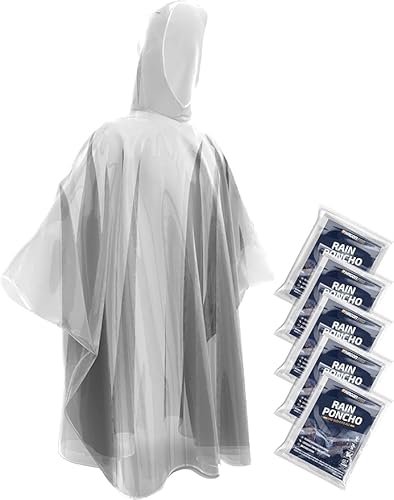
Hagon PRO Disposable Rain Ponchos 5 Pack
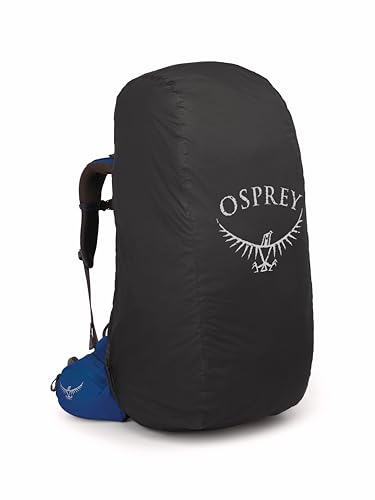
Osprey Ultralight Raincover for Backpack
The Details Behind The Selections
Big loads on long routes need a cover that swallows the whole pack without fighting the user. The TT Raincover XL is built around packs up to 100 liters, so it drapes over fully loaded expedition hauls where a standard daypack cover simply would not reach. Its T-Cover Tex fabric is a coated, robust material designed to repel steady rain, road spray, and dust kicked up on desert approaches.
The integrated stuff sack is a quiet but useful touch, since a loose rain cover tends to migrate to the bottom of a pack and get forgotten. That built-in pouch keeps the cover ready to deploy, and the dark coloring hides road grime between washes. For thru-hikers, military-style users, and anyone carrying a child carrier’s worth of gear on their back, the size headroom matters more than ultralight bragging rights.
Standout Benefits
- Generous cut fits packs up to 100 liters without straining the seams
- T-Cover Tex coated fabric sheds rain, dust, and trail grit
- Attached stuff sack keeps the cover organized and deployable
- Dark color masks scuff marks from airline handling and bushwhacking
- Doubles as a privacy layer for checking gear in crowded hostels
Things To Consider
- Larger size adds weight compared to ultralight daypack covers
- Black finish can absorb heat on sunny alpine sections
- International sourcing may mean warranty handling differs from domestic purchases
Feature Snapshot
Right Fit For
Backpackers carrying multi-day loads above 70 liters who want one cover that handles weather and dust across long routes.
Look Elsewhere When
Daypack-only commuters will get more value from the Osprey Ultralight Raincover, which trims weight for smaller volumes.
A wet toddler makes a hike end early, which is why a cover designed around the Poco carrier’s specific shape pays off. Unlike the Tasmanian Tiger cover, this one is shaped to fit over the Poco’s built-in sunshade, sealing both child and pack in a single layer. The transparent windows let the rider see the trail, the trees, and the parent, which matters when a storm rolls in mid-ridge walk.
Bright Electric Lime coloring is functional, not decorative: high visibility keeps the carrier easy to spot in low-light rain when trail markers fade. For parents who already own a Poco, this is essentially a custom accessory rather than a generic tarp. It packs small enough to live in the carrier’s storage pocket until the weather radar turns ugly.
Reasons It Performs
- Custom fit works with all Poco child carrier models
- Clear viewing windows keep the child engaged during downpours
- Bright color aids visibility in stormy, low-contrast conditions
- Lightweight enough to leave attached to the carrier between trips
Honest Caveats
- Useless without a compatible Poco carrier
- Custom shape leaves little slack for non-standard accessories mounted on the frame
Built With In Mind
Parents who hike regularly with a Poco carrier and want a one-piece weather solution that keeps a small passenger dry and visible.
Consider Something Else When
Adults carrying their own gear should grab the Tasmanian Tiger TT Raincover XL, which handles bigger volumes without the child-specific shaping.
Not every rainy situation calls for a fitted cover; sometimes the smarter move is a stash of emergency ponchos. The Hagon PRO 5-pack slides into glove compartments, daypack lids, and stadium seats without adding measurable weight. Each poncho deploys in seconds when a cloudburst hits a parking lot or a trailhead, and the wearer still has both hands free.
The five-count format is the real story here: one for the pack, one for the person, and spares for travel companions. Unlike the previous picks, this is a one-use item, so durability matters less than having enough of them on hand. They also double as ground tarps, emergency shelters, and pack covers when nothing else is available, which makes them a versatile backup layer in any kit.
The Good Stuff
- Five-pack format covers a group or multiple trips
- Folds flat to fit glove boxes, daypack pockets, and luggage
- Doubles as an emergency ground sheet or shelter in a pinch
- One-size-fits-most sizing skips the hassle of variants
Trade Offs
- Single-use construction tears if snagged on buckles or branches
- Not a substitute for a fitted pack rain cover on long routes
Best Suited To
Drivers, festival-goers, and casual day hikers who want a low-cost emergency layer ready to deploy without packing a dedicated cover.
Reach For A Different Pick When
Serious backpackers should pick the Osprey Ultralight Raincover, which offers taped-seam weather protection on repeated wet trips.
Ultralight packers count every gram, and a heavy rain cover feels like dead weight on a 25-mile day. The Osprey Ultralight Raincover uses bluesign-approved main body fabrics and GRS-certified 100% recycled materials, which keeps the conscience clear along with the pack. Taped seams seal the stitching lines where water usually sneaks through, and DWR treatments made without PFAS shed light rain without relying on the older chemical coatings.
Compared to the bulkier Tasmanian Tiger XL, this cover is the right answer for daypacks and weekend-sized loads where every ounce matters. The accessory line is part of Osprey’s broader sustainability overhaul, so it pairs well with the brand’s own packs and works fine on competitors too. For thru-hikers and weight-sensitive commuters, this is the cover that disappears in the pack until the moment it’s needed.
What Makes Sense
- Taped seams block water at the most vulnerable stitch lines
- Recycled main body fabric reduces environmental footprint
- DWR treatment sheds rain without PFAS-based chemistry
- Lightweight profile suits fastpacking and thru-hike demands
Points To Note
- Designed for smaller packs, so expedition loads need the Tasmanian Tiger cover
- Lighter fabric may show wear faster than heavier alternatives
Quick Facts
Who Should Grab It
Day hikers, commuters, and thru-hikers carrying sub-50-liter loads who want a featherweight cover with responsible materials.
Swap It Out When
Parents hiking with a Poco carrier should choose the Poco-specific Raincover, which is shaped for child-passenger use.
What To Weigh Before Choosing Pack Rain Cover
Pack Volume And Cover Sizing
A cover that’s too small rides up the back panel and lets rain wick through the top seam. A cover that’s too big flaps in the wind, snags on branches, and slowly tears at stress points. Match the cover’s stated capacity range to the pack’s liter rating, and err toward the larger size if the load frequently carries external gear strapped to the outside.
Material Coatings And Seam Construction
Waterproof fabric is only half the battle, since water enters through stitch holes as easily as through the cloth itself. Taped seams seal those holes from the inside, which is why the Osprey Ultralight model handles weather that would soak a similarly-priced untaped cover. DWR treatments (durable water repellent coatings that make water bead up and roll off) shed light rain but eventually wear off with use, so a cover that combines DWR with taped seams lasts longer in real storms.
Reusable Versus Disposable Formats
Reusable covers cost more upfront but survive hundreds of trips, while disposable ponchos serve as emergency backups at a fraction of the cost. The two formats aren’t really competing: a reusable cover lives on the pack, while a poncho stash rides in the glove box or daypack lid for unexpected weather. Smart kits carry both.
Storage And Deployment Speed
A cover stuffed loose at the bottom of a pack is a cover that won’t be deployed when the rain starts. Built-in stuff sacks and elastic attachment loops make the difference between gear that gets used and gear that stays buried. Look for covers that pack small enough to live attached to the pack’s exterior or in a dedicated pocket, not buried under a sleeping bag.
Key Considerations Across These Picks
Pitfalls Shoppers Hit
The most common mistake is buying a cover sized for the wrong volume, then blaming the product when it leaks. A 30-liter cover on a 70-liter pack exposes the top and sides to direct rain, no matter how good the fabric. Another trap is choosing a cover with no taped seams, since uncoated stitching leaks long before the fabric fails. Buyers should also skip covers without an integrated stuff sack, because loose covers migrate to the bottom of the pack and never come out at the right moment.
Where The Extra Money Goes
Premium covers earn their price through taped seams, recycled materials, and abrasion-resistant coatings that survive years of trail abuse. The Osprey Ultralight commands a higher cost because the PFAS-free DWR and bluesign-approved fabrics cost more to source and certify. For casual daypack users, a budget cover handles occasional showers fine, but for thru-hikers and frequent backpackers, the upgrade pays off across hundreds of rainy miles.
Final Take
The right pack rain cover depends entirely on the pack and the trip. Big expedition loads call for the Tasmanian Tiger XL, child carriers need the Poco-specific cover, daypacks and thru-hikes get the most from the Osprey Ultralight, and emergency kits benefit from a stash of disposable ponchos. Match the cover to the load, the trip, and the climate, and wet gear stops being part of the trail experience.