
A long weekend off-grid quickly separates a capable battery box from a glorified paperweight. Refrigerators, fans, lights, camera chargers, and induction cooktops all want a slice of the same kilowatt-hours, and overland travelers tend to find out which stations actually deliver after the second night. This lineup focuses on LiFePO4-based portable power stations (battery packs with lithium iron phosphate chemistry, favored for long cycle life and thermal stability) suited to rooftop tents, van builds, and trailer rigs, with enough variety for short trips, full week-long expeditions, and home backup crossover duty.
The Lineup, Simplified

BLUETTI FridgePower Portable Power Station 2016Wh 1800W
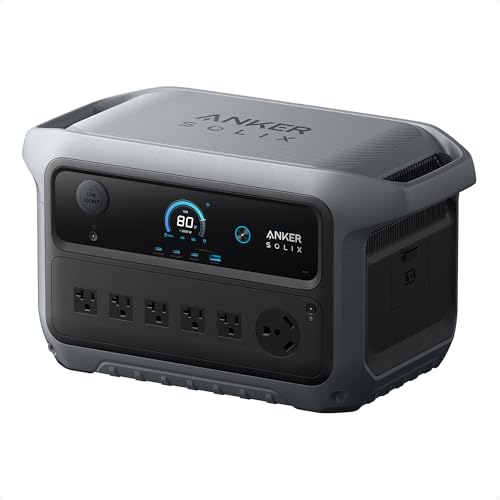
Anker SOLIX C2000 Gen 2 Portable Power Station 2,048Wh
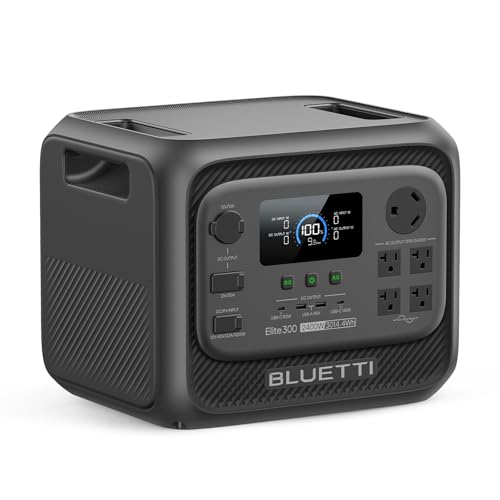
BLUETTI Elite 300 Portable Power Station 3014.4Wh
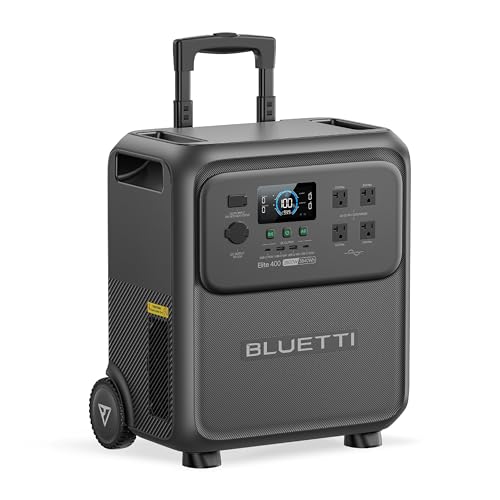
BLUETTI Elite 400 Portable Power Station 3840Wh 2600W

Jackery Explorer 1000 v2 Portable Power Station 1070Wh

BLUETTI Elite 100 mini Portable Power Station 1004.8Wh

1000W Portable Power Station 1024Wh LiFePO4 STARYLINE
The Details Behind The Selections
The BLUETTI FridgePower sits at a comfortable middle ground for overlanders who treat a portable fridge as mission-critical gear. Its 2016Wh LFP cell bank and 1800W inverter handle typical 12V compressor fridges, small microwaves, and CPAP (continuous positive airway pressure) machines without flinching, and the ultra-low standby draw keeps idle losses minimal between compressor cycles.
Where this unit pulls ahead of typical 2kWh competitors is the expansion path. Stackable BlueCell 200 battery modules push the system toward multi-day runtime, useful for shoulder-season camping or short home outages. For most weekend setups, you may find the base configuration alone covers two to three nights of fridge, lights, and phone charging before any solar top-up.
Reasons It Performs
- 1800W continuous output covers induction cooktops and small kitchen appliances
- Modular expansion supports multi-day off-grid deployments
- LFP chemistry favors long cycle life for daily-use households
- Low standby draw preserves capacity for intermittent fridge cycling
- Mid-size form factor still fits behind many truck bench seats
Things To Consider
- Adds meaningful weight versus sub-25 lb portable options, plan cargo around it
- Fastest AC recharge requires a high-amperage input that some campground circuits cannot supply
Quick Facts
Best Suited To
Overlanders running a portable fridge as their primary food storage, plus households wanting the same station for short blackouts.
Look Elsewhere When
Solo travelers chasing the lightest possible kit will find the Jackery Explorer 1000 v2 a friendlier carry at roughly 24 lb.
Anker’s SOLIX C2000 Gen 2 leans hard into the recharge-speed story, which matters more than spec sheets suggest when travelers bounce between campgrounds with a generator window. The combination of 2400W continuous output and a sub-hour AC-plus-solar refill lets a vanlifer pull into a site near empty and leave the next morning close to full.
The 2048Wh capacity lands in the same neighborhood as the BLUETTI FridgePower but with notably higher inverter headroom, useful for hair dryers, coffee makers, and other surge-prone loads. Six input methods (AC, solar, car, generator, USB-C PD, and combined AC+solar) cover nearly every recharging scenario a traveler might encounter, from diner parking lots to remote desert pulls.
Everyday Advantages
- 2400W output supports higher-draw appliances than most 2kWh peers
- Sub-hour full recharge minimizes generator runtime on noisy sites
- Multiple input options reduce dependence on any single power source
- Low 9W standby draw keeps idle losses small for fridge duty
- Expandable capacity scales to roughly 4kWh for longer trips
Honest Caveats
- Higher inverter output adds weight and bulk versus travel-focused picks like the Jackery Explorer 1000 v2
- Fastest charging claims assume a strong AC source and ample solar input simultaneously
- Owners commonly report the fan cycles noticeably under heavy load
Whose Shelf It Belongs On
Travelers running tight turnarounds between stops and households that want generator-friendly fast turnaround for outage duty.
Skip It When
A pure weekend camper with a single fridge will get more usable runtime per pound from the BLUETTI FridgePower.
The Elite 300 sits in a tricky category that overlanders often overlook: 3kWh of usable capacity without the rolling-cart footprint of larger stations. BLUETTI managed to compress the cell pack into a footprint noticeably smaller than traditional 3kWh units, which pays off when cargo space is the limiting factor in a truck topper or small RV bay.
For RV owners pairing it with rooftop solar or shore-power visits, the 3014.4Wh reserve can ride through cloudy stretches without dipping into reserve. Depending on appliance mix, this translates to roughly two to four days of fridge, lights, device charging, and a few hours of induction cooking. Compared with the larger Elite 400 below, the trade-off is lower peak output for the heaviest draw tools.
The Case For It
- Compact footprint for a 3kWh-class station, friendlier to small RV bays
- Plenty of headroom for fridge, lights, and device charging across multi-day trips
- LFP chemistry aligns with daily-cycle owners
- Solar input supports reasonable rooftop array refills
Trade-Offs
- Lower peak output than the Elite 400, so heavier power tools require planning
- Still a two-person lift for most owners
Feature Snapshot
Made For
RV owners and overlanders who want multi-day capacity but lack the cargo room for a full-size rolling station.
Consider Something Else When
Rig owners routinely running high-draw induction or job-site tools will want the Elite 400 for its higher output ceiling.
The Elite 400 is the station for travelers who stopped thinking about whether their battery can handle a load and started thinking about how much they can plug in at once. With 3840Wh of LFP capacity, 2600W continuous output, and a surge ceiling near 3900W, it covers fridges, induction, microwave, and power tools from the same chassis. The built-in trolley system acknowledges the obvious: at this scale, no one is shoulder-carrying.
Nine output ports spread across AC, USB-A, USB-C, and DC formats keep a family-sized rig running without daisy-chaining power strips. For expedition overlanders or full-time van dwellers, this is the kind of capacity that quietly erases range anxiety. The honest read is that it overpowers most weekend setups, but for owners who want one station to cover both the truck and home backup, it earns its size.
Useful Highlights
- 2600W continuous with 3900W surge covers most high-draw appliances
- 3840Wh capacity stretches into multi-day off-grid living
- Nine output ports reduce the need for adapters and splitters
- Trolley design makes the heavy chassis manageable on pavement
- LFP cells favor daily-cycle owners and frequent travelers
Practical Considerations
- Heavy and large, not realistic for small rigs or solo loading
- Fastest AC recharge demands a robust input current
Quick Facts
Perfect Match For
Full-time van dwellers, expedition overlanders, and owners who want one station to bridge truck and home-backup duty.
Not Your Match When
Weekend campers driving a mid-size SUV will do well with the lighter BLUETTI Elite 300 in a smaller cargo bay.
The Explorer 1000 v2 is the pick for travelers who measure gear by the shoulder carry. At roughly 24 lb with a foldable handle, it disappears into a trunk or back seat where heavier stations refuse to live. The 1070Wh capacity is modest compared with the 2kWh+ peers above, but for solo campers running a single fridge and a few electronics, it covers a long weekend comfortably.
Jackery’s hour-fast-charge claim holds up under standard AC input, which makes turnaround at a coffee shop or RV park genuinely quick. The 1500W continuous output handles most portable cooking loads short of full induction. For trips where weight matters more than watt-hours, this is the easy choice.
What Pays Off
- Approximate 24 lb carry weight suits solo travelers and small rigs
- Sub-hour AC recharge minimizes downtime between stops
- 100W USB-C output handles modern laptops directly
- LFP chemistry aligns with frequent-trip owners
- Foldable handle keeps the footprint compact for storage
Points To Note
- 1070Wh capacity runs short for groups running multiple appliances
- 1500W output caps heavier induction and power-tool use
Who It Suits Best
Solo travelers, couples, and quick-trip overlanders who prize low weight and fast turnaround over maximum capacity.
A Better Fit Elsewhere
Families running multiple appliances will get more breathing room from the BLUETTI FridgePower at a similar carry weight class.
The Elite 100 mini addresses a real overlander problem: many stations claim “compact” but still hog a vehicle footwell. This vertical design stands about 11.5 inches tall and roughly 9 inches across, fitting on a kitchen counter, slide-out tray, or between a fridge and a drawer slide without dominating the space.
Capacity lands at 1004.8Wh with a 700W output, which is enough for a fridge, lights, and device charging, but won’t run a hairdryer or induction cooktop. Depending on your typical load, the vertical footprint may matter more than raw wattage, especially in camper vans where horizontal space is the limiting factor.
Benefits That Matter
- Vertical chassis fits tight counters and slide-out trays
- 1004.8Wh covers fridge and electronics for weekend trips
- LFP chemistry aligns with long service life
- Lightweight enough for one-handed carry at roughly 24 lb
Soft Spots
- 700W output caps cooking and high-draw appliance use
- Smaller capacity than peers at a similar price tier
Key Specs
Who Should Grab It
Overlanders building out compact camper vans and small kitchens where vertical clearance beats output.
Swap It Out When
Anyone running cooking appliances regularly will want the Jackery Explorer 1000 v2 for higher output at similar weight.
The STARYLINE 1000W lands as a sensible starter for first-time overlanders who want LFP chemistry without committing to a flagship. The 1024Wh capacity and 1000W continuous output cover the typical entry-level kit: a single 12V fridge, lighting, phone and laptop charging, and the occasional small appliance. The LiFePO4 cell choice is the right call at any price point, since it sidesteps the short cycle life that older NMC (nickel manganese cobalt) chemistries suffer under daily use.
Five-device simultaneous output across two AC outlets, a 60W USB-C PD (power delivery) port, and twin USB-A ports covers most multi-device evenings. You may find the recharge speed trails the premium picks above, but for trips measured in days rather than hours, the slower refill is rarely a dealbreaker.
Notable Gains
- LFP chemistry delivers long cycle life at an entry-level tier
- 1000W output handles most portable cooking and small appliance loads
- Five-device simultaneous output for group camping
- 60W USB-C PD port covers modern laptop charging directly
Worth Bearing In Mind
- Slower AC recharge than premium peers, plan for longer refill windows
- Fewer ports and expansion options than the BLUETTI or Anker competitors above
Right Fit For
First-time overlanders building a starter kit or households seeking an affordable backup for short outages.
Reach For A Different Pick When
Travelers planning frequent long-haul trips will appreciate the faster recharge and higher output of the Anker SOLIX C2000 Gen 2.
Choosing Overland Power Stations That Actually Fit Your Rig
Capacity gets all the attention, but overlanding punishes underestimating inverter output. A 1000Wh station is useless for an induction cooktop if the inverter caps at 700W, so match the continuous watt rating to the single largest load you plan to run, with headroom for compressor startup surges.
Weight and form factor matter more than the spec sheets suggest. A 50 lb station that lives permanently in the garage is fine, but the same station dragged in and out of a truck topper every trip will get left behind after the third weekend. Vertical footprints, trolley handles, and shoulder straps shift the practical math considerably.
Charging inputs shape the experience. Travelers bouncing between campgrounds benefit from fast AC plus solar input, while off-grid setups leaning on rooftop panels need high solar input ceilings (typically 500W+) and MPPT (maximum power point tracking, a controller type that extracts more energy from variable solar output) charge controllers to harvest partial sun.
LiFePO4 chemistry is the right default for overlanders in 2026. The longer cycle life, improved thermal stability, and flatter discharge curve outperform older NMC cells for the multi-night, multi-trip reality of overland travel. For households planning daily cycle use, LFP’s higher cycle count pays back the price premium within a few seasons.
Getting The Most From These Picks
Pitfalls Shoppers Hit
The most common overland mistake is sizing the station to weekend ambitions, then discovering that adding a rooftop fan, heated blanket, and a second fridge quietly doubles the daily draw. Plan for the realistic mid-summer load, not the optimistic mild-night load.
A subtler trap is ignoring solar input ceilings. A 200W panel paired to a station capped at 100W solar input wastes half the array. Match panel wattage to the station’s solar input rating, or buy a station whose solar input matches the panels you already own.
Where The Extra Money Goes
Higher-tier stations earn their premium in three places: inverter headroom for cooking and tools, faster recharge that shortens generator runtime on noisy sites, and expansion support for growing rigs. For owners planning to scale from weekend camping toward longer expeditions, that headroom compounds. For settled weekend routines, the entry tier delivers most of the value at a friendlier price.
Bottom Line
The right overland power station matches capacity, output, weight, and recharge speed to the way the rig actually gets used, not to the brochure number. Run the honest math on typical loads, factor in solar harvest where the trip happens, and pick the station that covers the realistic worst night rather than the optimistic best one. The lineup above gives a clear path for solo travelers, families, expedition rigs, and first-time owners alike.