
A backyard fire should feel like the best part of the evening, not a teary, smoky ordeal. Modern smokeless fire pits cut the smoke at the source, but the trade-offs differ: wood-burning models reward ritual, propane models offer one-click ignition and zero ash. This list sorts through both styles for patios, small backyards, RV trips, and tailgate setups, so the right fit is easier to spot.
The Essentials At A Glance

Solo Stove Yukon 2.0 + Stand 27″ Fire Pit
Solo Stove Ranger 2.0 15″ Portable Fire Pit

Outland Living 19″ Portable Propane Fire Pit

Outland Living 24″ Propane Fire Pit (883 Mega)
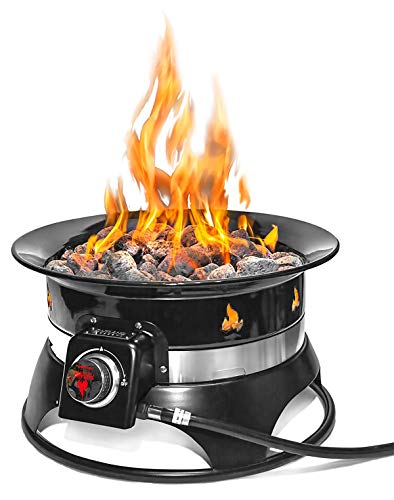
Outland Living 870 Premium 19″ Auto-Ignition Fire Pit
Solo Stove Bonfire w/Stand 19.5″ Fire Pit

TIKI Social 20″ Wood-Burning Fire Pit
More On The Choices That Made The List
The Yukon 2.0 is the heavyweight of Solo Stove’s wood-burning lineup. At 27 inches across, the bowl swallows armloads of cordwood and throws enough heat to keep a full patio circle comfortable well into a chilly night. Like the smaller Solo Stove models on this list, it relies on a double-wall airflow design, meaning cool air enters the bottom vents, heats up inside the walls, and feeds the fire from above to burn off smoke particles before they rise.
The included stand lifts the fire off the deck, which protects surfaces from radiant heat and makes ash cleanup far easier. For anyone hosting a crowd, the Yukon is the natural step up from the Bonfire, with a deeper fuel bed that runs longer between reloads.
The Upside
- 27-inch bowl handles large fires for groups of six or more
- Stainless build with a high-heat ceramic coating helps fight corrosion over seasons of outdoor exposure
- Airflow-driven design cuts visible smoke once the fire is established
- Bundled stand protects decks and patio surfaces from radiant heat
- Long burn time reduces how often a host has to step away from guests
Worth Noting
- Large footprint demands a wider patio or lawn clearing
- Wood-only operation means sourcing, storing, and seasoning cordwood
- Stainless body develops a warm patina over time that some owners love and others scrub off
Quick Facts
Who It Suits Best
Homeowners with ample patio space who entertain large groups and want the most heat and longest burns in the Solo Stove family.
A Better Fit Elsewhere
Tailgaters and campers should look at the smaller, easier-to-pack Solo Stove Ranger 2.0 15″ Portable Fire Pit instead.
The Ranger 2.0 trades the Yukon’s gathering power for portability. At 15 inches across, it slots into the back of an SUV next to a cooler and a camp chair, making it the most travel-friendly wood-burning Solo Stove on this list. The same 360-degree airflow system found in the larger Bonfire does the heavy lifting here, burning fuel hot enough that smoke largely combusts before it reaches eye level.
The included stand is more than a nicety on gravel or grass, where a hot bowl would otherwise scorch the surface. For small patios or weekend trips, the Ranger keeps the ritual of real wood without the bulk.
Practical Advantages
- Compact 15-inch bowl fits easily in a car trunk or RV storage
- Airflow-fed secondary combustion reduces visible smoke at typical burn loads
- Bundled stand keeps the bowl off ground surfaces
- Real wood flavor without the size of a full backyard pit
Things To Consider
- Small fuel bed means more frequent reloads during long evenings
- Limited heat radius compared to the Yukon or Bonfire, so it suits small circles best
Right Fit For
Roadtrippers, tailgaters, and small-space renters who want a real-wood fire that travels in the back seat.
Where Another Pick Suits Better
Hosts planning bigger gatherings will get more mileage out of the Solo Stove Bonfire w/Stand 19.5″ Fire Pit, which keeps the wood experience with more seating capacity.
Outland Living’s 19-inch Deluxe is the propane answer for anyone who wants a fire without hauling wood or sweeping ash. It runs on a standard propane tank, lights with a manual rotary control, and tops out at 58,000 BTU, which is plenty for shoulder-season evenings. The bowl measures 19 inches square and 11 inches tall, a travel-friendly size that slides into a car and sets up in minutes with no tools.
Because it doesn’t burn wood, it’s also cleared for use during many local campfire bans, though shoppers should always double-check current restrictions. The bundled carry kit and cover make it a tidy, RV-ready package for renters and travelers.
A Few Highlights
- Ash-free operation means no sweeping after the fire dies
- Tool-free setup gets a fire going in minutes rather than hours
- CSA-approved for use during most campfire restriction periods
- Compact 19-inch footprint fits patios, decks, and campsite pads
- Included cover and carry kit support travel and storage
Room For Improvement
- Propane tank and hose are sold separately, adding to the total setup
- No real flame aroma, which wood-burning fans tend to miss
- Burn time is tied to tank size, so a backup bottle helps on longer trips
Feature Snapshot
Made For
RV owners, tailgaters, and condo dwellers who want a fire without firewood storage or ash cleanup.
Not Your Match When
Families entertaining a larger group will find the wider 24-inch Outland Living 883 Mega a more comfortable fit.
The 883 Mega stretches Outland’s propane formula into a 24-inch round bowl. That extra five inches over the Deluxe isn’t just cosmetic, it widens the visible flame and gives a bigger seating circle. Heat output holds at 58,000 BTU, matching the smaller Outland models, so the experience feels more like gathering around a generous fire than a portable camp stove.
The included UV- and weather-resistant cover is a quiet perk: the bowl can stay outside through shoulder seasons rather than being dragged into a garage after every use. For homeowners who want propane convenience with a more traditional fire-pit silhouette, this lands in the middle of the Outland lineup.
Everyday Perks
- Larger 24-inch diameter surrounds more guests with visible flame
- CSA-approved for use during many campfire bans
- Tool-free, no-assembly setup lowers the bar for first-time owners
- Weather-resistant cover supports year-round outdoor storage
Honest Caveats
- Heavier and bulkier than the 19-inch Deluxe, so it travels less easily
- Propane tank and regulator are still sold separately
Best Suited To
Family households that want a propane fire pit large enough for the whole patio without the storage headache of a wood-burning rig.
Skip It When
RVers and tailgaters will find the lighter, more portable Outland Living 19″ Portable Propane Fire Pit easier to pack.
The 870 Premium keeps the same 19-inch footprint as Outland’s Deluxe but adds matchless auto-ignition, which is a small change that punches above its weight in everyday use. Turn the knob, the spark lights, and the fire builds without hunting for a long-reach lighter. The 58,000 BTU output stays identical, so heat performance feels familiar.
Like its siblings, this model is CSA-approved for use during many campfire restriction periods. The premium kit includes a cover and a carry kit, rounding out the package for owners who frequently move the fire pit between home, the camper, and the tailgate lot.
Everyday Advantages
- Auto-ignition system skips the match hunt on windy nights
- Same clean, ash-free burn as the rest of the Outland propane line
- CSA approval opens up more campgrounds and seasonal use windows
- Carry kit and cover included for travel and storage
Small Caveats
- Sits at a premium price step over the manual-ignition Deluxe
- Still requires a separately sold propane tank and hose
Feature Card
Perfect Match For
Anyone who frequently lights a fire in the dark, rain, or wind and would rather skip the matches.
Look Elsewhere When
Shoppers wanting a wider flame circle should consider the larger 24-inch Outland Living 883 Mega.
The Bonfire is the middle child of the Solo Stove wood-burning family, and for most homeowners it’s the sweet spot. At 19.5 inches, it throws enough heat for four to six people without the bulk of the Yukon, and the included stand keeps the bowl lifted off the deck. The same double-wall airflow system found in the Ranger carries over, so the secondary combustion (where unburned smoke particles reignite inside the fire) does the bulk of the smoke-cutting work.
For couples, small families, or anyone who wants a real wood fire without a yard-sized footprint, the Bonfire tends to be the model Solo Stove owners recommend first.
The Helpful Details
- Mid-size 19.5-inch bowl balances heat output and footprint
- Double-wall airflow helps reduce visible smoke once the fire is hot
- Stand included for safer placement on decks
- Wood-burning format delivers the aroma and crackle propane can’t replicate
Points To Note
- Still cordwood-only, so storage space for dry wood is a must
- Lighter heat output than the Yukon for very large gatherings
Whose Shelf It Belongs On
Patio owners who want a real-wood fire with a manageable size and the iconic Solo Stove look.
Another Choice May Suit
Shoppers without wood storage should pivot to the Outland Living 19″ Portable Propane Fire Pit for a cleaner, ash-free setup.
The TIKI Social 20-inch rounds out the wood-burning side of this list with a tidy, ready-to-use kit. The 20-inch stainless bowl sits at a size that comfortably hosts four to six people, and the included cover and ash pan save a separate purchase that often gets overlooked. TIKI’s airflow design aims to keep smoke down by feeding the fire from below, similar to the Solo Stove approach.
For shoppers stepping into their first fire pit, the bundled package means less guesswork. The pit shows up with the cover and ash pan already matched to it, which simplifies the first few evenings of ownership.
What Earns Its Place
- 20-inch bowl seats small groups without dominating the patio
- Cover and ash pan included, so it’s usable out of the box
- Stainless build supports outdoor storage between seasons
- Wood-burning design delivers the classic fire aroma
Trade-Offs To Consider
- Smaller ecosystem of compatible accessories compared to the Solo Stove line
- Wood fuel means a separate storage plan for dry cordwood
Quick Technical Notes
Who Should Grab It
First-time fire pit owners who want a complete wood-burning kit without tracking down separate accessories.
Swap It Out When
Anyone chasing the Solo Stove ecosystem specifically should pick the Solo Stove Bonfire w/Stand 19.5″ Fire Pit instead.
What To Weigh Before Choosing An Outdoor Smokeless Fire Pit
The first decision is fuel. Wood-burning models reward the ritual of stacking, lighting, and tending, but they require dry cordwood storage and produce ash. Propane models skip that work entirely, light at the push of a knob, and run clean enough for most campfire-ban zones. For households that entertain often or live under seasonal burn restrictions, propane is the easier path. For purists chasing aroma and crackle, wood still wins.
Size matters more than it looks. A 15-inch bowl like the Solo Stove Ranger is genuinely portable but only seats two to three people comfortably. A 27-inch Yukon runs a full patio circle but won’t fit in a sedan. For most suburban backyards, the 19-to-20-inch range hits the sweet spot, big enough for a group, small enough to leave walking room around the patio.
Material and finish affect how the pit ages. Stainless steel with a high-heat ceramic coating tends to hold up to seasons of weather and high-temperature burns. Uncoated steel bowls develop a patina that some owners love and others scrub aggressively. A bundled cover is a quiet but important detail, since uncovered bowls collect rain and debris between fires.
Finally, accessories separate a good kit from a frustrating one. Stands protect decking from radiant heat. Ash pans and covers simplify end-of-night cleanup and storage. Matchless ignition on propane models is a small luxury that earns its keep on cold, windy evenings when matches are hard to find.
Key Considerations Across These Picks
Where Shoppers Go Wrong
The most common mistake is buying a beautiful wood-burning pit without a plan for dry wood storage. Wet or green cordwood smokes heavily, fights the airflow design, and ruins the smokeless promise before the first evening is done. Pairing the pit with a covered wood rack solves more problems than any feature upgrade.
Where The Extra Money Goes
The jump from a portable 15-inch bowl to a 27-inch Yukon covers more than diameter. Thicker stainless, larger fuel beds, and bundled stands all show up in the upgrade. For households hosting six or more guests weekly, that step up pays back in fewer reloads and broader heat coverage. Smaller households won’t feel the difference enough to justify it.