
Summer backyards, horse paddocks, and patio dinners all share one unwelcome guest: the fly. A good outdoor fly spray turns an afternoon of swatting into something far more pleasant, and the right match depends on whether you’re protecting horses, killing insects on contact, or trapping them before they reach the porch. This roundup covers five solid options across horse-care, household, and trap-based approaches, with honest trade-offs so the choice fits the actual job at hand.
The Lineup, Simplified

Farnam Wipe Original Formula Fly Protectant, 1 Gallon

Raid House & Garden Bug Killer Aerosol, 11 Ounce (Pack of 10)

Farnam Endure Fly Spray for Horses, 32 oz
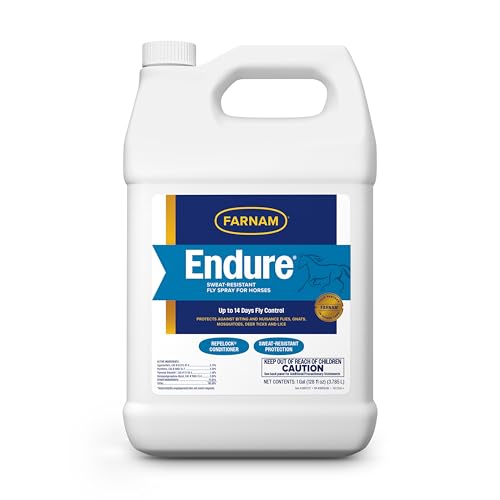
Farnam Endure Fly Spray for Horses, 128 oz Refill
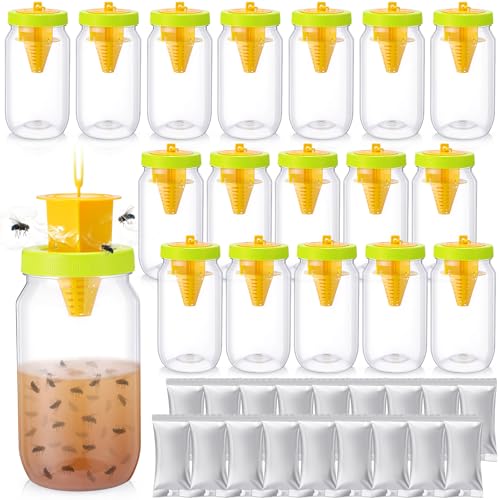
Mysora 8 Pack Reusable Fly Trap Bottles
A Breakdown Of The Leading Choices
Barns with several horses go through fly spray fast, and the Farnam Wipe gallon is built for exactly that kind of steady demand. Applied with a cloth rather than sprayed, it lands where it needs to without drifting into feed or breathing zones, which many grooms prefer for sensitive animals. For owners running a small stable or boarding operation, the bulk format keeps weekly routines simple.
The catch is that wipe-on application takes more time per horse than a pump spray. A solo owner with one or two animals may find the routine tedious compared to options further down this list.
Everyday Advantages
- Bulk one-gallon format suits multi-horse barns and frequent application schedules
- Wipe-on delivery gives controlled placement, useful around the face and ears
- Time-tested formula that has lived in tack rooms for decades
- Refill-friendly storage cuts down on recurring packaging waste
Things To Consider
- Wipe-on routine takes longer per horse than a pump or aerosol spray
- Requires cloths or sponges on hand, which adds to barn supply lists
- Larger bottle is awkward for transport to shows or trailering
Key Specs
Right Fit For
Stable managers and multi-horse owners who apply fly protection daily and prefer controlled wipe-on delivery.
Consider Something Else When
A solo rider who needs quick application between classes will find the Farnam Endure 32 oz spray (item 3) faster to use on a single horse.
Homeowners dealing with flies on the patio usually want something fast, and contact sprays like this Raid option deliver a quick knockdown. It’s labeled for both indoor and outdoor use around listed garden pests including aphids, caterpillars, crickets, and boxelder bugs, which makes it useful for general perimeter treatment around a porch or garden bed. The plant-safe claim means it won’t scorch foliage when used as directed, a real plus near vegetable plots.
Unlike the Farnam horse picks above, this is not a repellent but a knockdown product, so respray frequency depends on how quickly flies return to the area. For some yards that’s a daily task in peak summer.
What Works In Its Favor
- Contact-kill action provides fast relief during sudden fly outbreaks
- Plant-safe label lets application extend to garden beds without scorch worry
- Indoor and outdoor flexibility covers porches, garages, and doorways
- Ten-can pack spreads supply across multiple entry points or storage areas
Points To Note
- Knockdown rather than repellent, so fly pressure can return the same day
- Aerosol format requires good ventilation when used indoors
- Bulk packaging takes up more storage space than a single bottle
Whose Shelf It Belongs On
Homeowners managing fly pressure near patios, vegetable gardens, and outdoor dining areas where plant-safe contact action matters most.
A Better Fit Elsewhere
For a hands-off, no-spray approach around livestock areas, the Mysora hanging fly traps (item 5) cover a wider radius without aerosol use.
Riders who want fewer mid-ride reapplications tend to gravitate toward Farnam Endure, and the 32 oz pump bottle is the format most people start with. It targets a broad spectrum of biting insects including house flies, stable flies, face flies, horn flies, gnats, and mosquitoes, which covers the usual suspects during trailering, schooling, or a long trail loop. The pump spray also makes quick work of full-body coverage before saddling up.
Compared to the gallon wipe (item 1), this is a far faster routine, but a single bottle runs out faster on multi-horse operations. For hotter, sweat-heavy conditions, owners often step up to the gallon refill covered next.
Strong Points
- Long-acting repellent reduces how often riders need to reapply mid-session
- Pump spray bottle speeds up coverage across the body, legs, and face shield
- Broad-spectrum targeting covers common biting flies, gnats, and mosquitoes
- Manageable 32 oz size fits in a tack trunk or grooming caddy
Honest Caveats
- A single bottle goes faster than a gallon, so multi-horse owners refill often
- Less ideal for extreme humidity and heavy sweat compared to the sweat-resistant refill
- Pump heads can clog if the bottle sits unused through cooler months
Who It Suits Best
Single-horse owners, weekend riders, and lesson barns that want broad-spectrum repellent coverage without switching products seasonally.
Swap It Out When
Horse owners dealing with heavy summer sweat and turnout in humid climates will want the Farnam Endure 128 oz refill (item 4) for its sweat-resistant finish.
For horses working through long turnout sessions in humid climates, the Farnam Endure refill is built for the worst-case scenario. It’s formulated to stay put through sweat and rain, addressing the main reason repellents fail mid-day on a working ranch horse. The 128 oz refill format also makes sense economically when the same bottle gets refilled month after month across a barn full of horses.
The trade-off is that this is a refill, not a ready-to-spray bottle, so first-time users will want a separate pump sprayer to go with it. That’s a small extra step but worth planning around.
Positive Takeaways
- Sweat-resistant finish holds up through training, competition, and heavy turnout
- Broad-spectrum targeting covers flies, gnats, mosquitoes, ticks, and lice
- Refill format reduces per-application cost for busy barns
- Rain-ready formula avoids reapplication after summer storms
Less Ideal Details
- Refill format requires a separate pump sprayer to dispense
- Bulk size takes up more storage shelf than the 32 oz option
- Overkill for cool-climate riders who don’t face heavy sweat issues
Spec Overview
Made For
Performance barns, ranchers, and southern-climate riders who need fly control that holds up through heavy sweat and rain.
Look Elsewhere When
Riders in mild climates who want grab-and-go convenience will find the Farnam Endure 32 oz (item 3) easier to handle day-to-day.
Property owners who’d rather not spray anything at all often land on baited hanging traps, and this Mysora set covers a lot of ground. The eight reusable 500 ml bottles with dissolvable bait refills give enough coverage for yards, barns, gardens, and problem drainage spots. Once activated with water, the bait emits a strong odor that pulls flies in from a distance, which is why placement matters, hung well away from patios and living spaces.
The honest read: trap-based control works best as a perimeter strategy rather than a single fix. Used near (not next to) gathering areas, it pulls pressure away from where people actually sit.
Bright Spots
- Non-toxic bait is safer around pets and plants when used as directed
- Reusable bottles cut down on disposable plastic waste
- Eight-pack format covers multiple trouble spots around a property
- No spraying required, which suits properties with kids or sensitive animals
Points To Keep In Mind
- Strong attractant odor means placement away from living areas is essential
- Traps need periodic emptying and bait refilling to keep working
- Best results come from multi-trap placement, not relying on a single bottle
Best Suited To
Homesteaders, barn owners, and rural property managers who want non-toxic fly reduction across large outdoor areas.
Reach For A Different Pick When
Homeowners with a small patio and quick fly pressure will get faster relief from the Raid House & Garden aerosol (item 2) than from setting up multiple traps.
What Matters Most Before Choosing Outdoor Fly Sprays
Match the format to the target. Horse owners need skin-safe repellent applied before work or turnout, while homeowners dealing with patio pressure often want contact knockdown or perimeter trapping. Picking the wrong category usually means reapplying constantly, or worse, ending up with irritated animals.
Consider how often the routine will repeat. Wipe-on gallons suit daily barn routines, pump sprays suit occasional riders, and refill formats only pay off when paired with a reusable sprayer. Choosing a format that fights the actual usage pattern saves time over a season.
Think about pets, plants, and family. Aerosol contact sprays vary in how they affect foliage, and traps rely on odor that should stay far from seating areas. Sizing the coverage area to the property prevents overlap with the spaces people actually use.
Plan storage and refill logistics. Gallons and bulk trap packs need shelf space, and refill bottles require separate sprayers. A little planning upfront keeps the routine smooth when fly pressure peaks in midsummer.
Key Considerations Across These Picks
Where Shoppers Go Wrong
The most common slip is grabbing a contact spray expecting repellent behavior, then reapplying every hour when flies return. Reading the label category (knockdown versus repellent versus trap) avoids that frustration. Another pitfall is placing baited traps too close to porches or dining areas, where the strong attractant odor becomes the problem instead of the solution.
When Paying More Pays Off
Higher-tier options like the Farnam Endure refill earn their position through sweat resistance and broad-spectrum coverage, which matters most in humid climates and for performance horses. For a single pleasure horse in a mild region, the 32 oz version delivers the same core protection at a more practical size, so the upgrade is worth it when working conditions actually demand it.
The Takeaway
The right outdoor fly spray depends on whether the goal is protecting horses, killing insects on contact, or pulling them away with baited traps. Each of these five options covers a different angle of that problem, and matching the format to the property and routine matters more than chasing the biggest bottle on the shelf.