
A patchy front lawn and a shed full of extension cords is a familiar frustration for anyone with a modest yard. Gas mowers feel like overkill, and dragging a cord across rose bushes never ends well. Cordless electric mowers solve both problems cleanly, and the current crop handles anything up to a quarter acre without breaking a sweat.
A Fast Comparison Of The Options

Casince 17-Inch Cordless Walk-Behind Lawn Mower
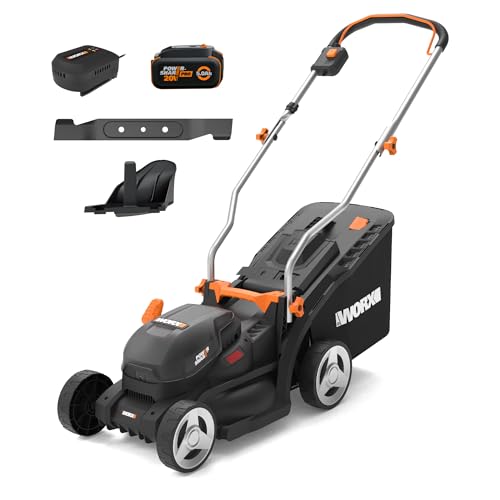
Worx WG733.1 20V 14-Inch Cordless Mower
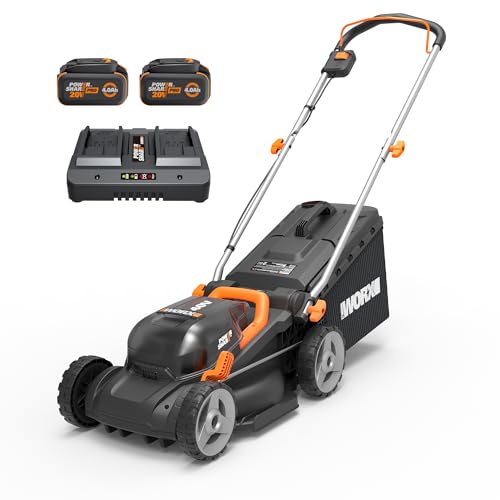
Worx WG735 40V 14-Inch Cordless Mower

Worx WG745 40V 17-Inch Cordless Mower

EGO POWER+ LM2135SP Self-Propelled Mower Bundle
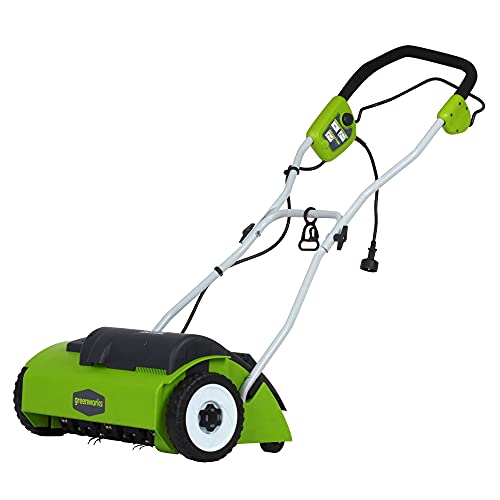
Greenworks 10 Amp 14-Inch Corded Dethatcher
What Each Pick Brings To The Table
Casince takes aim at the middle of the small-yard market with a 17-inch cutting deck and a six-position height range that stretches from 1 to 3 inches. For most suburban lawns, that height spread is the difference between a tidy cut and a scalped patch near the mailbox.
Two 20V 4.0Ah batteries feed the brushless motor, and the runtime claim tops out around 40 minutes, which in real yard terms covers roughly 5,000 square feet on a single charge. Compared to the Worx WG733.1 below, this deck is wider and the power plant is dual-battery, so you finish sooner on a comparable patch of grass.
Well-Handled Touches
- 17-inch deck trims mowing time on medium-small lawns.
- Six height positions let you match seasonal growth without swapping tools.
- Dual 20V batteries share the load, reducing the strain on any single cell.
- Brushless motor design generally lasts longer than brushed alternatives.
- Walk-behind format stores upright in tight sheds and garages.
Worth Bearing In Mind
- Battery runtime drops noticeably in thick or damp grass.
- Heavier than 14-inch push mowers, so fatigue builds on slopes.
- Plastic deck parts may scuff over years of curb-side storage.
Right Fit For
Owners of flat, rectangular lawns up to roughly 5,000 square feet who want a wide deck without stepping up to a self-propelled unit.
Where Another Pick Suits Better
Anyone trimming a narrow side yard with tight corners will find the Worx WG733.1 easier to whip around.
Worx built the WG733.1 for backyards where storage space matters as much as cut quality. The 14-inch deck and 20V PowerShare platform make this the lightest unit in the lineup, easy to lift over a stair lip or carry out to a community garden plot.
The included 5.0Ah battery pushes the mower through roughly 3,200 square feet on a charge, which suits urban lots and side-yard strips where dragging out a heavier machine feels like overkill. The brushless motor also runs cooler and quieter than older brushed designs, a real plus during early morning sessions.
Positive Points
- Compact footprint slips into narrow sheds and closets.
- Lightweight frame reduces push fatigue on flat ground.
- Battery shares across 140-plus Worx tools and lifestyle products.
- Brushless motor runs quietly, friendly to early risers.
Honest Caveats
- Single 20V battery means thinner grass drains it fast.
- 14-inch deck adds passes on lawns above 2,500 square feet.
- Plastic wheels can wear on rough, root-laden turf.
Feature Snapshot
Who Should Grab It
City dwellers and townhouse owners mowing postage-stamp lawns under 3,200 square feet on a single battery.
Look Elsewhere When
Anyone managing a quarter acre of dense fescue will want the longer runtime of the Worx WG745.
The WG735 stays in the 14-inch deck size but jumps to a 40V platform, which means more torque on tap when the grass gets tall after a rainy week. IntelliCut technology senses load and dials up the power automatically, so you do not have to babysit the trigger.
Worx rates coverage up to 1/8 acre per charge using the included 20V 4.0Ah battery, a step up from the smaller WG733.1 in both voltage and stamina. The optimized deck airflow pattern also throws clippings more evenly into the bag, which matters when you skip raking.
Positive Takeaways
- IntelliCut adapts torque without manual switching.
- 40V power handles thicker St. Augustine and Bermuda patches.
- Deck airflow improves bagging efficiency on damp mornings.
- Brushless motor keeps noise low for early starts.
- Compact 14-inch deck still maneuvers tight corners.
Practical Considerations
- Heavier than the 20V sibling at the same deck size.
- Single battery limits continuous run length.
- Mulching performance dips in very tall grass.
Made For
Homeowners with mixed grass types who want adaptive power without moving to a self-propelled model.
Skip It When
You own several Worx 20V tools and would rather stick with that battery family than invest in a 40V platform.
The WG745 is the most ambitious push mower in the Worx catalog, pairing a 17-inch deck with two 20V 4.0Ah batteries running in series for 40V output. The dual-charger setup tops both packs back up in roughly the same window as a single larger brick, so downtime stays short.
For lawns pushing a quarter acre, this is where the conversation changes. Compared to the Casince unit earlier in this list, the WG745 brings the same deck width but adds Worx’s cross-tool battery compatibility, useful for anyone already running a Worx trimmer or leaf blower.
What Earns Its Place
- 17-inch deck finishes quarter-acre lawns in fewer passes.
- Dual batteries extend runtime beyond single-pack models.
- Battery compatibility spans 140-plus Worx products.
- Brushless motor delivers gas-like torque without fumes.
A Few Limitations
- Heavier than 14-inch models, harder to lift into a truck bed.
- Deck size sacrifices agility in narrow gate openings.
- Push-only design tires shoulders on hilly terrain.
Technical Highlights
Best Suited To
Suburban homeowners maintaining a quarter acre who already own or plan to invest in Worx PowerShare tools.
Reach For A Different Pick When
Sloped terrain makes push mowing a workout, in which case the self-propelled EGO POWER+ LM2135SP earns its keep.
EGO steps into gas-replacement territory with a 21-inch deck, a self-propelled drive system, and a torque figure that competes with small gas engines. The Select Cut Multi-Blade system ships with three interchangeable lower blades: mulching, high-lift bagging, and extended runtime, all swappable without tools.
This bundle adds a second 5.0Ah battery to the included 7.5Ah pack, effectively doubling your work window before a recharge. For sloped lots or thick, neglected turf, the self-propelled drive transforms mowing from a workout into a stroll, a category shift from every push mower reviewed so far.
Practical Advantages
- Self-propelled drive eases mowing on hills and uneven ground.
- Three swappable blades cover mulching, bagging, and extended runtime.
- Dual battery bundle stretches work time past an hour.
- 56V platform delivers gas-comparable torque without noise or fumes.
- 21-inch deck trims large yards in fewer passes.
- Rapid charger included cuts downtime between sessions.
Some Limits To Know
- Heavier than compact push mowers, harder to store upright.
- Premium price tier compared to entry-level options.
- Bulky size struggles in shed corners under 4 feet wide.
- Extra battery ships separately, so plan for staggered delivery.
Who Will Love This
Homeowners with sloped, rough, or larger lawns who want gas-like performance without the maintenance routine.
A Better Fit Elsewhere
Owners of flat, compact lawns under 2,500 square feet get more value from the lighter Worx WG733.1.
The Greenworks dethatcher is not a mower, and that is exactly why it earns a spot here. A thick thatch layer, the spongy mat of dead roots and stems sitting between grass blades and soil, chokes small yards long before any mower can fix the problem. This unit pulls that mat up so water and nutrients reach the soil.
The 10-amp motor spins stainless steel tines at 3,700 RPM across a 14-inch path, slicing through the thatch in a single pass on most lawns. Corded power means you trade battery anxiety for an extension cord, fair trade-off for a tool you only run twice a year.
Real Benefits
- Stainless steel tines resist rust and stay sharp.
- 14-inch path balances coverage with manageable push effort.
- 10-amp motor delivers steady pulling power without bogging.
- Corded design means no battery degradation over storage years.
Where It May Fall Short
- Cord limits reach to within 100 feet of an outdoor outlet.
- Not a mower, so it complements rather than replaces the picks above.
- Dethatching can stress grass if timed poorly around seasonal growth.
Perfect Match For
Homeowners whose small yard feels spongy underfoot and needs seasonal thatch removal to bounce back.
Swap It Out When
You only need to mow and have no plans to dethatch, in which case the Worx WG745 handles the cutting side of lawn care.
Smart Shopping For A Cordless Mower That Actually Fits
Deck Width And Yard Size
Deck size shapes how long the chore takes more than almost any other spec. A 14-inch deck suits yards up to roughly 2,500 square feet, while a 17-inch deck trims time on lots stretching to 5,000 square feet or more. A wider deck means fewer passes, but it also reduces maneuverability in tight corners, a real trade-off in fenced backyards with narrow gates.
Battery Voltage And Runtime
Voltage (the electrical pressure driving the motor) translates roughly into torque, while amp-hours (Ah) measure how long that power lasts. A 20V platform handles everyday suburban grass, while 40V and 56V systems tackle thicker varieties and steeper grades. For most small yards, a single 4.0Ah or 5.0Ah battery covers one mow without a recharge, but anything pushing a quarter acre benefits from a dual-battery setup.
Push Versus Self-Propelled
Push mowers cost less and weigh less, which matters for storage and for anyone who does not want to wrestle a machine in and out of a shed. Self-propelled mowers add a drive system that pulls the unit forward, easing fatigue on slopes and rough ground. If your yard is flat and compact, push works fine; if there is any grade at all, self-propelled earns its place quickly.
Height Adjustment And Storage
Look for at least five height positions so you can match seasonal growth without swapping tools. Storage footprint matters more than people expect, and many modern decks fold flat or stand upright to fit shallow sheds.
Key Considerations Across These Picks
Where Shoppers Go Wrong
The most common mistake is matching deck width to lawn size in reverse. Buyers grab a wide 21-inch deck for a tiny yard and end up wrestling it around flower beds. The honest read is, a 14-inch or 17-inch deck handles most small lots faster because tight turns matter more than raw coverage. Battery platform lock-in is the second trap, picking a mower whose batteries work with nothing else in your shed limits future flexibility.
When Paying More Pays Off
Higher-tier models cost more for three reasons: brushless motors (which use electronic controllers instead of friction-prone carbon brushes, lasting longer), larger batteries, and self-propelled drive systems. For flat, compact lawns, a basic 20V push mower does the job. The upgrade earns its keep on slopes, in thick grass, or when you want the battery to power other tools in the same family.
Frequently Asked Questions
How long does a cordless mower battery last on a single charge?
Most 20V batteries rated 4.0Ah to 5.0Ah deliver 25 to 40 minutes of runtime, enough for roughly 2,500 to 3,500 square feet of lawn. Dual-battery setups extend that window substantially, often past an hour of continuous mowing.
Can a cordless mower handle thick or wet grass?
A 40V or 56V brushless mower handles thick grass better than a 20V brushed model, because higher voltage delivers more torque (the twisting force that keeps the blade moving through dense growth). Wet grass still clogs most mowers, so waiting for a drier cut remains wise.
Are cordless mowers powerful enough for a small yard?
Cordless mowers in the 20V to 56V range cover almost any yard under a quarter acre without issue. Battery technology has closed the gap with small gas engines for typical residential lawns, though commercial-sized properties still benefit from gas power.
How do I store a cordless mower during winter?
Store the battery indoors at room temperature, since cold cells lose capacity faster. The mower deck can stay in a shed or garage, but cleaning dried grass off the underside before storage prevents corrosion and keeps the blade spinning freely in spring.
Is a dethatcher worth adding to my lawn care routine?
Dethatching once a year, in early spring or early fall for cool-season grass and late spring for warm-season grass, removes the spongy thatch layer blocking water and nutrients. For small yards that feel soft underfoot or struggle to green up, a dethatcher makes a visible difference.
The Takeaway
Cordless electric mowers have crossed the threshold where they handle real lawn work without compromise. Match the deck width and battery platform to your yard size, decide whether self-propelled drive is worth the extra cost based on terrain, and you will spend less time wrestling equipment and more time enjoying the lawn.