
Backpack-style blowers earn their keep when the leaves pile deep and your yard stretches beyond what a handheld can handle. A good one shifts serious air without crushing your shoulders, and a bad one turns a quick cleanup into a sweaty chore. You’re shopping for comfort, runtime, and enough muscle to push through wet debris, and the lineup below covers cordless, corded, and gas options for different properties. Here’s what fits common yard scenarios, from small suburban lots to multi-acre properties.
The Lineup, Simplified

VIBOGEN Electric Leaf Blower Cordless with Battery and Charger

Makita XBU02PT1 36V Brushless Blower Kit with 4 Batteries

BLACK + DECKER Electric Leaf Blower (BEBL750)

WORX 12 Amp Turbine Electric Leaf Blower WG520

SuperHandy Walk Behind Leaf Blower 150 MPH
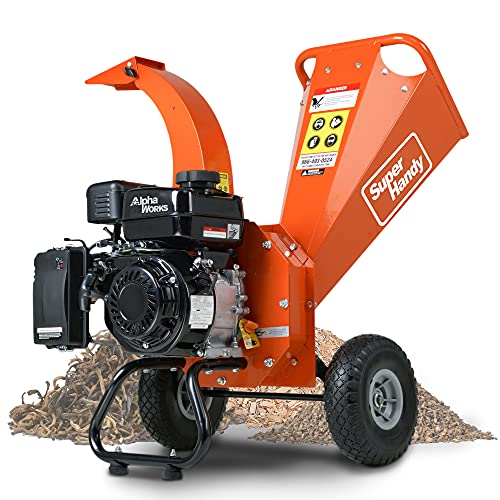
SuperHandy Mini Wood Chipper Shredder Mulcher 7HP
Meet The Standout Selections
For a small lot or a patio-heavy property, this cordless handheld from VIBOGEN keeps things simple. It ships with the battery and charger, so you skip the extra purchase and start blowing right out of the box. Airflow is rated up to 420 CFM (cubic feet per minute, the standard measure of how much air a blower pushes), and the top speed lands around 150 MPH, which clears dry leaves and grass clippings from a walkway in a few passes. It’s a handheld rather than a true backpack, so it’s the lightest entry here.
The cordless setup means no extension cord to drag around the yard, which matters when the nearest outlet is fifty feet from the driveway. You get quiet operation, no fuel mixing, and enough push to handle the kind of cleanup most suburban homeowners do on a Saturday morning.
The Practical Payoff
- Battery and charger included, so your total cost stays predictable and you skip a second purchase
- No cord management, which makes garage and patio corners far easier to reach
- Lightweight handheld form reduces arm fatigue on quick cleanups under twenty minutes
- Low noise output suits neighborhoods with shared walls or early-morning sessions
Worth Noting
- Runtime is limited by battery capacity, so larger yards may need a spare pack or a second tool
- Handheld design concentrates weight on one arm, which can tire you faster than a backpack-style frame
- Wet, matted leaves tend to clog the intake on smaller handheld units
Who It Suits Best
Apartment dwellers and homeowners with a small lot who want grab-and-go convenience without gas or cord hassle.
Consider Something Else When
Step up to the Makita XBU02PT1 if your yard is a half-acre or larger and you need longer runtime without swapping packs.
Landscapers and serious DIYers tend to gravitate toward Makita’s 36V platform, and the XBU02PT1 kit arrives with four 5.0Ah batteries, which is unusual for a blower kit. That battery count means you can rotate packs through a long day without sitting idle at the charger. The brushless motor (a motor with no carbon brushes, which reduces friction, runs cooler, and extends tool life) keeps the unit efficient, and the 18V X2 setup draws from two batteries at once for stronger output than a single 18V platform can manage.
Where the VIBOGEN handles a quick Saturday cleanup, this one is built for crews or property owners who put real hours on the tool. Zero emissions and lower noise also make it a sensible pick for residential neighborhoods where a gas blower would draw complaints.
What Pays Off
- Four batteries in the kit let you work through a full day with minimal downtime
- Brushless motor design extends service life and handles heavy seasonal use well
- Quieter than gas, which matters on residential sites with noise-sensitive neighbors
- 36V platform integrates with the broader Makita 18V LXT tool ecosystem, so batteries work across your other gear
Trade Offs
- The kit price is steep, and you’re paying partly for the four-battery bundle rather than just the blower
- Without a backpack harness, the tool still requires hand-carrying for extended sessions
- Battery storage matters in winter; cold-stored packs lose capacity if left in an unheated garage
Right Fit For
Contractors, acreage owners, and homeowners who already own Makita 18V LXT tools and want a cordless blower that slots into the same platform.
Skip It When
The BLACK + DECKER BEBL750 is the smarter call for small, plug-in jobs where cordless convenience adds no real value.
The BLACK + DECKER BEBL750 is a corded handheld that delivers up to 450 CFM and 140 MPH, with a 9-amp motor doing the work. Two-speed control lets you dial back around flower beds and crank up for stubborn debris on the driveway. Since it plugs in, you trade battery anxiety for the small hassle of managing a cord.
For homeowners who mostly clean a driveway, a front walk, and a small lawn, this hits a comfortable middle ground. Compare that to the cordless VIBOGEN, which is more convenient but capped by battery runtime. With this one, the limiting factor becomes the length of your extension cord rather than how much juice is left in a pack.
Advantages To Know
- Two-speed control makes delicate work around planters and edging practical
- Corded power means no battery degradation, no runtime anxiety, and steady output from start to finish
- Lightweight frame keeps the tool comfortable for typical fifteen-minute driveway sessions
Points To Note
- Tethered to an outlet, which limits reach in back corners without a long outdoor-rated extension cord
- Cord management adds a small mental load when moving between front and back yard
Best Suited To
Suburban homeowners with a small yard and an accessible outdoor outlet who want predictable power without batteries.
Look Elsewhere When
Reach for the SuperHandy Walk Behind Leaf Blower if your property is a full acre and a handheld becomes the wrong tool for the job.
For frequent, weekly leaf maintenance, the WORX WG520 leans on a 12-amp motor and a turbine-style fan housing to push serious volume. The 600 CFM rating is the headline number, and in real terms it means wider coverage per pass, which matters when you’re clearing the same yard every weekend. The tradeoff is that the unit pulls a lot of current and needs a sturdy outdoor extension cord rated for the load.
Where the BLACK + DECKER feels like a quick-grab tool, the WG520 sits in the middle as a workhorse. Same corded category, but more muscle for larger lots.
Notable Gains
- High-volume output cuts weekly cleanup time noticeably on lots up to a quarter acre
- Turbine fan design produces a wide, even stream that moves scattered leaves in fewer passes
- No fuel, no oil changes, and far simpler winter storage than a gas-powered alternative
Some Limits To Know
- The 12-amp draw demands a heavy-gauge extension cord, so undersized cords will overheat on long runs
- Heavier than smaller handheld blowers, which can wear on your wrist during extended sessions
- Tied to an outlet, so reach is limited in back corners without planning your cord path
Who Will Love This
Homeowners with mature trees and a regular leaf-drop schedule who want a faster pass than a typical handheld can deliver.
A Better Fit Elsewhere
The Makita XBU02PT1 makes more sense if cordless mobility is a priority and you already use the Makita platform.
Feature Snapshot
The SuperHandy Walk Behind Blower jumps categories entirely. This is a 7HP gas-powered unit pushing 1270 CFM at 150 MPH, mounted on a frame with a 12-inch rear wheel set and a 360-degree swivel front wheel. You walk behind it and steer, which turns leaf cleanup into a rolling chore rather than a carrying chore. A steel frame and rust-resistant finish suggest it tolerates seasons of outdoor storage.
For a half-acre to multi-acre property with heavy leaf fall, a handheld is the wrong tool. This walk-behind does in twenty minutes what an hour of handheld work barely touches. The engine takes unleaded gasoline and uses a recoil start (a pull-cord ignition), so it’s not for those avoiding fuel and maintenance.
Positive Takeaways
- Massive airflow volume handles deep leaf piles that handheld units stall on
- Walk-behind design removes the shoulder and arm fatigue of carrying a blower for hours
- Large rear wheels handle uneven terrain and curbs without lifting the unit
- Steel frame construction supports long-term outdoor storage across seasons
Possible Compromises
- Gas engine adds fuel cost, oil checks, and a recoil start that some users find tiring
- Significantly louder than electric options, which matters in noise-restricted neighborhoods
- Bulkier footprint means garage storage space needs planning
Perfect Match For
Owners of half-acre to multi-acre properties with mature trees and heavy seasonal leaf drop.
Reach For A Different Pick When
The VIBOGEN cordless handheld is a friendlier match for a quarter-acre lot where walk-behind equipment is overkill.
Quick Facts
This one’s a different category altogether: a 7HP gas-powered chipper that handles branches up to 3 inches in diameter. It uses a 15:1 reduction ratio, which means a single branch becomes a much smaller volume of mulch, perfect for yard waste piles after a storm cleanup. The recoil-start engine mirrors the walk-behind blower above, and the compact design suits a residential driveway.
After you’ve blown leaves and twigs into piles, the chipper handles the woody debris that a blower can’t move. It’s a complementary tool, not a replacement, and pairs naturally with the walk-behind blower for total property cleanup days.
Real-World Strengths
- 3-inch branch capacity covers most residential storm debris without commercial-grade bulk
- 15:1 reduction ratio turns armfuls of branches into manageable mulch volume
- Compact footprint fits a standard driveway or shed corner
- Pairs well with leaf blowers to complete a full cleanup cycle in one afternoon
Where It May Fall Short
- Gas engine demands the same fuel, oil, and recoil-start considerations as other gas tools
- Safety gear (gloves, eye protection) becomes essential once you’re feeding branches into the chute
- Not a leaf blower itself, so it’s an add-on rather than a standalone solution
Made For
Homeowners with woody debris from storms, pruning, or tree maintenance who want to mulch rather than haul.
Another Choice May Suit
The SuperHandy Walk Behind Leaf Blower covers the leaf side of cleanup if you don’t need to process branches.
Feature Card
Matching The Right Blower To Your Property
Picking an electric leaf blower backpack, or its closest cousin, comes down to matching tool size to property size and tolerance for ongoing maintenance. Start with square footage and leaf volume, because the gap between a quarter-acre lot and a full acre is the difference between a handheld and a walk-behind.
Air Volume And Speed
CFM measures how much air a blower pushes, while MPH measures how fast that air moves. High CFM suits broad, scattered debris on open lawns. High MPH suits stubborn, wet leaves in tight corners. For most residential lots, anything north of 400 CFM handles routine cleanups without strain.
Corded Versus Cordless
Corded tools deliver consistent power and skip battery anxiety, but they tether you to an outlet and demand a properly rated extension cord. Cordless tools add mobility and convenience, yet runtime becomes the limiting factor on larger properties. For a small yard, cordless wins on simplicity. For anything beyond a half-acre, either plan around an outlet or invest in spare batteries.
Form Factor And Comfort
Handheld blowers keep weight on one arm and tire quickly during long sessions. Backpack-style and walk-behind designs distribute load across your body or remove it entirely through wheels. If your typical cleanup runs longer than twenty minutes, the form factor matters more than raw power.
Engine Type And Maintenance
Electric motors need little beyond occasional cleaning and cord care. Gas engines add fuel, oil checks, and recoil-start effort, but they unlock the air volume that electric tools struggle to match. Be honest about how much ongoing maintenance you’re willing to take on before choosing a gas unit for sheer output.
Shopping Smarter Across The Category
Pitfalls Shoppers Hit
Buying by peak CFM alone is a common trap, since real-world output depends on the fan design and motor tuning. Cordless shoppers sometimes underestimate how quickly battery capacity drops under sustained high-power use. Corded buyers often overlook extension cord gauge, which leads to voltage drop and overheating on long runs.
When Paying More Pays Off
Higher-tier models typically buy you better ergonomics, longer component life, and platform integration with other tools you own. A four-battery kit makes sense only if you already use the brand’s other cordless gear. A walk-behind blower pays off when your property is large enough that hand-carrying becomes the limiting factor.
Frequently Asked Questions
What size blower do I need for a half-acre lot?
A handheld or backpack blower rated above 400 CFM handles most half-acre lots, though wet leaves may require multiple passes. Anything larger benefits from a walk-behind unit.
Are cordless blowers powerful enough for heavy leaf fall?
Modern 36V and 40V platforms handle moderate leaf volume well, but runtime becomes the constraint during long sessions. Spare batteries solve that for most residential properties.
How important is CFM versus MPH?
Both matter, but CFM drives bulk leaf movement while MPH drives stubborn debris in tight spaces. For open lawns, prioritize CFM. For corners and edges, MPH matters more.
Can I use a regular extension cord with a corded blower?
Only if it’s rated for the amperage draw and outdoor use. Light-duty cords overheat and cause voltage drop, which damages the motor and reduces performance.
Is a gas blower worth the extra maintenance?
For properties above half an acre with heavy leaf drop, gas blowers deliver air volume electric tools struggle to match. For smaller lots, electric units save maintenance hassle with adequate power.
Final Verdict
Your property size, leaf volume, and tolerance for maintenance together point to a clear winner. Small lots lean toward the VIBOGEN cordless or the BLACK + DECKER corded. Larger properties with serious leaf fall deserve the SuperHandy Walk Behind Blower, and the Makita kit suits those already invested in cordless platforms. Match the tool to your reality, and Saturday cleanup becomes a quick task instead of a long one.