
Setting up camp for a large crew means trading a cramped dome for a roomy cabin-style shelter that feels less like a bivy and more like a basecamp. Eight person tents make family camping, scout trips, and multi-couple outings genuinely comfortable, with enough headroom to stand, change clothes, and stash gear without elbowing your tentmate.
These shelters skew big and often surprisingly heavy, so the right pick hinges on how you’ll haul, pitch, and live in it. The four cabin tents below cover a spread of floor plans, door counts, and room-dividing tricks, giving you a real choice instead of four near-twins.
A Snapshot Of The Selections

KTT Extra Large Tent 8-10-12-14 Person(A),Family Cabin Tents
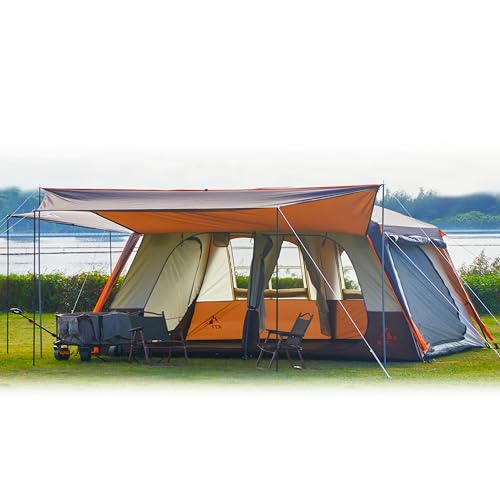
KTT Extra Large Tent 12-14 Person,Family Cabin Tents

KTT Extra Large Tent 10-12-14 Person,Family Cabin Tents
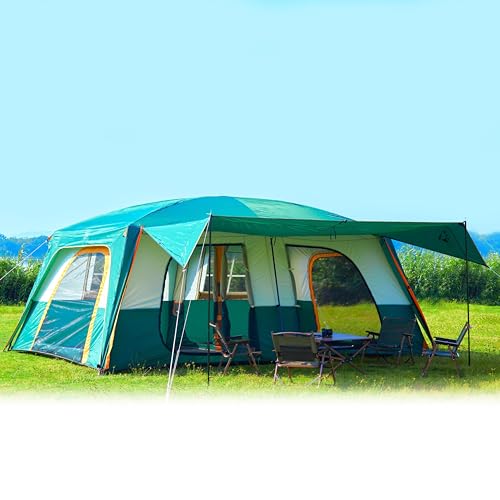
KTT Extra Large Tent 12-14 Person,Family Cabin Tents (Brown)
The Strengths Of Each Pick
This KTT cabin tent is the entry into the brand’s “straight wall” lineup, where the walls rise vertically instead of angling inward. That geometry means floor space stays usable all the way to the edges, so a pair of adults can sleep without their sleeping bags sliding into the slope.
The 16-by-11-foot footprint handles four full air mattresses with room left over for duffel stacks and a cooler. Three mesh doors, three mesh windows, and a divider curtain let you split the interior into a quiet sleep side and a noisy changing side, a setup that pays off on rainy mornings when kids need somewhere to play cards.
Real Benefits
- Three doors mean fewer late-night tiptoe trips across sleeping tentmates.
- Vertical walls free up the full floor for cots, gear, and a central camp table.
- Eight ceiling hooks plus a center hook let you hang lanterns, fans, or a stroller.
- Mesh-heavy shell keeps cross-breezes flowing on muggy summer nights.
- Room divider creates privacy between adults and kids without splitting into separate tents.
Things To Consider
- Setup takes at least two adults and a patient approach to keep the fabric taut.
- Pack weight runs heavy enough that you’ll want to pre-sort gear before driving out.
Made For
Large families who divide the tent into adult and kid zones on weekend campouts.
A Better Fit Elsewhere
Shoppers chasing the warmest, most breathable layout for hot climates may prefer the KTT Extra Large Tent 10-12-14 Person,Family Cabin Tents, with its added rear window.
This 14-by-10-foot cabin tent shrinks the entry footprint a touch while keeping the upright-wall geometry intact. The tradeoff shows up in transport: at roughly 43 pounds packaged, it’s lighter to haul than the larger models but still needs a real trunk or roof rack.
Two front doors with mesh windows and two rear windows create a balanced cross-ventilation pattern that pulls air through the entire shelter. Compared to the KTT Extra Large Tent 8-10-12-14 Person(A),Family Cabin Tents above, this one trades a third door for a tidier symmetry that helps on windy sites where doors flap.
What It Does Well
- Two front and two rear mesh panels keep air moving on still summer nights.
- Wall height near 6.5 feet lets taller adults stand to dress.
- Fits four full-size air mattresses with a usable gear perimeter.
Honest Caveats
- Only two doors mean bottlenecks during group exits in the morning.
- Stitch lines around the mesh windows commonly need a careful seam-seal pass before the first rainy trip.
- Color and fabric are built for shade, so condensation can build up on cool mornings without venting.
Key Product Details
Right Fit For
Groups of 8 to 10 who want balanced airflow and a slightly smaller packed footprint.
Look Elsewhere When
Anyone wanting a third entry point for faster group exits should look at the KTT Extra Large Tent 8-10-12-14 Person(A),Family Cabin Tents instead.
The 16-by-11-foot floor on this KTT cabin matches the entry model, but a single big rear window plus two ceiling vents give it noticeably better airflow in humid climates. That rear panel is the detail to pay attention to: it acts like an exhaust port when you open opposing doors, which is the old-school trick for clearing stale air.
Three doors, three windows, and the same divider curtain pattern make it feel familiar the moment you crawl in. For most backyards and wooded sites, that extra window is the difference between a tent that breathes and one that turns into a sauna by 9 a.m.
The Good Stuff
- Rear window creates a chimney-style draft with front doors open.
- Same 16-by-11-foot floor fits four queen air mattresses.
- Eight ceiling hooks handle lights, baby monitors, or drying clotheslines.
- Three-door pattern lets you assign entry points to keep boots and sleeping sides separate.
Points To Note
- More mesh means more seams to seal and more zippers to babysit before storms.
- Loose interior volume tends to amplify wind noise on exposed ridges.
Who Should Grab It
Warm-weather campers chasing better airflow without giving up the three-door layout.
Swap It Out When
Campers heading to bright, sun-baked sites who want less glare and heat gain may prefer the brown KTT Extra Large Tent 12-14 Person,Family Cabin Tents (Brown).
The brown KTT trades the bright shell of its siblings for a double-layer Oxford polyester finish that holds up well under direct sun. That darker fabric also helps the tent blend into wooded sites rather than glowing like a lantern at dusk, which matters on public land where neighbors like their views unspoiled.
The 16-by-11-foot floor with 7-foot center height still swallows four queen mattresses, and the divider curtain splits the space into two defined rooms. You also get the door-curtain-on-poles trick that converts the entry into a sunshade canopy for lunchtime outside the rainfly.
Everyday Advantages
- Earth-tone Oxford shell resists UV wear on bright, open sites.
- Door curtain doubles as a freestanding awning when propped on the included poles.
- Two-room layout plus screened entry keeps bugs at bay during dinner prep.
- Roomy enough to stash bikes, a playpen, or a portable camp shower inside.
Worth Bearing In Mind
- Darker fabric absorbs heat, so shade and ventilation matter more on summer trips.
- Oxford finish weighs more than standard polyester, so expect a heavier pack-out.
Whose Campsite It Belongs On
Families camping on exposed or semi-arid sites who want a sun-tough shell and a built-in awning.
Another Choice May Suit
Cooler-climate campers worried about heat absorption may find the KTT Extra Large Tent 10-12-14 Person,Family Cabin Tents a more breathable match.
Matching An Eight Person Tent To Your Crew
A cabin tent lives or dies by floor plan, headroom, and how it handles weather, so start with where you camp, not the brand.
Capacity Claims Versus Real Sleep Space
Manufacturer ratings count heads, not sleeping bags, so the “12-person” tag usually means a tight squeeze for adults plus gear. For genuine comfort, plan on roughly half the rated headcount, or four queen air mattresses per cabin tent. The straight-wall designs here use that space well, while traditional dome tents waste the sloped edges.
Straight Walls And Headroom
Vertical walls free up the full floor and let adults stand to change, which matters on multi-day trips. They also catch more wind, so stake counts and guy lines matter more than on a low dome. A center height of 6.5 to 7.4 feet is the sweet spot for tall adults.
Ventilation, Doors, And Room Dividers
Look for mesh doors and windows on opposing walls so cross-breezes actually flow. Three-door layouts speed up morning exits when a dozen people need the bathroom at once. A divider curtain turns one big room into adult and kid zones, a real perk on rainy mornings.
Weather Readiness And Fabric
Double-layer construction (an inner tent plus a separate rainfly) handles real rain better than single-layer shells. Oxford polyester holds up under harsh sun, while lighter polyesters breathe better in cool, damp weather. Plan to seam-seal any mesh-heavy tent before its first storm.
Things To Keep In Mind Across These Picks
A few habits separate happy campers from people who never pitch a tent again.
Mistakes Worth Dodging
Buying for the full rated capacity leaves everyone shoulder-to-shoulder, and skipping seam-sealing is the usual reason a “waterproof” tent leaks. Dry-fit the tent in your yard before the trip so nobody is learning poles at the campsite in the rain.
Where The Extra Money Goes
Premium cabin tents add stronger pole materials, heavier Oxford fabrics, and more refined ventilation layouts that survive repeated seasons. The upgrade pays off for families camping six or more weekends a year, while casual campers get plenty from a value-priced shelter.
Frequently Asked Questions
How big is an eight person tent when packed?
Most cabin tents in this size class weigh 35 to 50 pounds and pack into a duffel around 30 by 12 inches. You will need a full trunk or roof rack rather than a back seat.
Can two adults set one up alone?
Yes, with patience. Straight-wall designs need the fabric kept taut while poles lock into place, so a second pair of hands speeds it up considerably. Many owners report a 20 to 30 minute setup after the first few practice runs.
Are these tents really waterproof?
Double-layer polyester and Oxford shells handle moderate rain well, but you should seam-seal any mesh-heavy tent before its first storm. A properly pitched rainfly with taut guy lines keeps interior fabric dry in sustained rain.
How many air mattresses fit inside?
The 16-by-11-foot cabins fit four queen mattresses with a perimeter strip for bags, while the smaller 14-by-10-foot model handles four mattresses with a tighter gear path. Eight-person capacity claims assume solo bags or kids, not adult couples with pads.
What is the difference between polyester and Oxford fabric?
Polyester is lighter and breathes better for cool, damp climates. Oxford polyester uses a heavier basketweave that resists UV wear and abrasion, making it the better pick for arid, sunny, or high-traffic sites.
Closing Remarks
Eight person tents reward families willing to invest a little setup time in exchange for real living space. Pick the floor plan that matches your crew size and climate, seal the seams before the first trip, and the cabin will feel like a basecamp rather than a compromise.