
A fire pit earns its keep through cold nights, surprise rain, kids kicking soccer balls nearby, and a few clumsy moves with the firewood cart. The picks below cover wood-burning and propane styles, each one chosen for solid construction, materials that hold up outdoors, and designs that match a real patio or campsite rather than a magazine spread.
The Main Contenders

Solo Stove Yukon 2.0 + Stand
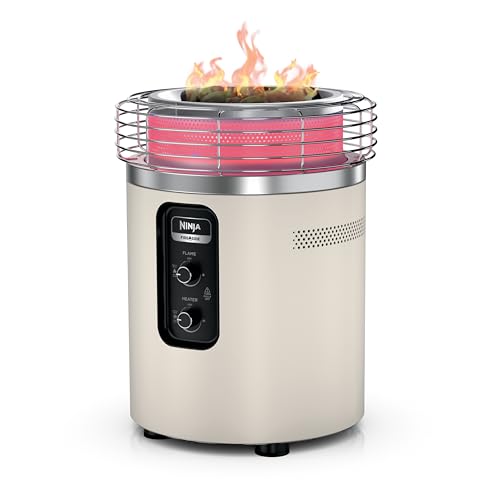
Ninja Fireside360 Fire Pit/Heater
Solo Stove Ranger 2.0 15″ Smokeless Fire Pit

Outland Living Portable Propane Fire Pit 893

Outland Living Firebowl 883 Mega 24-Inch
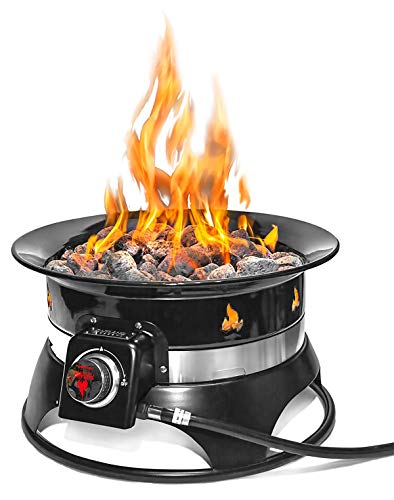
Outland Living Firebowl 870 Premium 19″
Solo Stove Bonfire w/Stand 19.5″
Why These Options Stand Out
The Yukon 2.0 is the largest wood-burning Solo Stove in the lineup, sitting at 27 inches across and built from 304 stainless steel with a high-heat ceramic coating. That dual-layer approach helps the body shrug off rust while handling the thermal cycling that wears down cheaper pits. The included stand lifts the bowl off the deck, which matters on composite or wood patios where direct heat would be a problem.
The signature 360-degree airflow system is what sets this apart from a basic steel ring. Secondary air feeds through bottom vents, mixing with the rising heat to reburn smoke particles before they leave the rim. In real backyards, that translates to fewer teary eyes during a long evening and less of that campfire smell soaked into your hair and jacket.
Real Benefits
- 304 stainless steel resists corrosion season after season
- High-heat ceramic coating protects the steel and weathers cleanly
- 27-inch diameter fits a full group without crowding the bowl
- Stand keeps heat off decks and helps grass underneath recover
- Airflow design reduces smoke so neighbors stay friendly
Points To Note
- Wood-only fuel means hauling and storing logs
- 27-inch footprint takes planning on a small patio
- Premium pricing versus basic steel ring pits
Key Product Details
Made For
Backyards with room to spread out, where you host a full circle of friends and want a wood-burning experience without the smoke chasing everyone indoors.
A Better Fit Elsewhere
The Ninja Fireside360 suits renters and small patios more, since propane eliminates firewood storage and the push-start mode keeps things tidy on a balcony.
The Ninja Fireside360 leans into the heater side of the category. It runs on propane rather than wood, pushes 80,000 BTU, and offers three operating modes: flame only for ambience, heat only for silent warmth, or both together when the temperature drops. Push-button ignition means no more fumbling with long matches in the wind.
Compared to the Yukon 2.0’s open wood flame, this unit trades the crackle for clean control. There is no ash to sweep and no smoke to drift, which is a real perk on a covered patio or a balcony with strict burning rules. The stone-tone housing fits modern outdoor furniture better than raw steel.
Why It Works Well
- 80,000 BTU output rivals commercial patio heaters
- Three modes let you tune flame and heat independently
- Push-start ignition eliminates matches and lighters
- Propane burns cleanly with no ash cleanup
Things To Consider
- Requires a propane tank you must refill or swap
- Heavier than a portable wood pit at this output level
- Premium pricing versus basic propane fire bowls
Who It Suits Best
Shoppers who want year-round patio heating with no firewood mess, especially those in apartments, townhomes, or anywhere open flames are restricted.
Swap It Out When
The Solo Stove Ranger 2.0 fits better for campers and tailgaters who want a wood-burning setup without hauling a propane tank to the site.
The Ranger 2.0 is Solo Stove’s smallest entry, and that small footprint is the whole point. At 15 inches, it slips into a car trunk or the back of an SUV without taking over the cargo space, and the included stand makes it stable on uneven ground at a campsite or a tailgate. Like its larger siblings, the body uses the same 360-degree airflow approach, so the secondary burn cuts down on the eye-watering smoke that ruins a cookout.
The trade-off versus the Yukon 2.0 is fire bed size. You will not fit a crowd around this bowl, and longer logs will need to be cut down. For couples, small families, and weekend warriors, that smaller scale is the appeal rather than a flaw.
A Favorable Mix
- 15-inch size travels well in most vehicles
- Smokeless airflow design keeps clothes and hair clean
- Stand included for use on grass, gravel, or pavement
- Stainless body handles weather between trips
Worth Noting
- Small fire bed limits log length and group size
- Wood-only fuel requires sourcing firewood on the road
Right Fit For
Campers, tailgaters, and small backyards where a full-size wood pit would dominate the space or require a permanent spot.
Another Choice May Suit
The Outland Living 893 fits better for travelers who want propane simplicity, since there’s no need to scout for dry firewood at each new site.
The Outland Living 893 measures 19 inches square and puts out 58,000 BTU on propane, with a complete carry kit that includes a cover for transport and storage. The CSA approval matters more than it sounds: it qualifies the unit for use during most campfire bans, which is the difference between a usable fire at a state park and a quiet night in the tent.
Setup is genuinely tool-free, and owners commonly report the unit feeling stable on deck railings, picnic tables, and tailgate bumpers. The 58,000 BTU output sits below the Ninja Fireside360 but well above what most campfire replacements need.
Well-Handled Touches
- CSA approval for use during typical campfire restrictions
- Cover and carry kit included for protection on the go
- Tool-free setup gets you from car trunk to fire in minutes
- 58,000 BTU provides solid warmth for small gatherings
Honest Caveats
- Requires a standard propane tank sold separately
- 19-inch footprint is portable but not backpack-friendly
Key Product Details
Best Suited To
RV owners, campers, and tailgaters who want a no-mess fire that follows them from the driveway to the campsite without burning restrictions getting in the way.
Look Elsewhere When
The Solo Stove Bonfire suits someone who prefers the crackle and ritual of a real wood fire on a stationary patio at home.
The 883 Mega stretches the Firebowl line to 24 inches across while keeping the same 58,000 BTU propane output as the smaller 893. The wider bowl gives the flame room to spread, which reads as a more realistic campfire from a few steps back. The included UV- and weather-resistant cover handles the off-season storage problem that often catches propane pit owners off guard.
Where the Yukon 2.0 uses airflow to manage wood smoke, this unit skips smoke entirely by burning propane. There is no ash, no soot on your hands, and the steel bowl wipes down with a damp cloth after a long night.
A Strong Showing
- 24-inch bowl creates a wide, campfire-style flame
- UV- and weather-resistant cover included for storage
- Same 58,000 BTU output as the smaller Firebowl models
- CSA approval covers most campfire restriction periods
Trade Offs
- Larger bowl takes more deck or patio space
- Propane tank runs longer sessions than smaller units
Whose Shelf It Belongs On
Homeowners with a permanent propane spot on the patio who want a wider flame without jumping to a commercial-style heater.
Where A Sibling Pick Shines
The Outland Living 870 Premium suits someone who wants the same propane convenience but with auto-ignition to skip the match step entirely.
The 870 Premium takes the Firebowl formula and adds a matchless auto-ignition system. Instead of clicking a piezo lighter or striking a match, you press a knob and the flame catches on its own. The 19-inch body, 58,000 BTU output, and CSA approval stay consistent with the rest of the Outland line, and the included cover plus carry kit make transport to a campsite straightforward.
The auto-ignition is the headline feature, but the practical benefit shows up on cold evenings when your hands are wrapped around a drink. One knob twist and the fire is running.
Benefits That Matter
- Matchless auto-ignition simplifies startup in any weather
- 19-inch size balances portability and flame presence
- Cover and carry kit protect the unit between uses
- CSA approval extends usability during fire bans
Small Caveats
- Auto-ignition adds a small step up in pricing
- Still depends on a refillable propane tank
Feature Snapshot
Perfect Match For
Casual hosts and small families who want propane convenience with the simplest possible ignition, especially on chilly evenings when fussing with matches is the last thing you want.
Consider Something Else When
The Outland Living 883 Mega fits better for shoppers who want a wider 24-inch bowl and a more dramatic flame presence on a stationary patio.
The Bonfire sits in the middle of the Solo Stove family at 19.5 inches across, weighing in just over 20 pounds according to the brand. The 304 stainless body and airflow design handle smoke the same way the Yukon 2.0 does, just at a friendlier scale for a small patio. The included stand keeps the bowl off the deck and helps the grass underneath breathe between burns.
The Bonfire is the wood-burning middle ground between the Ranger 2.0’s travel size and the Yukon 2.0’s gathering size. You get the crackle and the wood-fired cooking potential without committing to a full backyard installation.
Practical Pluses
- 19.5-inch size fits most patios without dominating the space
- Just over 20 pounds makes it manageable to reposition
- Smokeless airflow design reduces the eye-watering burn phase
- Stand included to protect decking and grass
A Few Limitations
- Wood-only fuel keeps you tied to a firewood source
- Mid-size fire bed limits very large gatherings
Quick Facts
Who Should Grab It
Family patios and weekend hosts who want a wood-burning fire with real crackle but do not need the Yukon 2.0’s full-size gathering capacity.
Skip It When
The Solo Stove Ranger 2.0 fits better for travelers who need the smallest possible footprint and plan to haul the pit to different sites.
What Matters Most Before Choosing Durable Fire Pits
Material And Build Quality
The biggest durability factor is what the bowl is made from. 304 stainless steel, the grade used across the Solo Stove lineup, holds up against rust and thermal cycling far longer than basic cold-rolled steel. Ceramic coatings add a second layer of protection that helps the steel weather cleanly through wet seasons. For propane units, look for steel bowls with a UV-resistant finish or a matching cover to prevent fading and surface oxidation.
Size And Fuel Type
The right size depends on the room and the crowd. A 27-inch Yukon 2.0 spreads warmth across a larger group, while the 15-inch Ranger 2.0 fits a tailgate or a small campsite. Fuel type matters just as much: wood pits deliver the crackle and cooking potential, propane pits skip the smoke and ash but require a tank. BTU ratings, which measure heat output, matter more for propane units. Most Firebowl models put out 58,000 BTU, while the Ninja Fireside360 pushes 80,000 BTU for stronger cold-weather heating.
Portability And Setup
For camping and tailgating, weight and a carry kit make the difference between a pit you actually bring and one that stays in the garage. Outland includes covers and carry kits with most Firebowl models, and the Solo Stove Ranger 2.0 weighs in light enough to toss in a trunk. Stationary patios benefit more from a heavier, wider bowl that resists being bumped out of place.
Certifications And Restrictions
CSA approval on propane pits lets you burn during most campfire bans, which matters at state parks and dry-season campgrounds. Local rules still vary, so it pays to confirm before lighting up, but certification removes the most common friction. Wood-burning pits face broader restrictions regardless of design.
Key Considerations Across These Picks
Common Shopping Slip Ups
A frequent mistake is choosing a fire pit by bowl size alone and ignoring the surface underneath. Composite decking, in particular, can scorch or discolor under a hot bowl without a stand. Another common slip is underestimating propane tank logistics. A 58,000 BTU unit can run through a standard 20-pound tank faster than expected on a chilly evening, so having a spare or a refill plan avoids a fire that fizzles mid-dinner.
Where The Extra Money Goes
The jump from a basic steel ring to a Solo Stove or a high-BTU Ninja is mostly about materials and airflow engineering. 304 stainless steel costs more up front but weathers years of rain without flaking. Smokeless airflow designs require tighter manufacturing tolerances and a secondary burn chamber, which explains much of the price gap. For propane units, higher BTU and mode control add cost but also add flexibility for shoulder-season use when a low flame beats a full heat blast.
Frequently Asked Questions
How long do stainless steel fire pits last outside?
With a ceramic coating and basic cover protection, 304 stainless steel pits commonly hold up for many years of regular outdoor exposure. Without a cover, expect surface patina to develop but the structural integrity remains.
Are smokeless fire pits actually smokeless?
They reduce visible smoke significantly through secondary combustion, especially once the fire is well-established. The startup phase and certain wood types will still produce some smoke.
Can propane fire pits be used during campfire bans?
CSA-approved units like the Outland Living Firebowl line are typically allowed during standard campfire restrictions. Always confirm current local rules before lighting any flame outdoors.
What size fire pit works for a small patio?
A 15- to 20-inch bowl, like the Solo Stove Ranger 2.0 or the Outland Living 870, fits comfortably without dominating the deck. Larger 24- to 27-inch bowls need more breathing room on every side.
Do fire pit covers really matter?
A weather-resistant cover, like the one bundled with the Outland Living 883 Mega, prevents water pooling and UV damage during storage. Skipping the cover shortens the finish life on any outdoor pit.
Closing Remarks
The right pick depends on where the fire lives and how you plan to light it. A stainless wood-burner rewards patience and delivers the classic crackle, while a CSA-approved propane unit trades firewood for convenience and burn-ban flexibility. Match the fuel type to your space, the bowl size to your crowd, and the rest tends to take care of itself.