
Picking a grill that handles both quick weeknight burgers and long, lazy Saturday briskets changes how you cook outside. The seven picks below cover propane convenience, charcoal soul, open-fire drama, and combo setups that smoke and sear without forcing a fuel compromise. Each one was chosen for a specific kind of outdoor cook, so the right match depends less on specs and more on how you actually plan to use it.
A Snapshot Of The Selections

Weber Q 2800N+ Portable Propane Grill (Flame Red)

Oklahoma Joe’s Rambler Portable Charcoal Grill 218 sq. in.
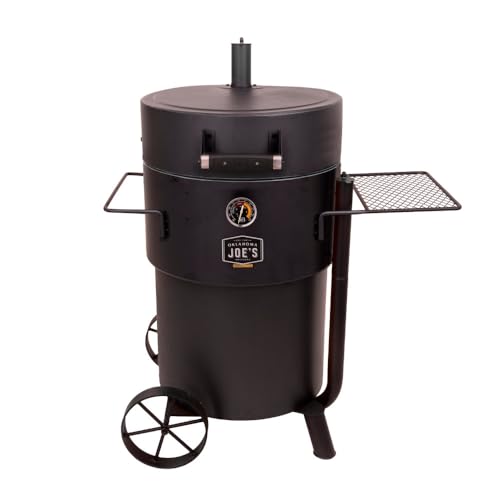
Oklahoma Joe’s Bronco Pro 21.5 in. Heavy Duty Charcoal Drum Smoker and Grill

Oklahoma Joe’s Firecraft Series Modular Open Fire Barrel Charcoal Grill 480 sq. in.

Oklahoma Joe’s Highland Offset Reverse Flow Charcoal Smoker and Grill 1093 sq. in.
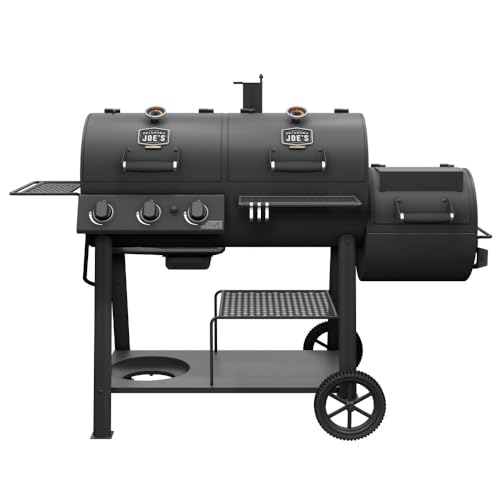
Oklahoma Joe’s Canyon Combo Dual Fuel 3-Burner Propane and Charcoal Grill 1031 sq. in.

Oklahoma Joe’s Longhorn Offset Charcoal Smoker and Grill 1060 sq. in.
A Closer Look At Each Pick
Small patios, balconies, and tight driveways reward a grill that delivers big flavor without eating your square footage. The Weber Q 2800N+ lands squarely in that lane, with propane convenience that lets you skip the charcoal chimney and get cooking in roughly ten minutes. Unlike the charcoal options further down this list, you trade smoke depth for thermostat-like control across a wide temperature range.
A small footprint hides a fairly roomy grate, so you can still feed four without rotating patties constantly. For weeknight cooks who want grilled chicken or seared veggies without babysitting a fire, this feels like the right level of effort.
Real-World Strengths
- Wide temperature range supports everything from slow roasting to aggressive searing on the same grate.
- Propane startup means no lighter fluid smell, no waiting for coals to ash over.
- Compact body fits apartment balconies and tailgate setups without dominating the space.
- Side tables (where included) give you a stable prep surface right next to the heat.
Points To Keep In Mind
- No smoke profile like charcoal, so purists chasing deep bark on brisket will feel limited.
- Grate size runs smaller than full-size rigs, so cooking for eight at once means working in batches.
Feature Snapshot
Made For
Apartment dwellers and tailgaters who want real grilling power without the bulk or fuel fuss of a full-size rig.
Consider Something Else When
Smoke-obsessed cooks should look at the Oklahoma Joe’s Bronco Pro 21.5 in. drum smoker for deeper, low-and-slow results.
The Rambler is what you grab when the car is already packed for the lake and someone volunteers to bring the grill. At 218 square inches, it handles burgers and brats for a small group without dominating your trunk. Compared with the Weber Q 2800N+, you trade push-button convenience for real charcoal flavor and a small, tabletop form.
The height-adjustable charcoal tray is the real hero, letting you push coals closer for a hard sear or pull them away for gentler cooking. Campers and tailgaters who care more about smoke than thermostat dials will appreciate the simplicity.
The Upside
- Lightweight body and small footprint fit a sedan trunk or a picnic table.
- Height-adjustable tray gives you real control over heat intensity without lifting the grate by hand.
- Charcoal flavor that gas grills can’t match, in a package you can carry one-handed.
- Durable steel construction handles road trips and rough parking lots.
Trade Offs
- Cooking surface is tight, so feeding more than four means cooking in waves.
- Charcoal takes longer to light and clean up than the propane Weber Q 2800N+.
Right Fit For
Campers, tailgaters, and small-space cooks who want authentic charcoal taste without a permanent backyard setup.
Look Elsewhere When
Backyard hosts feeding a crowd should step up to the Oklahoma Joe’s Canyon Combo for a much larger dual-fuel cooking surface.
The Bronco Pro reads like the grill for people who already know what bark should look like. A sealed drum body and tuned airflow let you hold low temperatures for hours, which is the whole game on a real brisket or pork shoulder. Unlike the Rambler, you can’t toss it in a trunk, but the trade is a sealed cooking environment that behaves predictably.
The oversized charcoal basket supports long burns without constant refueling, so you spend more time watching the cook than poking the fire. For low-and-slow devotees who treat smoking like a hobby, this hits the sweet spot.
What Stands Out
- Sealed drum design locks in heat and smoke for tight temperature control.
- Large charcoal basket supports extended sessions with fewer mid-cook refuels.
- Heavy-gauge steel body holds up to weather and frequent high-heat cooks.
- 366 square inches of grate space fits multiple racks of ribs or a full packer brisket.
Honest Caveats
- Drum size and weight make it a stationary backyard piece, not a portable.
- Learning curve is real, so first-timers may need a few cooks to dial in their vent settings.
At A Glance
Best Suited To
Backyard pitmasters who already know their vents and want a dedicated smoker that can hold a long, steady fire.
Skip It When
Beginners wanting a more forgiving entry should consider the Oklahoma Joe’s Highland Offset, which offers a more traditional offset layout.
The Firecraft barrel is for cooks who treat the backyard like a campfire. An open firebox lets you stoke the fire from 360 degrees without disturbing the food, which is a different kind of experience from a sealed drum. Where the Bronco Pro hides the fire behind a door, this one puts the flames on display.
Two heavy-gauge wire grates split the 480-square-inch surface into 240-square-inch halves, so you can run different heat zones over the same fire. The twist-lock handle system also lets you raise or lower grates for direct or indirect cooking without tools.
What Makes Sense
- Open-fire design pulls double duty as a fire pit when the food is done.
- Two removable grates let you swap configurations for direct or indirect setups.
- Twist-lock handle adjusts grate height without lifting hot metal by hand.
- Heavy-gauge wire grates resist corrosion and clean up easier than thin rods.
Things To Consider
- Open design means more radiant heat and less wind protection, so placement matters.
- Charcoal management is hands-on, since there’s no sealed chamber to lock in temperature.
Who Should Grab It
Hosts who want the campfire atmosphere as much as the food, especially in larger backyards where the grill becomes a centerpiece.
A Better Fit Elsewhere
Cooks chasing sealed-chamber precision will be happier with the Oklahoma Joe’s Bronco Pro drum smoker.
Offset smokers live or die by heat consistency, and the Highland tackles that problem head-on with a reverse-flow baffle system. Heat and smoke travel along the bottom of the chamber before reaching the stack, which evens out the hot spots that plague cheaper offsets. Compared with the Bronco Pro’s drum design, this is a more traditional pit-style layout with much more grate real estate.
Removable baffles let you flip between reverse-flow and standard offset setups, so you can experiment with both styles on the same rig. At 1,093 square inches, you have room for full packers, multiple chickens, and a row of ribs all at once.
Good Reasons To Consider
- Reverse-flow baffle system evens out heat across the full cooking chamber.
- 1093 square inches handles multiple large cuts without crowding the grate.
- Switchable baffle setup lets you choose between reverse flow and traditional offset.
- Adjustable smokestack gives you another dial for fine-tuning airflow.
Practical Considerations
- Footprint is large, so plan on dedicated backyard space and a cover.
- Sealing the lid properly matters; gaskets may need attention over time as commonly reported on offset smokers.
Key Specs
Whose Shelf It Belongs On
Competition-style cooks and dedicated enthusiasts who want full temperature control across a wide cooking surface.
Where A Sibling Pick Shines
Hosts wanting gas convenience alongside charcoal smoke should look at the Oklahoma Joe’s Canyon Combo dual-fuel model.
The Canyon Combo is the closest thing on this list to a “do everything” rig. A propane side fires up fast for burgers and hot dogs, while a charcoal chamber smokes ribs and shoulders with real wood flavor. If you’ve ever wished for one grill that handles both weeknight dinners and weekend smokes, this is the answer.
The propane side runs on three burners for even heat across the grates, while the charcoal side holds enough fuel for long, low cooks. Both chambers can run at the same time, so you can sear steaks on gas while a brisket smokes on charcoal.
Strong Points
- Two fuel systems in one cabinet let you smoke and grill at the same time.
- Three propane burners deliver even heat for fast weeknight cooking.
- 1,031 square inches of total cooking area handles family gatherings.
- Side-by-side layout keeps gas and charcoal tools separated for cleaner workflow.
Where It May Fall Short
- Propane tank is not included, so plan on sourcing a tank separately.
- Large footprint and heavier weight mean this stays put once assembled.
Quick Facts
Who It Suits Best
Backyard hosts who cook for a crowd and want both fuel types without buying two separate grills.
Another Choice May Suit
Pure smoke fanatics may prefer the Highland Offset’s dedicated charcoal layout for cleaner airflow control.
The Longhorn is a workhorse offset that has stuck around for a reason. A traditional side-firebox design sends heat and smoke across the main chamber, giving you classic offset behavior without the reverse-flow complexity of the Highland. If you want a familiar pit-style cook without extra baffles, this keeps things simple.
Primary and secondary cooking chambers add up to 1,060 square inches, so you can lay out ribs, shoulders, and chicken without stacking racks. The straightforward layout also makes it easier to learn offset cooking before moving to more elaborate setups.
Where It Excels
- Classic offset layout gives you traditional low-and-slow smoke flow.
- Two chambers, totaling 1,060 square inches, let you stage meat and sides at once.
- Heavy steel build holds up to years of high-heat cooks and weather exposure.
- Simpler design than reverse-flow models, which helps newer offset smokers learn the basics.
Small Caveats
- Offset designs run hotter near the firebox end, so you may find yourself rotating meat for even bark.
- Seams and gaskets on the firebox commonly need a check after heavy use to keep smoke leakage in check.
Perfect Match For
Family cookout hosts who want a steady, traditional offset smoker with enough room for a full spread.
Reach For A Different Pick When
Cooks who want evener heat across the entire chamber should consider the Highland Reverse Flow model instead.
What Matters Most Before Choosing Dual Bbq Grills
Fuel Type And Cooking Style
Propane gives you push-button control, while charcoal delivers the smoke profile most pit-style cooks chase. The Weber Q 2800N+ covers the propane lane, and every Oklahoma Joe’s pick on this list leans into charcoal or dual-fuel territory. Match the fuel to how you actually cook, not to what’s familiar.
Cooking Area And Capacity
Square inches translate directly into how many burgers, ribs, or racks you can lay down at once. Compact picks like the Rambler (218 sq. in.) suit small groups, while full-size rigs like the Highland (1,093 sq. in.) and Canyon Combo (1,031 sq. in.) cover crowd cooking. Think about your largest typical cook, then size up.
Portability Versus Permanent Setup
If the grill lives in the same backyard spot year-round, weight and footprint matter less than cooking surface. Portable picks like the Rambler and Weber Q trade size for the ability to roll to a tailgate or campsite. Stationary offsets and drum smokers reward their bulk with better heat retention and larger chambers.
Build Quality And Long-Term Care
Thicker steel, heavier grates, and sealed chambers tend to outlast thinner stamped-metal builds. Offset smokers like the Longhorn and Highland need occasional gasket and seam checks, while drum smokers like the Bronco Pro ask for regular ash cleanup. Pick a maintenance level that matches how often you actually want to fiddle with the gear.
Key Considerations Across These Picks
Pitfalls First Timers Hit
New grill owners often grab the biggest model they can find, only to discover it overwhelms their space or their weeknight cooking rhythm. A smaller Weber Q 2800N+ or Rambler is easier to live with day to day, and you can always upgrade once your habits settle. Matching grill size to your typical meal count beats buying for hypothetical dinner parties that rarely happen.
Where The Extra Money Goes
Higher-tier picks like the Highland Reverse Flow and Canyon Combo add baffle systems, dual fuel, or larger chambers that translate into more consistent cooks and bigger spreads. For dedicated smokers and frequent hosts, that upgrade pays back in fewer temperature swings and more flexibility across recipes. Casual weeknight cooks rarely need that headroom, so a mid-range offset or a propane grill will usually do the job without overbuying.
Frequently Asked Questions
What is the difference between a smoker and a grill?
A grill uses direct, high heat to sear and cook food quickly over gas or charcoal. A smoker runs at lower temperatures for longer periods, using indirect heat and wood smoke to flavor the meat slowly.
How much cooking area do I need for a family of four?
Plan on roughly 400 to 500 square inches for a family of four, more if you like to cook multiple proteins at once. Smaller households can get by with 200 to 300 square inches.
Can I use wood chunks in a propane grill?
You can add wood chips in a smoker box or foil pouch over the burners to introduce smoke flavor. The effect is lighter than a true charcoal or offset smoker, but it adds a noticeable wood note to propane-cooked food.
How often should I clean my grill?
A quick brush after each cook and a deeper clean every few uses keeps grease buildup and rust in check. Empty ash from charcoal grills after every session to maintain airflow.
Do offset smokers require more skill than drum smokers?
Offset designs ask you to manage firebox temperature and rotate meat for even cooking, while drum smokers tend to hold more even heat with less hands-on adjustment. Beginners often find drum smokers more forgiving, though both reward practice.
The Takeaway
The right grill depends less on chasing the biggest specs and more on matching fuel type, capacity, and footprint to the way you actually cook. Apartment dwellers and casual weeknight cooks will lean toward the Weber Q 2800N+ or Rambler, while backyard hosts and smoke fanatics will get more out of the Canyon Combo, Highland, or Bronco Pro. Pick the rig that fits your space and your appetite, then get outside and start cooking.