
A double wall tent earns its keep when the weather turns. Two layers of fabric create an air gap that manages condensation, blocks wind, and keeps you dry through long nights in the backcountry or car camp. This lineup covers lightweight shelters for backpackers, roomy family options, and instant pop-up canopies for backyard shade and tailgates.
The Picks In Brief

ALPS Mountaineering Lynx 2-Person Backpacking Tent

ALPS Mountaineering Zephyr 2-Person Tent

COBIZI 10×20 Heavy Duty Pop Up Canopy
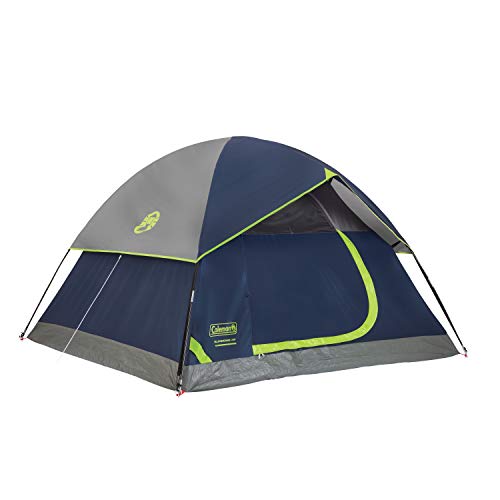
Coleman Sundome 2-Person Camping Tent

PHI VILLA 13×13 Pop Up Canopy Tent
More On The Choices That Made The List
The Lynx sits at the entry of the backpacking category, and that placement shows in its thoughtful details. Aluminum poles replace the fiberglass you often see at this tier, so the structure stays light without feeling brittle. The dome-style footprint pitches with just two poles, which means less fumbling in low light after a long day on the trail.
Mesh dominates roughly half of each wall, turning the interior into a breezy retreat during summer trips. Compare that to the Zephyr covered next, which trades a bit of mesh for steeper walls. For most warm-weather backpackers, the Lynx hits the right note between ventilation and packability.
Standout Benefits
- Aluminum poles keep weight low while resisting the snap-and-splinter failure of fiberglass on cold mornings.
- Mesh on half the wall surfaces moves air through the sleeping area, cutting that stuffy feeling on humid nights.
- Two-pole dome geometry means a practiced pitch in well under ten minutes, even with gloves on.
- Freestanding design lets you reposition the tent to find flatter ground or dodge a muddy patch.
- The price tier makes it a natural pick for anyone unsure how often they will actually carry a shelter.
Things To Consider
- The rainfly coverage is functional in light weather, but owners commonly report heavy downpours testing the seams.
- Two-person dimensions feel snug once two sleeping pads and a dog share the floor.
Feature Snapshot
Who It Suits Best
First-time backpackers heading into mild three-season conditions who want a forgiving shelter without a steep learning curve.
Skip It When
The Coleman Sundome makes more sense for car campers who never have to carry their shelter more than a few steps from the trunk.
The Zephyr trades the Lynx’s wide mesh for steeper walls and a taller ceiling. That single change reshapes the whole experience: you can sit up to read, change clothes without contortion, and store gear against the wall instead of under your feet. For tall campers and restless sleepers, those few extra inches feel transformative.
Full mesh walls still keep the interior airy, which is the whole point in muggy summer air. The polyester build handles the rigors of car camping without much fuss. You may find the Zephyr less appealing if your priority is shaving grams for a long-distance hike, since it leans toward comfort over ultralight performance.
Positive Points
- Pre-bent aluminum poles push the walls more vertical, giving real headroom for sitting and dressing.
- Full mesh panels maximize cross-ventilation, useful when humidity turns a tent into a sauna.
- Interior volume accommodates two sleeping pads with leftover space for boots and packs.
- Polyester construction holds up well to repeated setup and takedown at busy campgrounds.
Worth Noting
- The added interior comfort adds weight, so this is more of a car-camping shelter than a thru-hike option.
- Condensation can collect on the inner walls during cold nights when the fly is sealed tight.
- Setup involves more stake points than the Lynx, taking longer if you are working solo at dusk.
Right Fit For
Car campers and short-haul backpackers in warm, humid climates who value sitting space and airflow over minimum weight.
Look Elsewhere When
The ALPS Mountaineering Lynx is a better match for backpackers counting every gram on a multi-day route.
The COBIZI canopy steps outside the backpacking lane and into the event and vendor space. A 10×20 footprint swallows a row of vendor tables, a set of camp chairs, or a tailgate crowd without crowding. The full truss frame is the headline here: thicker pipes and an intermediate support pole give the structure a sturdier backbone than typical pop-ups.
Sidewalls come included, which is rarer than you would expect. That single accessory turns an open shade tent into a semi-enclosed space that blocks wind and low-angle sun. For weekend markets and outdoor gatherings, this is one of the more practical setups you can deploy from a car.
A Few Highlights
- Full truss frame with powder-coated steel handles regular outdoor use without flexing under weight.
- Intermediate support poles share the load, raising the ceiling’s tolerance for hanging signage or lights.
- Sidewalls ship in the box, so you are not scrambling for a third-party enclosure to finish the setup.
- The 10×20 size covers vendor booths, family seating, or a shelter for gear during a long day outside.
Trade Offs
- Heavier frame than the smaller pop-up options, so you will want two people for setup and transport.
- Storage size is substantial, and a proper carrying bag matters if you plan to haul it to multiple events.
- Staking and weighting requirements go up at this footprint, especially on hard ground where stakes struggle to bite.
Feature Card
Best Suited To
Vendors, market sellers, and hosts running weekend gatherings who want a sturdy shaded structure without ordering accessories separately.
Another Choice May Suit
The PHI VILLA 13×13 is a better match for backyard shade and tailgate trips where one person handles the entire setup.
The Sundome is the kind of tent that ends up at a family’s first campsite. It pitches fast, fits in a trunk, and takes the uncertainty out of a wet night. Coleman’s WeatherTec system, which is a set of welded seams, protected floors, and inverted zipper covers, focuses on the specific headaches that ruin a camping trip: rain splatter and wind-driven drizzle.
Continuous pole sleeves, where the fabric threads onto the poles rather than clipping over them, speed up the setup to a matter of minutes. For most casual campers, that simplicity matters more than gram-counting. The trade-off shows up when you compare the dome shape against the steeper Zephyr reviewed earlier, where headroom feels more generous.
Everyday Advantages
- WeatherTec construction provides genuine rain protection at a starter price point.
- Continuous pole sleeves shorten setup time, which helps on late arrivals after work.
- Compact packed size fits in most car trunks alongside coolers and camp chairs.
- Wide door makes entry and exit easy for kids and anyone wrestling gear at bedtime.
Points To Note
- Fiberglass poles add weight compared with the aluminum frames on the ALPS options.
- The dome shape limits headroom near the walls, so sitting upright requires a center spot.
- Storage pockets and ventilation are basic compared with the mesh-heavy Zephyr.
Whose Shelf It Belongs On
Weekend campers and families new to tent camping who want a no-fuss setup that handles a typical forecast.
Where A Sibling Pick Shines
The ALPS Mountaineering Zephyr is the better match when warm nights and tall occupants demand more airflow and ceiling space.
The PHI VILLA canopy trades event scale for setup speed. A central lock system lets one person open the frame, push the mechanism, and have shade ready in roughly a minute. For tailgates, picnics, and backyard shade, that single-person workflow changes how often you actually use the canopy versus leaving it in the garage.
The 13×13 size covers a small patio setup, a couple of camp chairs, or a craft table. CPAI-84 flame-resistant fabric with a PU coating, where PU stands for polyurethane, a common waterproof layer, gives the top some weather resistance. Compare that to the larger COBIZI covered earlier, which targets vendor-scale use; this one is built for quick weekend shade.
Advantages To Know
- One-push central lock lets a solo user deploy the canopy without wrestling the frame.
- Flame-resistant fabric meets a recognized safety standard for outdoor gatherings.
- 150D oxford top with PU coating handles light rain without immediate seepage.
- Packed weight and size suit a sedan trunk, not just an SUV or truck bed.
Small Caveats
- Wind performance is the limiting factor for any pop-up at this size, so weighting the legs is a must.
- The smaller footprint is generous for a family but tight for a full vendor row.
- Sidewalls are sold separately, which adds to the total cost if you want a closed shelter.
Made For
Backyard hosts, tailgaters, and casual event-goers who want instant shade without recruiting a setup crew.
Reach For A Different Pick When
The COBIZI 10×20 is the stronger match for vendors and larger gatherings that need more covered square footage and included sidewalls.
What To Weigh Before Picking A Double Wall Tent
Double wall tents use two fabric layers, an inner breathable mesh or fabric and an outer waterproof rainfly, with an air gap between them. That gap is what sets them apart from single wall designs: it manages condensation, buffers wind, and adds warmth in cool weather.
The first thing to match is the trip. Backpackers carrying every ounce should focus on packed weight and packed size, which favors the ALPS Lynx and other aluminum-pole shelters. Car campers and families can prioritize interior volume, sitting height, and weather resistance instead.
Next comes the season and climate. Full mesh walls, like those on the Zephyr and Lynx, breathe well in summer heat. For shoulder-season trips, look for fuller-coverage rainflies, inverted seams, and protected floors. The Coleman Sundome leans into those wet-weather details at a starter price.
Finally, consider capacity honestly. Tent ratings assume tight packing, thin pads, and minimal gear. Two adults, two pads, and a dog usually push a “two-person” tent to its limits. Choosing one size up turns a tolerable night into a comfortable one.
Key Things To Keep In Mind Across These Picks
Common Shopping Slip Ups
The biggest mistake is choosing a backpacking tent for car camping or a car-camping tent for backpacking. Each style optimizes for different priorities: weight and packability versus interior volume and weather protection. Pick the category first, then narrow by features.
Another trap is trusting a tent’s maximum capacity. Manufacturers list the absolute upper limit, often with gear stacked against the walls. For most adults, the comfortable fit is one or two sizes below that number.
Where The Extra Money Goes
Higher-tier double wall tents tend to use aluminum poles instead of fiberglass, which lightens the shelter and resists cold-weather brittleness. They also add features like pre-bent pole geometry, which steepens walls for more headroom, and stronger waterproof coatings on the rainfly.
The upgrade pays off most for frequent travelers and anyone facing real weather. For occasional fair-weather weekends, a starter shelter covers the trip without straining the wallet.
Frequently Asked Questions
How Do Double Wall Tents Handle Condensation?
The air gap between the inner mesh and the outer rainfly lets moisture move away from the sleeper and either vent through mesh panels or condense on the rainfly. This keeps sleeping bags drier than single wall designs in humid weather.
Are Double Wall Tents Harder To Set Up Than Single Wall Models?
Most modern double wall tents use color-coded poles, continuous sleeves, or pole clips to speed the process. Expect a few extra minutes compared with a single wall shelter, in exchange for better weather performance.
Can Double Wall Tents Be Used In Winter?
Standard three-season double wall tents handle light snow and cool nights. For serious winter use, look for four-season designs with heavier pole structures, fuller-coverage rainflies, and reduced mesh to trap warmth.
How Do I Clean And Store A Double Wall Tent?
Wipe down the rainfly and floor after trips, fully dry the tent before storage, and stash it loosely in a cool, dry place. Long-term compression in a tight stuff sack degrades fabric coatings over time.
Do I Need A Footprint Or Ground Tarp Under My Tent?
A footprint protects the floor from abrasion and adds a moisture barrier on damp ground. It also extends the tent’s life if you camp often on rough or rocky surfaces.
Bottom Line
The right double wall tent matches your trip type, your climate, and your honest capacity needs. Backpackers should look at the ALPS Lynx, car campers at the Zephyr or Sundome, and event hosts at the COBIZI or PHI VILLA canopies. Pick the shelter that fits your usual weekend, and it will earn its space in the trunk for years.