
Picking the right shelter shapes every other part of a trip, from how well you sleep to how fast you break camp. Backpackers want light packs, families want standing room, and car campers want something that just goes up without drama. These six dome tents cover those scenarios with different builds, materials, and capacities, so you can match the shelter to the way you actually camp.
A Snapshot Of The Selections

Coody Premium Inflatable Canvas Air Tent with Stove Jack

ALPS Mountaineering Lynx 2-Person Backpacking Tent
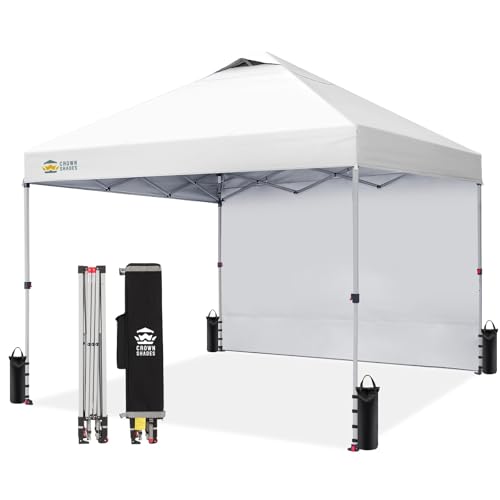
CROWN SHADES 10×10 Pop Up Canopy with 1 Side Wall

CROWN SHADES 10×10 Pop Up Canopy with 2 Half Sidewalls

Featherstone Backpacking Tent for Camping & Hiking 1-2 Person

EchoSmile Instant Pop Up Camping Tent 2/4/6 Person
What Each Pick Brings To The Table
The Coody canvas air tent sits in a different league from typical backpacking shelters, and that gap shows the moment you set it up. Instead of threading poles through sleeves, you inflate the structure using built-in air beams, so the whole shelter goes from bag to standing in a fraction of the usual time. Where the Lynx and Featherstone tents trade weight for packability, this model trades weight for comfort, headroom, and a true living space.
The stove jack sets it apart for shoulder-season trips. You can run a compatible wood stove inside and stay comfortable on cold nights without filling the tent with condensation. For families who car-camp or glamp on a private spread, the breathable TC cotton-poly canvas keeps things calmer when the sun beats down. That said, this is a heavy shelter that lives in a truck bed, not a backpack.
Well-Handled Touches
- Air-beam frame eliminates pole sorting, a real time-saver after a long drive
- TC cotton-poly canvas breathes better than standard polyester, so interior dampness drops in humid weather
- Integrated stove jack supports a wood stove for genuine cold-weather comfort
- Family-scale footprint gives standing room, something ultralight domes cannot match
- Single inflation point simplifies setup for campers who find pole tents fiddly
Things To Consider
- Bulk and weight make it a car-camp-only shelter for most people
- Canvas needs full drying before storage to prevent mildew on long trips
- Stove use requires ventilation awareness and compatible stove sizing
Who It Suits Best
Cold-weather campers, families, and glampers who camp by vehicle and want a roomy, stove-capable shelter.
Skip It When
Backpackers should look at the Featherstone Backpacking Tent, which is built around low trail weight instead of living space.
The Lynx is the kind of tent that quietly does its job on a long weekend without much fuss. Aluminum poles keep weight reasonable, while two-pole rectangular geometry gives the canopy predictable shape in wind. Compared with the Coody canvas air tent, this one is small and tight, but that trade-off is exactly what trail campers want.
Mesh walls cover roughly half the canopy, which is meaningful on warm summer nights because it lets air move without leaving you exposed. Pole clips let you attach the tent body without threading fabric through sleeves, so first-time pitches go faster. For campers stepping up from budget fiberglass-pole domes, the upgrade is felt immediately in pack weight and stiffness.
What Works In Its Favor
- Aluminum poles stay cooler in cold weather and resist flex in wind
- Mesh-heavy walls promote airflow on still, muggy nights
- Pole-clip attachment shortens pitch time for new campers
- Two-person capacity suits couples or solo campers who want gear space
Worth Noting
- Two-person rating is tight, so gear often ends up in the vestibule
- Not freestanding in some configurations, requiring careful stake selection on hard ground
- Lighter than the Coody but heavier than the Featherstone, sitting in the middle of the pack
Key Specs
Right Fit For
Weekend backpackers and entry-level trail campers who want a reliable, ventilated dome without ultralight pricing.
Consider Something Else When
Thru-hikers watching every ounce should reach for the Featherstone Backpacking Tent, which trims weight further.
Pop-up canopies live in their own corner of the shelter world, and this CROWN SHADES model leans into that simplicity hard. Where the previous two picks are overnight sleeping shelters, this one is daytime shade that goes up in seconds. A single push on the central hub locks all four legs, and two adults can finish the pitch without reaching for a single tool.
The single sidewall blocks sun from one direction, which is the practical move for beach setups where afternoon glare shifts. Over 9 feet of interior headroom means most adults stand comfortably underneath. The trade-off is overnight use: this is a sun shelter, not a sleeping shelter, so it earns its place beside the Lynx rather than replacing it.
Practical Pluses
- CenterLOK one-push hub makes setup genuinely fast for two people
- 10×10 footprint covers 100 square feet, enough for a small group and gear
- Adjustable height levels adapt to sun angle and crowd size
- One included sidewall shields against low-angle sun on the beach
Points To Consider
- Not built for overnight or rainy camping without extra side panels
- Canopy fabric needs drying before long-term bag storage to avoid mildew
- Single sidewall leaves three open sides, which catches crosswinds on exposed sites
Built With In Mind
Beachgoers, market vendors, and day-event hosts who want quick shade without hauling a heavy frame tent.
A Better Fit Elsewhere
Backyard party hosts get more coverage from the CROWN SHADES 10×10 with 2 Half Sidewalls, which closes off two sides instead of one.
The blue CROWN SHADES variant keeps the same one-push hub system as the white model, but it adds two half sidewalls where the other has one. That single upgrade changes the use case. With side panels attached, the canopy reads more like a pavilion than an open parasol, which makes it a comfortable fit for backyard parties and tailgates.
Two half walls block low sun on multiple sides without sealing the canopy into a closed room. Cross-breezes still move through the open sections, so it stays cooler than a fully enclosed tent in summer. The setup story is identical to its sibling, so anyone who liked the pitch speed of the white version will feel right at home here.
A Strong Showing
- Two half sidewalls reduce direct glare from morning and afternoon sun
- CenterLOK hub locks all four legs with a single push, no extra tools
- Pinch-free height levers prevent finger pinches during adjustment
- 100-square-foot footprint hosts a party group with room to spare
Honest Caveats
- Sidewalls do not fully enclose the canopy, so rain protection is limited
- Fabric holds coastal sand and backyard dust, so plan on a gentle shake-down before bagging
- Wind exposure on open sites can stress the frame without extra tie-downs
Feature Snapshot
Perfect Match For
Backyard party hosts, tailgaters, and small-event organizers who want quick shade with more side coverage than a single-wall canopy offers.
Not Your Match When
Solo beachgoers may find the extra side panels excessive and prefer the CROWN SHADES single sidewall version instead.
The Featherstone is built around one question: how light can a shelter get without becoming a disposable nylon sheet? The trail weight sits at roughly 4 pounds, which is meaningful when you measure it against the Lynx and even more meaningful compared with the Coody canvas. Sil-nylon fabric with a PU coating and a 2000mm hydrostatic head rating handles wet camps without soaking through.
Two-person capacity means a solo hiker has room for a pack inside, while a couple can share without too much compromise. The lighter material does require careful handling on rocky pitches, since sil-nylon is thinner than the canvas and coated polyester used elsewhere on this list. For most trail scenarios, though, the weight savings matter more than the ruggedness gap.
What Pays Off
- 4-pound trail weight is friendly for long-distance hikers watching ounces
- Sil-nylon with PU 2000mm hydrostatic head (a measure of how well fabric resists water pressure) keeps rain out on multi-day trips
- Two-person floor fits standard sleeping pads with a little gear space
- PFAS-compliant materials matter for campers who want current fabric standards
A Few Limitations
- Sil-nylon requires gentle handling and proper folding to avoid micro-tears
- Single-wall construction can collect interior condensation in cool, humid air
- Less standing room than the Coody or the CROWN SHADES canopies
Quick Facts
Made For
Solo thru-hikers and ultralight couples who count every ounce and prioritize trail weight over interior comfort.
Look Elsewhere When
Car campers who rarely carry their shelter far should consider the ALPS Mountaineering Lynx for a sturdier frame at a modest weight penalty.
The EchoSmile pop-up tent closes the list by solving a different problem than the others. Where the Featherstone rewards practiced hands and the Lynx asks for pole-clip familiarity, this tent throws itself open. Remove the straps, toss the bundled tent into the air, and the integrated spring frame unfolds in seconds. First-time campers and festival-goers value that simplicity more than any spec sheet.
Terylene fabric keeps weight down, and the 2/4/6-person sizing covers everything from a couple on a road trip to a family at a music festival. The trade-off is fold-down time. Pop-up tents are easy to deploy and famously stubborn to repack, so first-time owners should plan on watching a tutorial before they head home.
Noteworthy Benefits
- Spring-loaded frame pops open without assembly for true beginner setup
- Terylene fabric keeps the packed weight manageable for short carries
- Multi-size options cover solo, pair, and family trips on one listing
- Faster deploy time than the Lynx or Featherstone in fair weather
Practical Considerations
- Folding back into the storage bag takes practice and patience
- Pop-up frames are more vulnerable to hard gusts than rigid pole domes
- Not ideal for backcountry use, since weight and bulk favor car-camp and festival setups
Whose Shelf It Belongs On
First-time campers, festival-goers, and casual families who want zero setup stress and rarely push into rough weather.
Swap It Out When
Backpackers wanting real trail performance should step up to the Featherstone Backpacking Tent, which is purpose-built for trail weight and weather.
What Matters Most Before Choosing Dome Tents
Capacity Versus Real Space
Manufacturers list capacity by sleeping count, but that number assumes a tight fit. Backpackers and couples should treat 2-person ratings as a snug floor plan, while family campers benefit from sizing up by one. The Coody and the EchoSmile 6-person both deliver more breathing room than a tight 2-person shell.
Weight And Packability
Trail weight changes the whole experience. The Featherstone at around 4 pounds fits deep in a pack, while the Coody canvas air tent demands a vehicle. Pickers should match weight to how far the tent travels from car to site, since every ounce compounds over a long hike.
Fabric And Weather Performance
Sil-nylon with a PU coating (a thin polyurethane layer that improves water repellency) and a 2000mm hydrostatic head rating, like the Featherstone’s, handles serious rain. Coated polyester on the Lynx is more durable but heavier. Cotton-poly canvas breathes well but gains weight when wet and needs careful drying.
Setup Style And Skill Level
Pop-up, pole-clip, and inflatable frames each suit different campers. Pop-ups win for beginners, pole-clip domes feel familiar to most campers, and inflatable beams save time at the car-camp. Match the system to your patience level, not the trend.
Pitfalls Shoppers Hit And Where The Extra Money Goes
Mistakes Worth Dodging
Buying a 2-person tent for two adults and a dog leaves everyone cramped on the first night. Picking a single-wall sil-nylon shelter for cold, humid trips invites heavy condensation. Choosing a pop-up tent for a windswept ridge usually ends with bent frames. Match the shelter to the conditions, not the brochure.
The Case For Spending Up
Premium tiers earn their keep with better fabrics, stronger poles, and smarter ventilation. The Coody canvas air tent offers a stove jack and living-room space that budget domes cannot match. Higher-tier canopies in the CROWN SHADES line add sidewalls and sturdier hubs. The upgrade pays off when you camp often, in mixed weather, or with more than one other person.