
Car camping with a partner means trading tight backpacking geometry for actual living space, and that trade changes what a tent has to do. You want something that pitches fast after a long drive, shrugs off a surprise downpour, and still gives you room to stand up and sort gear without crawling over each other. The picks below lean toward cabin-style and tunnel layouts that feel roomier than the footprint suggests, while staying light enough to load out of a hatchback.
A Side-By-Side Look

Naturehike Village Instant Tent with Full Rainfly
Naturehike Cape 4/6/8 Person Instant Pop-Up Tent
Naturehike KOTA Double-Layer Family Tent
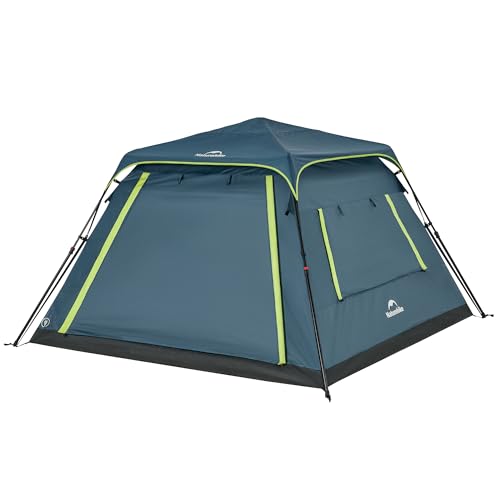
Naturehike Cape Lite Instant Cabin Tent
The Details Behind The Selections
Naturehike’s Village Instant Tent leans hard into the “pull out of the trunk, pitch in a minute” promise that defines car camping. The pre-attached pole structure means you unfold, extend, and lock without sorting separate poles or stake-then-fly sequences. For two people sharing a queen mattress and a dog crate, the cabin geometry gives usable shoulder space that a traditional dome simply cannot match.
The full-coverage rainfly and Ti Black fabric (a coated weave rated for high UV and water resistance) handle the awkward shoulder-season storms that catch casual campers off guard. You trade backcountry weight for a much calmer setup experience, which is exactly the right call for weekend trips where the campsite is the destination.
What Makes Sense
- Cabin walls create genuine stand-up height, so changing clothes does not involve crawling
- Full rainfly coverage keeps seams and zippers dry during extended drizzle
- Pre-attached frame cuts pitch time down to a minute, ideal for late arrivals
- UV-blocking fabric extends the tent’s lifespan on bright, exposed sites
- Wide rectangular footprint swallows a queen air bed plus a gear pile with room to spare
Worth Noting
- Larger packed size means it eats real trunk space, a constraint in small hatchbacks
- Coated fabric tends to need careful drying before storage to avoid mildew
Right Fit For
Couples car-camping at developed sites who prioritize livable space over weight.
Look Elsewhere When
Backpackers should consider the Naturehike KOTA instead, since its modular layers suit longer, multi-season trips far better.
The Cape series trades the Village’s boxy footprint for a tunnel shape that stretches length instead of height. For two people who travel with a lot of kit, the elongated floor lets you stage duffel bags, camp chairs, and a wet dog without blocking the sleeping area. It also keeps the peak height tall enough to walk in upright, depending on the size you pick.
Compared to the Village’s cabin walls, this layout gives you more total floor space for the same packed weight, and the pop-up frame still pitches in about a minute. Most owners find the PU3000mm-rated coating does the heavy lifting in steady rain, though you may want to seam-seal out of the box for extra confidence in prolonged storms.
Bright Spots
- Tunnel floor plan separates sleeping and gear zones cleanly
- Tall ridge line keeps headroom generous down the middle
- High waterproof rating handles serious weather without panic
- Pop-up frame keeps first-timers out of trouble at pitch time
Trade Offs
- Tunnel shape catches crosswinds more than a low dome, so staking matters
- Taller packed profile can be awkward in SUVs with shallow cargo wells
- Fabric benefits from a seam-seal pass before the first wet trip
Made For
Partners who pack like a small family and want sleeping and storage areas without crowding.
Consider Something Else When
Shoppers after a true four-season shelter should look at the Naturehike KOTA, which separates inner and outer layers for winter use.
The KOTA earns its spot as the most flexible tent in this lineup. Its double-layer design lets the inner mesh tent stand alone for stargazing on warm nights, while the outer shell doubles as a canopy or rain shelter on its own. For couples who camp across spring, summer, and shoulder winters, that modularity turns one purchase into three setups.
Vestibules and a porch extension add a covered outdoor zone, which matters when rain traps you inside for hours. Unlike the Village and Cape, both built around quick-pitch convenience, the KOTA rewards people willing to spend an extra few minutes at setup in exchange for serious weather performance and a more permanent camp feel.
Useful Touches
- Inner mesh shell works alone in dry, warm conditions
- Outer rainfly works alone as a sun shade or group canopy
- Vestibule porch creates a covered entry for muddy boots and wet dogs
- Polyester shell with high waterproof rating handles heavy rain reliably
- Frame geometry supports tall peak height for full standing
Where It May Fall Short
- Two-layer setup takes longer than the single-frame Village or Cape
- More components mean more chances to forget a stake or pole at home
Quick Facts
Who It Suits Best
Year-round campers who want one shelter that adapts from summer mesh nights to winter storm duty.
Where Another Pick Suits Better
True beginners should pick the Naturehike Cape Lite instead, since its single-frame design avoids the learning curve of a two-layer build.
The Cape Lite takes the cabin-tent formula and trims it down for people who do not want a wrestling match with poles. The square footprint fits a queen mattress with walking space around the edges, and peak height lets most campers sit upright on a camp chair inside. Setup lands in the same one-minute range as the Village, but the lighter frame makes it easier for one person to handle alone.
Where the Village pushes full rainfly coverage and the KOTA goes modular, the Cape Lite stays simple on purpose. That focus makes it a strong pick for couples new to car camping who want the cabin feel without paying for features they will not use.
Advantages To Know
- Compact cabin floor plan fits tighter sites and smaller tents
- Light enough for one person to carry from car to campsite
- Fast setup removes the intimidation factor for first-timers
- Square geometry suits queen-size air mattresses without dead space
Points To Keep In Mind
- Smaller footprint means less room for gear piles inside
- Lower peak height may feel tight for taller campers standing upright
Best Suited To
New campers and couples running short weekend trips who value a hassle-free pitch over maximum space.
Skip It When
You need true four-season performance, in which case the Naturehike KOTA serves better.
Picking A Dome 2 Person Tent That Actually Fits
Size And Standing Room
A two-person tent only feels right when you can both sit up without bumping heads and move around the sleeping pads. Cabin and tunnel shapes deliver more usable volume per square foot than classic domes, which is why car-camping couples tend to prefer them. Measure your mattress first, then look for a footprint that adds at least a foot of clearance on each side.
Weather Performance You Can Trust
Waterproof ratings above 2000mm handle steady rain, and a full-coverage rainfly keeps seams and zippers out of direct weather. Double-layer designs add real insurance during extended storms and cold nights, while single-layer cabins stay lighter and faster to pitch. Match the shelter to your typical conditions, not the worst storm you have ever camped through.
Setup Style And Storage Habits
Instant tents with pre-attached frames trade weight and pack size for speed at the campsite. If you arrive tired after a long drive, that trade is usually worth it. Make sure your vehicle can swallow the packed bag, and plan to dry the tent fully before long-term storage to avoid mildew and coating damage.
Smart Buying Advice For Dome 2 Person Tents
Pitfalls Shoppers Hit
The most common mistake is buying a tent rated for two people and expecting actual living room. Manufacturer “two-person” labels assume two sleeping pads touching shoulder to shoulder, with no room for gear or movement. Plan for a size upgrade whenever you can, and verify footprint dimensions against your mattress plus any gear you keep inside.
When Paying More Pays Off
Premium tents earn their price through better fabrics, stronger frames, and smarter ventilation. You see the payoff in wet weather, gusty sites, and years of repeated trips. For casual summer weekends, a simpler shelter gets the job done, but couples who camp across multiple seasons benefit from upgraded waterproofing and double-layer construction.
Frequently Asked Questions
How Big Should A Dome 2 Person Tent Actually Be?
Look for a footprint that fits your sleeping pads with at least a foot of margin on each side, plus enough peak height for both of you to sit upright. A 4- or 6-person capacity rating usually reflects real-world comfort for two adults plus gear.
Are Instant Tents Worth The Extra Weight?
For car camping, yes, since the weight penalty shows up in your trunk rather than on your back. The time saved at setup matters more than the pounds saved when you park close to the site.
Do These Tents Hold Up In Heavy Rain?
Models with waterproof ratings above 2000mm and full-coverage rainflies handle most sustained storms well. Sealing the seams out of the box adds extra insurance, especially in older or budget-oriented builds.
Can One Person Pitch A Dome 2 Person Tent?
Yes, the instant designs in this roundup pitch in roughly a minute with one person, thanks to pre-attached frames. Double-layer models take longer because you assemble two shells.
What Maintenance Do These Tents Need?
Dry the tent fully before storage, brush off dirt and pine sap, and inspect seams before each season. A simple re-sealing every couple of years extends waterproof performance noticeably.
Final Take
Any of these four shelters handles a couple’s weekend trip without drama, and the right pick comes down to how and when you camp. Newcomers and short-trip regulars get a smooth start with the Cape Lite, year-round campers stretch further with the KOTA, and car-campers chasing space and quick setup land well on the Village or Cape. Match the tent to your climate and your typical loadout, and the rest tends to work itself out.