
A running harness sits at the intersection of safety and freedom on every trail, sidewalk sprint, and park loop you share with your dog. Unlike a standard collar that concentrates force on the throat, a chest harness spreads pressure across the sternum and shoulders, which matters when a leash goes taut mid-sprint. Runners, hikers, and multi-dog households all face the same question: which design actually stays put when the pace picks up.
The Leading Options At A Glance

Ruffwear Front Range Dog Chest Harness (Medium)

EcoBark Luxury Step in Mesh Dog Harness (Forest Green)
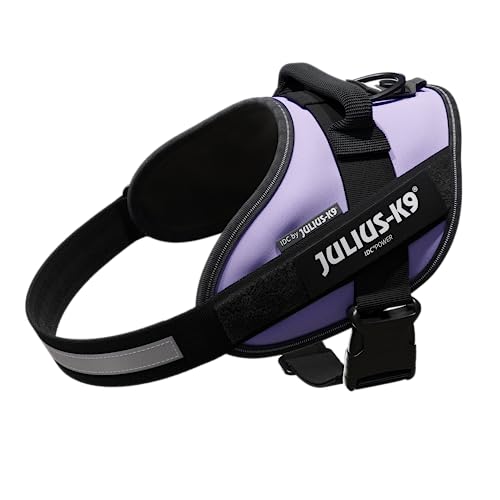
Julius-K9 IDC Powerharness Size 0 (Purple)

Ruffwear Web Master Multi-Use Support Harness (Small)

Ruffwear Flagline Dog Body Harness (Basalt Gray)

rabbitgoo No Pull Dog Harness with 2 Leash Clips

Ruffwear Hi & Light Dog Chest Harness (Small)
A Deeper Look At The Lineup
The Front Range has quietly become a go-to for owners who split their time between neighborhood walks and weekend trailheads, and the reason shows up in the hardware. Two leash attachment points, an aluminum V-ring on the back and a reinforced webbing loop on the chest, give you the choice between a standard rear-clip setup and a front-clip mode for dogs that lean into the leash. The shell uses a padded chest panel that spreads load across the sternum rather than the throat.
Compared to the heavier Julius-K9 option further down this list, the Front Range feels closer to a daily driver: lighter on the dog, easier to slip on, and forgiving across body types once you dial in the four adjustment points. For most medium breeds in the 30 to 60 pound range, the fit lands somewhere in the middle of Ruffwear’s sizing grid.
Reasons It Performs
- Two attachment points let you switch from casual walks to no-pull steering without swapping gear.
- Aluminum V-ring stays cool to the touch and resists corrosion through wet-weather runs.
- Padded chest panel reduces chafing on long-distance outings where a dog moves continuously.
- Four adjustment points create a stable fit across deep-chested and barrel-chested breeds.
Trade-Offs Worth Knowing
- The fabric shell holds trail dust and mud, so plan on occasional hand-washing to keep the lining fresh.
- Front-clip redirection takes a short training window for dogs accustomed to a back clip.
Made For
Medium-breed owners who run a mix of pavement and dirt and want one harness that handles both without a swap.
Swap It Out When
You run with a small toy breed, where the EcoBark step-in mesh offers a lighter, less bulky fit.
Small dogs and squirmy puppies pose a fitting problem that step-in harnesses solve in a different way than the over-the-head style on the Ruffwear Front Range. You lay the EcoBark flat, set the dog’s front paws into the two openings, then buckle the closure along the back. No lifting the head through a collar hole, which is a relief during the in-and-out cycles of a puppy’s first leash sessions.
The mesh shell is the headline feature here. Air moves through the fabric on humid days, and the vest cuts across the chest instead of wrapping the throat, so a sudden lunge at a squirrel redirects forward rather than choking. Sizes run from XXXS at 2 to 3 pounds through XXS at 4 to 5 pounds, which covers the toy-breed and young-puppy window most harnesses skip past.
Real Benefits
- Step-in design removes the head-over-head motion that spooks many small dogs.
- Mesh ventilation prevents the damp back-chest rub common in padded harnesses on warm days.
- Vest cut spreads leash force across the ribcage instead of the neck.
Honest Caveats
- Mesh dries fast but can snag on rough bark or thorny brush during trail walks.
- Size range tops out around 5 pounds, so any dog above that bracket needs a different harness entirely.
- Step-in buckles take a few extra seconds compared to a clip-over-head design when your dog is wiggling.
Feature Snapshot
Right Fit For
Toy-breed owners and anyone introducing a young puppy to a leash without the head-over-head wrestling match.
Consider Something Else When
Your dog is in the medium range, where the Ruffwear Hi & Light offers a similarly light build in larger sizes.
Julius-K9 built its name in working-dog circles, and the IDC Powerharness still carries that lineage. The harness is manufactured in Europe from German materials, and the chest panel is rigid enough to keep its shape when a 70-pound shepherd leans hard into the leash. Reflective edging runs along the sides and across the chest strap, which adds a margin of visibility on early-morning road runs.
The Size 0 designation targets smaller-framed working dogs and mid-weight pets, though Julius-K9’s sizing skews roomier than American brands. Unlike the soft-shell Ruffwear Front Range, this harness has a structured body that distributes load across the ribcage rather than flexing with the dog’s stride.
A Few Strong Suits
- Rigid chest panel keeps the harness from collapsing sideways when a dog pulls.
- Reflective trim along the chest and sides improves low-light visibility on road runs.
- European construction with interchange-friendly hook-and-loop panels on the sides.
Factors To Consider
- Bulkier than the Ruffwear options, so smaller or short-coated breeds may rub at the chest seams over time.
- Sizing runs large, so measure your dog’s girth carefully before settling on Size 0.
- Structured shell holds heat in summer, making it less ideal for warm-climate jogging.
Feature Card
Whose Shelf It Belongs On
Owners of strong pullers, mid-to-large working breeds, or anyone running on roads before sunrise.
A Better Fit Elsewhere
Casual small-dog owners will find the rabbitgoo harness lighter and easier on the budget for everyday walks.
The Web Master sits in a different lane from the rest of this list. Where most running harnesses assume a dog is moving under their own power, this one is built for situations where you need to help: boosting a dog over a fallen log, lifting an older pet up stairs, or guiding a service animal through tight spaces. The padded, reinforced handle on the back is the giveaway feature.
Five adjustment points spread along the harness create a tailored fit across deep-chested and barrel-chested frames, while the anodized aluminum V-ring and webbing loop give you a redundant leash attachment setup. The Red Currant color is one of several options in the line. Compared to the Front Range, the Web Master runs heavier and more structured, but the extra material is the point.
Standout Benefits
- Lift-and-assist handle makes terrain obstacles manageable for older or mobility-limited dogs.
- Five adjustment points deliver a fine-tuned fit across varied body shapes.
- Anodized aluminum hardware resists corrosion on wet hikes and stream crossings.
- Suitable for service dog handlers, working dogs, and amputee dogs needing torso support.
Some Limits To Know
- Heavier than the Front Range, so it sits less naturally on a dog during all-day casual wear.
- Higher material coverage can trap heat in summer hiking conditions.
Key Product Details
Best Suited To
Hikers, service dog handlers, and owners of senior dogs who occasionally need a boost over rough ground.
Look Elsewhere When
You want a stripped-down harness for fast running, where the Ruffwear Flagline trims weight considerably.
Trail runners and joggers tend to want the least possible material between the dog and the trail, which is exactly the brief the Flagline was designed around. The body uses a minimalist shell that sits along the back without bulky padding across the chest, freeing up shoulder movement during an extended stride. For owners logging weekly miles, that freedom translates into a noticeable difference over the heavier Web Master.
The Basalt Gray colorway is a low-visibility option for dogs that hunt or trail-run in terrain where bright colors draw attention. Sizing spans small through large, so the build philosophy carries across breeds. Compared to the EcoBark on tiny dogs, this is the adult-dog counterpart for runners who want minimum hardware.
Key Advantages
- Minimalist shell allows natural shoulder rotation during sustained running.
- Lightweight construction reduces fatigue over long-distance outings.
- Basalt Gray colorway stays subtle on natural terrain.
- Compatible across small, medium, and large breeds in the size run.
Practical Considerations
- Minimal padding means less chest cushioning when a dog suddenly lunges on a taut leash.
- Lighter materials may wear faster than the reinforced Web Master on abrasive brush.
Who Will Love This
Trail runners and distance joggers who want minimum bulk and maximum stride freedom on every outing.
Skip It When
Your dog needs a lift handle or service-style support, where the Ruffwear Web Master offers that capability.
Large-breed training often lands owners in an awkward price bracket, where premium harnesses feel like overkill for a dog still learning leash manners. The rabbitgoo harness fills that gap with two leash clips, one on the back for standard walks and one on the chest for no-pull steering, at a price point that’s easier to stomach for a first-time harness. The vest cut spreads pressure across the chest rather than the throat.
Sizing covers medium to large breeds like Huskies, Labradors, German Shepherds, and similar builds. Compared to the structured Julius-K9 Powerharness, the rabbitgoo is softer and more flexible, which works fine for most dogs but lacks the rigid chest plate strong pullers sometimes need.
Good Reasons To Consider
- Two clips give you a no-pull training option without buying a separate front-clip harness.
- Vest construction distributes leash force across the chest rather than the neck.
- Lower price point compared to premium brands for households running multiple harnesses.
- Sizing range covers common medium and large breeds.
Details To Watch
- Soft shell lacks the rigid chest plate that very strong pullers sometimes need for steering control.
- Fabric can absorb water during rainy walks, adding weight until it dries.
Spec Overview
Perfect Match For
Large-breed owners working on leash manners who want a no-pull front clip without the premium price.
Where A Sibling Pick Shines
For very strong pullers, the Julius-K9 IDC Powerharness offers a more rigid chest plate for serious steering.
The Hi & Light is Ruffwear’s answer for small dogs, puppies, and any pup that moves fast enough that extra material becomes a drag. Built for trail running, hiking, and everyday walks, the harness uses a minimalist chest panel and reduced webbing to keep the overall weight down. The Alpenglow Pink colorway is one of several bright options in the line.
Compared to the EcoBark step-in mesh, the Hi & Light uses a clip-over-head design and lands more in the running-harness category than the casual-walk category. The trade-off is slightly more effort to put on, in exchange for a more secure fit during active movement.
Useful Highlights
- Minimalist build keeps the harness light enough for fast-moving small dogs.
- Alpenglow Pink adds visibility on dim trail runs.
- Designed specifically for trail running, hiking, and active small-breed use.
Less-Strong Areas
- Minimal padding offers less cushioning during sudden lunges compared to the padded Front Range.
- Clip-over-head style takes a few extra seconds compared to a step-in harness during puppy fittings.
Who Should Grab It
Small-breed owners who run or hike with their dogs and want a purpose-built harness rather than a scaled-down adult model.
Reach For A Different Pick When
Casual neighborhood walks are the main use, where the EcoBark step-in mesh offers easier on-and-off for tiny pups.
What To Weigh Before Choosing A Running Harness
A running harness needs to fit your dog’s stride, not just your dog’s body. The first thing to weigh is chest coverage: a vest-style panel spreads pressure across the sternum and ribcage, while a basic halter concentrates force on narrower points. For dogs that pull, a front-clip attachment redirects sideways and reduces the strain on your shoulder and their neck.
Fit is the next non-negotiable. Measure your dog’s girth at the widest point behind the front legs, and check the manufacturer’s sizing chart rather than guessing by breed. A harness that’s too loose shifts during a sprint, and one that’s too tight restricts breathing. You should be able to slide two fingers under each strap.
Material choice matters more than people expect. Breathable mesh handles hot-weather runs but snags on rough brush, while padded nylon stays comfortable on long outings but traps heat in summer. Reflective edging adds visibility for early-morning road runs, and reinforced handles make sense for older dogs or terrain that requires occasional boosts.
If your dog is a strong puller, consider a model with a front-clip option alongside the standard back clip. The leash attaches at the chest, steering the dog back toward you whenever tension builds. For working roles, service tasks, or senior dogs needing lift support, a structured harness with a top handle makes the difference between managing an obstacle and getting stuck on one.
Key Considerations Across These Picks
Mistakes Worth Dodging
Choosing by breed alone is one of the common traps. A Husky and a Border Collie may share a weight class, but their chest shapes are different, and a harness that fits one can rub or shift on the other. Measuring girth at the widest point of the ribcage beats any breed-name shortcut.
Sizing up to “grow into” is another slip-up. A loose harness shifts during a sprint, which trains your dog to lean against it and makes pulling worse. A snug fit that allows two fingers under each strap is the target.
What The Higher Tier Buys
Premium harnesses tend to spend the extra weight budget on hardware. Anodized aluminum V-rings, reinforced stitching at stress points, and structured chest panels all cost more to manufacture than soft nylon and plastic clips. For daily casual walks, the budget tier handles the job. For trail running, service work, or dogs that pull hard, the upgrade shows up in durability and steering control over months of use.
Frequently Asked Questions
How do I measure my dog for a running harness? Wrap a soft tape measure around the widest part of your dog’s chest, just behind the front legs. Compare that girth to the manufacturer’s sizing chart rather than guessing by weight or breed.
What’s the difference between a back-clip and a front-clip harness? A back clip attaches the leash at the shoulders and works well for relaxed walking. A front clip sits on the chest and redirects a pulling dog sideways, which makes it useful for training but less comfortable for sustained running.
Can small dogs use running harnesses? Yes, and they often benefit more than large breeds. Small dogs have delicate tracheas, and a chest harness removes the throat pressure that collars create during a sudden lunge.
Are mesh harnesses durable enough for trail running? Mesh breathes well but can snag on thorns or rough bark. For technical trails, a nylon harness with reinforced stitching tends to hold up better over months of use.
How often should I replace a running harness? Inspect the stitching, buckles, and leash attachment points monthly. Replace the harness as soon as you see fraying webbing, cracked buckles, or a stretched fit that no longer holds adjustment.
Closing Remarks
The right running harness depends less on your dog’s breed and more on how the two of you actually move together. Start with the fit, then weigh the features that match your routine: a front clip for pullers, a top handle for terrain, a featherweight build for distance. The picks above cover the most common combinations, and any of them will get the job done once you’ve matched the design to the dog.