
A yard that demands hours of mowing eats into weekends, and the wrong machine makes it worse. Zero-turn mowers shave time off wide, open lawns, but the category spans full-size riders, electric platforms, support lifts, replacement tires, and even push reels for tighter patches. Picking among them gets confusing fast.
This list breaks down seven distinct picks, including two full machines, a maintenance lift, three flat-free tire upgrades, and a manual reel. Whether you manage a couple of acres or just want the front strip trimmed cleanly, the right match depends on deck size, power source, terrain, and how much storage space you have to spare.
The Main Contenders
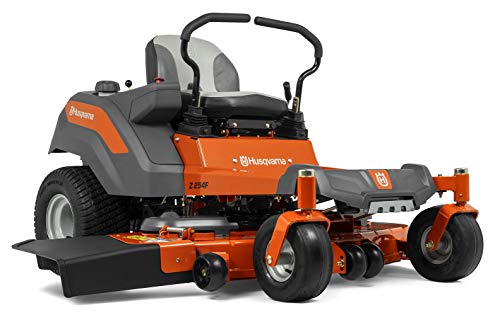
Husqvarna Z254F 54″ 23HP Kawasaki Zero-Turn Riding Mower

MoJack EZ MAX 45001 Riding Lawn Mower Lift Jack 450 lb

GICOOL 11×4.00-5″ Flat Free Tire and Wheel 2-Pack

GICOOL 13×5.00-6 Flat Free Tire and Wheel

EGO Power+ Z6 Zero-Turn Electric Riding Mower ZT5216L 52″
GICOOL 13×6.50-6 Flat Free Tire and Wheel
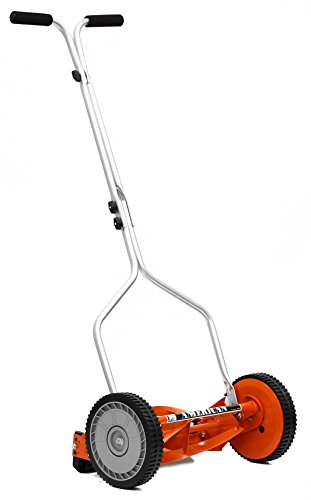
American Lawn Mower 1204-14 14-Inch 4-Blade Push Reel
A Breakdown Of The Leading Choices
The Husqvarna Z254F is the kind of machine that makes a two-acre lawn feel half its size. A 23-horsepower Kawasaki engine sits behind a 54-inch ClearCut fabricated deck, which means each pass covers more ground than most residential riders can touch. The hydrostatic transmission is what gives a zero-turn its name: each rear wheel is driven independently, so the mower pivots inside its own footprint around landscaping, trees, and fence posts.
For homeowners with wide, mostly flat yards who want to cut mowing time in half, this is the easy recommendation. The deck lift is positioned for quick height adjustments on the fly, which matters when you transition from open lawn to thicker patches near the curb. Compared to the compact reel mower further down this list, the Z254F trades quiet operation for raw coverage and speed.
Advantages To Know
- 54-inch deck covers wide rows in fewer passes, useful for open lots over an acre.
- Independent hydrostatic rear-wheel drive gives the tight turning radius the category is named for.
- Kawasaki engine is a known workhorse in outdoor power equipment, commonly praised for longevity in residential use.
- Deck lift lever is positioned for on-the-fly changes without leaving the seat.
Things To Consider
- Storage footprint is large: measure your shed door before committing.
- Gas engine means routine oil changes, air filter swaps, and seasonal fuel stabilizer.
- Not designed for steep slopes; the wide stance can feel tippy past moderate grades.
Who It Suits Best
Homeowners with one to three flat acres who mow weekly and want a true zero-turn, not a lawn tractor.
Where Another Pick Suits Better
For a quiet, fuel-free approach on smaller lots, the EGO Power+ Z6 Zero-Turn Electric Riding Lawn Mower ZT5216L is a better fit.
Owning a zero-turn is one thing. Sharpening its blades, swapping its deck belt, or cleaning caked grass off the underside is another. The MoJack EZ MAX solves the part no one likes: getting the front end off the ground safely. Rated to lift up to 450 pounds at the front wheels, it cradles residential zero-turns and lawn tractors so you can roll under the deck without a floor jack and a prayer.
The lift folds down for storage against a wall, which matters more than it sounds once you measure a typical garage. For homeowners who service their own equipment, this turns a 90-minute frustration into a 20-minute job. Compared to the Husqvarna Z254F reviewed above, the MoJack is the supporting cast: it doesn’t cut grass, but it keeps the cutter running cleanly.
Reasons It Performs
- Raises the front wheels to a comfortable working height for blade swaps and deck scraping.
- Fits a wide range of residential zero-turns and lawn tractors within its wheel-measurement spec.
- Folding design stores flat against a wall when not in use.
- Safer than improvised lifting with a floor jack and cinder blocks, which owners commonly warn against.
Worth Noting
- Requires careful measurement of your mower’s outside front wheel spread before purchase.
- Meant for front-end service only; not a full vehicle lift for transmission work.
- Wheels on the lift itself can scuff a finished garage floor under load.
Made For
DIY homeowners who sharpen blades, replace belts, and clean undercarriages on their own rider.
Consider Something Else When
For routine tire swaps instead of undercarriage work, the GICOOL 13×5.00-6 Flat Free Tire and Wheel is the more useful add-on.
Flat front casters turn a smooth zero-turn into a jittery, scalp-prone ride. The GICOOL 11×4.00-5 flat-free tire and wheel assembly replaces pneumatic (air-filled) front wheels with a solid PU foam core, so thorns, screws, and curb edges stop being a mid-mow emergency. The smooth tread pattern suits manicured lawns where aggressive lugs would chew up the turf.
This is a service part, not a mower, so its place on a roundup like this is about keeping your existing zero-turn running like it should. The 2-pack covers both front casters at once, which is usually the right move since they wear evenly. Check the existing sidewall marking and the hub length on your current wheels before ordering, because the included adapter range covers common bore sizes but not every machine.
Useful Touches
- Flat-free foam core eliminates downtime from slow leaks and nail punctures during mowing season.
- Smooth tread is gentle on finished lawns, unlike deeper lug patterns.
- Two-pack format matches the typical front-cerer replacement on most residential zero-turns.
- Compatible with several common ZTR models through the included adapter kit.
Room For Improvement
- Solid foam rides firmer than pneumatic, so you’ll feel more vibration over rough ground.
- Hub-length compatibility has limits; confirm the bore and centered hub before ordering.
Feature Snapshot
Right Fit For
Homeowners replacing dried-out or weather-checked front casters on common residential zero-turns.
A Better Fit Elsewhere
For drive-tire replacement with a larger footprint, the GICOOL 13×6.50-6 Flat Free Tire and Wheel is the step up.
The 13×5.00-6 size is the standard drive-tire format on many mid-sized residential zero-turns, and this GICOOL kit brings the same flat-free approach as the front-tire set above. Solid PU foam eliminates flats, and the included universal adapter kit adjusts the hub length to fit a wider range of axles than the smaller 11-inch front tire supports.
Think of this as the everyday wheel refresh for someone who keeps their ZTR past year five, when the original pneumatic tires start checking and dry-rotting. For homeowners tired of airing up tires every spring, this swaps the chore for a one-time install. Compared to the Husqvarna Z254F, which ships with factory wheels, this is the upgrade you bolt on later.
Positive Points
- Solid foam construction resists punctures from thorns, glass, and fencing staples.
- Universal hub adapter spans 3.25″ to 5.9″, broadening fit across popular ZTR models.
- Maintenance-free once installed: no pressure checks, no seasonal airing up.
Trade Offs
- Heavier than pneumatic equivalents, which can slightly raise the unsprung weight on smaller mowers.
- Foam cores transmit more bump feedback to the chassis on uneven terrain.
- Not a direct bolt-on for every model; verify hub and bore measurements before purchase.
Best Suited To
Owners of mid-sized residential zero-turns replacing dry-rotted drive tires on machines with 13-inch rear wheels.
Skip It When
For front casters on the same machine, the GICOOL 11×4.00-5 Flat Free Tire and Wheel 2-Pack is the matching upgrade.
The EGO Power+ Z6 is what happens when a battery platform grows up. It runs on multiple 56V ARC Lithium batteries, with the included six-pack configuration delivering claimed output equivalent to a 27-horsepower gas engine. The 52-inch deck sits between the Husqvarna Z254F and a compact tractor in width, and the wide frame design is built for stability on slopes.
This is the pick for homeowners who want a true zero-turn without the gas can, the oil change, or the engine noise. The mower cuts up to three acres per charge with the included battery configuration, which covers most suburban lots. Compared to the gas Husqvarna reviewed earlier, the trade is straightforward: instant starts, quieter operation, and no exhaust, in exchange for managing charge cycles and a higher upfront cost.
A Favorable Mix
- Battery platform delivers gas-comparable cutting power without engine maintenance.
- Quiet enough that early weekend mowing won’t draw neighborhood complaints.
- Wide frame design improves balance on moderate slopes versus narrower zero-turns.
- 52-inch deck strikes a balance between the 54-inch Husqvarna and a smaller tractor.
Points To Note
- Battery charging infrastructure matters: plan garage space for charger and battery rotation.
- Runtime scales with battery configuration and grass thickness, so dense spring growth may finish a charge quickly.
- Replacement battery cost is the long-term ownership question to weigh.
Key Specs
Whose Lawn It Belongs On
Suburban homeowners with one to three acres who want a quiet, low-maintenance alternative to gas zero-turns.
Look Elsewhere When
For a smaller, much quieter option on a tight lot, the American lawn Mower 1204-14 push reel is far more practical.
Step up from the 13×5.00-6 to the 13×6.50-6, and the tire gets an extra 1.5 inches of width. On a zero-turn, that translates to a larger contact patch, better lateral stability on hillsides, and less turf tearing during sharp zero-degree pivots. The GICOOL 13×6.50-6 keeps the flat-free foam construction, so the maintenance story stays the same.
This is the right replacement tire for larger residential and light-commercial zero-turns that came from the factory with wider rear wheels. For owners running their mower on sloped or uneven ground, the wider footprint is a real upgrade, not just a cosmetic swap. Compared to the narrower 13×5.00-6 reviewed above, the difference shows up where traction matters most.
Where It Excels
- Wider 6.50-inch section improves grip on slopes and damp grass.
- Solid PU foam core resists punctures from thorns, gravel, and sharp yard debris.
- Hub adjustment range covers common residential and light-commercial axle setups.
Honest Caveats
- Heavier than narrower alternatives, which may slightly affect smaller mowers’ handling.
- Not universal: confirm your existing tire size and hub length before ordering.
Who Should Grab It
Owners of larger residential or prosumer zero-turns needing wider drive tires for traction on slopes.
Swap It Out When
For smaller mid-duty machines, the GICOOL 13×5.00-6 Flat Free Tire and Wheel is the lighter alternative.
The American Lawn Mower 1204-14 looks like it belongs in a different category, and it does. A 14-inch cutting width, four-blade reel, and roughly 19-pound curb weight make this a different tool entirely from the riding mowers earlier on this list. For a townhouse strip, a small front yard, or a tidy side lawn, a push reel is faster, quieter, and kinder to turf than any powered machine.
Reel mowers cut grass with a scissor action rather than tearing it, so the lawn stays cleaner and recovers faster. There’s no fuel, no cord, no battery, and the only maintenance is a yearly blade sharpening. Compared to the EGO Power+ Z6 above, this is the anti-machine: slow, deliberate, and a genuinely different ownership experience.
What Stands Out
- Manual operation means zero fuel cost, zero battery charging, and zero noise.
- Lightweight design (around 19 pounds) is easy to push, store, and hang on a garage wall.
- Scissor-style reel cut is widely reported to keep turf cleaner than rotary blades.
Small Caveats
- 14-inch width means more passes on anything over a small patch.
- Less effective on grass over four inches tall; frequent mowing is part of the routine.
- Not the right tool for uneven, weedy, or rough ground.
Quick Facts
Perfect Match For
Apartment dwellers, townhouse owners, and homeowners with a small, tidy patch who want the simplest possible mowing routine.
Another Choice May Suit
For larger properties needing a riding solution, the Husqvarna Z254F 54-inch zero-turn is the practical jump up.
What To Weigh Before Choosing Cutting Zero Turn Mowers
Deck width is the single biggest driver of mowing time. A 52- or 54-inch deck covers wide, open lawns quickly, while anything below 42 inches means more passes on properties over half an acre. For lots under a quarter acre, that extra width doesn’t pay back in time saved, so a compact reel or smaller walk-behind can be the smarter call.
Power source shapes the ownership experience more than most shoppers expect. Gas engines deliver steady runtime and higher torque for thick spring growth, but they need oil changes, fuel stabilizer, and winter prep. Battery platforms cut the noise and the maintenance, but runtime scales with grass density and battery configuration, so plan charging space and consider how you’ll store batteries off-season.
Tires and lift equipment don’t matter until they do. Once a pneumatic tire dry-rots or a blade needs swapping, the right accessory turns a frustrating day into a 20-minute job. Measure your existing wheel and hub before ordering replacements, and verify lift capacity against your mower’s front-end weight before trusting a jack under it.
Slope, terrain, and storage are the practical constraints that often decide between two otherwise similar picks. A wide-frame electric zero-turn handles moderate hills better than a narrow gas machine, and a 54-inch rider simply won’t fit through a standard shed door. Match the machine to the yard, the storage space you actually have, and how often you realistically want to perform maintenance.
Common Slip Ups Shoppers Run Into
Pitfalls Shoppers Hit
Buying a wide-deck machine without measuring the storage door first is the single most common regret. A 54-inch rider might cover more ground per pass, but if it lives outside under a tarp, you’re shortening the life of an expensive machine.
Where The Extra Money Goes
Premium machines in this category typically add heavier fabricated decks, higher torque engines, and stronger frame designs that hold up to weekly commercial-style use. For homeowners mowing once a week on flat suburban lots, the upgrade often pays back in durability over years, not months. For occasional weekend use on small properties, that premium goes unused.
Frequently Asked Questions
How wide of a deck do you really need?
Match deck width to lot size. Under half an acre works fine with a 42-inch or smaller deck, while one to three acres benefits from a 52- or 54-inch deck to keep mowing time reasonable. Wider isn’t always better if your yard has narrow side passages or tight gates.
Are battery zero-turns ready for large properties?
Battery platforms have grown up considerably, and current models cover up to several acres per charge. The honest read is that runtime depends on grass thickness, terrain, and battery configuration, so plan for charging logistics if your lot sits at the upper edge of the mower’s rated range.
How often do zero-turn mower blades need sharpening?
Plan on sharpening once or twice per mowing season under normal residential use. Hitting gravel, stumps, or hidden debris shortens that interval, so it’s worth checking the blade edge if cut quality suddenly drops.
Can you service a zero-turn without a lift?
Simple jobs like tire swaps, air filter changes, and battery access don’t require a lift. Blade sharpening, belt replacement, and deck cleaning are much easier with a mower lift, and the MoJack-style jack pays for itself the first time you use it.
When does a push reel make more sense than a rider?
For lawns under roughly 1,500 square feet, a push reel is faster in real-world use than wrestling a rider out of storage. Reels also suit townhouse strips and side yards where a rider simply won’t fit.
Wrap Up
The right cutting zero-turn mower depends on the size of your lawn, the terrain, your tolerance for maintenance, and the storage space you actually have. For wide open lots, the Husqvarna Z254F or the EGO Power+ Z6 deliver the coverage and speed that justify the investment. For tighter spaces and simpler routines, the American Lawn Mower push reel keeps things genuinely easy, while the GICOOL tires and MoJack lift keep your existing machine running like it should.