
Mowing the lawn doesn’t have to mean roaring engines and exhaust fumes. Cordless reel mowers trade gas and tangled cords for quiet, clean cutting that works beautifully on small and mid-sized lawns. Whether you’re trimming a tidy city patch or maintaining a larger suburban yard, the right pick saves you effort and keeps the neighbors happy.
The Main Contenders
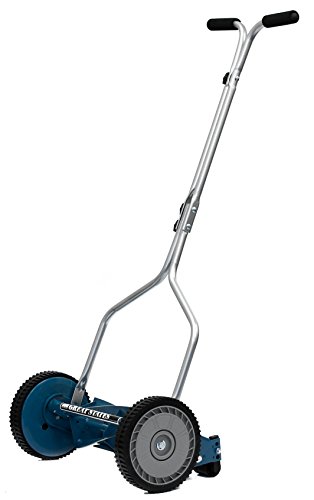
Great States 204-14 Hand Reel 14 Inch Push Lawn Mower

Scotts 304-14S 14-Inch 5-Blade Push Reel Lawn Mower (Green)
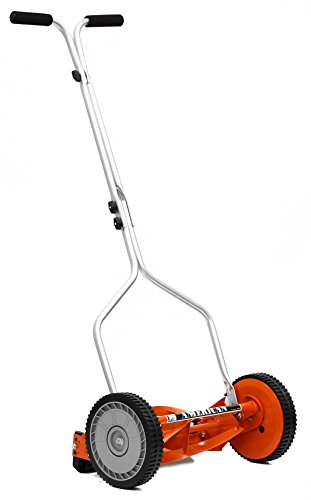
American Lawn Mower 1204-14 14-Inch 4-Blade Push Reel Lawn Mower (Red)

Litheli 40V Cordless Battery Push Lawn Mower

Honda HRX-BE 21-Inch Battery Powered Lawn Mower
What Each Pick Brings To The Table
Push reel mowers like the Great States 204-14 strip mowing down to its bare essentials. There’s no motor, no battery, no pull cord: just your legs doing the work and a set of curved blades snipping each grass blade against a stationary bedknife.
For a tidy city lot or a postage-stamp backyard, that simplicity is the whole appeal. You roll it out of the garage, push, and you’re done. Compared to the Scotts and American Lawn Mower picks below, this one trades blade count and height range for the lightest possible footprint.
What Earns Its Place
- Zero operating cost beyond your own effort, since no fuel or charging is involved.
- Quiet enough for early-morning mows without waking the block.
- Scissor-like cutting action that keeps grass tips from tearing.
- Compact frame stores easily in tight garage corners.
Things To Consider
- Tall or wet grass can bog the blades down, so frequent mowing helps.
- Manual effort means larger yards wear you out fast.
At A Glance
Right Fit For
Homeowners with a flat, compact lawn under roughly 1,000 square feet who want the absolute simplest mower possible.
Look Elsewhere When
Switch to the Honda HRX-BE 21-Inch Battery Powered Lawn Mower if your yard stretches well past a quarter acre.
The Scotts 304-14S leans into what a reel mower does best: a precise scissor cut. Where the Great States 204-14 above keeps things stripped-down, Scotts adds a five-blade reel and a height range from a half inch up to one and three-quarter inches.
That extra blade density pays off on cool-season grasses like Kentucky bluegrass and fescue, where finer cuts look noticeably crisper. You push it the same way, but the cut feels more polished when the grass is healthy and dry.
What Pays Off
- Five heat-treated alloy steel blades hold an edge longer than softer steels.
- Ball-bearing reel keeps the cut smooth without sticking.
- Cushioned T-handle reduces hand fatigue on longer sessions.
- Wide height range handles everything from tight greens-cut to casual suburban length.
Trade Offs
- Heavier than the American Lawn Mower pick below.
- Tool-less assembly still requires a bit of patience out of the box.
Who Will Love This
Cool-climate gardeners with thin-bladed turf who want a sharper finish than a basic four-blade reel offers.
Reach For A Different Pick When
Pick the Litheli 40V Cordless Battery Push Lawn Mower if your grass gets thick or you want power assist.
At roughly 19 pounds, the American Lawn Mower 1204-14 is the featherweight of this roundup. The polymer wheels and stripped-back frame make it feel more like pushing a carpet sweeper than operating yard equipment.
That lightness is genuine help on uneven ground or lawns with tight corners. Compared to the Scotts 304-14S above, you sacrifice one blade and a touch of build sturdiness for a mower that’s easy to muscle around garden beds.
Points In Its Favor
- ~19 lb frame makes it approachable for almost anyone.
- 8.5-inch polymer wheels roll smoothly without scuffing.
- Adjustable height from 0.5 to 1.75 inches handles most lawn styles.
Honest Caveats
- Four-blade reel is gentler on grass but slower on tall, thick growth.
- Polymer wheels can feel light on hillsides with damp soil.
- Some owners note that blade tuning takes patience after storage.
Feature Snapshot
Built With In Mind
Anyone with mobility concerns, a small irregular yard, or simply a preference for the lightest possible mower.
Swap It Out When
Move up to the Scotts 304-14S 14-Inch 5-Blade Push Reel Lawn Mower if you want a tighter cut on cool-season turf.
The Litheli 40V trades a bit of old-school simplicity for genuine electric assist. A 40-volt battery spins the blade while you walk, which is a different beast entirely from the manual reels above.
Think of it as the bridge pick: lighter and quieter than a gas mower, but far less work than pushing a pure reel. For lawns with mixed grass types or patchy thickness, the motor carries the load your legs would otherwise absorb.
The Helpful Details
- Cordless operation means no extension cords or gas cans.
- 40V battery delivers more cutting torque than a manual reel.
- Push-mower footprint stays slim for tight side yards.
Softer Spots
- Battery runtime depends on grass thickness and cutting height.
- Replacement batteries add long-term ownership cost.
- Charging time between sessions can interrupt weekend schedules.
- Heavier than manual reels, so storage planning matters.
Best Suited To
Homeowners with mid-sized lawns and thicker grass who want electric convenience without stepping up to a premium walk-behind.
Consider Something Else When
Step down to the American Lawn Mower 1204-14 14-Inch 4-Blade Push Reel Lawn Mower if you want zero charging and almost zero weight.
The Honda HRX-BE is the heavyweight of this list, both in deck size and ambition. A 21-inch cutting width and Honda’s motor tuning put it in a different category from every reel mower above.
Where the manual options reward small lawns, this one is built for serious coverage. It’s a strong fit for a yard that pushes past a quarter acre, or for anyone who wants a battery platform with mulching and bagging built in rather than retrofitted.
Where It Helps
- 21-inch deck finishes larger yards in fewer passes.
- Battery drive keeps torque steady under heavy load.
- Wide deck suits lawns with open stretches and minimal obstacles.
Practical Considerations
- Costs more than every other pick on this list.
- Bulkier to store in standard garage corners.
- Battery and charger logistics matter more at this scale.
Quick Facts
Made For
Homeowners with larger lawns who want a battery-powered walk-behind and don’t mind paying for Honda build quality.
A Better Fit Elsewhere
Choose the Litheli 40V Cordless Battery Push Lawn Mower for smaller spaces where a 21-inch deck feels oversized.
Picking The Right Reel Mower For Your Yard
A reel mower is only as good as its fit for your grass and your ground. Matching the mower to your lawn saves you frustration every weekend you push it out.
Cutting Width Versus Yard Size. A 14-inch deck, like the three manual picks above, covers narrow paths and small lots without strain. Wider 21-inch decks, like the Honda HRX-BE, finish larger yards in fewer passes but feel bulky in tight corners.
Blade Count And Grass Type. Reel mower blade count (the number of curved cutting blades on the spinning cylinder) ranges from four to seven in most consumer models. Lower counts handle everyday turf fine, while five- or seven-blade reels give a cleaner cut on bent grass, Bermuda, and other fine-bladed varieties. Think of blade count like stitches per inch: more blades, finer the snip.
Power Source Trade-offs. Manual reels cost nothing to run but demand real legwork. Battery models like the Litheli 40V and Honda HRX-BE trade charging cycles for effortless pushing, which matters most on hilly or overgrown lawns. In our view, flat small lawns still favor manual, while anything beyond a quarter acre leans battery.
Height Adjustment And Wheels. A wider cutting-height range lets you adapt to seasonal growth. Larger polymer or composite wheels roll more easily over uneven ground and resist rust in damp climates.
Key Considerations Across These Picks
Where Shoppers Go Wrong. Buying the widest deck available even on a small lot leads to awkward trimming around flower beds. Measure your lawn’s narrowest passage first, then match deck width to that bottleneck. Another common trap: assuming any reel mower handles tall grass. Manual reels in particular struggle above 4 inches, so a regular mowing schedule matters more than raw spec sheet.
When Paying More Pays Off. Premium picks like the Honda HRX-BE add wider decks, battery torque, and durable components that hold up over years rather than seasons. For homeowners with larger yards, thicker grass, or simply less time, that upgrade usually pays back in fewer mow sessions and longer service life. Smaller lawns rarely justify the premium: a well-built manual reel does the job for years at a fraction of the cost.
Frequently Asked Questions
How often should reel mower blades be sharpened? Most homeowners sharpen reel mower blades once per season under normal use. Dull blades tear grass tips, leaving brown edges that turn yellow within a day.
Can a reel mower handle tall grass? Reel mowers work best on grass under about 4 inches. Letting it grow taller makes the blades fold rather than cut, which can leave an uneven finish.
Are reel mowers harder to push than gas mowers? On flat, short grass, reel mowers glide easily because there’s no motor resistance. Tall grass and slopes add effort quickly, so match the mower to your terrain.
Do battery reel mowers need special storage? Store batteries at room temperature and avoid leaving them fully drained over winter. Most modern lithium cells last longest when kept at a partial charge during long storage.
What height setting should I use? Cool-season grasses like fescue do well at 2.5 to 3.5 inches. Warm-season grasses like Bermuda look sharpest between 1 and 2 inches, which both manual reels above can reach.
Wrap Up
The right reel mower matches your lawn’s size, your grass type, and how much effort you want to invest. Small flat lawns are pure reel territory, mid-sized lots benefit from battery assist, and anything approaching a quarter acre earns the Honda’s wider deck. Pick based on your real weekend routine, and your mower will quietly disappear into the background of a well-kept yard.