
Hot-weather camping can turn a tent into a sauna by sunrise. You need a sleeping bag that actually lets heat escape instead of trapping it, especially for warm climates, summer backpacking, or anyone who runs hot while they sleep. The picks below balance airflow, weight, and temperature rating so you stay comfortable without shivering or sweating through the night.
The Shortlist At A Glance

Copper Pearl Baby Sleep Sack, River (18-24 Months)
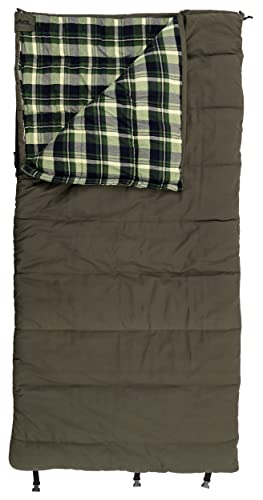
ALPS OutdoorZ Redwood -25 Sleeping Bag
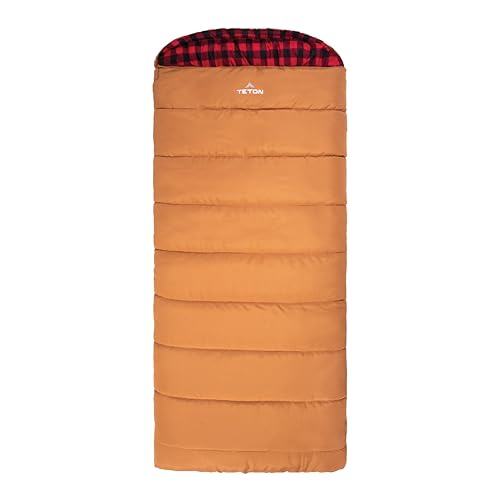
TETON Sports Deer Hunter Sleeping Bag

Atarashi 4-Season Camping Sleeping Bag

SYWSKW Down Sleeping Bag with Pillow
More On The Choices That Made The List
This entry shifts the conversation from backcountry tents to the nursery. The Copper Pearl wearable blanket is built around three knit layers with a soft plush fill, and the sleeveless cut gives a toddler’s arms free range to wiggle without overheating.
For parents who run the AC at night or live in a warm climate, the breathable knit keeps air moving against the skin. It slips on like a sleeping bag with armholes, replacing loose blankets that can bunch up around a toddler’s face.
Useful Strengths
- Three-layer knit construction promotes airflow in stuffy bedrooms, helping little ones sleep through warm summer nights.
- Sleeveless armholes let active toddlers roll, sit up, and self-soothe without feeling confined.
- Plush inner layer feels gentle against eczema-prone or sensitive skin.
- Multiple TOG ratings (a TOG rating measures thermal warmth, where lower numbers mean cooler) let you swap to a lighter weight as seasons shift.
- Replaces loose blankets, reducing the risk of fabric covering the face during sleep.
Small Caveats
- Designed for ages 18 to 24 months, so it outgrows quickly and may not last through the full toddler stage.
- Knit fabric can snag on Velcro or rough crib corners, so a quick check before each wash helps extend wear.
Key Product Details
Whose Shelf It Belongs On
Parents of 18 to 24-month-olds in warm homes who want a safer alternative to loose blankets.
Swap It Out When
You need something for an older child, in which case the Atarashi 4-Season Camping Sleeping Bag offers a roomier fit for the whole family.
Stepping away from the nursery, this one is a serious piece of cold-weather gear. The ALPS OutdoorZ Redwood -25 is an oversized rectangle bag designed for taller campers who feel squeezed inside standard mummy shapes.
The Techloft fill uses siliconized micro-denier fibers that trap warmth efficiently, and the rectangular cut makes it easy to spread out, sit up, or share with a dog. For winter hunts or late-season base camp trips, the roomy interior is a real advantage.
Strong Points
- Oversized dimensions give tall campers and restless sleepers room to stretch without pressing against cold fabric.
- Techloft synthetic insulation resists moisture and keeps lofting even when damp, useful for wet snow conditions.
- Rectangle shape opens flat, doubling as a quilt or shared blanket inside a large tent.
Trade-Offs To Consider
- The -25 rating (meaning the bag is rated to keep you comfortable down to roughly minus 25 degrees Fahrenheit) means it’s overkill for summer trips, so it really earns its place only in deep cold.
- Synthetic fill is heavier than down, which matters on long hikes where every pound counts.
- Bulkier packed size demands more cargo space in a truck or trailer.
Who Should Grab It
Big-and-tall campers, hunters, and winter base-campers who need real warmth rather than summer breathability.
Where Another Pick Suits Better
For a warmer-weather rectangle option, the Atarashi 4-Season Camping Sleeping Bag covers three-season use at a friendlier weight.
The TETON Sports Deer Hunter leans into old-school toughness. Its poly-cotton canvas shell stands up to rough use at base camp, hunting camps, or truck-bed sleepouts where the floor is far from clean.
Unlike the synthetic ultralight picks later on this list, this bag feels substantial. The mummy-style hood cinches tight around the head to seal in warmth, and the canvas grows softer and quieter with each wash. For campers who value durability over weight savings, it earns its keep.
Standout Benefits
- Heavy poly-cotton canvas resists abrasion from rocks, sticks, and rough tent floors.
- Mummy hood cinches securely around the head for cold nights in the woods.
- Synthetic fiber fill rated for below-freezing temperatures keeps weight manageable versus lower-rated options.
A Few Limitations
- Canvas weighs noticeably more than nylon or polyester shells, so backpackers may want to look elsewhere.
- Mummy shape runs snug, so broad-shouldered sleepers should size up before committing.
Feature Snapshot
Made For
Hunters, base campers, and overlanders who want a rugged bag that handles rough conditions year after year.
Skip It When
You count every gram in your pack, in which case the SYWSKW Down Sleeping Bag with Pillow compresses far smaller for backcountry miles.
The Atarashi 4-Season lands in the middle of the list because it tries to do a bit of everything. The extra-large cut fits most adults up to about 5’11”, and the included compression sack shrinks it down for transport between campsites.
Where the previous picks focused on cold weather, this one splits the difference with a comfort range around 32 to 77°F. For shoulder-season camping in spring and fall, that range covers most real-world nights without forcing you into a winter-rated bag.
Positive Takeaways
- Extra-large dimensions accommodate broad shoulders, tall frames, and side sleepers who roll around.
- Compression sack reduces packed volume, helping it fit in a full car trunk or family gear pile.
- Weather-resistant shell sheds light rain and morning dew without soaking through quickly.
Practical Considerations
- At roughly 4.2 lb, it sits between ultralight down and heavy canvas, so long-distance hikers may find it bulky.
- The temperature range is wide, which means less specialized performance at either extreme.
Right Fit For
Family campers and weekend adventurers who want one dependable bag across spring, summer, and fall trips.
Consider Something Else When
You need sub-freezing warmth, which is where the ALPS OutdoorZ Redwood -25 pulls ahead.
The SYWSKW down bag rounds out the list with serious packability. Filled with 680FP duck down (where “FP” stands for fill power, a measure of how much loft a given ounce of down produces; higher numbers trap more warmth with less weight), it compresses down to roughly the size of a loaf of bread and weighs in around 2.4 lb.
For thru-hikers and weight-conscious backpackers, that small packed footprint leaves space in the pack for food and layers. The integrated pillow pocket adds a touch of comfort after long trail days, and the mummy shape holds heat close to the body.
The Practical Payoff
- Ultralight construction fits comfortably inside a 50 to 65-liter pack without dominating space.
- 680FP duck down traps warmth efficiently, so you carry less fill for the same temperature rating.
- Integrated pillow sleeve lets you stuff a jacket or camp pillow into a built-in pocket.
Points To Note
- Down loses loft when wet, so humid climates call for careful rain management overnight.
- Mummy shape feels restrictive to stomach and combination sleepers who shift positions frequently.
Quick Facts
Best Suited To
Backpackers and thru-hikers who measure every gram and camp across three-season conditions.
Reach For A Different Pick When
You stay at base camp or hunt in cold weather, where the TETON Sports Deer Hunter Sleeping Bag offers more durability and warmth.
Factors To Consider When Choosing Cooling Sleeping Bags
Temperature Rating And Season Match
A bag’s temperature rating tells you the lowest temperature at which the average sleeper stays comfortable. For warm-weather camping, anything rated 40°F or higher gives you airflow without freezing. For shoulder seasons, drop closer to 32°F. Cold-weather campers and hunters need ratings well below freezing. Match the rating to your lowest expected night, not your average, since cold nights can sneak up on early-spring trips.
Fill Type And Weight Trade-Offs
Down fill (typically goose or duck plumage) offers the best warmth-to-weight ratio and packs small, but it costs more and loses loft when wet. Synthetic insulation weighs more and packs larger, yet it keeps insulating even in damp conditions. Hot-climate campers usually do fine with synthetic fills around 1.5 to 2 lb, while backpackers favor lightweight down for long-distance travel.
Shape And Fit Considerations
Mummy bags hug the body for warmth efficiency. Rectangular bags give room to move and can unzip flat like a quilt. Double-wide or oversized bags accommodate taller frames, restless sleepers, and side sleepers who shift often. For warm nights, a wider cut also helps heat dissipate rather than trapping it against your body.
Shell Fabric And Breathability
Nylon shells are lightweight and quick-drying but can feel clammy. Cotton and poly-cotton blends breathe well and feel softer, though they add weight. Look for shell fabrics that balance moisture wicking with light weather resistance, especially for humid climates where overnight dew soaks through cheap materials.
Key Considerations Across These Picks
Common Shopping Slip Ups
Many shoppers pick a bag rated for far colder weather than they actually need, then wonder why they wake up sweating. A 20°F-rated bag in a 60°F summer night traps heat instead of releasing it. The honest read is that “warmer” isn’t always better. Match the rating to your typical conditions, and consider buying a lighter-weight summer bag if you camp mostly in warm months.
Where The Extra Money Goes
Higher-priced bags typically invest in better fill power, lighter shell fabrics, and tighter construction. A premium down bag costs more because it uses ethically sourced high-FP down that traps more warmth per ounce. Premium synthetic bags use hollow-fiber tech that mimics down’s loft. That upgrade pays off for backpackers counting grams and thru-hikers logging long distances, but weekend car campers rarely need it.
Frequently Asked Questions
What temperature rating works for summer camping?
A bag rated around 40 to 50°F handles most summer nights comfortably. For desert camping where nights stay above 60°F, a lightweight blanket or quilt often beats a full sleeping bag.
Are synthetic bags good for humid climates?
Yes, synthetic insulation keeps insulating even when damp, so humid air and morning dew don’t ruin warmth the way they can with untreated down. The trade-off is weight and packed size.
Can kids use adult sleeping bags?
Older kids and youth-sized teens usually fit fine in adult bags, but younger children need child-specific sizing for safety and warmth. The Copper Pearl sleep sack in this list covers the toddler stage specifically.
How do I clean a sleeping bag?
Most synthetic bags handle front-loading washing machines on gentle cycles with mild soap. Down bags benefit from specialty down wash and tumble drying with clean tennis balls to restore loft. Always check the manufacturer’s care tag first.
How should I store a sleeping bag long-term?
Store bags loosely in a large cotton or mesh sack rather than compressed in their stuff sack. Long-term compression flattens insulation and reduces loft, which means less warmth when you finally unzip it for a trip.
Closing Verdict
The right cooling sleeping bag depends on where you sleep and how you get there. Warm-climate campers and families get the most from the Atarashi 4-Season, backpackers save weight using the SYWSKW down option, and cold-weather hunters find their match in the ALPS OutdoorZ Redwood -25. Toddlers sleep safer through sticky summer nights with the Copper Pearl wearable blanket. Match the bag to your climate and trip style, and the rest takes care of itself.