
A warm day at the ballpark, a six-hour road trip, or a camping weekend all share one quiet problem: keeping what you packed actually cold. The right cooler keeps ice solid, food safe, and drinks refreshing, while the wrong one turns into a soggy cardboard box by noon. This lineup covers lunchbox-sized packs, family-size rolling chests, and everything between, so you match the gear to the trip.
The Lineup, Simplified

Cool Coolers by Fit & Fresh Reusable Kids Lunch Box Ice Packs, 4pk
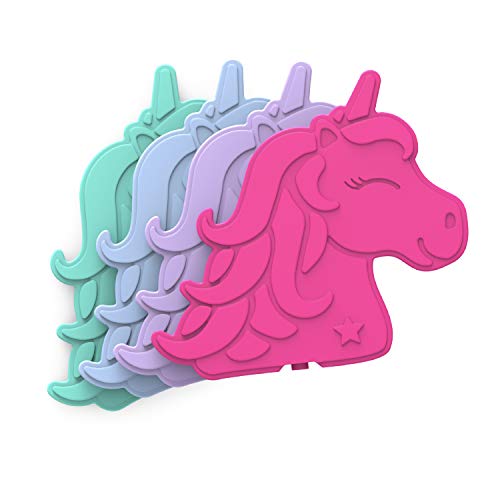
Bentgo Buddies Reusable Ice Packs for Kids

PackIt Freezable Snack Box, Blue Sky


PackIt Freezable Snack Box, Black

YETI Tundra Haul Portable Wheeled Cooler

ENGEL 60 QT Ultra-Light Injection Molded Cooler
Why These Options Stand Out
Sliding a couple of slim ice packs into a kid’s lunchbox is the easiest way to keep a sandwich safe until noon, and these Fit & Fresh Cool Coolers are sized for exactly that job. Each panel measures roughly 4.75 by 3.15 inches, with a thin profile that fits beside a bento box without crowding it. Owners commonly stack two or three at a time for longer mornings, and the four-pack spreads across a week’s worth of lunches.
The plastic shell wipes clean with a damp cloth, so a spilled juice box won’t end the day. Compared to the Bentgo Buddies up next, these read as a quieter, no-character choice that blends into adult lunch bags just as easily as kids’ ones.
Standout Benefits
- Slim shape slides into tight lunch compartments without crushing the food next to it
- Four-pack spreads across a full school week of lunches
- Reusable design replaces disposable gel packs over a school year
- Plastic exterior wipes clean after sticky spills
- Stacks together for stronger cooling in a single bag
Things To Consider
- Cooling window is shorter than the Bentgo Buddies, so longer days may need backup packs
- Plain finish lacks the kid-appeal factor of character designs
Made For
Parents packing daily school lunches or short snack runs who want a slim, no-fuss pack that drops into any lunch bag.
Look Elsewhere When
Younger kids who light up at character gear will get more buy-in from the Bentgo Buddies Reusable Ice Packs for Kids.
Picky eaters open lunchboxes faster when something colorful peeks back at them, and Bentgo leans into that with a four-pack of ice packs stamped with kid-friendly character designs. The packs freeze solid overnight and are advertised to hold food and drinks cold for up to four hours, which covers a standard school day plus the bus ride home.
Compared to the Fit & Fresh set covered earlier, the Bentgo Buddies trade plain utility for personality. You get the same drop-in convenience, but a kindergartner is more likely to remember which pack is theirs on a hectic morning.
Noteworthy Benefits
- Character prints help younger kids identify their own lunch
- Four-hour cold window covers a standard school day
- Mixes and matches with existing Bentgo lunch gear
- Replaces single-use gel packs across a school year
Worth Noting
- Designs may matter less once kids hit middle school
- Smaller cooling mass than the full-size PackIt Snack Box for longer outings
Key Specs
Right Fit For
Younger kids in preschool or elementary who need a fun visual cue and a reliable four-hour cold window.
Consider Something Else When
Adults packing a quiet, neutral-toned lunch will prefer the more subdued Fit & Fresh Cool Coolers 4-pack.
The whole PackIt idea is that the cooler is the ice pack. Freezer gel lines the walls of this small box, so you fold it flat, freeze it overnight, and head out with built-in cooling. A buckle handle clips onto a backpack or stroller, and the roomy interior fits a drink plus extras for an afternoon out.
Compared to the Bentgo Buddies, this Snack Box swaps an ice pack for a self-contained soft cooler. It carries more food and a small bottle, while the Buddies squeeze into the corner of an existing lunch bag.
Strong Points
- Built-in cooling eliminates the need for a separate ice pack
- Buckle handle clips onto backpacks, gym bags, or strollers
- Small footprint fits inside larger bags without bulging
- Roomy enough for a drink and snacks in one container
Trade Offs
- The whole box must live in the freezer overnight, taking up shelf space
- Soft-sided build isn’t suited for rough outdoor use like the YETI Roadie 24
Who It Suits Best
Parents running after-school outings, sports practices, or park afternoons who want one grab-and-go container that chills itself.
Reach For A Different Pick When
A long road trip with ice and drinks for the whole family will push you toward the YETI Roadie 24 Cooler instead.
Moving up from soft lunch-box coolers, the YETI Roadie 24 is a rotomolded hard cooler (a one-piece plastic shell molded on a rotating frame for thicker, more uniform walls) that fits behind a car seat but still swallows a wine bottle upright. Compared to the PackIt Snack Box above, this is the gear you grab when the cooler has to actually survive a truck bed or a boat ride, not just a backpack clip.
The slim shape is deliberate: it slides into the back seat of most sedans without hogging cargo room, and it works with YETI’s separate tie-down kit if you need to lash it down on a trailer. For day trips, beach runs, or a one-night camp, it’s a sweet spot between capacity and portability.
What Pays Off
- Rotomolded shell holds up to bumps and rough loading
- Slim profile fits behind a car seat without blocking passengers
- Tall enough interior for upright wine bottles
- Compatible with a separate tie-down kit for boats and trucks
- Lighter than older Roadie models for the same capacity
Minor Gripes
- Smaller capacity than the YETI Tundra Haul for big parties
- Premium build comes at a heavier weight than soft coolers
- No wheels, so longer carries call for the Tundra Haul
Feature Snapshot
Best Suited To
Day-trippers, tailgaters, and anyone hauling drinks and food for a small group who wants a car-friendly hard cooler.
A Better Fit Elsewhere
Large gatherings needing rolling transport will find the YETI Tundra Haul Portable Wheeled Cooler more practical.
Same shape as the Blue Sky version, but the Black Snack Box keeps a low profile in a briefcase or gym duffel. The freezer gel is built into the walls, so the whole box folds flat overnight and emerges ready to chill a drink and snacks. The buckle handle still clips onto most bag straps for hands-free carrying.
Against the Blue Sky version, you give up the cheerful colorway for something that blends into an adult commute. The cooling capacity is identical, so this is more about visual fit than performance.
Where It Delivers
- Neutral black finish suits office and gym bags
- Self-chilling design removes the need for separate ice packs
- Folds flat for efficient freezer storage
- Buckle handle clips onto most backpacks and strollers
A Few Limitations
- Same freezer footprint as the Blue Sky version, so storage space matters
- Not built for the rough handling that the YETI Roadie 24 handles easily
Perfect Match For
Commuters and gym-goers who want a self-chilling container that disappears into a black bag and clips on without fuss.
Skip It When
Family picnics and bigger crowds need the larger ENGEL 60 QT Ultra-Light Injection Molded Cooler.
The Tundra Haul is YETI’s first wheeled cooler, and it keeps the same thick rotomolded shell that made the brand a staple at tailgates. Two solid NeverFlat Wheels resist punctures, and the StrongArm handle is a welded aluminum arm with comfortable grips that telescopes for pulling. Compared to the Roadie 24, this is the cooler you roll across a parking lot loaded with food for twelve people.
The trade-off is real estate: a Tundra Haul takes up a meaningful chunk of garage space and demands a flat surface to roll across. Beach sand and deep gravel will fight the wheels, so pack a hand cart for those days.
What Works In Its Favor
- Solid, single-piece tire wheels resist punctures and impacts
- Welded aluminum StrongArm handle telescopes for pulling
- Same rotomolded insulation as stationary YETI coolers
- Takes the load off one shoulder during long carries
- Built-in bottle opener and dry goods rack add daily convenience
Points To Note
- Wheels work best on hard, flat surfaces; sand and gravel require effort
- Larger footprint demands more garage or truck-bed space than the Roadie 24
- Empty weight adds up before you load any food or ice
Feature Card
Whose Shelf It Belongs On
Hosts running tailgates, family reunions, or park picnics who want a rolling, road-tested chest instead of a shoulder-hauled cooler.
Not Your Match When
Solo commuters or apartment dwellers with no garage space will find the smaller YETI Roadie 24 easier to live with.
Multi-day trips punish heavy coolers, and the ENGEL 60 QT leans into its “Ultra-Light” name with an injection-molded shell (plastic injected into a mold under pressure for thinner, lighter walls than rotomolding). Two inches of closed-cell foam insulation (a rigid foam with sealed air pockets that blocks heat transfer) back up the manufacturer’s claim of up to seven days of ice retention. A wire basket keeps dry goods off the ice, and a built-in bottle opener means one less thing to pack.
Against the wheeled YETI Tundra Haul, this is a stationary chest. You park it at a campsite and walk away, rather than rolling it across pavement. For paddle trips and fishing weekends, the lighter empty weight is the real advantage.
Notable Gains
- Closed-cell foam insulation extends ice life for multi-day trips
- Injection-molded build keeps the empty weight low for its size
- Wire basket separates dry food from melting ice
- Built-in bottle opener reduces loose gear
- Large 60-quart capacity swallows a long weekend’s worth of food
Things That May Matter
- Large footprint demands significant truck-bed or camp space
- No wheels, so two-person carries help over rough ground
- Ice retention varies widely based on ambient temperature and sun exposure
Technical Sheet
Who Will Love This
Campers, anglers, and weekend hosts who need multi-day ice retention and don’t mind parking a big chest at the campsite.
Swap It Out When
Day-trippers who need rolling transport should reach for the YETI Tundra Haul Portable Wheeled Cooler instead.
Picking The Right Cooler For Your Outing
Match Capacity To The Group And The Hours
Size is the first decision. A 4-quart or soft-side freezable box covers a single lunch or a gym commute, while 24-quart hard coolers handle a small day-trip crowd. When you’re feeding a family for a weekend or hosting a tailgate, 60-quart becomes the practical floor, since anything smaller means daily ice runs.
Decide Between Soft And Hard Construction
Soft freezable boxes like the PackIt Snack Box fold flat for freezer storage and weigh almost nothing. Hard rotomolded or injection-molded shells take more space but insulate longer and shrug off drops. Rough outdoor use, sandy boat decks, or stacked drinks all favor hard shells, while a school or office routine rarely needs that protection.
Think About How You’ll Actually Move It
Wheels only help on hard, flat ground, so a paved tailgate rewards the YETI Tundra Haul while a beach day frustrates it. A long walk from the car to the campsite makes a lighter injection-molded chest like the ENGEL easier to manage, even without wheels. Car-seat friendly shapes like the YETI Roadie 24 also win when passengers need the legroom.
Match The Cooling Window To The Trip Length
Lunchbox ice packs promise a few hours of chill, which fits a school day. A day-trip cooler with thick foam walls stretches that to a full afternoon. Multi-day trips push you toward closed-cell foam insulation, the kind that claims ice retention across several days, which only the heavier hard-shell chests deliver.
Key Considerations Across These Picks
Pitfalls Shoppers Hit
The most common mistake is buying by capacity alone and ignoring how you’ll carry it. A 60-quart chest is great at camp but miserable across a sandy beach. The opposite mistake, picking a soft freezable box for a weekend trip, leaves you with warm drinks by Saturday afternoon. Match the cooler to your actual route, not the best-case scenario.
What The Higher Tier Buys
Premium rotomolded shells, closed-cell foam, and welded handles raise the price, but they buy longer ice retention, longer service life, and easier one-person transport. For daily lunch duty, that upgrade rarely pays back. For tailgates, fishing weekends, and any trip where warm drinks end the fun, the higher tier earns its keep by working when conditions get rough.
Frequently Asked Questions
How long should a cooler keep things frozen?
A good soft freezable box holds chill for about four hours, while a well-packed hard cooler with thick insulation can stretch ice for several days. Exact results vary with outside temperature, how often you open the lid, and how full the cooler is.
Is rotomolded better than injection molded?
Rotomolded shells are thicker and more impact-resistant, which is why brands use them for heavy-duty coolers. Injection molding produces lighter walls that still insulate well, which is ideal when empty weight matters more than maximum durability.
Can I put dry ice in any cooler?
Dry ice requires a cooler that vents gas safely, since trapped CO2 can damage a sealed chest. Check the manufacturer’s guidance before using dry ice, and never seal a cooler airtight when dry ice is inside.
Should I pre-chill my cooler before packing?
Pre-chilling with sacrificial ice or a few frozen packs helps the contents stay cold longer, since the cooler itself isn’t pulling heat out of the food. Toss the pre-chill ice, then load your real ice and food for a better cold soak.
Do I need wheels on a cooler?
Wheels help across flat pavement but lose their advantage on sand, gravel, or stairs. A lighter chest without wheels is often easier to manage over uneven ground, so match the wheel choice to where you’ll actually roll.
Closing Remarks
The best cooler is the one that matches how you actually use it: a slim ice pack for a daily lunch, a self-chilling soft box for after-school runs, a hard cooler for tailgates and day trips, and a heavy-duty chest for multi-day camping. Start with your longest, most demanding outing, then work backward to the gear that fits your routine. With the lineup above, there’s a match for every trip on your calendar.