
A good cooler quietly decides the day. It’s the difference between crisp drinks at the trailhead and a lukewarm mess by lunch, between a backyard cookout that hums along and one where somebody’s making ice runs. The right ice chest matches your scene: a soft-sided sidekick for the park, a hard roller for the tailgate, a backseat-sized box for road trips.
Across the five picks below, the spread covers soft totes, compact hard shells, full-size rotomolded tanks, and a collapsible that folds flat. Each one solves a different storage and capacity puzzle, so the best match depends on where it’s going and how rough the trip gets.
The Picks In Brief

Igloo Peanuts Snoopy Soft Sided Cooler

YETI Roadie 24 Cooler

YETI Tundra Haul Portable Wheeled Cooler

Laka 30QT Rotomolded Rolling Cooler
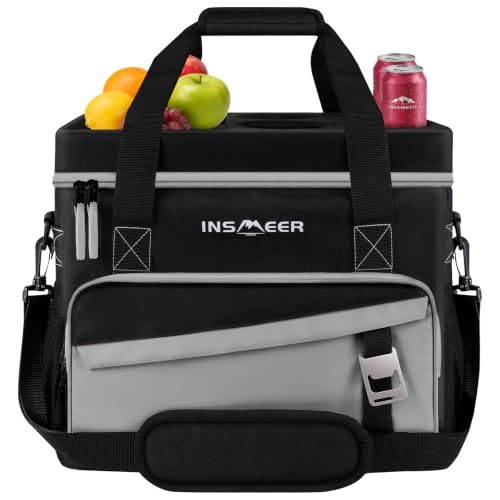
INSMEER Collapsible Cooler with Hard Shell
More Details On Our Top Picks
This soft cooler leans hard into personality, and that turns out to be its real job. The Peanuts graphics, the retro color blocking, and the embroidered front panel make it the kind of bag you actually want to carry to a school pickup or a backyard birthday.
For casual afternoon outings, it slots in where a hard shell would feel like overkill. Think lunches for two, juice boxes, a few cans, and a bag of fruit on a blanket. Families with younger kids tend to get the most out of the playful artwork, while adults who treat cooler style as part of the outing appreciate the throwback palette.
Where It Delivers
- The 600D canvas body holds up to scuffs from car trunks and gravel parking lots.
- Custom embroidered artwork gives the panel more depth than a flat print, which ages better over time.
- The faux-suede front adds a soft, premium-feeling touch that punches above the typical soft-cooler look.
- Lightweight construction makes it easy for kids to carry, so parents offload the hauling.
Things To Consider
- Soft-sided coolers generally don’t hold ice as long as rotomolded hard shells, so plan around shorter days.
- The themed graphics are a love-it-or-leave-it detail; shoppers wanting a neutral look will pass.
Who It Suits Best
Caregivers running short park trips, classroom parties, and weekend picnics where style matters as much as capacity.
Consider Something Else When
You need multi-day ice retention, in which case the YETI Roadie 24 Cooler is the better shelf neighbor.
Pull up to a tailgate, a trailhead, or a stretch of beach, and the Roadie 24 is built to slide right in. Its footprint is narrow enough to share a backseat with passengers, yet the interior is tall enough to stand a wine bottle upright.
Compared with the Igloo Peanuts soft cooler, this is a clear step up in insulation and durability, but a step down in portability. For day trips where you want a hard shell without dragging a full-size tank across the sand, it hits a middle gear that suits solo travelers and couples well.
The Case For It
- Slim profile fits between a car seat and a door, leaving room for passengers and gear.
- Hard-sided construction resists dings from boat decks and truck beds better than soft fabric.
- The taller-than-wide shape keeps bottles upright, which matters on uneven ground.
- Compatibility with a tie-down strap kit adds security on boats and trailers.
Worth Noting
- No wheels, so over long walks the weight starts to add up.
- Smaller interior than full-size coolers, limiting use for big groups.
Key Product Details
Made For
Solo travelers and couples running day trips who want hard-shell performance without hauling a full-size tank.
A Better Fit Elsewhere
Families feeding a crowd should look at the YETI Tundra Haul Portable Wheeled Cooler instead.
This is the cooler you roll out when the gathering has outgrown a backpack. The Tundra Haul brings the insulation depth that YETI built its name on, paired with wheels and a pull handle that take the load off your arms.
It earns its keep at full-day tailgates, family reunions, and long weekends at the lake, where the goal is to haul enough food and drinks for a crowd without making two trips. The tradeoff for all that capacity is bulk, so it lives best in SUV trunks and truck beds rather than apartment closets.
Why It Works Well
- Single-piece tire construction resists punctures on gravel roads and boat ramps.
- The welded aluminum handle arm holds up under heavy loads without flexing.
- Rotomolded shell keeps ice through long days in direct sun.
Honest Caveats
- Full-size footprint takes up significant trunk space when not in use.
- Heavier than compact coolers, even with the wheels helping.
- Premium build quality typically carries a higher price than basic wheeled options.
Right Fit For
Hosts running tailgates, beach days, and long weekends where capacity and ice retention matter more than portability.
Skip It When
Storage space is tight and trips stay short; the INSMEER Collapsible Cooler with Hard Shell folds flat and tucks away.
Where the Tundra Haul feels like an investment piece, the Laka 30QT aims at a friendlier entry point. It borrows the same rotomolded construction style, the same wheeled format, and a smaller capacity that suits weekend trips without overwhelming a small trunk.
The 30-quart interior holds roughly 24 cans plus ice, which lines up well with a single day’s worth of food and drinks for two or three people. Shoppers who want hard-shell durability without the premium-tier price tag tend to gravitate here, and the cup holders plus bottle opener add a touch of tailgate convenience that punches above the cost.
What Pays Off
- Telescoping handle and rubber wheels make rolling across sand and docks manageable.
- Drain plug simplifies emptying meltwater at the end of the day.
- Built-in cup holders keep drinks off the sand without extra accessories.
Some Limits To Know
- Ice retention is shorter than premium-tier rotomolded models on hot days.
- Smaller capacity rules it out for feeding large groups.
- Wheels handle smooth ground best; rough terrain takes more effort.
Quick Facts
Best Suited To
Shoppers wanting rotomolded construction and wheels at a friendlier cost for short beach trips and weekend camping.
Look Elsewhere When
You regularly need to feed a crowd, in which case the YETI Tundra Haul Portable Wheeled Cooler offers more headroom.
Living in a small apartment changes how you shop for a cooler. Hard shells offer great insulation but eat closet space, while soft coolers save room but don’t always feel sturdy. The INSMEER splits the difference with a rigid top, structured sides, and a folding design.
The hard top doubles as a small standing surface with four cup holders built in, which makes it a useful side table at the campsite. Capacity lands around 55 cans, and the insulation targets roughly half-day ice retention. For city dwellers, beach picnickers, and anyone short on garage space, the fold-flat storage is the feature that closes the deal.
Strengths Worth Knowing
- Folds flat when empty, slipping behind a couch or into a closet with ease.
- Rigid top acts as a mini table with four cup holders built in.
- Multiple pockets on the sides organize utensils, phones, and snacks separately.
- Structured sides feel sturdier than typical soft coolers.
Practical Considerations
- Ice retention runs shorter than full rotomolded hard shells, so day use is the sweet spot.
- When fully loaded, the soft structure demands careful lifting rather than dragging.
- Side pockets add bulk to the footprint when packed.
Feature Snapshot
Who Will Love This
Apartment dwellers, SUV owners, and day-trippers who want a structured cooler that disappears into storage when the trip ends.
Swap It Out When
Long weekends and serious ice retention matter, in which case the YETI Tundra Haul Portable Wheeled Cooler earns its keep.
Choosing Coolers And Ice Chests That Match Your Outing
Capacity sits at the top of the list for good reason: it decides whether the cooler carries a single afternoon’s snacks or a weekend’s worth of food. A 24-can box suits two people for a day, while 50-plus can formats cover families and groups.
Insulation matters next. Rotomolded hard shells (a manufacturing process that molds plastic in a single seamless piece) tend to hold ice longer than soft-sided coolers because of thicker foam walls and airtight gaskets. Soft coolers win on weight and storage, but trade ice retention for portability.
Mobility rounds out the decision. Wheels and a telescoping handle make sense for full-size tanks, while compact hard shells fit in tight spaces without rolling hardware. The right balance depends on how far the cooler travels from car to campsite, and how rough the path between them gets.
Key Considerations Across These Picks
Where Shoppers Go Wrong
The biggest miss is buying by size alone. A massive cooler that barely fits in the trunk and weighs a ton gets left behind, while a perfectly sized one actually makes it to the outing. Match the cooler to the trip, not the trip to the cooler.
Another common slip is ignoring insulation differences within the same capacity class. Two 30-quart coolers can perform very differently over a hot afternoon. Look at the construction type and gasket design rather than the sticker number.
Where The Extra Money Goes
Premium-tier rotomolded coolers invest in thicker foam, better gaskets, and tougher hardware. Those details show up over years of use, not just the first weekend. For occasional day trips, a mid-tier option covers the bases well. For weekly tailgates or long weekends, the upgrade pays off in fewer ice runs and longer-lasting gear.
Frequently Asked Questions
How long should ice last in a hard cooler?
A well-built rotomolded hard cooler with a tight gasket can hold ice for several days under normal conditions, though direct sun, frequent opening, and warm drinks shorten that window. Soft coolers generally manage a day at best.
What’s the difference between rotomolded and injection-molded coolers?
Rotomolded coolers are formed as a single seamless piece with thicker walls, which improves insulation and durability. Injection-molded coolers use thinner walls and tend to cost less, with shorter ice retention.
Are wheeled coolers worth the extra weight?
Wheels earn their keep when the cooler is full and the path is long, like across a parking lot or a boat ramp. For short carries from car to blanket, a compact handle-only cooler is easier to manage.
Can soft coolers work for camping?
Soft coolers handle car camping and short overnights well, especially when ice is refreshed daily. Multi-day trips in warm weather push them past their comfort zone, where a hard shell fits better.
How do I clean a cooler with a drain plug?
After emptying meltwater through the plug, rinse the interior with a mild soap solution, scrub the gasket with a soft brush, and leave the lid open until fully dry. Storing with the lid closed traps moisture and odor.
Bottom Line
A reliable cooler quietly carries the whole outing, from the first cold drink to the last sandwich. Match the format to your scene, weigh how far it travels from the car, and the right pick tends to reveal itself quickly.