
Car camping, weekend tailgates, or week-long treks all run on the same question: how do you get a hot meal without lugging a kitchen across the lot? Compact camp stoves solve that problem in different ways, from featherweight canister burners to wood-fed fire boxes, and the right pick depends on where you go and how you cook. This guide walks through six distinct options so you can match your stove to your trips, your pans, and your patience for setup.
An Overview Of The Picks

Coleman Cascade 18 1-Burner Camping Stove

Petromax Rocket Compact Outdoor Stove

Jetboil MightyMo Ultralight and Compact Camping Stove
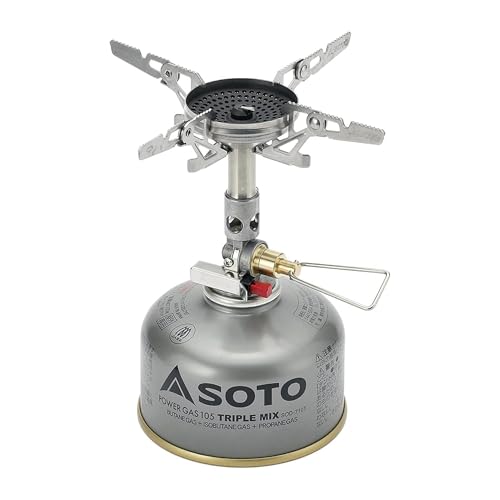
SOTO WindMaster Backpacking Stove with 4Flex

Jetboil HalfGen Basecamp Camping Cooking System

Coleman Tabletop 2-in-1 Grill & Stove
A Deeper Look At The Lineup
The Coleman Cascade 18 is the kind of stove that disappears into the trunk of the family wagon and shows up ready for pancakes. It runs on a standard propane cylinder, lights with a rotary igniter, and turns out up to 8,000 BTUs, which is plenty for boiling water or running a small skillet. Compared with the canister stoves lower on this list, this one trades backpacker weight for camp-kitchen simplicity.
It fits up to a 12-inch pan on the cooking grate, which most weekend campers will appreciate. The aluminized steel cooktop wipes down quickly after eggs and bacon, and the detached grate flips over for flatter storage under a seat or in a gear bin. For a casual car camper who wants one reliable burner for coffee, soup, and grilled cheese, it covers the basics without ceremony.
Everyday Advantages
- 8,000 BTU output handles most camp cookware, from small saucepans to a 12-inch skillet.
- Matchless rotary ignition keeps the fire-starting kit smaller.
- Aluminized steel top cleans up with a rag and a drop of soap.
- Flippable grate and stowable regulator keep the footprint compact for storage.
- Standard propane compatibility means fuel is easy to source at any outdoor shop.
Worth Noting
- Single-burner layout limits simultaneous cooking.
- Wind protection is minimal compared with the Coleman Tabletop 2-in-1.
Feature Snapshot
Who It Suits Best
Family car campers who want a single, dependable burner for basic hot meals at the picnic table.
Consider Something Else When
Backpackers looking to shave ounces should look at the SOTO WindMaster, which trades raw power for trail-friendly weight.
The Petromax Rocket plays a different game than every gas stove on this list. You feed it twigs, pine cones, and small branches, and the chimney design pulls a draft that turns scraps of kindling into a real cooking fire. It weighs around 14 pounds with a 13 by 10 by 11.8 inch footprint, which puts it firmly in backyard, cabin, or car-camping territory rather than ultralight packs.
Where this stove earns its keep is the cast iron cooking surface. Cast iron holds heat the way your favorite skillet does at home, so pancakes brown evenly and water comes to a rolling boil instead of a stubborn simmer. The insulation around the burn chamber helps the unit burn hot while staying cool enough on the outside to handle. Anyone with a wood pile or a willingness to forage fuel will get a lot out of the Rocket.
Reasons It Performs
- Runs on scavenged wood instead of fuel canisters, which simplifies resupply.
- Cast iron surface sears, simmers, and boils like a familiar kitchen pan.
- Chimney design improves combustion efficiency over an open fire pit.
- Insulated body reduces burn risk on grass or wooden tables.
Trade Offs
- At 14.2 pounds, it is not a backpacking option.
- Requires dry fuel, which limits use in wet climates without preparation.
- Cast iron needs seasoning and rust care after cooking sessions.
Built With In Mind
Backyard chefs and cabin-goers who enjoy the ritual of a wood fire and want consistent cooking heat.
A Better Fit Elsewhere
Trail-bound hikers will find the Jetboil MightyMo far more packable, even though it loses the fire-cook feel.
The Jetboil MightyMo is built for people who count grams and watch the trail rise in front of them. Jetboil claims a rolling boil in roughly three minutes using about half the fuel of a traditional camping burner, which adds up to a longer trip between canister resupplies. The four-turn regulator lets you turn the flame down low enough to simmer a sauce, not just blast it at full boil.
The cooking platform sits low and wide for a backpacking stove, so a small frying pan actually feels stable instead of teetering over the burner. Compared with the SOTO WindMaster, the MightyMo weighs a touch more but gives you a more responsive simmer control. Solo trekkers or pairs packing deep into the backcountry will find the trade-off worth carrying.
Good Reasons To Consider
- Fuel-efficient boil times stretch a small canister across multi-day trips.
- Four-turn regulator allows real simmering, not just on-off flame control.
- Compact form packs into Jetboil’s compatible pot systems.
- Open platform accepts small frying pans for one-pan meals.
Points To Note
- Fuel canisters must be sourced in town before heading out.
- Some users find the regulator learning curve a touch steeper than a basic on-off valve.
Right Fit For
Solo backpackers or duo trekkers who want fast boils and real simmer control without the bulk of a basecamp stove.
Look Elsewhere When
Car campers feeding a hungry family should look at the Coleman Tabletop 2-in-1 for two-burner flexibility.
The SOTO WindMaster earns its name on ridgelines. The concave burner head and built-in wind deflector keep the flame alive when most canister stoves would gutter out, which makes it a favorite for alpine starts and exposed campsites. It pairs with standard isobutane fuel canisters and uses a regulator compatible with butane, isobutane, and propane blends.
The 4Flex pot support folds out to four serrated arms that grip a wider range of pot diameters, including small mugs and wider titanium cookpots. The flame control runs from a soft simmer to a hard boil without the rotary fuss of fancier regulators. For a single traveler counting ounces, this is a compact, trail-tough tool that punches above its size.
Useful Highlights
- Wind-resistant burner keeps cooking consistent on exposed sites.
- Four-arm pot support grips small and large vessels securely.
- Compatible with common isobutane canisters carried by most outdoor shops.
- Compact, folding form stows in a side pocket of a pack.
Honest Caveats
- Canister is sold separately, so plan for a fuel purchase up front.
- Lightweight base benefits from a flat surface to avoid tip-overs on uneven ground.
- 100 percent propane use is not recommended.
Best Suited To
Solo backpackers and alpine travelers who cook in serious wind and want a stove they can rely on at altitude.
Swap It Out When
Campers feeding several mouths at once will find the Jetboil HalfGen’s higher BTU output more useful.
The Jetboil HalfGen sits in the middle ground between a backpacking stove and a full kitchen burner. It produces up to 10,000 BTUs and brings water to a boil in just over three minutes, which makes it a strong choice for melting snow, brewing coffee for a crew, or running a small pot of pasta. The proprietary regulator gives the same fine simmer control found on smaller Jetboil systems.
The trick worth knowing is its modular design. The HalfGen works alone as a single high-output burner, or it can link with other Jet link-compatible stoves to form a multi-burner cooking range for bigger groups. Compared with the Jetboil MightyMo higher on this list, you trade compactness for serious firepower. Basecamp chefs running a family tent will appreciate the headroom.
The Upside
- 10,000 BTU output handles demanding tasks like snow melting.
- Boils water in roughly three minutes for quick meal prep.
- Modular link system scales up for group cooking.
- Regulator offers incremental flame control for delicate simmering.
Soft Spots
- Heavier and bulkier than a backpacking stove.
- Requires compatible Jetboil fuel canisters.
- Best used on a stable camp table rather than the ground.
Whose Shelf It Belongs On
Group basecampers who cook for several people and want stove output closer to a home range.
Reach For A Different Pick When
Solo hikers should pick up the SOTO WindMaster, which trims weight and size for the trail.
The Coleman Tabletop 2-in-1 is built around a simple idea: you should be able to sear a burger and boil a pot at the same time. Two independently adjustable burners put out a combined 20,000 BTUs, and the chrome-plated grate can be configured as a flat stove top or a grill surface. That makes it a strong centerpiece for tailgate parties, RV pads, and family car camping trips.
Push-button ignition takes the matches out of the equation, and the wind shields along the sides keep the burners working in breezy parking lots. The removable grate is the practical detail worth noting, since it lets you dump grease and crumbs without scrubbing a fixed surface. Anyone used to juggling one burner while the rest of the meal waits will feel the difference immediately.
What Stands Out
- Two burners allow simultaneous cooking of main and side dishes.
- Combined 20,000 BTU output handles high-heat grilling.
- Push-button ignition eliminates the need for separate flame starters.
- Wind shields help maintain flame in open-lot settings.
- Removable grate simplifies cleanup after greasy meals.
Factors To Consider
- Heaviest and bulkiest stove in this lineup.
- Requires a larger propane tank than most portable options.
- Less efficient for solo travelers who only need one cup of coffee.
Made For
Tailgaters, family campers, and basecamp cooks who want real two-burner versatility without a full kitchen setup.
Where Another Pick Suits Better
Solo travelers will find the Jetboil MightyMo far easier to pack and run for a single hot meal.
What To Weigh Before Choosing A Compact Camp Stove
Compact camp stoves come in three broad camps: canister stoves that screw onto a fuel bottle, wood-burning stoves that turn twigs into heat, and propane tabletop units that bring home-kitchen range output to the picnic table. Your trip style usually decides which camp you fall into, and most campers end up with one of each over time. The trick is matching the stove to the trip instead of forcing a favorite tool into every scenario.
Output matters, but BTU numbers tell only part of the story. A 10,000 BTU burner on a windy ridge with no wind shield loses much of that heat to the air, which is why wind performance can matter more than raw numbers for backpackers. For car camping and tailgating, total BTUs across both burners and stability of the cooking surface tend to be the real constraints.
Fuel logistics deserve attention before the trip, not at the trailhead. Canister stoves need compatible fuel that may not be stocked at every small-town outfitter, and wood burners need dry kindling that can be hard to find after rain. Propane tabletop stoves rely on a one-pound or larger tank that adds bulk but refills at any hardware store. Matching the fuel system to your route saves headaches later.
Cookware fit is the silent killer of stove setups. A 12-inch pan does little good on a small burner platform, and a tiny titanium pot feels unstable on a large grate. Check the stove’s pan or pot capacity against the cookware you already own. If the numbers do not line up, an adapter or new cookware may be a smarter investment than a different stove.
Key Considerations Across These Picks
Pitfalls Shoppers Hit
The most common mistake is choosing a backpacking stove for car camping or a tabletop unit for a backcountry trek. Weight, fuel type, and cooking surface size all shift with the use case, and the wrong pairing ends up unused in the gear bin. Another frequent misstep is ignoring wind performance. Burners that look strong on paper lose heat fast in exposed campsites, which lengthens cook times and burns through fuel.
Where The Extra Money Goes
Higher-tier compact camp stoves typically spend their added cost on better regulators, stronger wind protection, and lighter materials like titanium. The Jetboil regulators, for example, allow precise simmering that cheaper on-off valves cannot match. You also pay for build quality in the burner housing and pot supports, which matter most on long trips where a failure means a cold dinner. For casual weekend use, the mid-tier options on this list cover most needs without stretching into specialty price points.
Frequently Asked Questions
What fuel do most compact camp stoves use?
Most canister and tabletop stoves run on propane, isobutane, or butane blends sold in self-sealing canisters. Wood-burning stoves like the Petromax Rocket run on small branches, twigs, and pine cones gathered on site.
Can I use a compact camp stove indoors?
Compact camp stoves are designed for outdoor or well-ventilated use only. Burning any fuel type indoors can create carbon monoxide buildup and pose a serious health risk.
How do I clean a camp stove after cooking?
Wipe down the cooktop with a damp cloth and mild soap once the unit has cooled. Cast iron surfaces need a light coat of oil after cleaning to prevent rust, while aluminum and steel tops can air dry before storage.
Are larger BTU ratings always better?
Higher BTU numbers mean more heat output, but efficiency depends on wind protection, regulator quality, and cookware fit. A 10,000 BTU stove with poor wind shielding can underperform a smaller, well-shielded burner in real conditions.
How long does a fuel canister typically last?
A standard 100-gram isobutane canister usually covers around two to three days of light backpacking use. Heavy simmering or large-pot boiling shortens that window, so plan fuel based on meal plans rather than trip length alone.
Wrap Up
A compact camp stove earns its place by disappearing into your kit and showing up ready to cook, and the right pick depends entirely on where you set up. Backpackers tend to gravitate toward the SOTO WindMaster or the Jetboil MightyMo for their light weight and fuel efficiency. Family campers and tailgaters usually get more use from the Coleman Cascade 18 or the Coleman Tabletop 2-in-1, while fire-cook fans will find the Petromax Rocket hard to beat for a backyard-style flame. Match the stove to the trip, and a hot meal stops being a question and starts being a habit.