
Cooking outside should feel easy, not like a fight with wind and uneven flames. The right Coleman stove turns a chilly tailgate, a car-camping weekend, or a backyard cookout into something you’d actually brag about. Here are six options worth a serious look, covering everything from ultralight backpacking burners to full two-burner family setups.
How The Shortlist Stacks Up
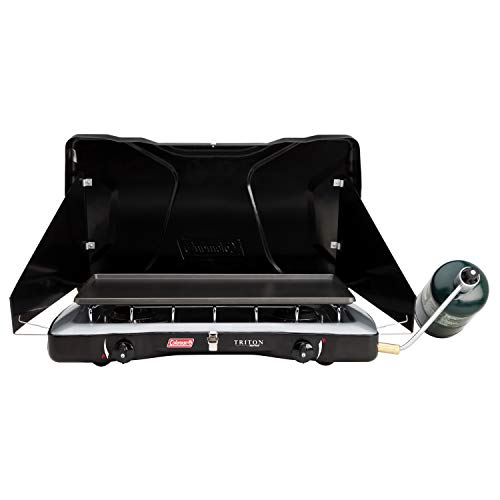
Coleman Triton Propane Stove, 2 Burner

Coleman Cascade 18 1-Burner Camping Stove with Matchless Lighting
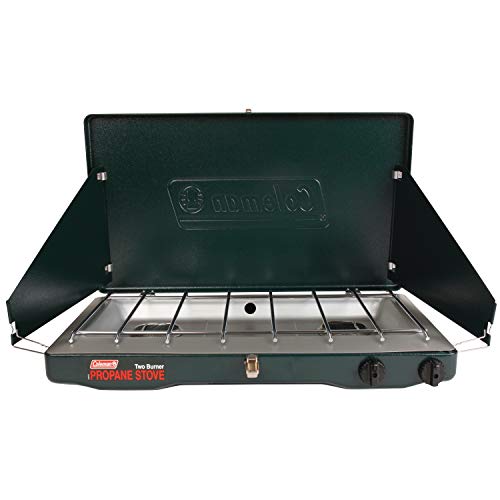
Coleman Classic Propane Stove, 2 Burner

Coleman Triton 2-Burner Propane Stove with Wind Guards

Coleman Tabletop 2-in-1 Grill & Stove with 2 Adjustable Burners
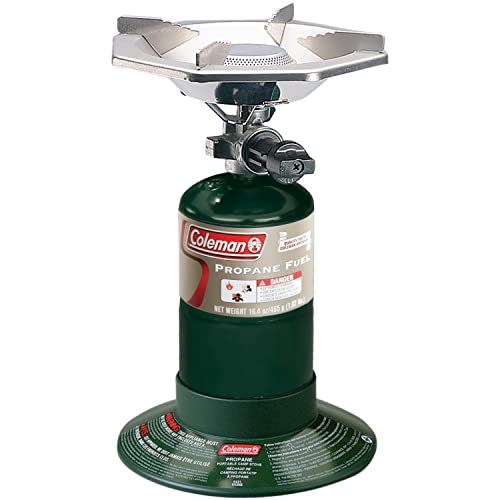
Coleman BottleTop Propane Stove with Adjustable Burner
Inside Each Recommended Option
The Coleman Triton 2-Burner is the kind of camp stove that quietly handles most cooking jobs without much fuss. Push out the lamplight shields, twist the knobs, and you have two independent flames ready to boil water and sear a steak at the same time. Adjustable wind panels fold out to shield the burners when a breeze picks up, which matters more than people expect at elevation or on open beaches.
Total output sits around 22,000 BTUs (British Thermal Units, a measure of heat energy; higher numbers mean faster cooking and stronger heat), split between two adjustable burners. The footprint fits a 10-inch and 12-inch pan side by side, enough for a family of four to work a real meal. You may find the plastic shell looks lighter than the classic steel-bodied models, but the tradeoff is easier handling on the way to the picnic table.
Benefits That Matter
- Wind-blocking panels stay hinged and fold flat for storage, cutting setup time at a busy campsite.
- Independent burner control lets one person simmer soup while the other boils pasta.
- 22,000 BTU total output handles cast iron and wide pans without long preheat waits.
- The regulator and propane connection are standard, so swapping a canister mid-trip takes seconds.
Trade Offs To Consider
- Lighter construction than the Classic two-burner, so heavy pots can shift on uneven ground.
- Push-button ignition depends on a working battery; owners commonly report replacing it before long trips.
Feature Snapshot
Made For
Car campers and tailgaters who cook real meals for four or more and want two pans running at once.
Consider Something Else When
Backpackers counting ounces should look at the BottleTop Propane Stove, which threads straight onto a small fuel canister.
Where the Triton above is built for two pans and a hungry group, the Coleman Cascade 18 keeps things simple and clean. A single burner, a 12-inch pan capacity, and matchless rotary ignition, all on a body slim enough to slip behind a truck seat. The cooktop is aluminized steel, which wipes down faster than painted steel after a greasy breakfast.
Output sits around 8,000 BTUs, modest next to the two-burner models on this list, but plenty for one pot of coffee, a skillet of eggs, or a single pasta boil. The detached grate flips 180° for slimmer storage, and the regulator stows on top, which is genuinely useful for tailgating setups where trunk space is tight. Solo travelers and one-pan cooks will feel right at home here.
Bright Spots
- Matchless rotary ignition saves you digging for a striker on damp mornings.
- Aluminized steel cooktop cleans up with a quick wipe, cutting post-meal work.
- Fits a 12-inch pan, bigger than most portable single burners in this weight class.
- Built-in regulator storage keeps the hose from snagging during transport.
Things To Note
- Single burner means no parallel cooking; dinner for two takes patience.
- Less wind protection than the larger Triton models, so sheltered spots matter in gusty conditions.
- Lower BTU output extends boil times on cold mornings at elevation.
Right Fit For
Solo campers, car-based weekenders, and tailgaters who mostly cook one pan at a time.
Look Elsewhere When
You regularly cook for four or more and want two burners going at once, in which case the Classic Propane Stove is the better match.
The Classic is the model that built Coleman’s outdoor cooking reputation, and for plenty of folks, nothing has really replaced it. Two adjustable burners, push-button ignition, and a heavy steel body that anchors on a folding table without sliding. The size is generous at roughly 4.1 x 21.9 x 13.7 inches when open, so plan your cargo space accordingly.
Heat output tops out near 20,000 BTUs, slightly less than the Triton above, but the trade shows up as more consistent simmer control on the low end. Pressure regulator technology aims to keep flame height steady even when the propane level drops or the temperature plunges. Compared to the Cascade 18, you give up portability and gain a real second burner.
Useful Strengths
- Sturdy steel construction handles rough truck beds and stands firm under heavy cast iron.
- Holds a 10-inch and 12-inch pan at the same time, useful for full family meals.
- Pressure regulator keeps performance steadier as the fuel cylinder drains.
- Wind-blocking panels fold out without extra parts to misplace.
Minor Gripes
- Heavier than the Triton, so it punishes backpackers and lightweight hikers.
- Larger footprint can crowd small camp tables; measure before you commit.
- Roughly 1 hour of runtime on high per 16.4 oz cylinder, so longer trips need spare fuel.
Key Product Details
Whose Shelf It Belongs On
Family campers and weekend regulars who want a sturdy, no-surprise stove that just keeps working year after year.
Skip It When
Portability is the top priority and you mostly cook one pot, in which case the Cascade 18 is the easier carry.
Think of this Triton as the workhorse version of the model reviewed above. Same two adjustable burners, same 22,000 BTU ceiling, but built for the kind of use that involves a heavy-duty latch, a removable chrome-plated grate, and real wind guards that shrug off gusts. The latch is a small detail that pays off when you step away to grab plates or haul a cooler.
The chrome grate pops out for cleaning, which matters more than it sounds after bacon-grease breakfasts. Flame-control knobs sit where you can reach them without leaning over hot pots, a quiet ergonomic win. If the Classic above feels conservative, this one is the Triton dialed up for frequent use.
Everyday Perks
- Heavy-duty latch keeps the lid secure while you walk away mid-cook.
- Removable chrome grate lifts out for thorough washing, extending the stove’s usable life.
- 22,000 BTUs across two burners matches the output of higher-end camp kitchens.
- Wind guards fold up cleanly and stay attached, so no loose parts to track.
Softer Spots
- Heavier than the standard Triton, which adds up across long walks from the parking spot.
- Chrome grate needs drying before storage to avoid spotting over time.
- Fuel-hungry at full blast, so plan an extra cylinder for weekend trips.
Best Suited To
Tailgaters, family campers, and anyone cooking outdoors weekly who wants durable hardware and easy cleanup.
Reach For A Different Pick When
You want grill marks alongside burner cooking, where the Tabletop 2-in-1 Grill & Stove offers both in one footprint.
The Tabletop 2-in-1 exists because campsite menus have changed. Half grill, half stove, all in one compact shell. Two independently adjustable burners sit beside a grill surface, so burgers and pancakes happen at the same time without juggling separate gear. Up to 20,000 BTUs of total heat across both sides handle most family cookouts without breaking a sweat.
Push-button ignition, wind guards, and a removable chrome grate round out the spec list, much like the larger Triton reviewed above. Non-skid feet keep the unit planted while you stir, which is a small but real improvement over older two-zone designs. Grease management is built in, so drips land in a tray rather than on the table.
The Helpful Details
- 2-in-1 design replaces a separate grill and stove, saving cargo space.
- Both sides can run at once, useful for protein on the grill and sides on the burner.
- Removable chrome grate and integrated grease tray speed up cleanup after fatty meals.
- Wind guards fold out to shield flames during breezy tailgate sessions.
Honest Caveats
- Total grill area is smaller than a full-size grill, so large crowds need cooking in shifts.
- Grease tray needs emptying between heavy uses to avoid overflow.
- Combines two cooking styles in one, so neither is quite as large as a dedicated unit.
Feature Card
Perfect Match For
Hosts who want burgers on the grill and sides on a burner at the same cookout, without hauling two units.
A Better Fit Elsewhere
Backpackers should consider the BottleTop Propane Stove, which weighs far less and threads onto small fuel canisters.
The BottleTop is the simplest stove on this list, and that is the point. It screws directly onto a 1-pound propane bottle, no hose, no regulator setup, no extra parts to forget. Up to 10,000 BTUs come from one adjustable burner with wind baffles that wrap the flame for steadier output. For a solo backpacker or a day at the river, that is about all you need.
The burner and base separate for storage, so the whole package flattens down small enough to ride in a pack or a kayak hatch. PerfectHeat design aims to use fuel efficiently, which matters when your canister has to last a multi-day trip. Compared to the Cascade 18 covered above, this trades pan size for pure portability.
The Practical Payoff
- Screws onto a standard 1-pound propane bottle, eliminating the hose and bulky regulator.
- Wind baffles shield the flame in open terrain where gusts are common.
- Burner and base separate so the stove packs flat in tight cargo spaces.
- Efficient fuel use stretches a small canister across more meals.
Points To Keep In Mind
- Single burner and small footprint mean no parallel cooking at all.
- Stability on uneven ground is lower than tabletop models, so flat surfaces help.
- Limited pan size around 8 inches restricts what you can simmer at once.
Quick Technical Notes
Who Should Grab It
Backpackers, kayakers, and day-trippers who want a tiny, reliable single burner that threads onto a fuel bottle.
Swap It Out When
You camp with the family and need two pans running, in which case the Triton 2-Burner gives you that without much weight penalty for car camping.
What To Weigh Before Picking A Coleman Camp Stove
Burner count sets the ceiling for what you can cook at once. Two-burner models like the Triton and Classic handle real family meals with a main and a side running together, while single-burner picks like the Cascade 18 and BottleTop reward solo cooks who don’t mind sequential cooking. Match the burner layout to your typical group size, not just your biggest trip.
Weight and packed size matter more than most buyers expect. A two-burner stove feels light in a trunk and heavy on a hike, so think about how far it travels from the car to the table. Backpackers should default to a bottle-top or single-burner design, while car campers can afford the bulk of a full two-burner setup.
Total BTU output (British Thermal Units, a heat-energy rating) tells you how fast water boils and how well a stove recovers when you drop a cold steak into a hot pan. Around 8,000 BTUs handles a single pot fine, while 20,000-plus BTUs across two burners covers cast-iron searing and rapid water boils. Wind protection and a stable regulator matter just as much as raw BTUs, because a sheltered flame at lower output often cooks better than an exposed flame at high output.
Key Considerations Across These Picks
Pitfalls Shoppers Hit
Buying a two-burner stove for solo trips that mostly involve boiling one pot of water. The extra weight and setup time slow you down without adding value. Match the stove to your most common scenario, not your biggest imagined trip.
Forgetting that wind protection and a stable regulator matter more than peak BTUs. A stove that flails in a 10 mph breeze cooks slowly no matter what the box claims. Always check how the burner sits inside its wind guards.
Where The Extra Money Goes
Higher-tier models add features like removable chrome grates, heavy-duty latches, and pressure regulators that hold output steady as fuel drops. You pay for durability, easier cleanup, and steadier flame control in tough conditions.
Premium features like 2-in-1 grill-and-stove combos or stronger wind guards make sense when you cook outdoors weekly. Casual users can skip the upgrades and put the savings toward extra fuel.
Frequently Asked Questions
How long does a 1-pound propane bottle last on a Coleman camp stove?
Runtime depends on flame setting and burner count. A single burner on medium typically runs several hours, while two burners on high will drain the same bottle in well under two hours. Spare fuel is the simplest hedge against running out mid-meal.
Can Coleman camp stoves be used in wind or cold weather?
All six picks include some form of wind protection, from full folding panels on the Triton models to baffles on the BottleTop. Higher elevation and sub-freezing temps both reduce effective output, so plan for longer cook times in those conditions.
Do these stoves need a separate regulator?
The two-burner models include a regulator hose that connects to a standard propane cylinder. The BottleTop screws directly onto a 1-pound bottle with no extra parts, which is part of its appeal for backpackers and day-trippers.
Are Coleman camp stoves safe on wooden picnic tables?
Always use a heat-resistant pad or trivet under any camp stove on a wooden surface. The metal base conducts heat, and a long cook can scorch or discolor the tabletop beneath the stove.
Can I use a cast-iron skillet on any of these stoves?
Yes, as long as the burner and grate support the weight. The two-burner models handle heavy cast iron without issue, while the single Cascade 18 and BottleTop work but benefit from a smaller skillet for stability.
The Takeaway
The right Coleman stove depends on how, where, and how often you cook outside. Backpackers gravitate toward the BottleTop, family campers lean on the Classic or Triton, and entertainers will love the 2-in-1 grill-and-stove. Pick the burner count and weight that fit your usual trip, and the rest of the decision gets a lot easier.